Letter Tracing Practice Normal Upper & Lowercase Letters Worksheets for Ages 4-9
3 filtered results
-
From - To
Enhance your child's writing skills with our engaging Letter Tracing Practice worksheets designed for ages 4-9! These worksheets provide a fun and interactive way for young learners to master both uppercase and lowercase letters. Each sheet features clear guidelines to help children develop proper letter formation while boosting their fine motor skills. Perfect for homeschooling or supplemental practice, these printable worksheets encourage confident letter writing through enjoyable repetition. Foster your child's literacy journey as they trace, color, and develop their handwriting skills. Download now and watch their confidence soar as they learn the fundamentals of the alphabet with ease!
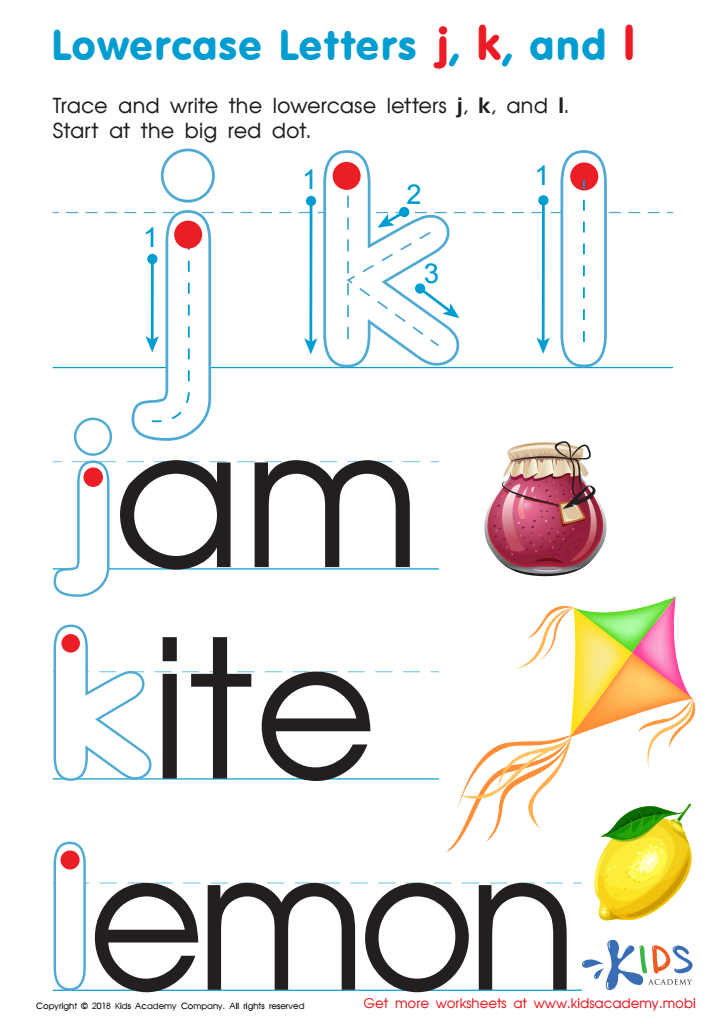
Lowercase Letters j k l Worksheet
 Assign to My Students
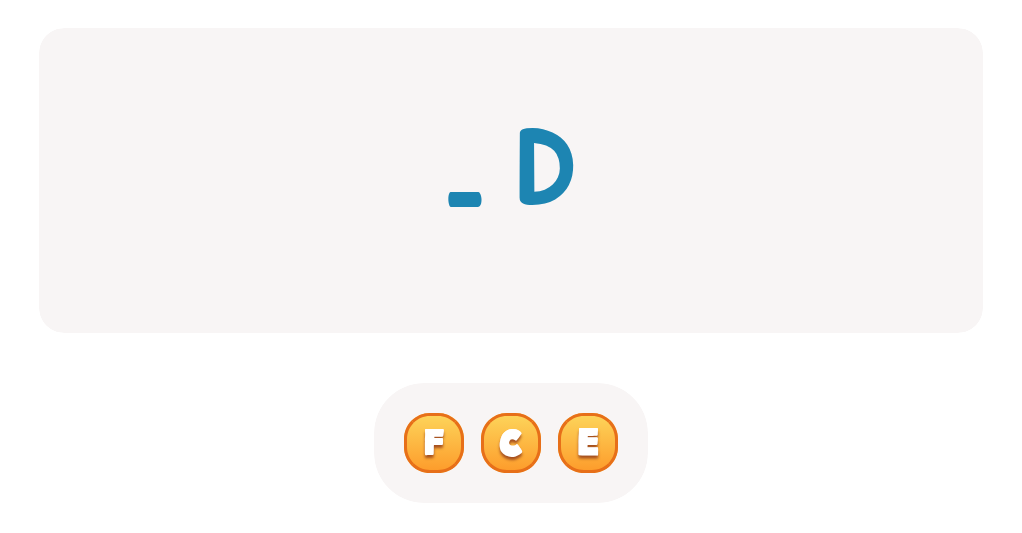

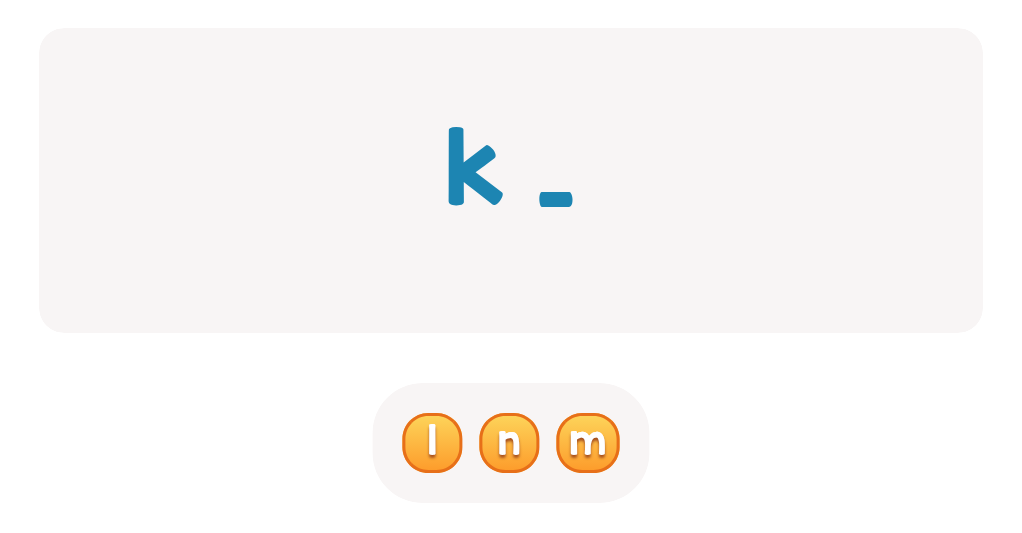
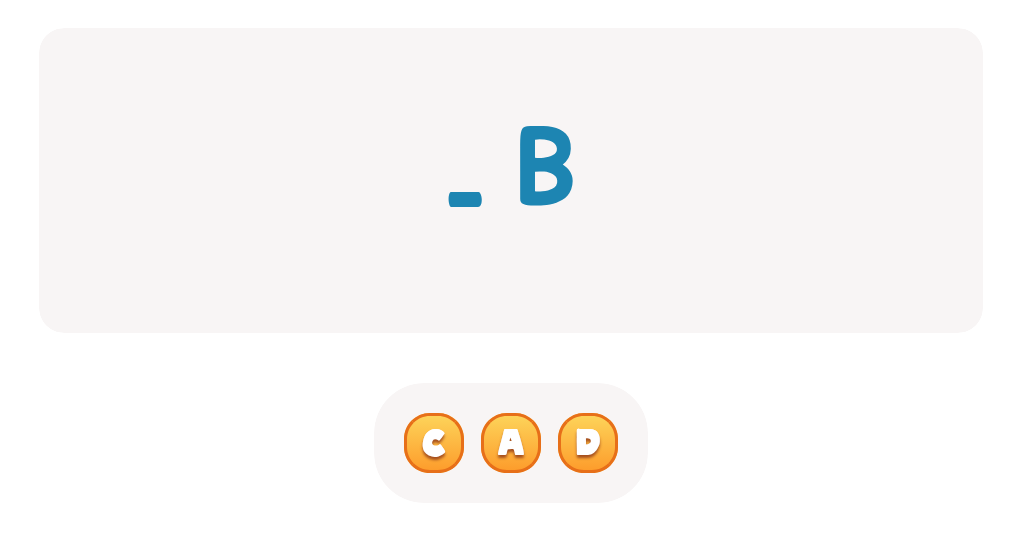
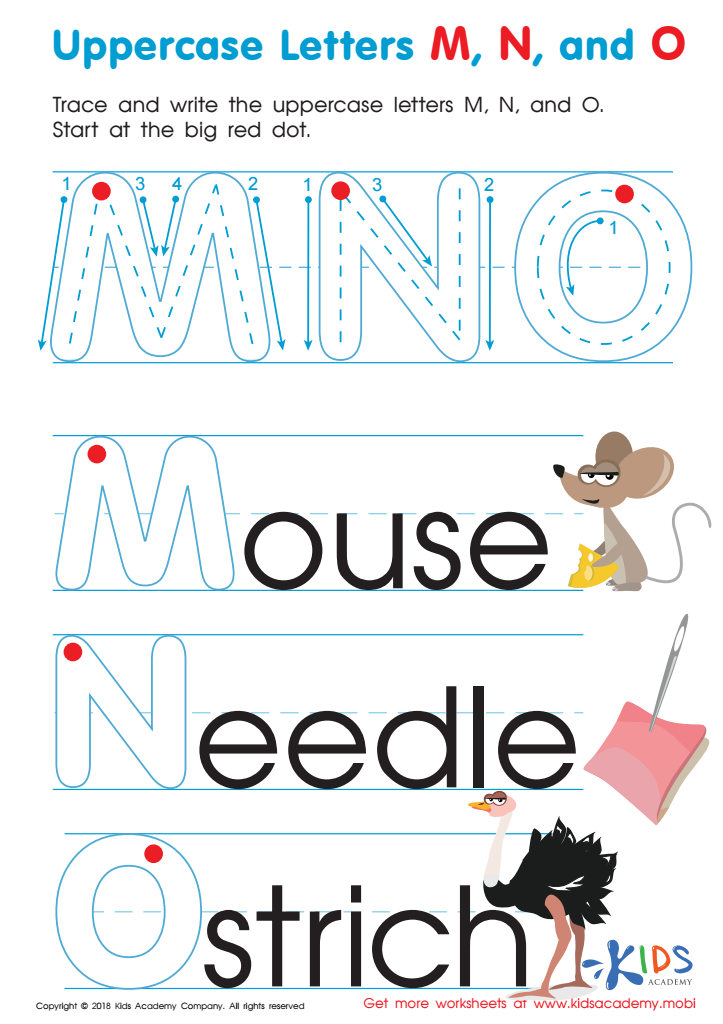
Uppercase Letters M, N, and O Worksheet
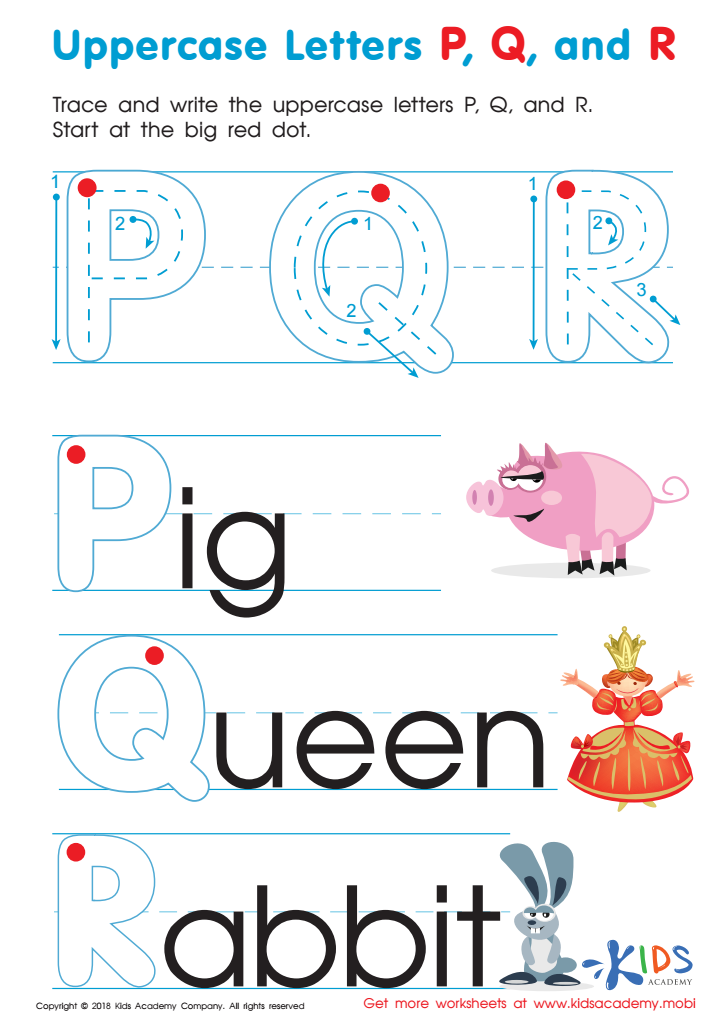
Uppercase Letters P, Q, and R Worksheet






Letter tracing practice for uppercase and lowercase letters is crucial for children aged 4-9, as it fosters foundational skills necessary for literacy and writing. First, it enhances fine motor skills, allowing young learners to develop hand-eye coordination and control over writing instruments, which are essential for their overall writing proficiency.
Engaging in letter tracing reinforces letter recognition and phonemic awareness, helping students connect sounds with corresponding letters. This connection is key for developing early reading skills and enhancing their understanding of the alphabet, which serves as the building block for language development.
Additionally, letter tracing promotes proper handwriting form and technique—a skill that will be beneficial throughout their academic journey. Tracing also provides a structured way to explore letters, reducing the overwhelm that some children may feel when facing blank pages, thereby boosting their confidence and willingness to practice.
Finally, integrating tracing activities can engage both parents and teachers in early education. This collaborative approach reinforces a positive learning environment, making literacy not only a core skill but also an enjoyable experience. In summary, letter tracing is an essential practice that supports critical cognitive, motor, and confidence-building skills vital for young learners.







