Visual discrimination Normal Upper & Lowercase Letters Worksheets for Ages 4-9
4 filtered results
-
From - To
Enhance your child's literacy skills with our Visual Discrimination Worksheets for Upper and Lowercase Letters, designed specifically for ages 4 to 9. These engaging worksheets help young learners develop the ability to recognize and differentiate between similar letter forms, an essential skill for reading and writing. Each activity is thoughtfully crafted to combine fun and education, ensuring that children stay motivated while mastering the alphabet. With a variety of exercises focusing on visual recognition, your child will gain confidence and improve their foundational literacy abilities. Perfect for home or classroom use, our worksheets make learning both enjoyable and effective!
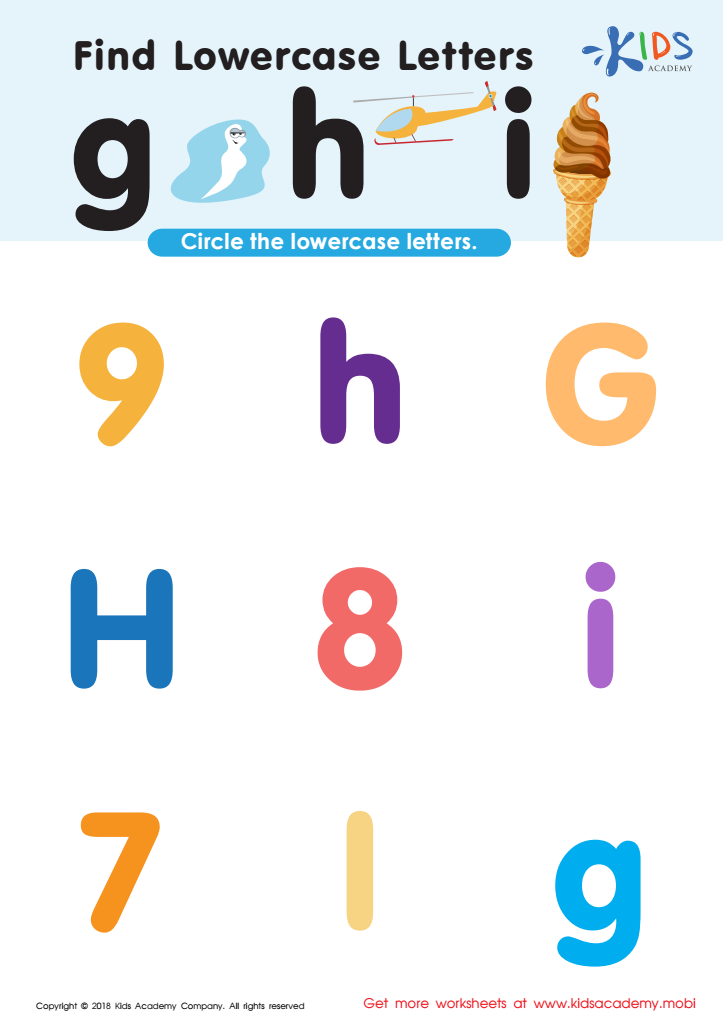
Find Lowercase Letters g h i Worksheet
 Assign to My Students


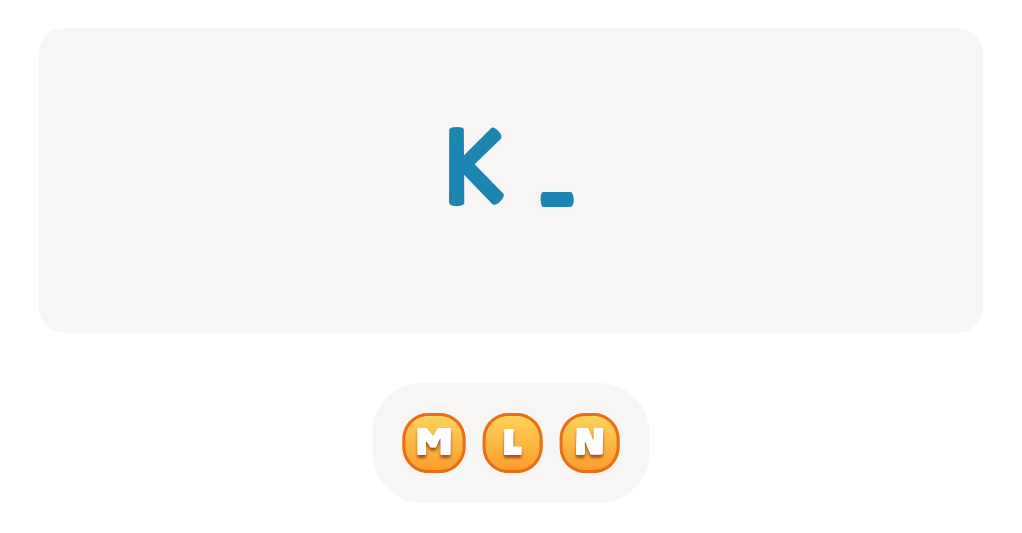
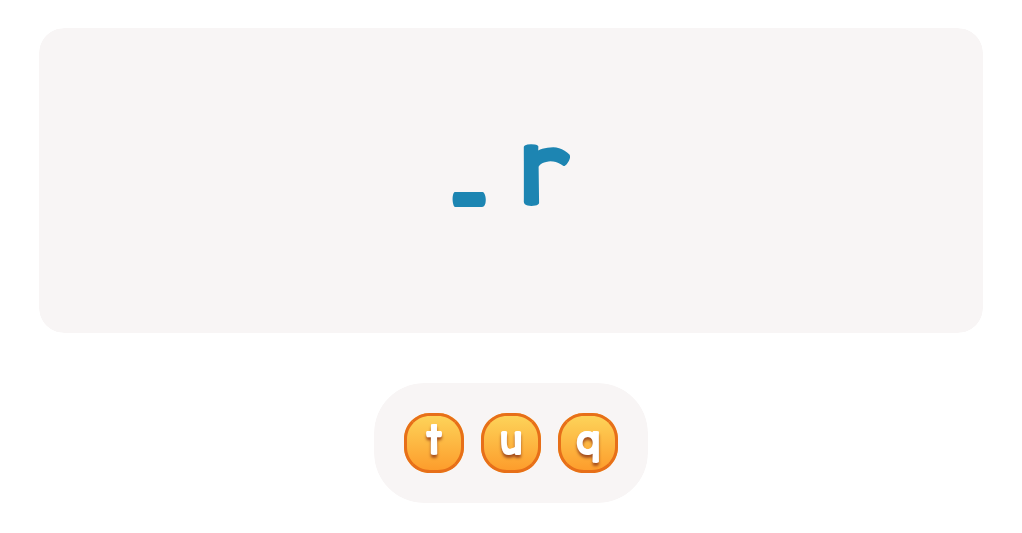

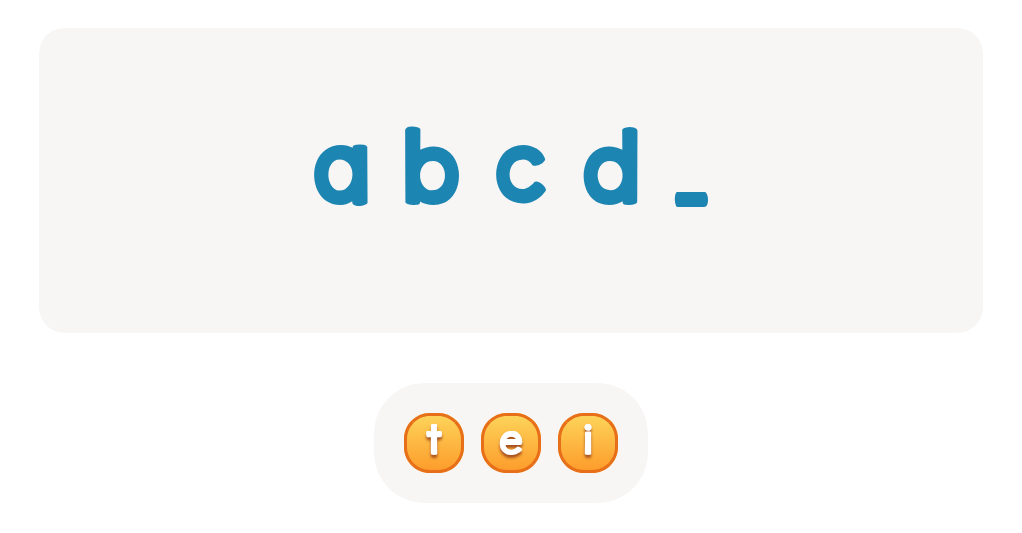

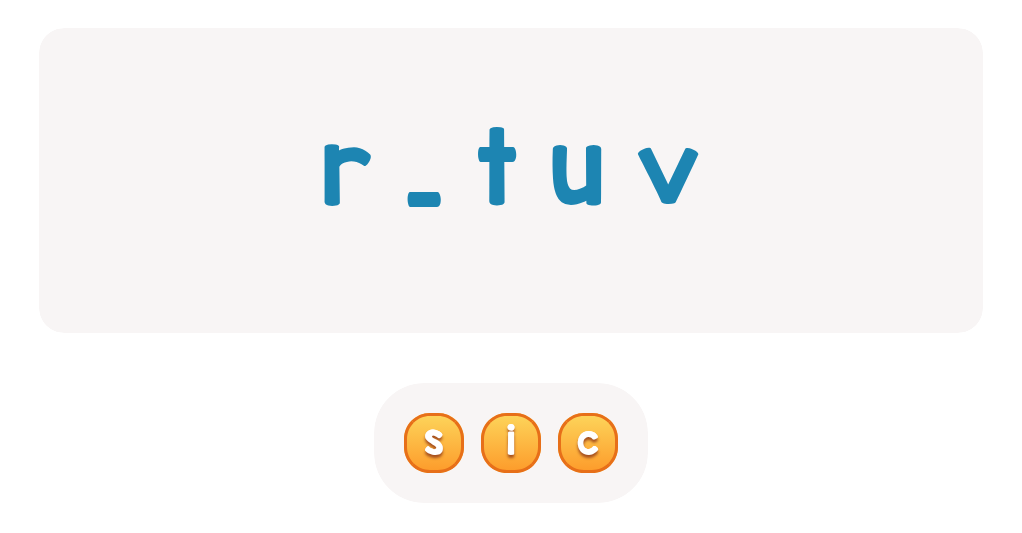
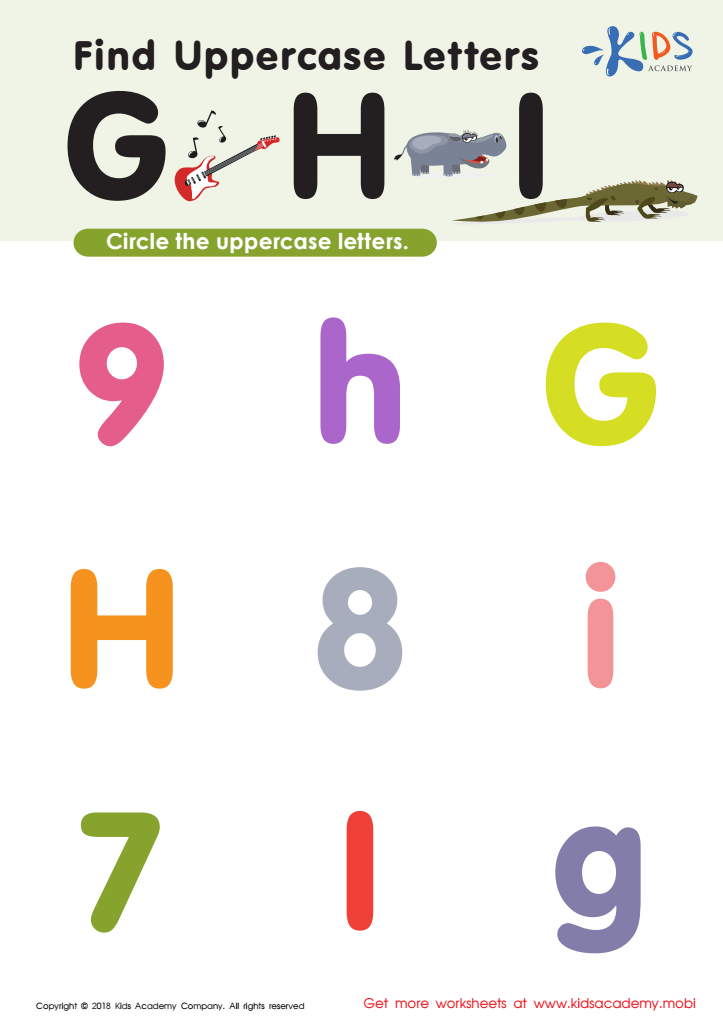
Find Uppercase Letters G, H, and I Worksheet
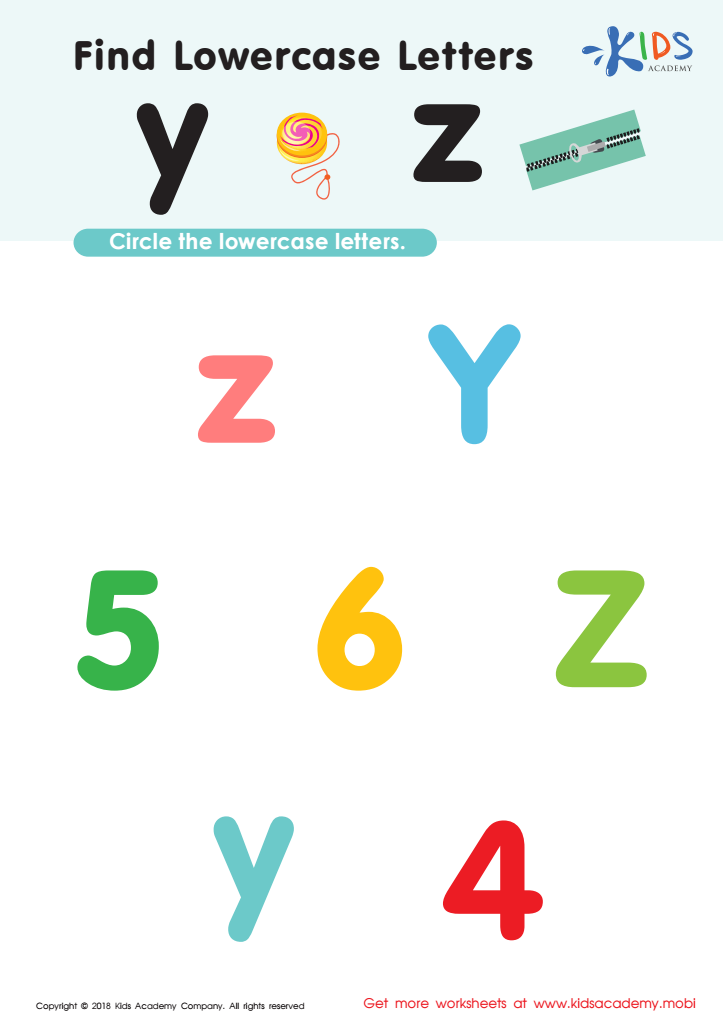
Find Lowercase Letters y z Worksheet
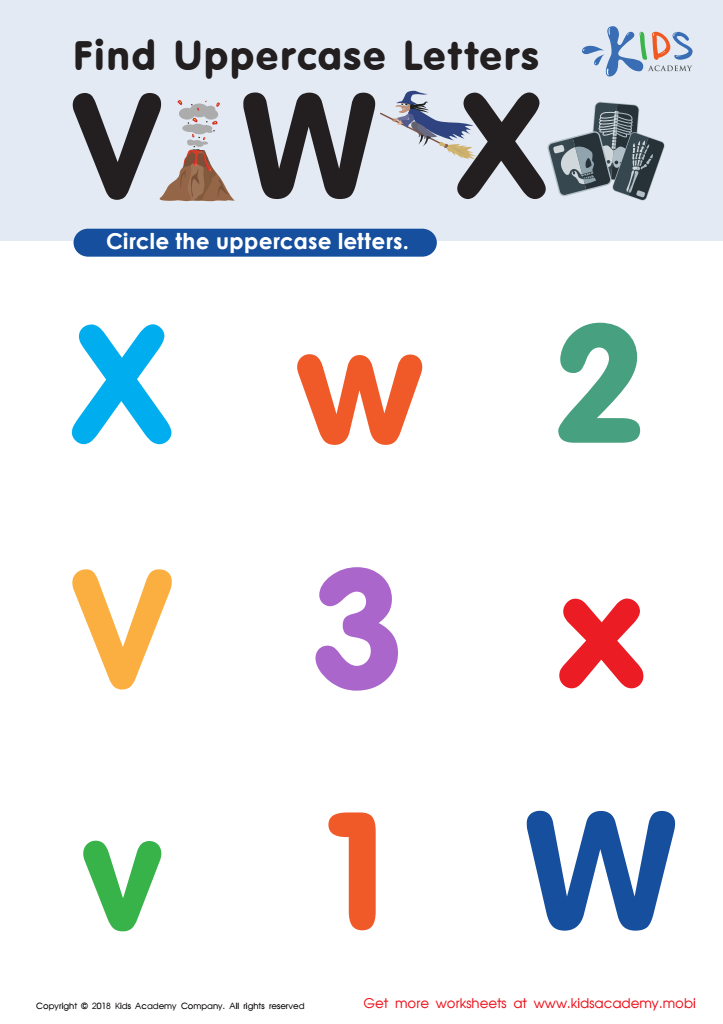
Find Uppercase Letters V, W, X Worksheet






Visual discrimination is a vital skill for young learners, particularly in recognizing and differentiating between upper and lowercase letters. For children aged 4-9, this ability plays a foundational role in developing literacy. When parents and teachers cultivate visual discrimination in kids, they empower them to see distinctions between letters that might seem similar, such as 'p' and 'q' or 'b' and 'd'.
This skill not only aids in reading and writing fluency but also enhances overall academic performance. Misidentifying letters can lead to reading difficulties, impacting comprehension and retention of information. For children starting to compose their own sentences or engage in spelling exercises, visual discrimination is necessary for foundational writing skills.
Additionally, fostering this ability supports confidence in literacy, encouraging children to explore written language without fear of errors. Engaging in activities to enhance visual discrimination—like matching games, letter sorting, or incorporating fun identification exercises—can be enjoyable and effective at home or in the classroom. Therefore, investing time in visual discrimination practice sets the stage for lifelong learning, understanding, and a love for reading and writing, making it a crucial focus for parents and educators alike.







