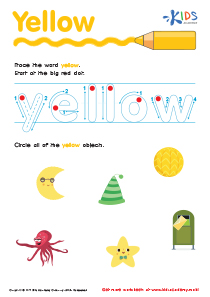
Motor skills development Normal English for Beginners Worksheets for Ages 4-9
3 filtered results
-
From - To
Unlock your child's potential with our "Motor Skills Development Normal English for Beginners Worksheets" designed specifically for ages 4-9! These engaging printable worksheets are perfect for young learners to enhance their fine and gross motor skills while practicing essential English vocabulary. Each activity encourages coordination and dexterity through fun exercises, such as tracing letters, drawing shapes, and engaging in interactive aiming games. Ideal for parents and teachers, these worksheets foster a love for learning and help children build confidence in their motor abilities. Support your child's growth and prepare them for future learning success with our easy-to-use, effective resources!

Letter H Tracing Page
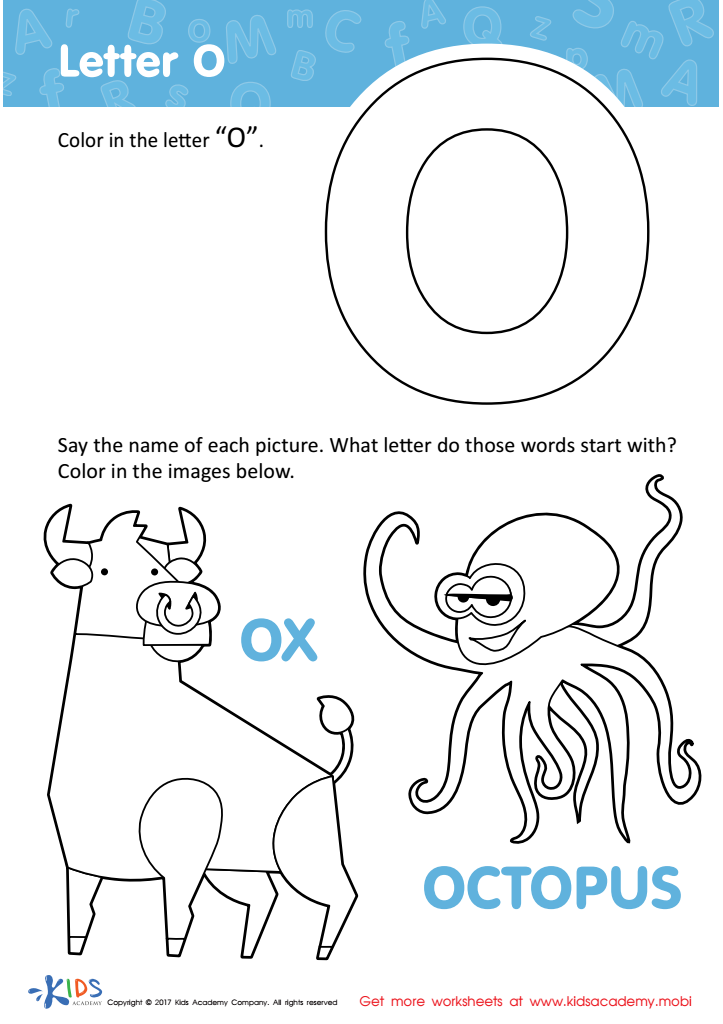
Letter O Coloring Sheet
 Assign to My Students
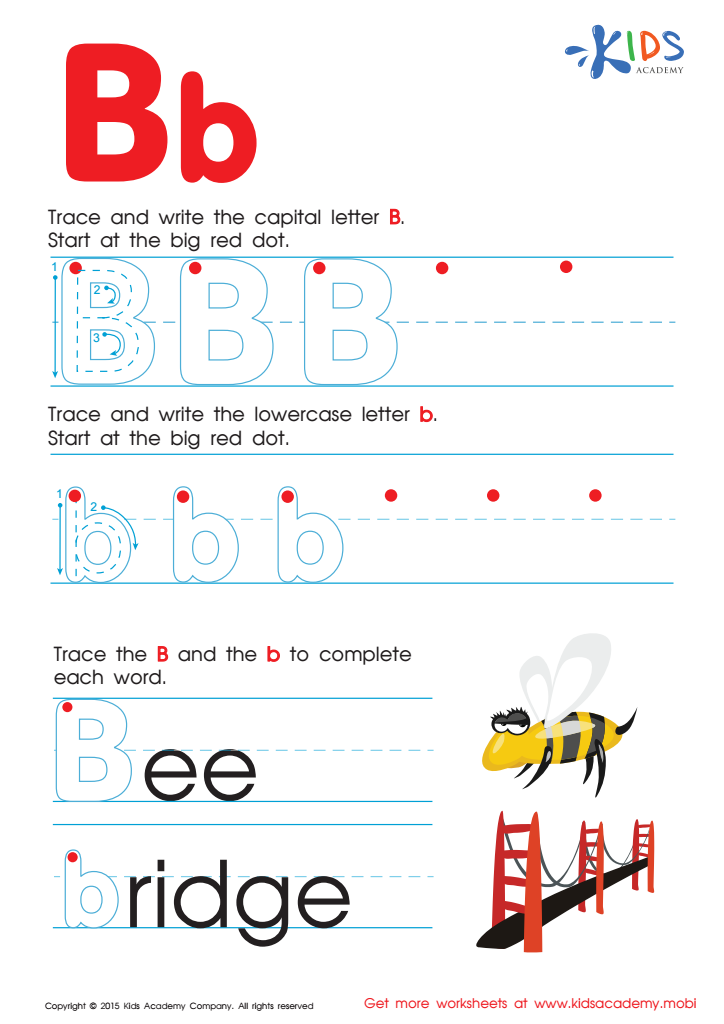
Letter B Tracing Page




Motor skills development is very important for children aged 4 to 9. Motor skills include things like running, jumping, writing, and using scissors. When kids practice these skills, they build strength, coordination, and confidence. This helps them in school and everyday activities.
Parents and teachers should care about motor skill development because it influences a child's ability to learn and grow. For example, good motor skills help children write neatly and participate in sports. When they have strong skills, they feel more successful and enjoy learning.
Furthermore, children with well-developed motor skills can manage tasks better, like dressing themselves and playing with friends. This independence boosts their self-esteem and social skills.
Lastly, motor skills are connected to brain development. Working on these skills can lead to better focus and learning in school.
In summary, caring about motor skills means supporting a child's growth in many important areas. Parents and teachers can help by providing fun activities, like playing games and doing crafts. This not only improves motor skills but also helps children learn to enjoy working together with others.