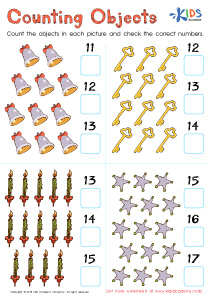
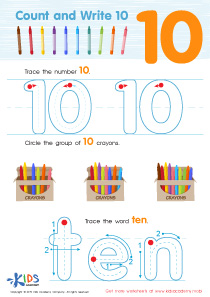
Developing math skills Normal Comparing Numbers Worksheets for Ages 4-9
3 filtered results
-
From - To
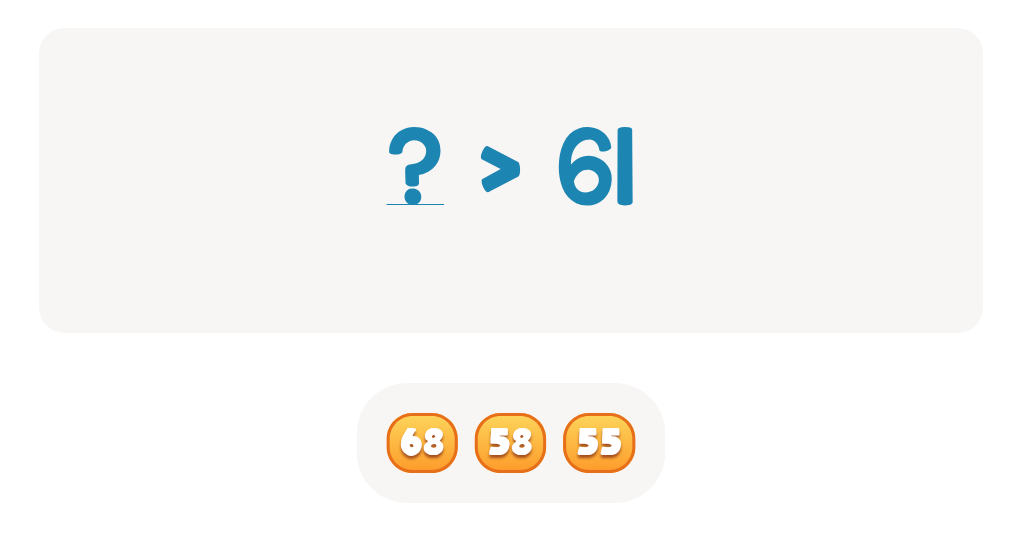
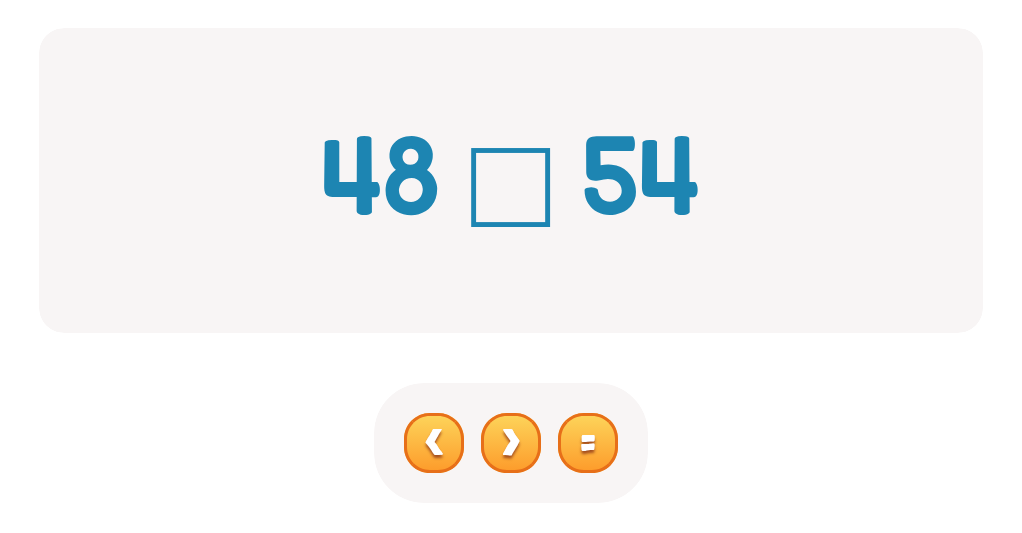
Our "Developing Math Skills: Comparing Numbers Worksheets for Ages 4-9" are designed to enhance your child's ability to distinguish numerical values easily. These engaging printables help young learners develop critical thinking and number recognition through a range of fun and educational activities. Perfect for children aged 4-9, these worksheets cover essential concepts such as greater than, less than, and equal to. Encourage your child’s mathematical growth with our expertly crafted resources that are perfect for both classroom and home use. Foster a strong mathematical foundation that will serve your child throughout their learning journey.
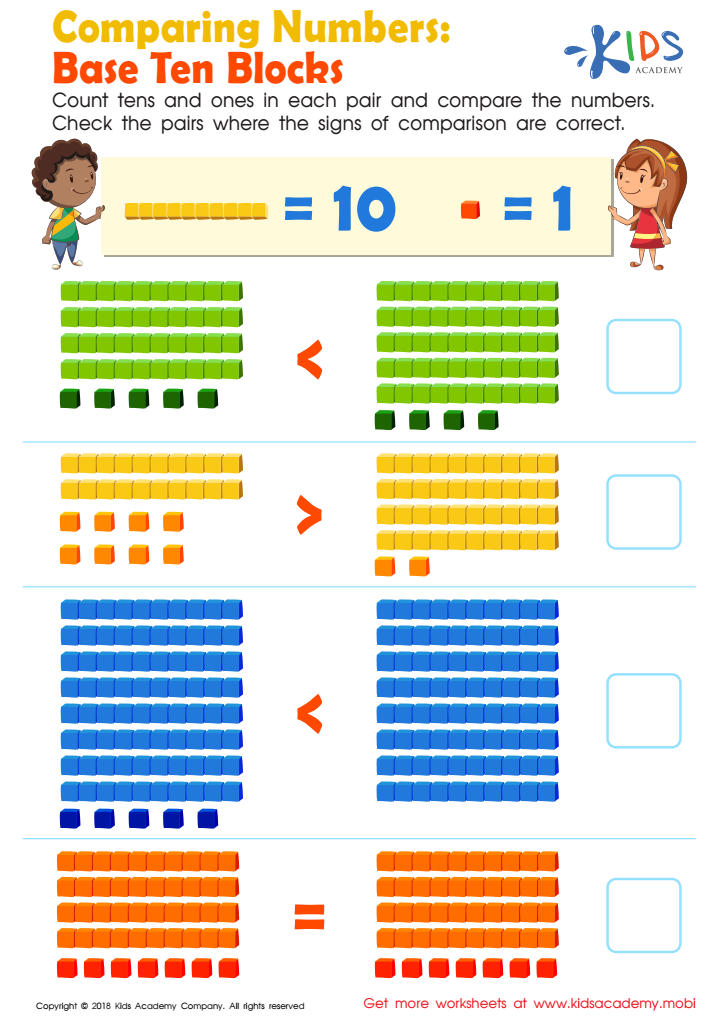
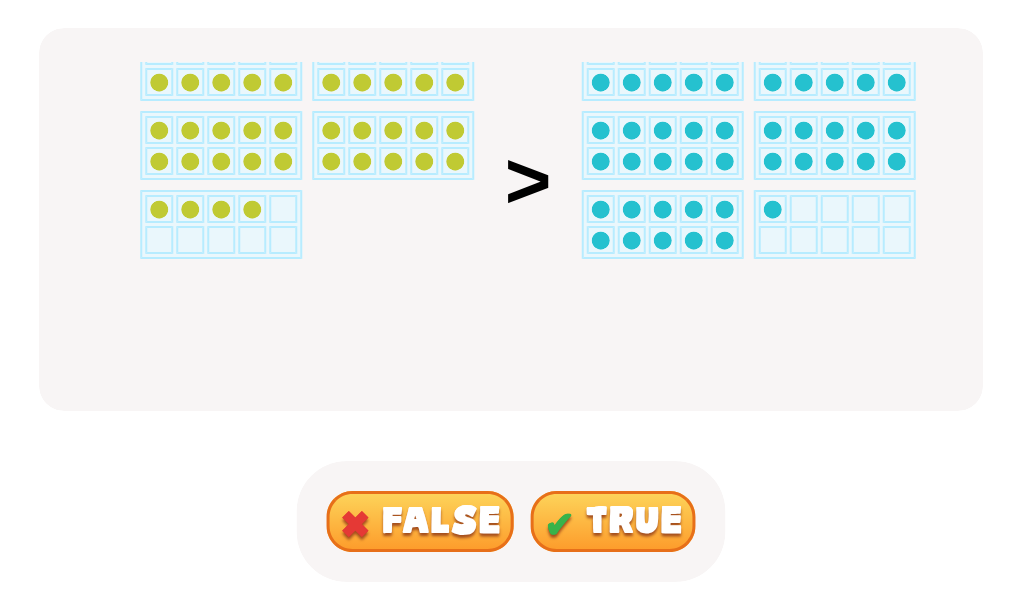
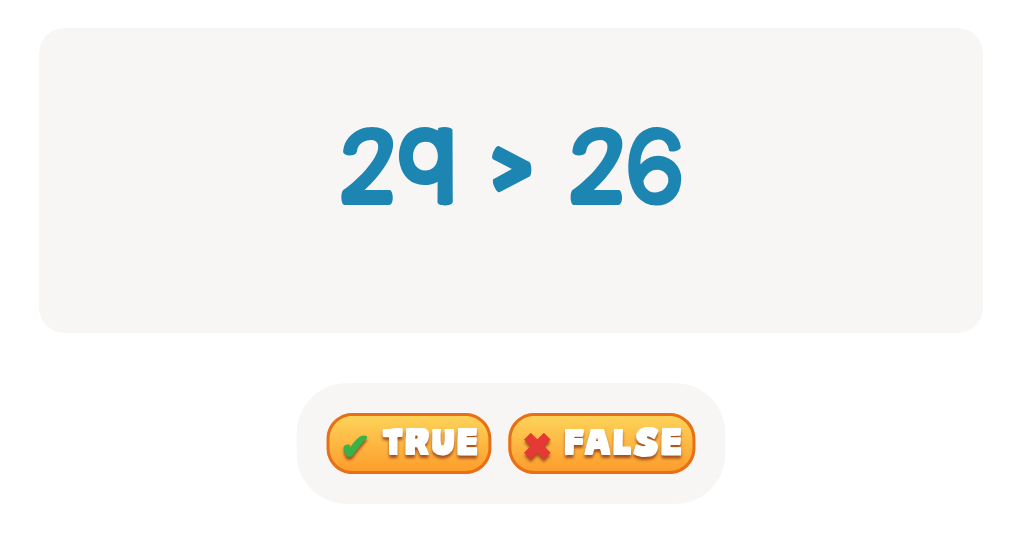
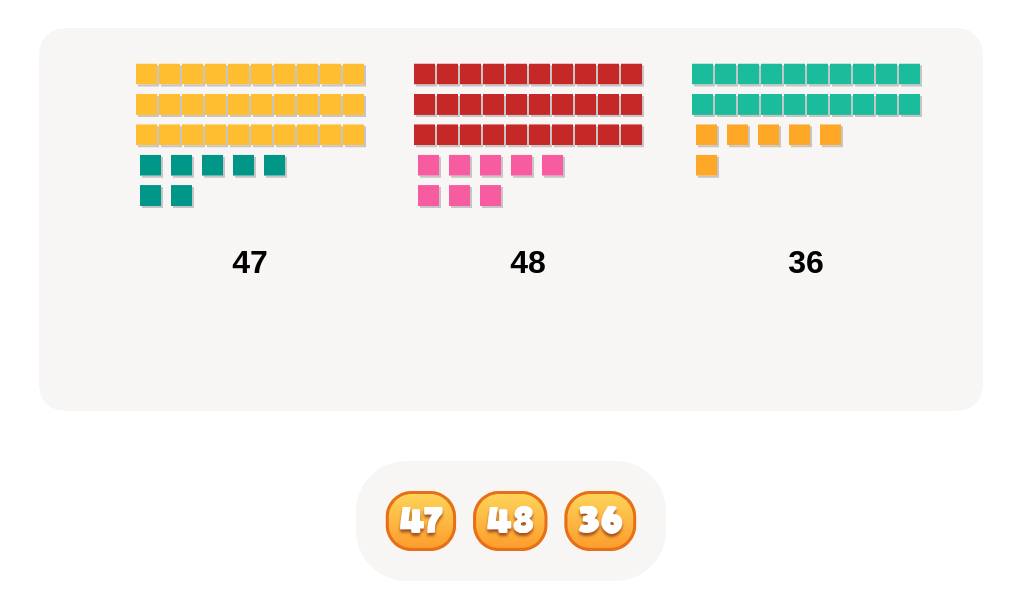
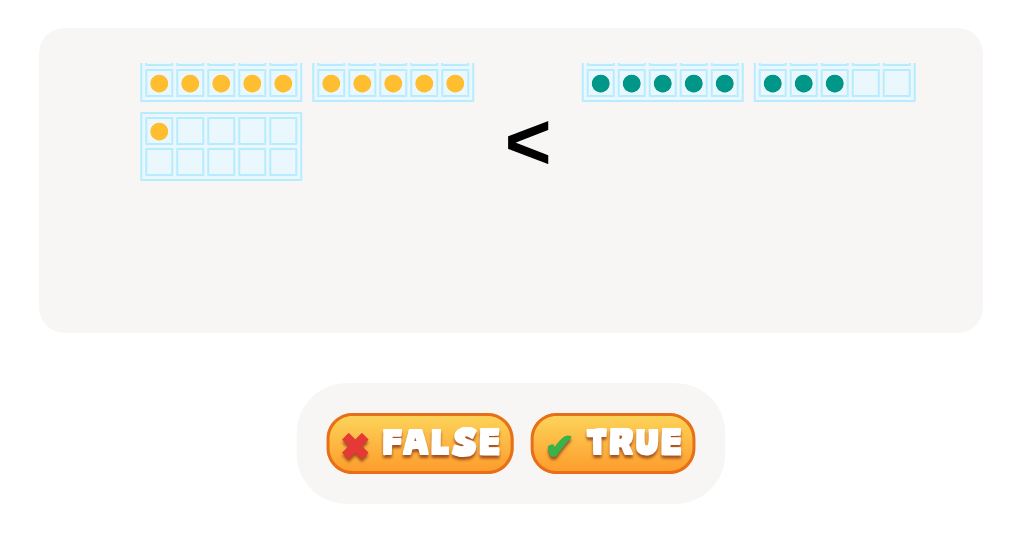
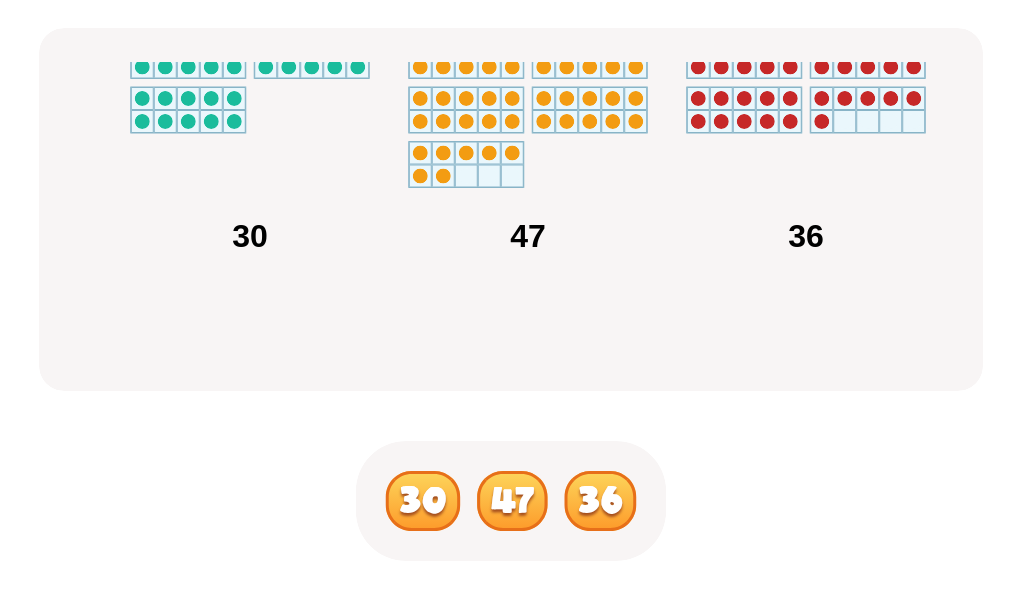
Comparing Numbers: Base Ten Blocks Worksheet
 Assign to My Students
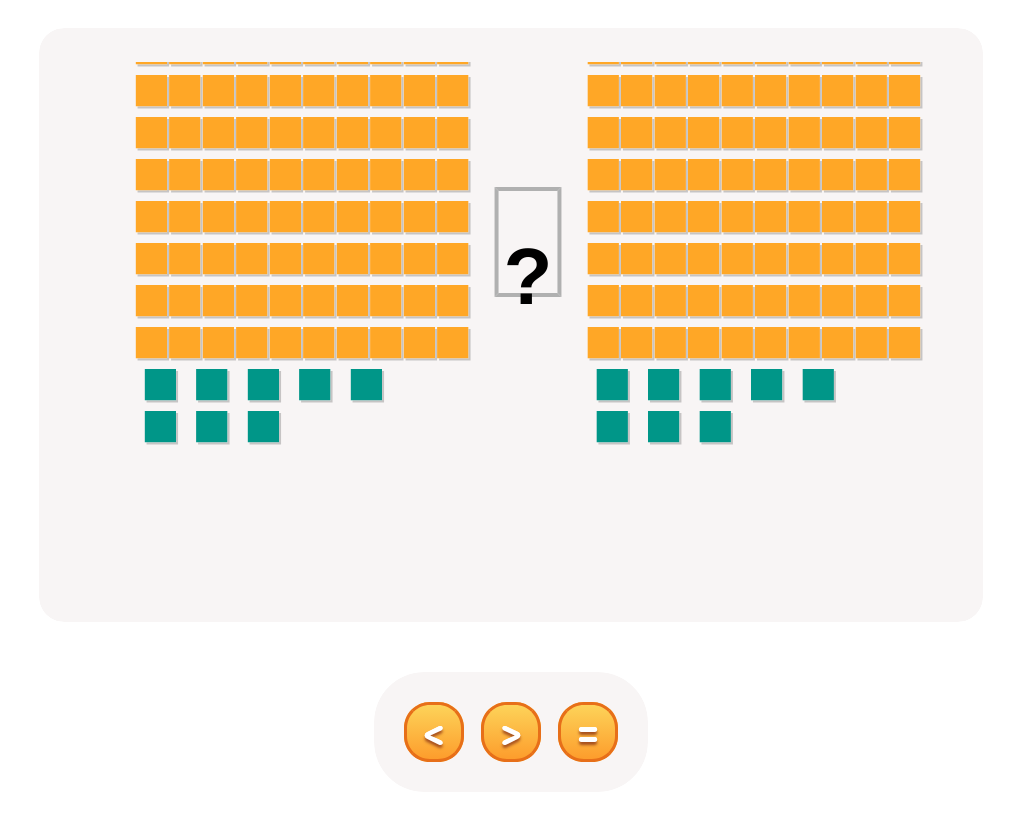

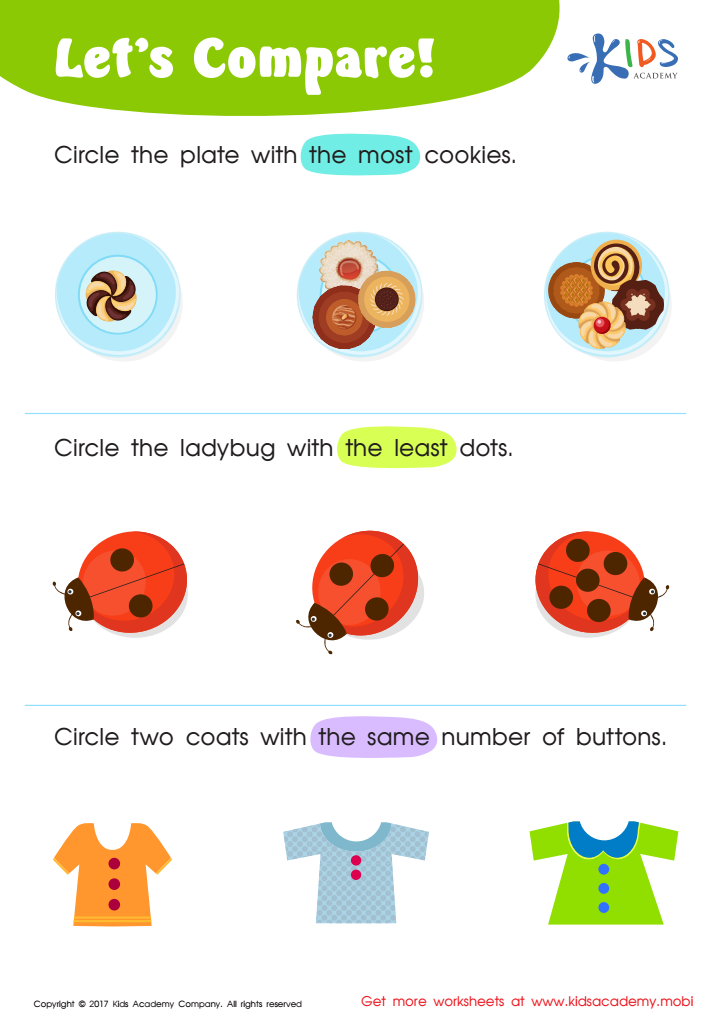
Matching: Classifying Toys by Size Worksheet
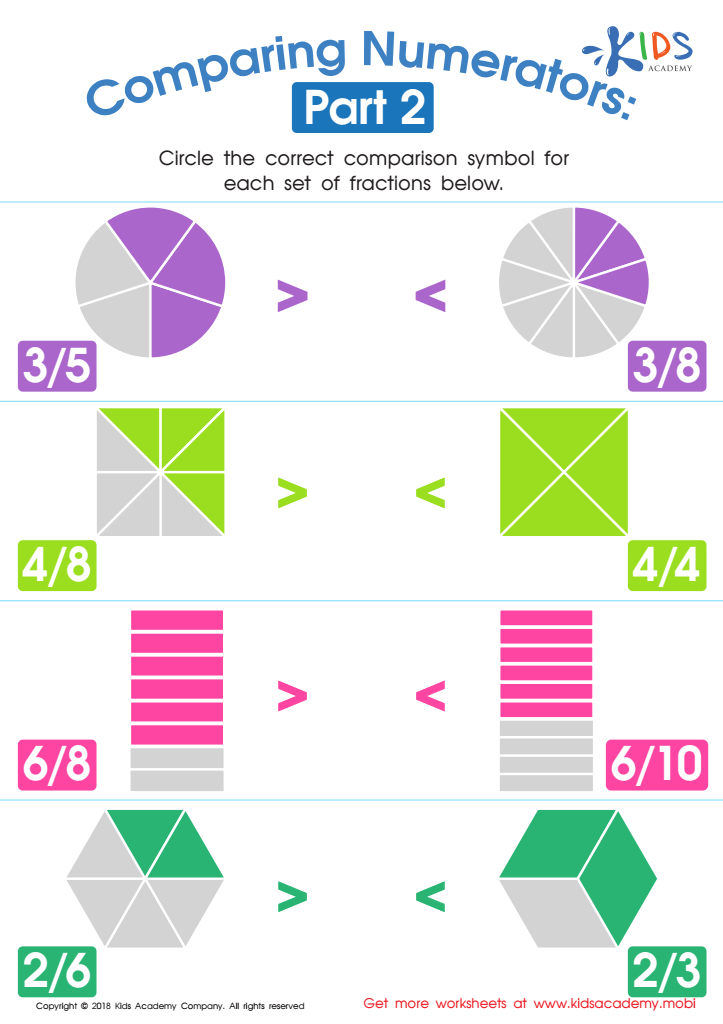
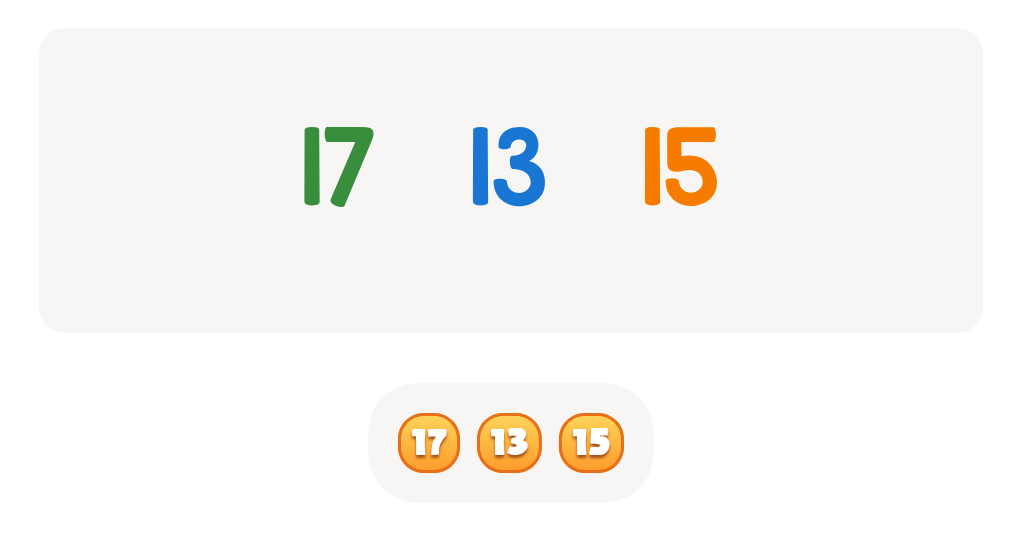
Comparing Numerators Part 2 Worksheet







Developing math skills, specifically the ability to compare numbers, is crucial for children aged 4-9. For parents and teachers, nurturing these foundational skills offers significant benefits. Comparisons – more and less, bigger and smaller – are not just math concepts; they are essential cognitive skills that extend to everyday decision-making and problem-solving.
Firstly, understanding how numbers relate to each other builds number sense, a critical aspect of early mathematical thinking. A strong number sense allows children to grasp more complex math concepts with greater ease as they progress academically. Children learn to organize, classify, and pattern numbers, which can enhance their logical thinking abilities.
Moreover, early proficiency in comparing numbers fosters confidence. When children master basic skills, they are more likely to face complex challenges head-on without anxiety. This confidence not only propels them in math but also builds a positive attitude towards learning in general.
Teachers and parents should also recognize that proficiency in comparing numbers improves language skills. Children use comparative language (more than, less than) which boosts their comprehension and communication abilities.
Ultimately, investing time and resources in teaching children to compare numbers prepares them for future academic success and real-world competency. For ages 4-9, instilling these skills lays a solid foundation for continuous, inquisitive, and empowered learning.