Reading skills development Normal Building Vocabulary Worksheets for Ages 4-9
3 filtered results
-
From - To
Enhance your child's reading skills with our engaging vocabulary worksheets designed specifically for ages 4-9! Our comprehensive collection of normal building vocabulary worksheets offers a fun and interactive way to help young learners expand their language and comprehension abilities. Each worksheet is crafted to challenge and inspire kids while aligning with their developmental skills. From matching words to images, filling in the blanks, to simple sentence construction, these activities promote active learning and retention. Foster a lifelong love for reading and learning in your child, ensuring they build a solid foundation for academic success. Start exploring our worksheets today!
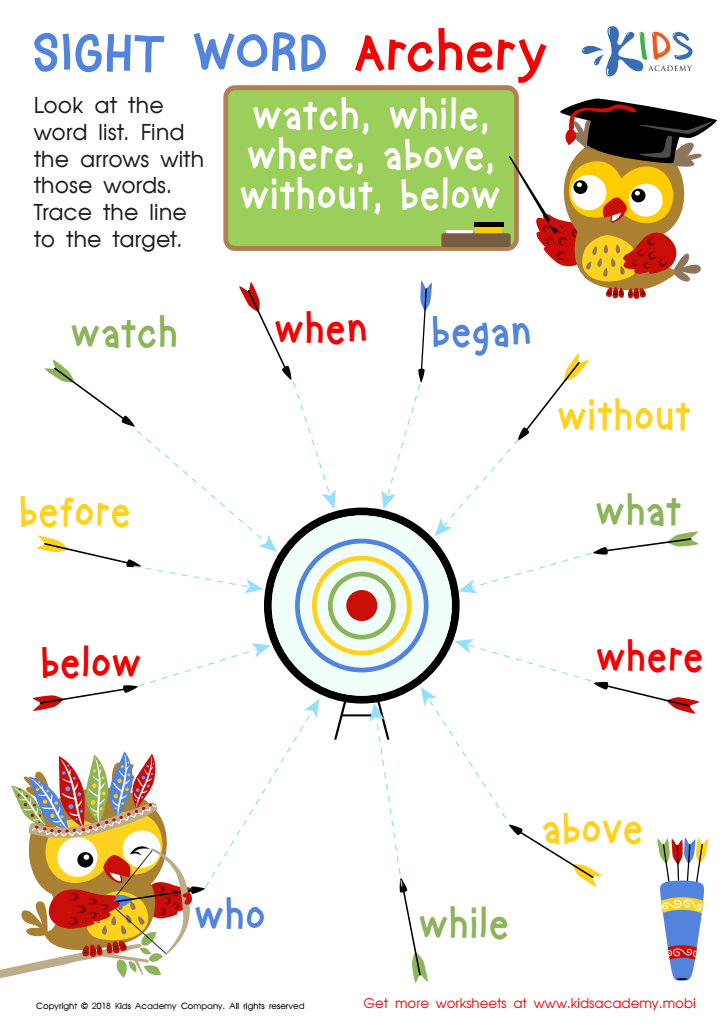
Sight Word Archery Worksheet
 Assign to My Students











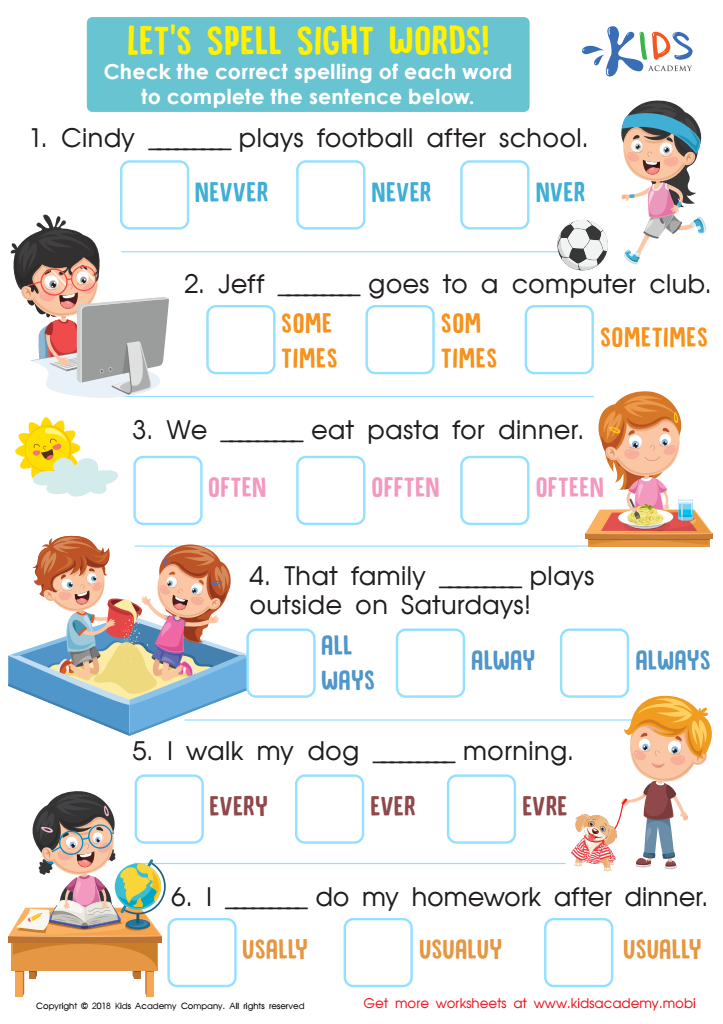
Let's Spell Sight Words Worksheet
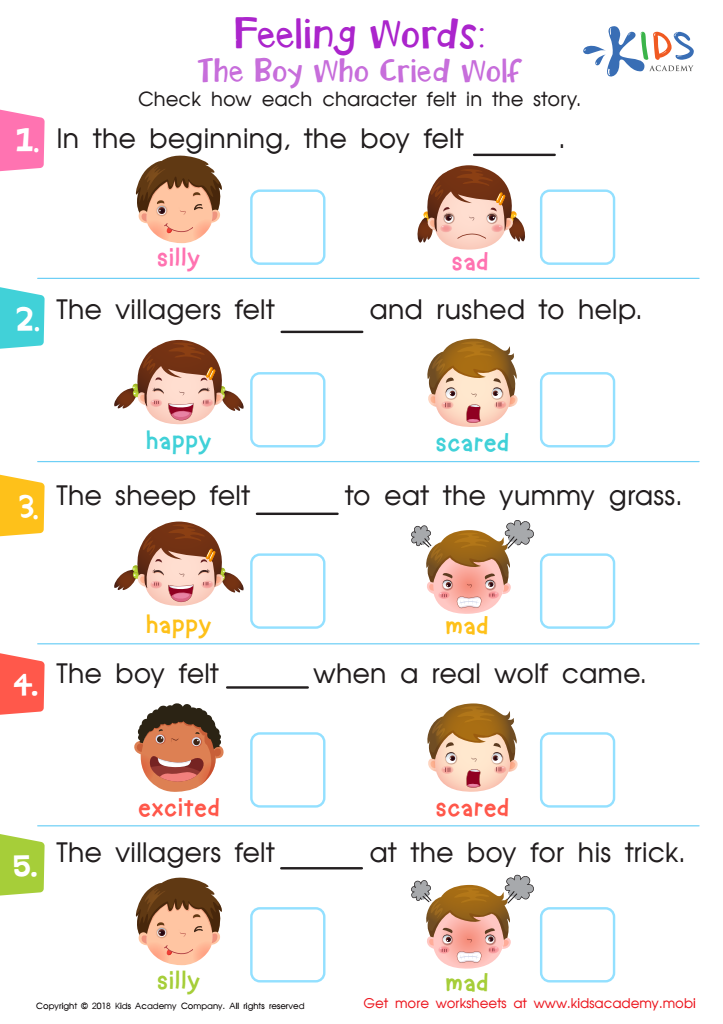
Feeling Words: The Boy Who Cried Wolf Worksheet






.jpg)
Parents and teachers should prioritize reading skills development and vocabulary building for children aged 4-9 because these skills are foundational to lifelong learning. Early vocabulary acquisition is directly linked to reading comprehension, academic success, and overall cognitive development. By the age of five, children who have larger vocabularies tend to perform better in school, as they can understand and engage with texts and concepts more effectively.
Building vocabulary also enhances communication skills, enabling children to express their thoughts and feelings clearly. Strong language skills promote social interactions and help children develop relationships with peers and adults. As they engage with diverse texts, children learn to connect ideas, think critically, and foster creativity.
Moreover, reading together nurtures a love for literature, curiosity, and a desire to learn more. This positivity regarding learning can lead to sustained academic achievements. Investing time in reading and vocabulary activities at home and in classrooms, such as storytelling, discussions, and word games, creates a rich, engaging environment for children to thrive. Even simple strategies like introducing new words can significantly impact their language development. In essence, fostering these skills is crucial for laying the groundwork for a child’s future educational journey and personal growth.








