Understanding directions Normal Science Worksheets for Ages 4-9
4 filtered results
-
From - To
Introducing "Understanding Directions Normal Science Worksheets for Ages 4-9"! Our expert-crafted worksheets are designed to enhance children's science skills by focusing on understanding directions—an essential skill for academic success and everyday life. Ideal for ages 4-9, these interactive resources are packed with fun, engaging activities that accommodate different learning styles. From following instructions to comprehending spatial concepts, our worksheets encourage critical thinking and improve cognitive abilities. Perfect for both classroom and at-home learning, they make science both exciting and educational for young minds. Help your child master directions with our engaging, age-appropriate worksheets today!
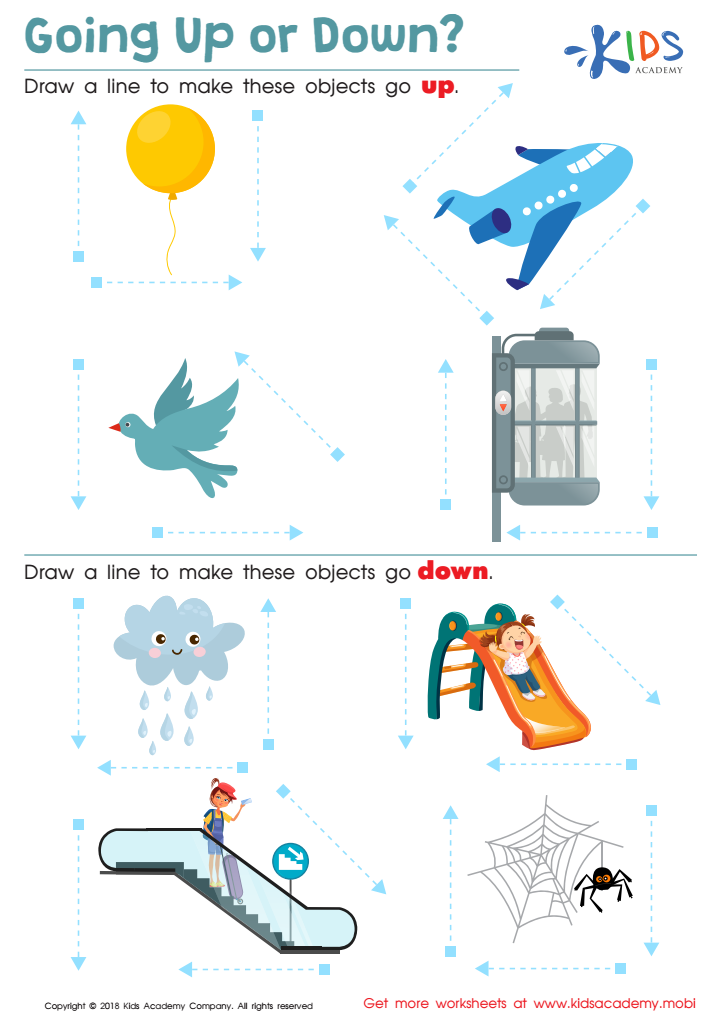
Going up or Down? Worksheet
 Assign to My Students
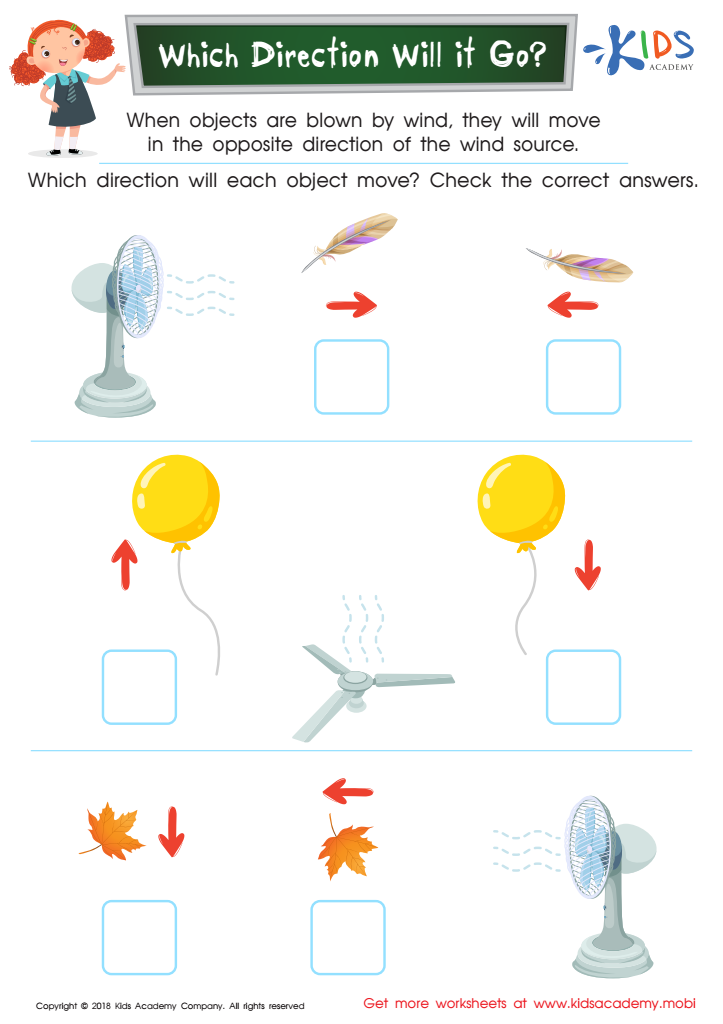
Which Direction Will it Go? Worksheet
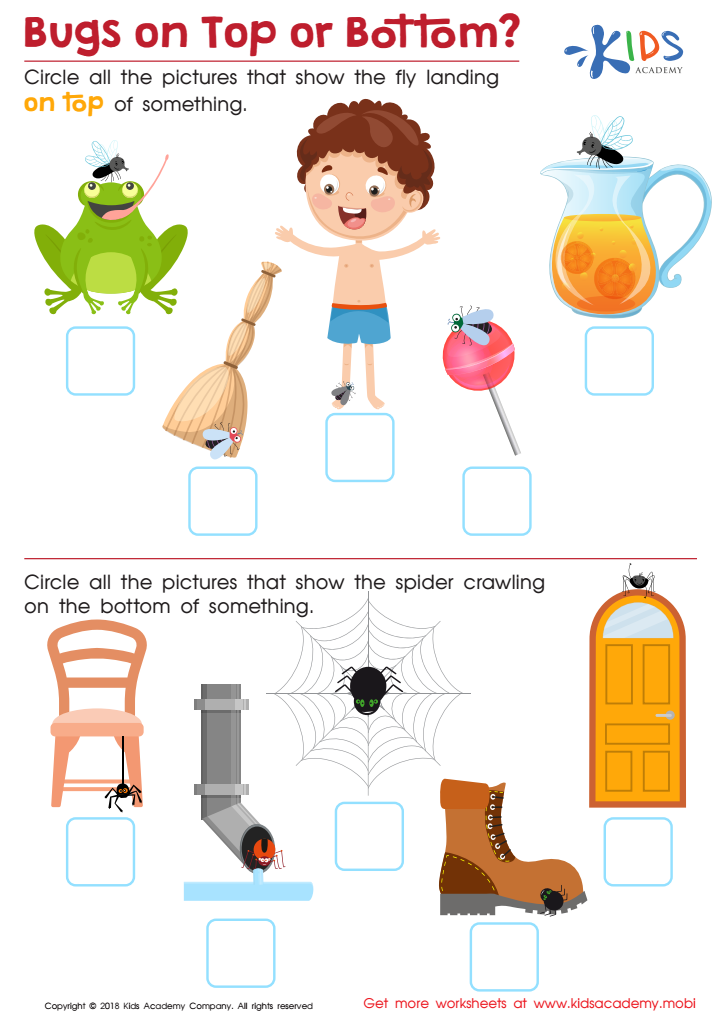
Bugs on Top or Bottom? Worksheet
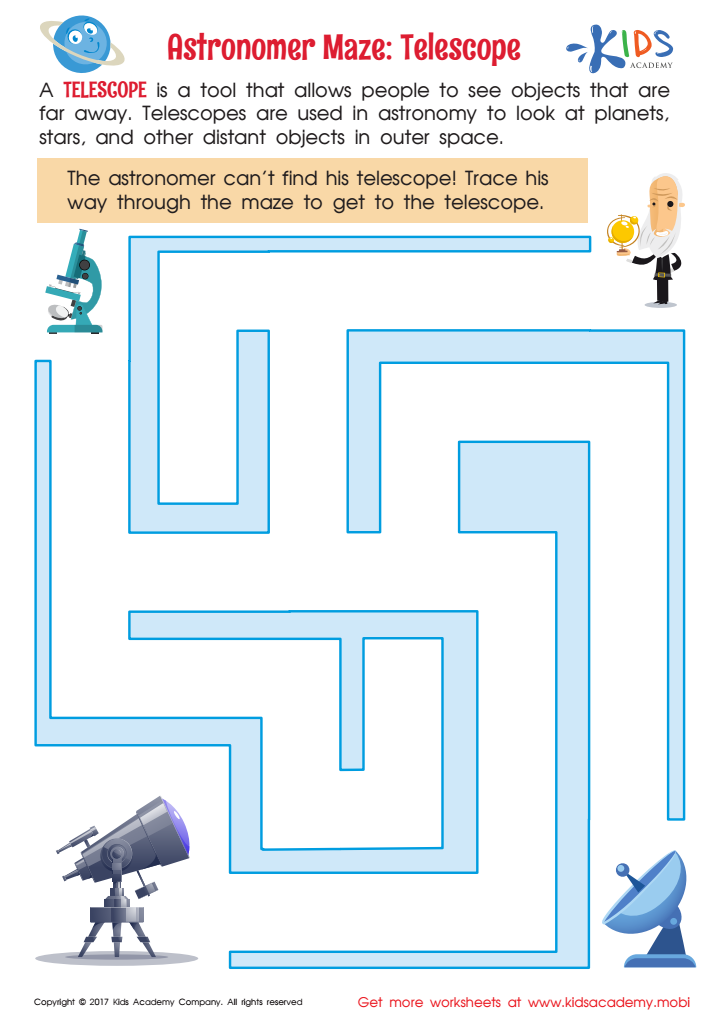
Astronomer Maze: Telescope Worksheet








Understanding directions in science for children aged 4-9 is foundational for numerous developmental and educational reasons. Firstly, grasping basic scientific concepts and directions enables young learners to better engage with their environment. When students understand instructions, they can safely and correctly conduct experiments, leading to a more profound appreciation and comprehension of scientific principles. This early foundation fosters critical thinking and problem-solving skills, which are crucial for their overall cognitive development.
Secondly, science activities often involve following multi-step directions, which helps improve children's ability to listen, process, and execute tasks sequentially. This skill is transferable across various subjects and everyday situations. When parents and teachers emphasize understanding directions, they also promote discipline, focus, and patience in children, all of which contribute to more effective learning.
Moreover, when young students understand the directions and the reasoning behind them, they are more likely to cultivate a lifelong interest in science and learning in general. This intrinsic motivation can lead to sustained educational enthusiasm and success. Finally, fostering an environment where children feel confident in following and understanding directions reduces frustration and enhances their self-esteem, creating a positive feedback loop that encourages more vigorous engagement with learning activities. By prioritizing the comprehension of scientific directions at this crucial developmental stage, parents and teachers lay the groundwork for future academic and personal success.







