Vocabulary enhancement Normal Physical Science Worksheets for Ages 4-9
6 filtered results
-
From - To
Enhance your child's vocabulary with our Normal Physical Science Worksheets, designed specifically for ages 4-9. These engaging and interactive activities help young learners grasp essential scientific concepts while expanding their word bank. Each worksheet includes colorful visuals, guided questions, and hands-on exercises that make learning exciting. Ideal for both classroom instruction and at-home practice, these worksheets foster a solid understanding of physical science terminology. With a focus on vocabulary enhancement, these resources support early literacy skills, encouraging curiosity and a love for science. Discover the perfect tools to empower your child’s academic growth and ignite their passion for exploration!
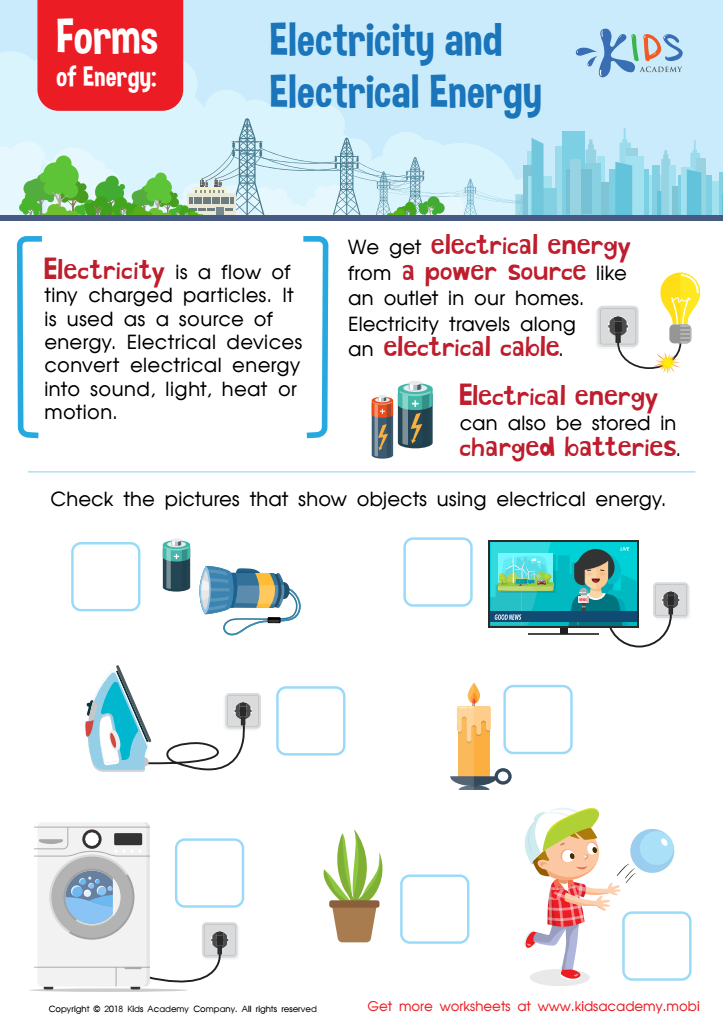
Forms of Energy Worksheet
 Assign to My Students
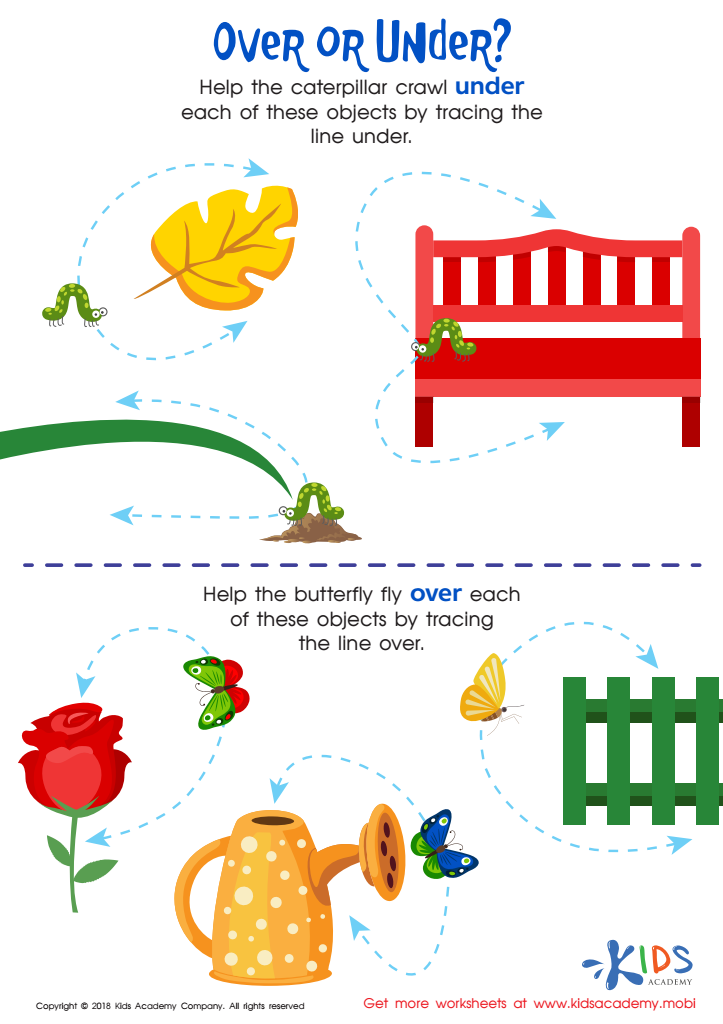
Over or Under? Worksheet
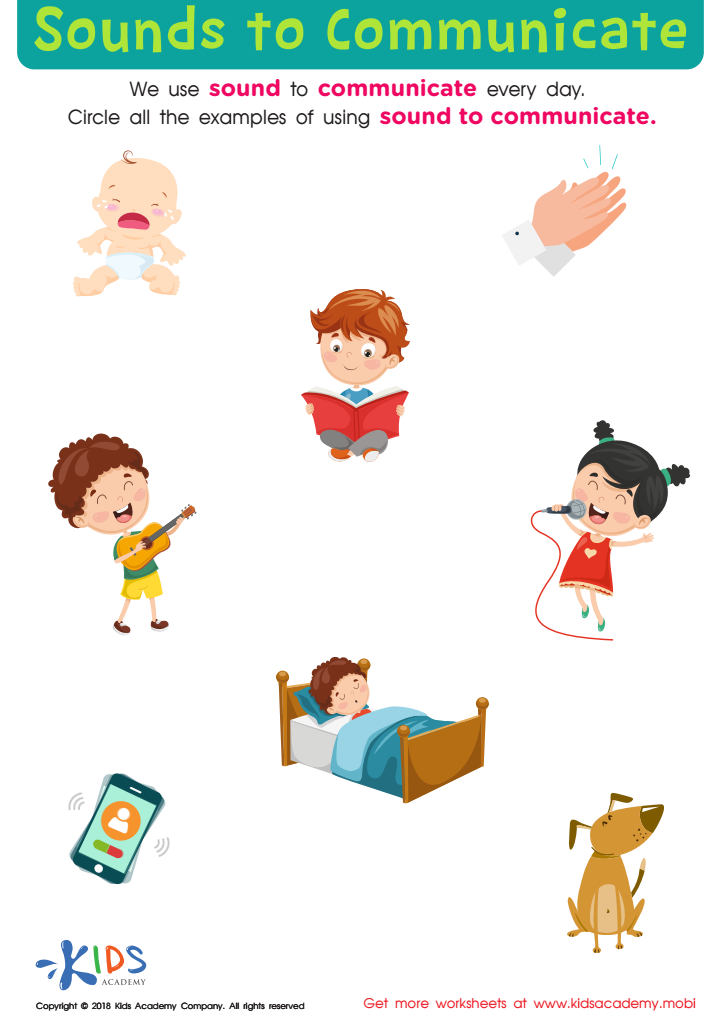
Sounds to Communicate Worksheet
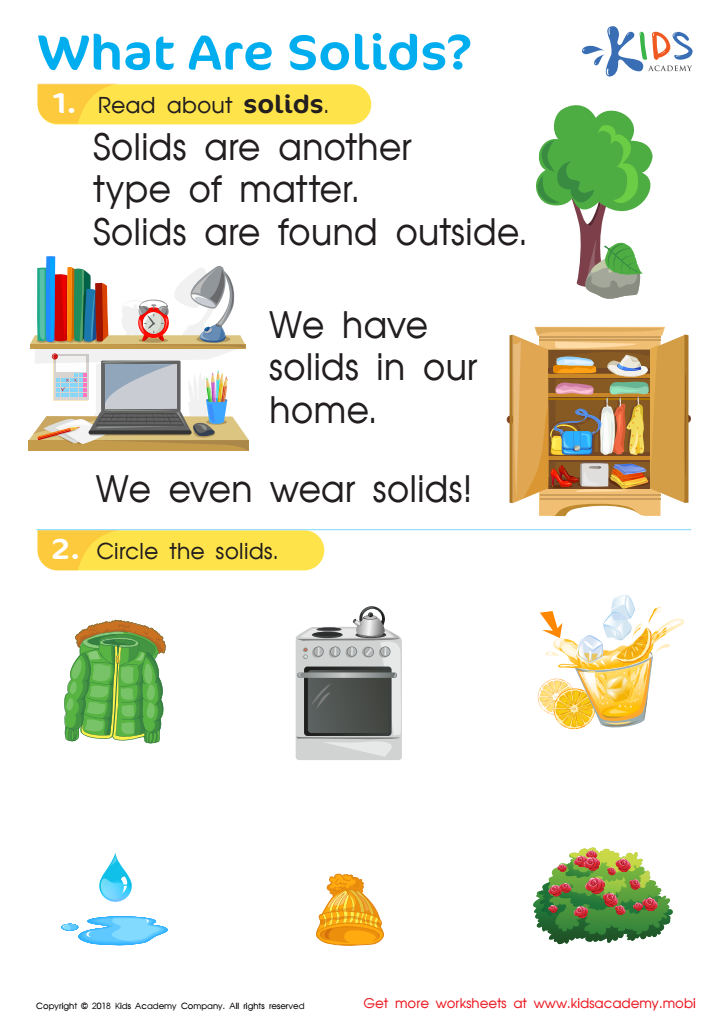
What Are Solids? Worksheet
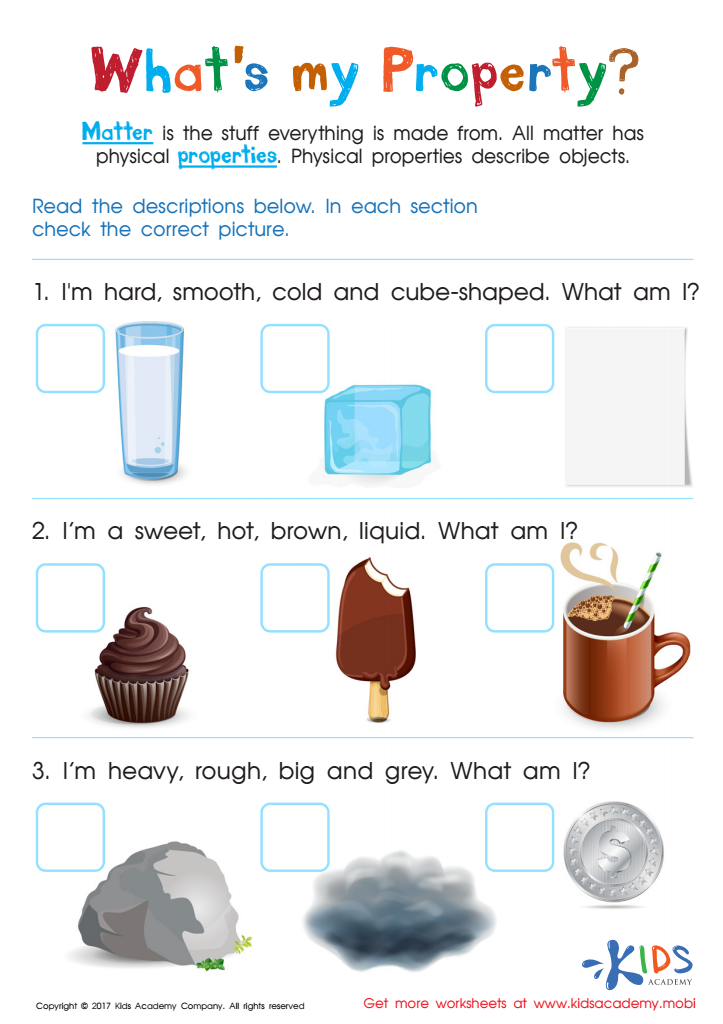
Physical Properties Of Matter Worksheet
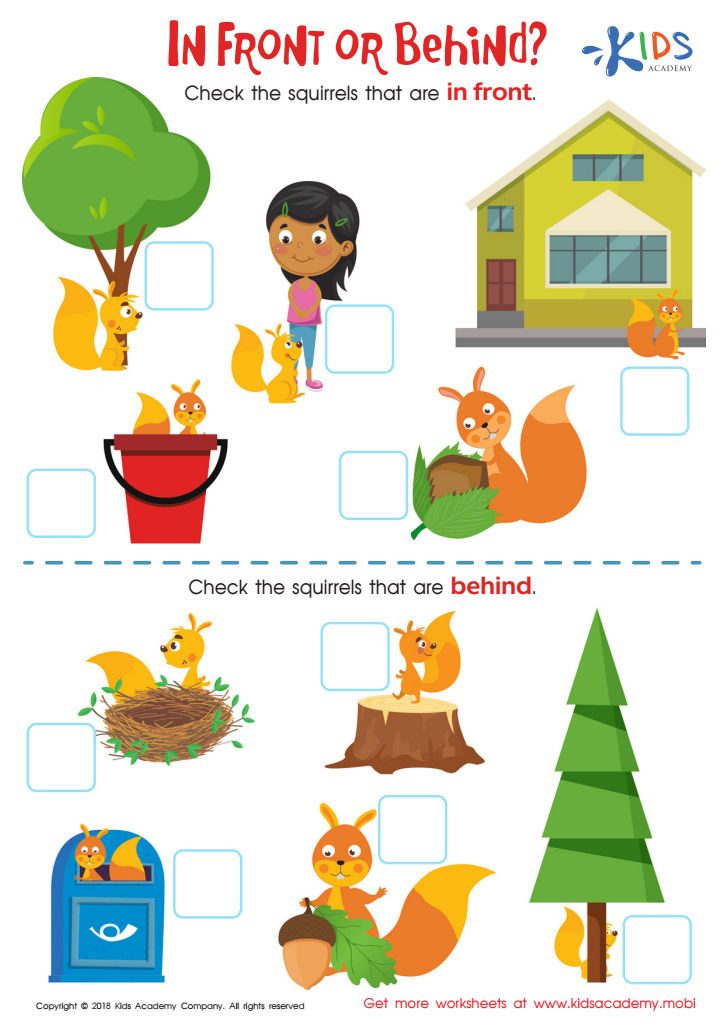
In Front or Behind: Part 2 Worksheet








Vocabulary enhancement in Normal Physical Science for children aged 4-9 is crucial for several reasons. At this foundational stage, children are naturally curious and open to exploring the world around them. A rich vocabulary helps them articulate their observations and engage more meaningfully with scientific concepts. Understanding terms like “gravity,” “force,” and “energy” facilitates a child’s ability to ask questions, seek explanations, and share discoveries with peers and adults.
Moreover, enhanced vocabulary supports cognitive development by laying the groundwork for comprehension skills essential for future learning. As children build their vocabulary, they also develop critical thinking abilities, enabling them to connect concepts across different subjects, such as math and language arts.
Parents and teachers play a vital role in this vocabulary enhancement by introducing age-appropriate scientific terms through engaging discussions, storytelling, or hands-on experiments. By fostering an environment that values curiosity and inquiry, they help children grow into confident learners capable of approaching more complex ideas as they progress in their education. In summary, prioritizing vocabulary in Normal Physical Science not only enriches children's understanding of the natural world but also equips them with essential tools for future academic success.







