Letter recognition Normal ABC Letters Worksheets for 4-Year-Olds
16 filtered results
-
From - To
Our "Letter Recognition Normal ABC Letters Worksheets for 4-Year-Olds" are designed to make learning the alphabet a fun and engaging experience for your little ones. Tailored specifically for preschoolers, these worksheets help youngsters identify and match each letter of the alphabet, enhancing their early reading skills. Through colorful images, tracing exercises, and interactive activities, children develop a solid foundation in recognizing uppercase and lowercase letters. Helping your child learn has never been easier or more enjoyable! These expertly crafted worksheets are a perfect blend of education and entertainment, setting the stage for future literacy success.
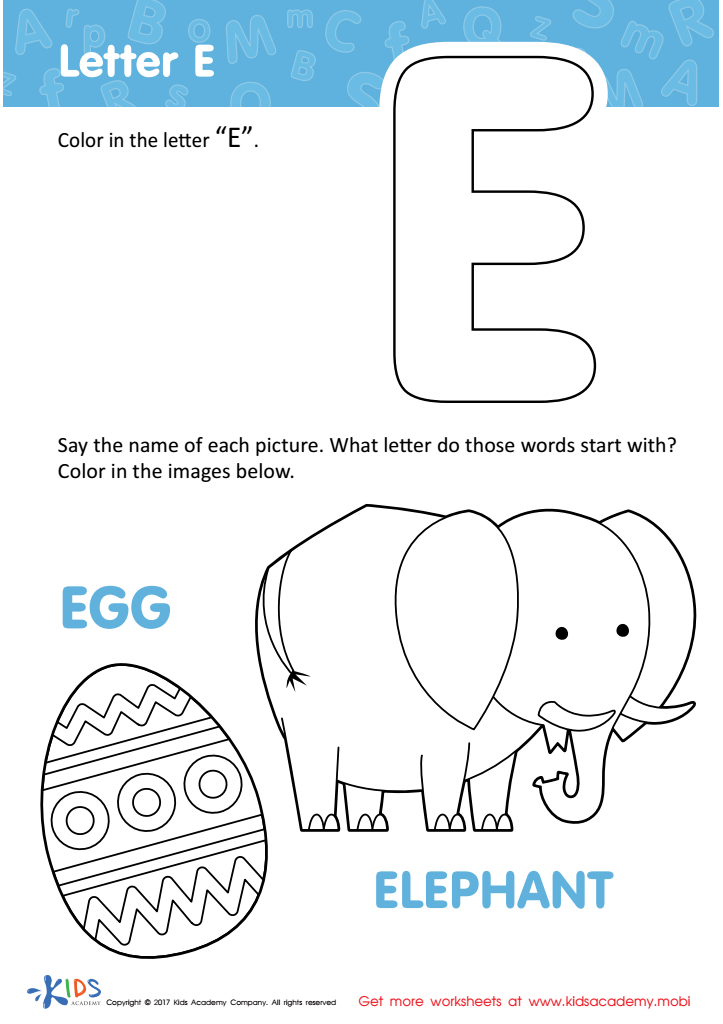
Letter E Coloring Sheet
 Assign to My Students
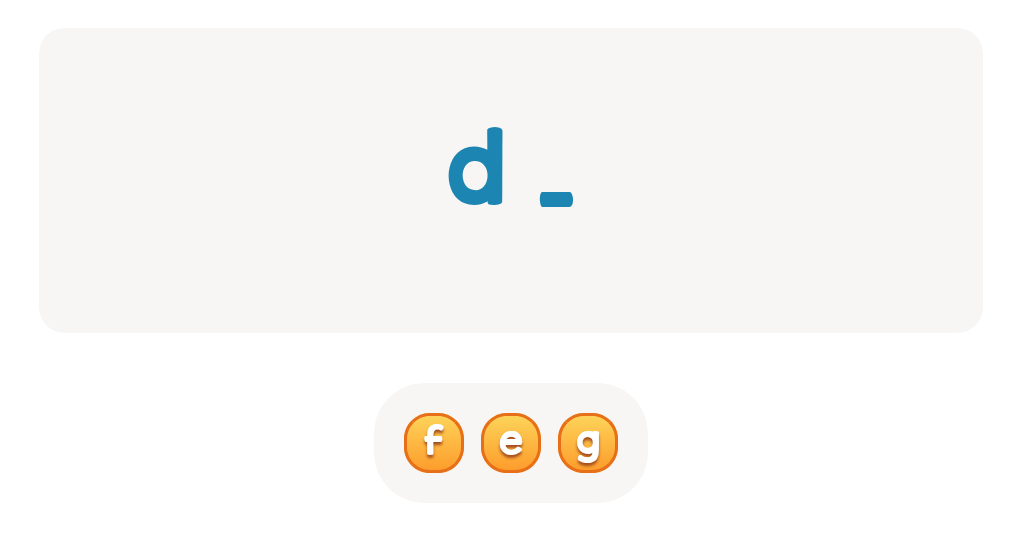

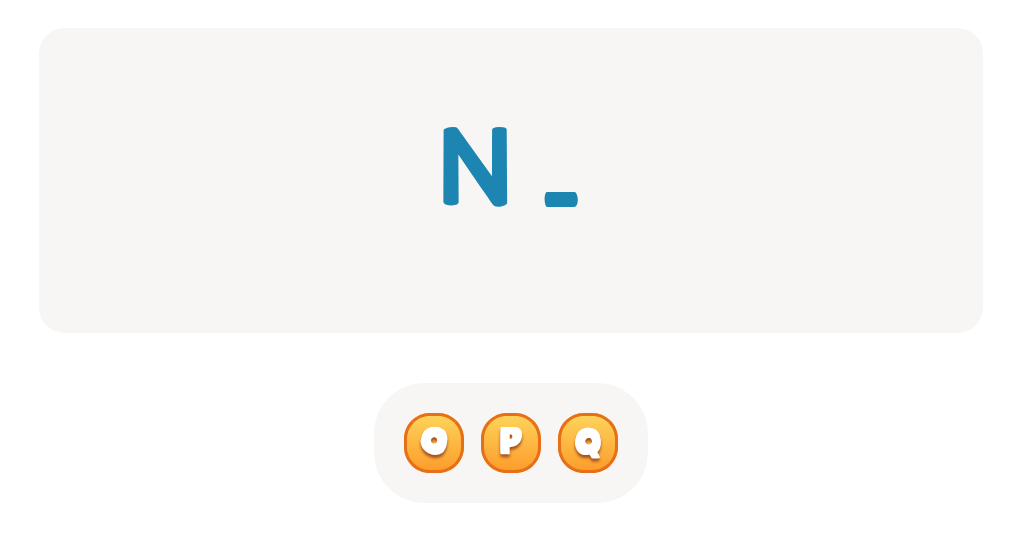
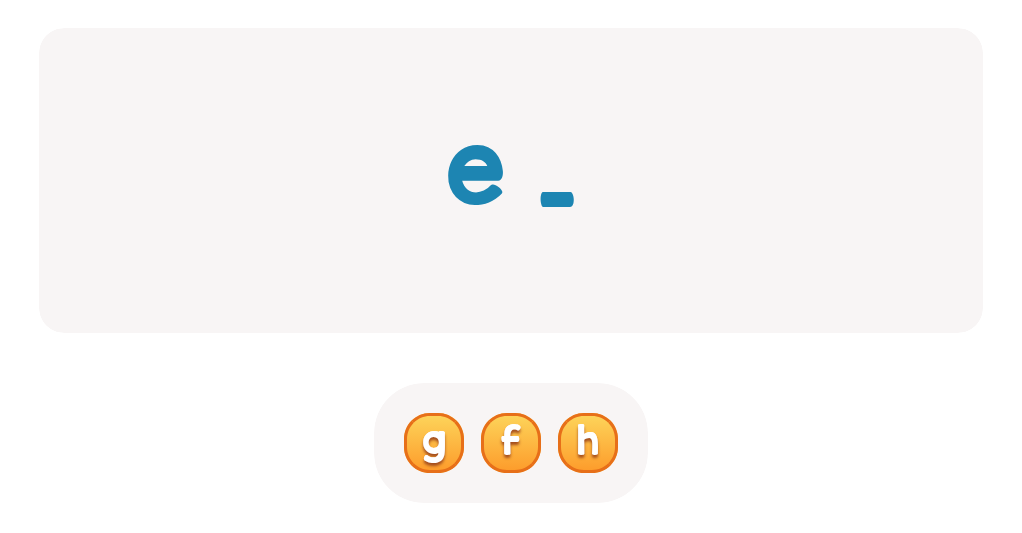

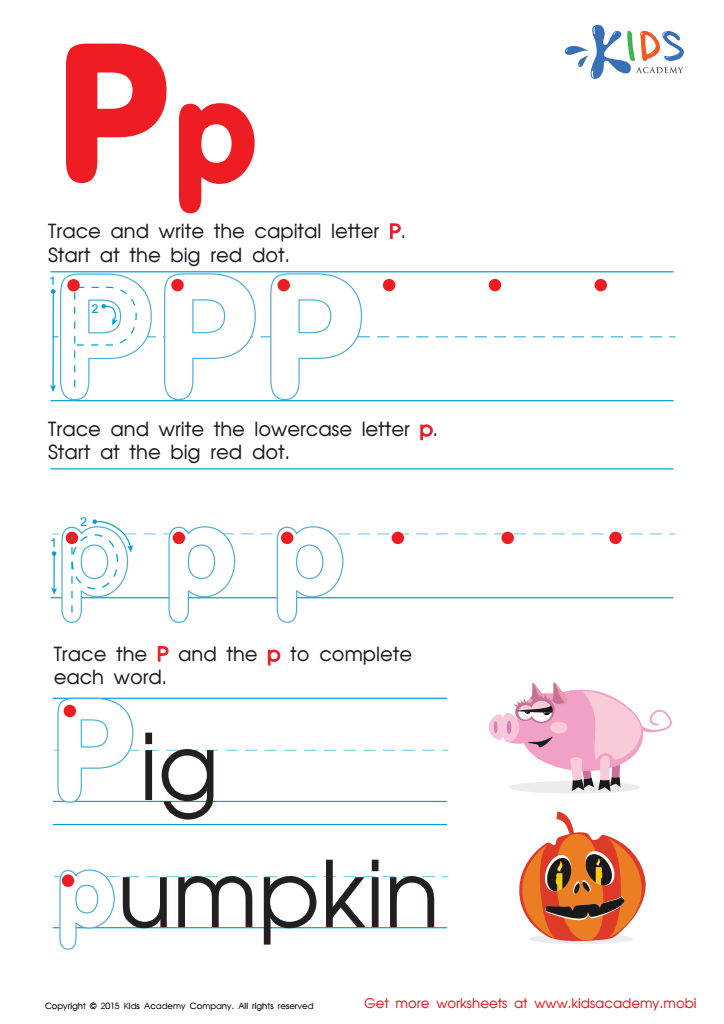
Letter P Tracing Page
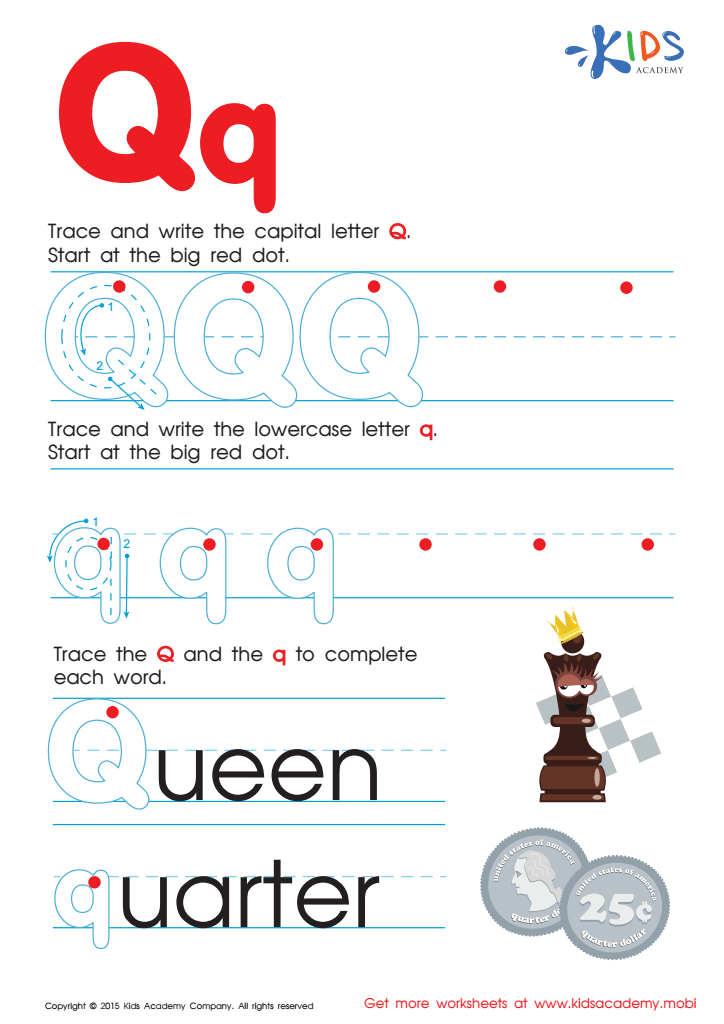
Letter Q Tracing Page

Letter H Tracing Page
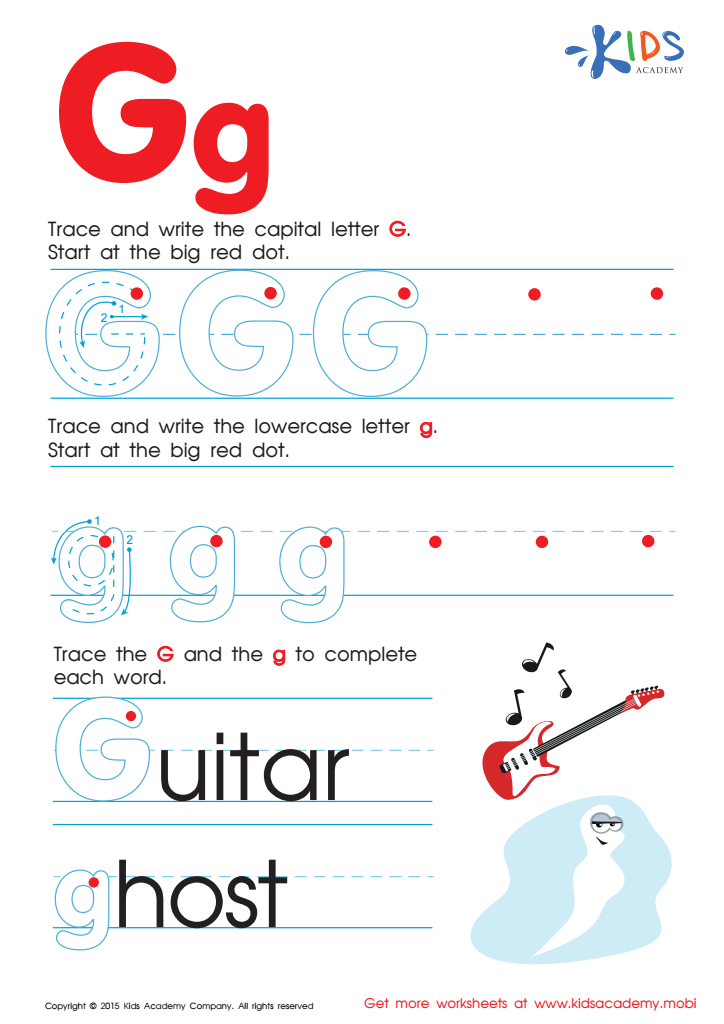
Letter G Tracing Page
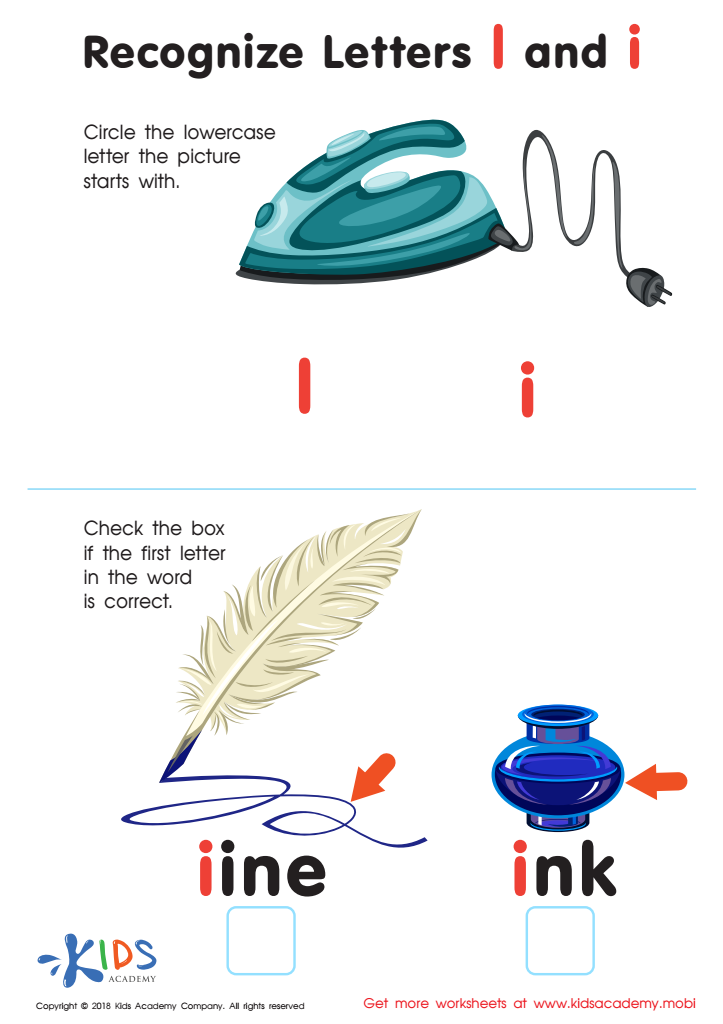
Recognize Letters l and i Worksheet
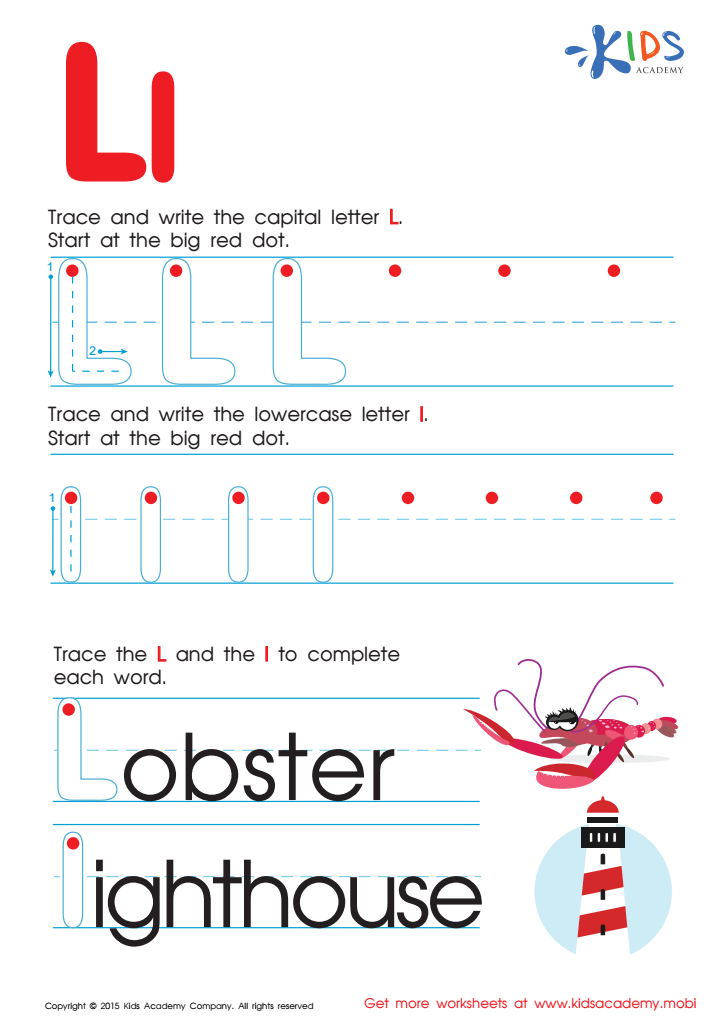
Letter L Tracing Page
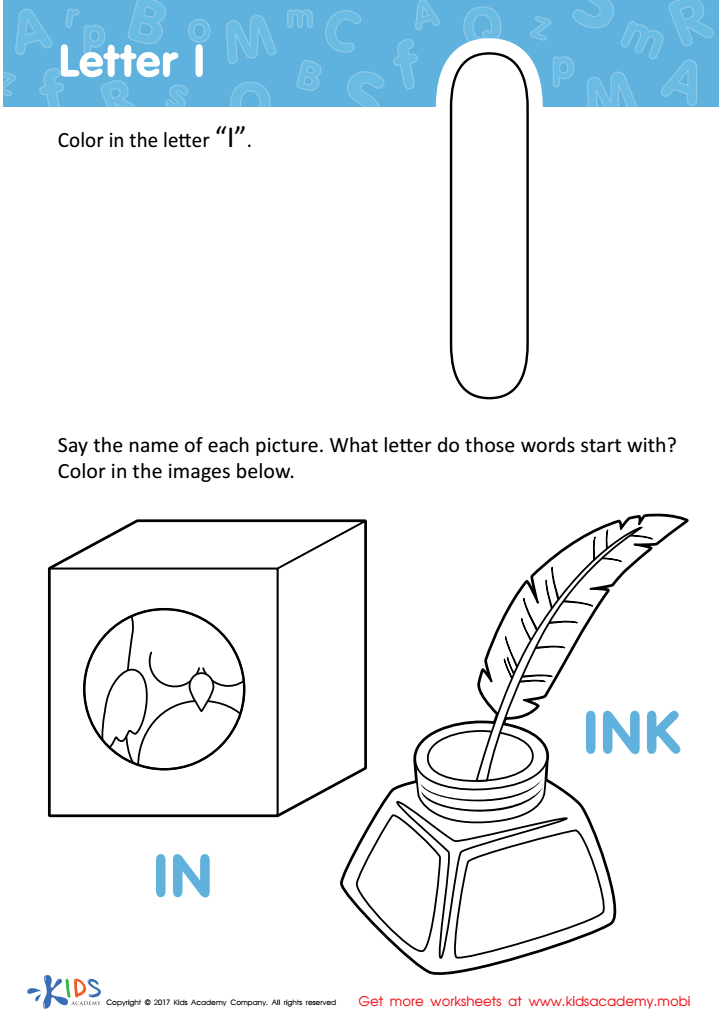
Letter I Coloring Sheet
Assign to My Students
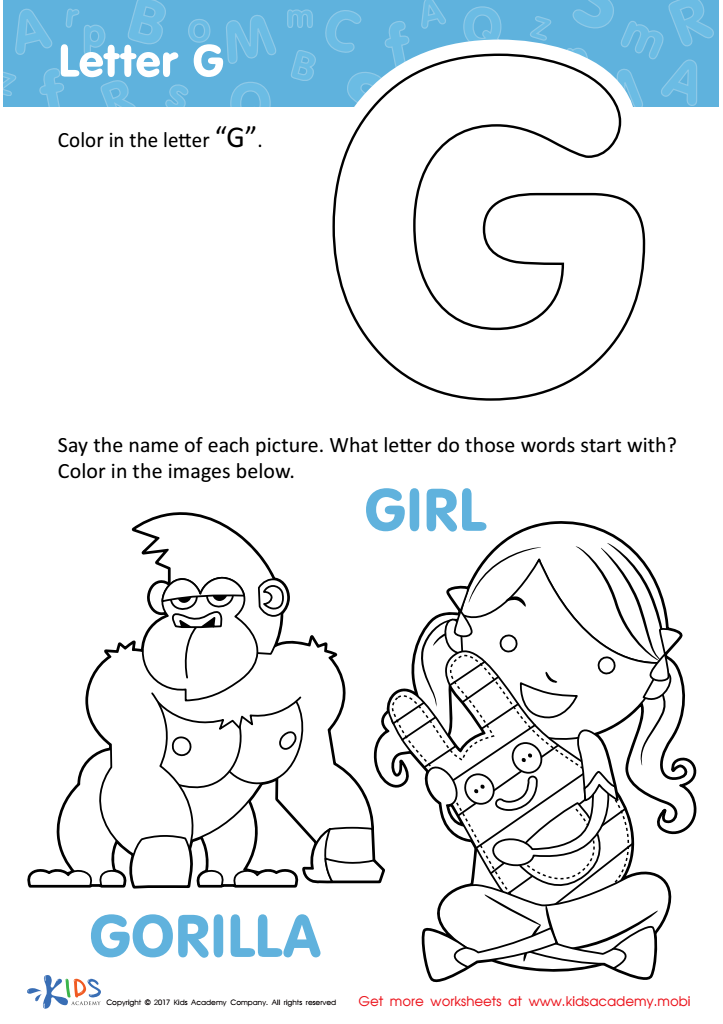
Letter G Coloring Sheet
Assign to My Students
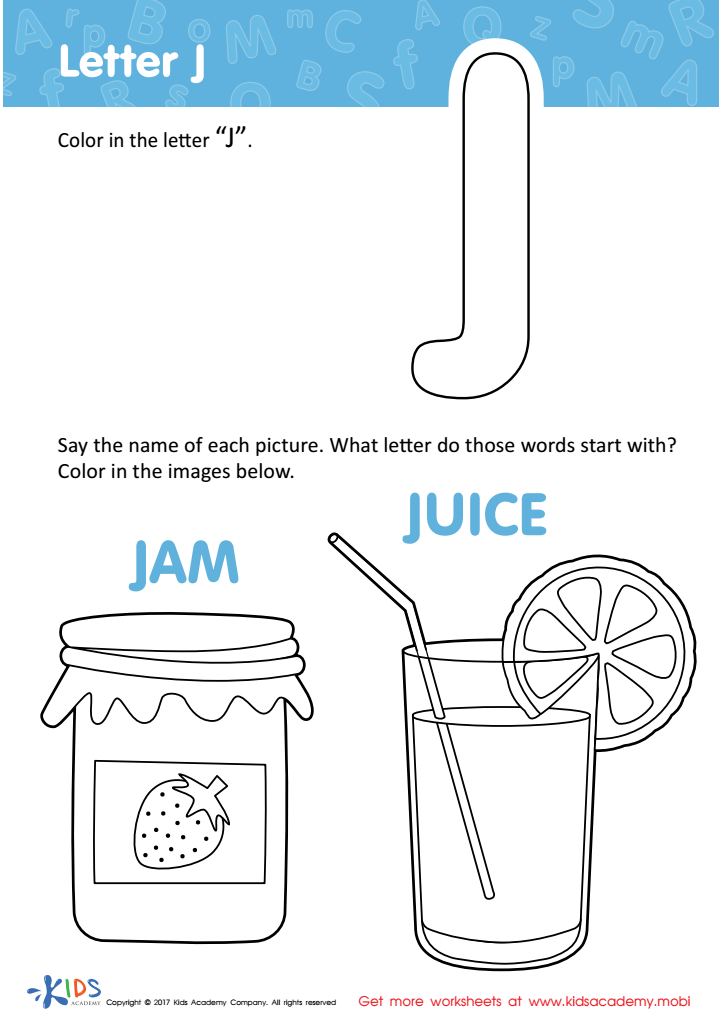
Letter J Coloring Sheet
Assign to My Students
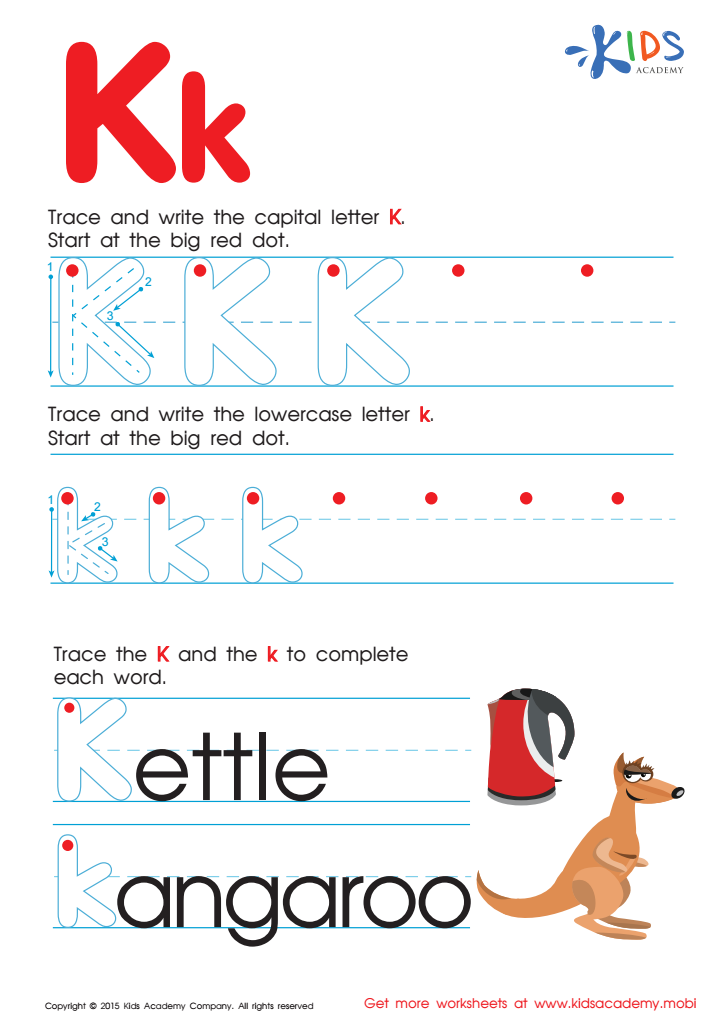
Letter K Tracing Page
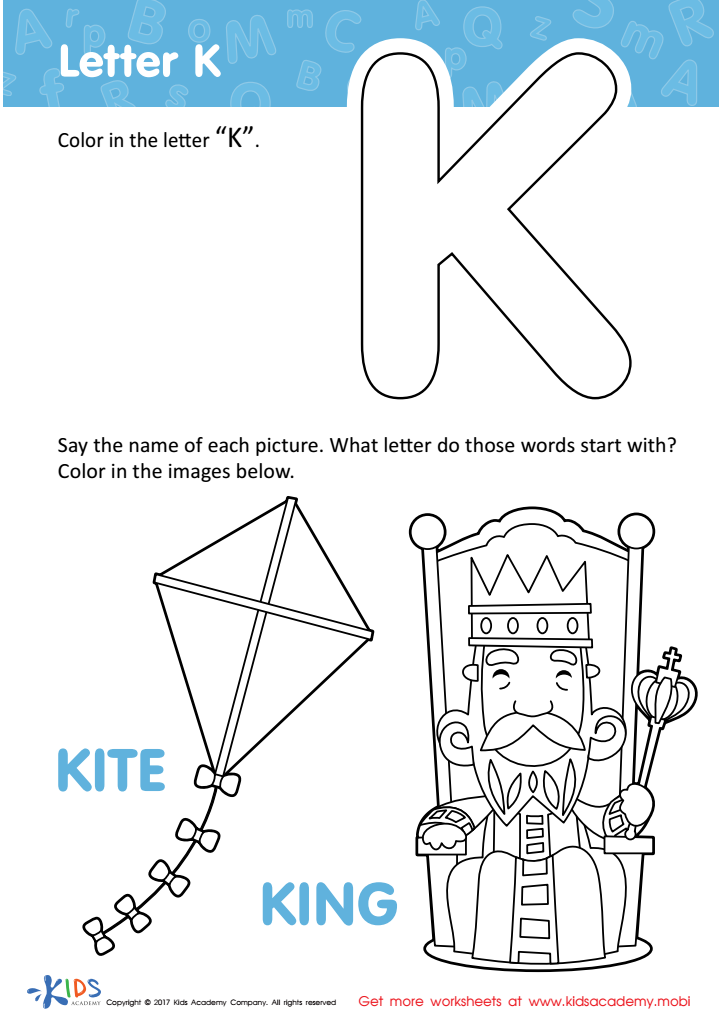
Letter K Coloring Sheet
Assign to My Students
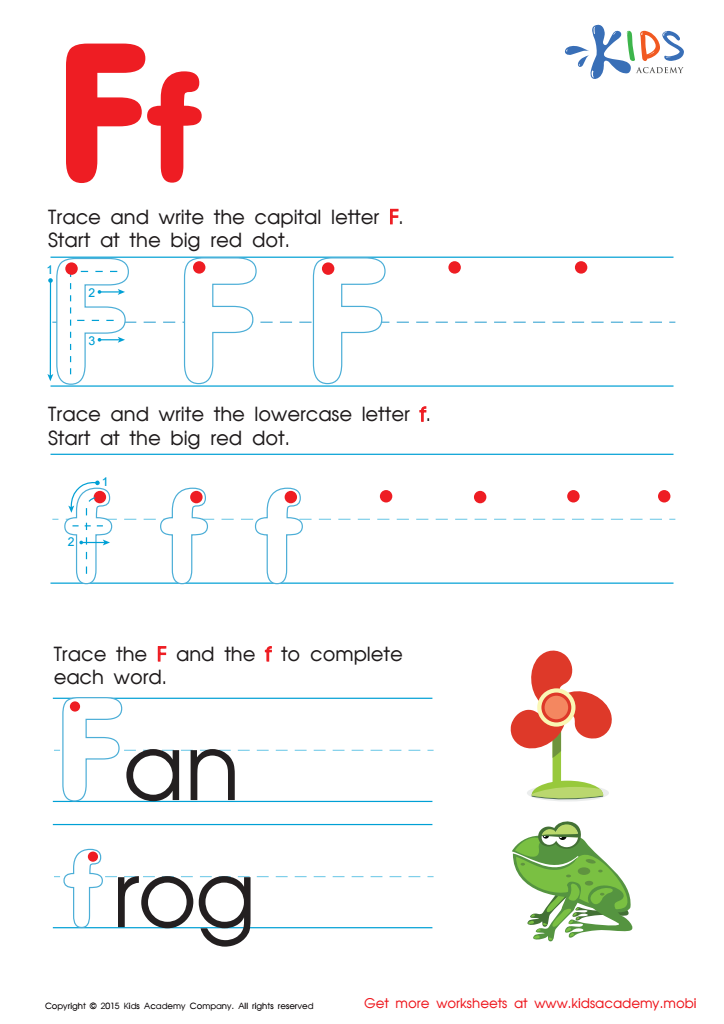
Letter F Tracing Page
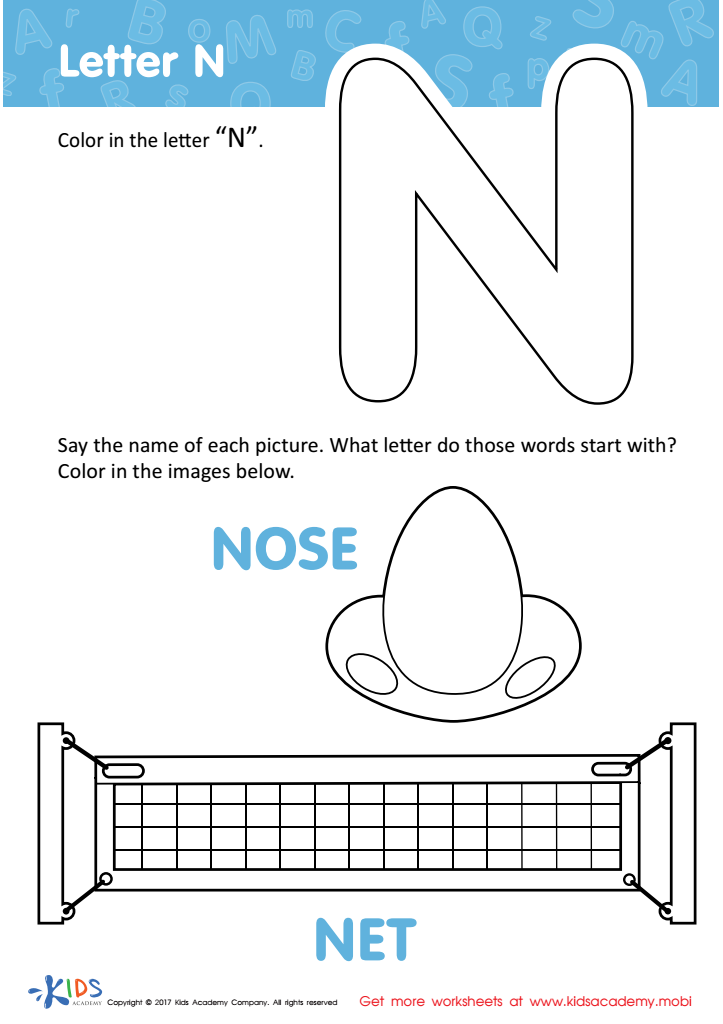
Letter N Coloring Sheet
Assign to My Students

Letter D Tracing Page
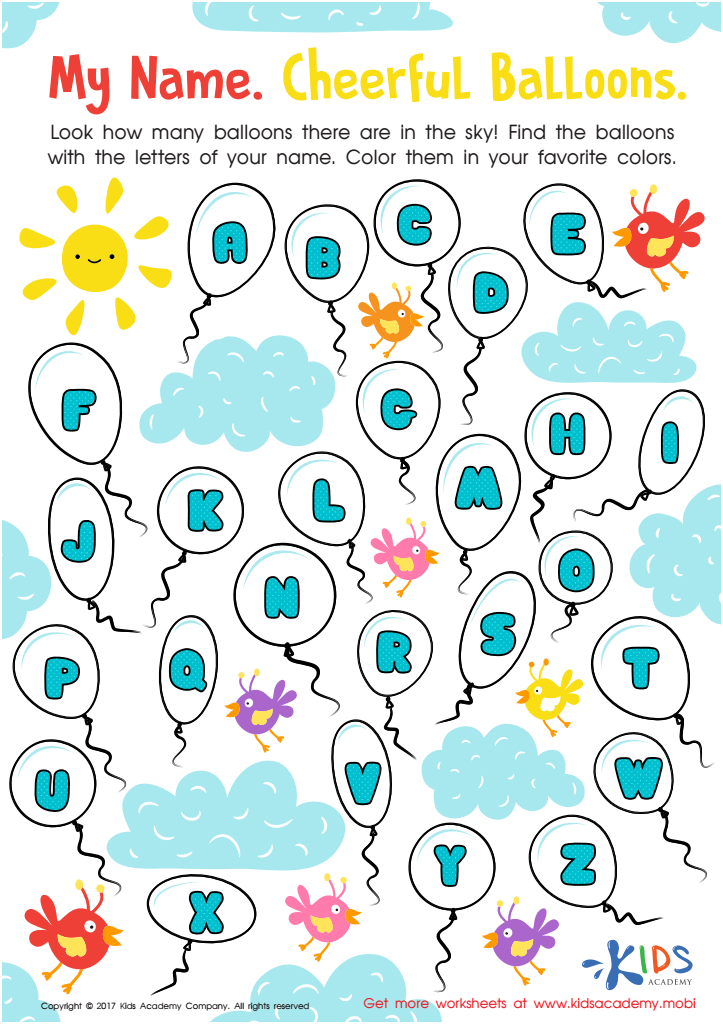
My Name: Cheerful Balloons Worksheet
Assign to My Students








Parents and teachers play a critical role in a child's early education, and fostering letter recognition in 4-year-olds lays the foundation for their literacy development. At this pivotal age, learning to recognize normal ABC letters enhances several core cognitive and pre-reading skills. First, letter recognition is a key predictor of future reading success; children who can identify letters are more likely to understand that letters combine to form words and that words carry specific meanings. This basic skill substantially aids their ability to decode and read text as they grow older.
Additionally, early mastery of letter shapes and names contributes to a child's phonemic awareness—the understanding that words are made up of individual sounds. When children can link sounds to their corresponding letters, it supports their spelling and writing capabilities, making future academic learning more accessible.
Engaging children with letter recognition activities also sharpens their fine motor skills, especially through exercises like tracing or writing letters. These early activities not only develop hand-eye coordination but also prepare children for more complex tasks.
Parents and teachers who invest in letter recognition exercises help children build confidence and a love for learning, setting a strong foundation for their continued academic journey. Therefore, attention to this critical skill supports a child’s overall educational development and long-term academic success.







