Letter recognition Normal Elementary Phonics Worksheets for 4-Year-Olds
3 filtered results
-
From - To
Unlock the joy of learning with our Letter Recognition Normal Elementary Phonics Worksheets designed specifically for 4-year-olds! These engaging worksheets help young learners identify and familiarize themselves with letters in a fun and interactive way. Each activity is tailored to enhance phonics skills and boost comprehension, ensuring a solid foundation for reading. From colorful illustrations to creative exercises, our worksheets make learning the alphabet exciting and effective. Promoting early literacy, these resources are perfect for classroom settings or at-home practice. Start your child's journey towards reading readiness today with our captivating phonics worksheets that nurture curiosity and confidence in letter recognition!
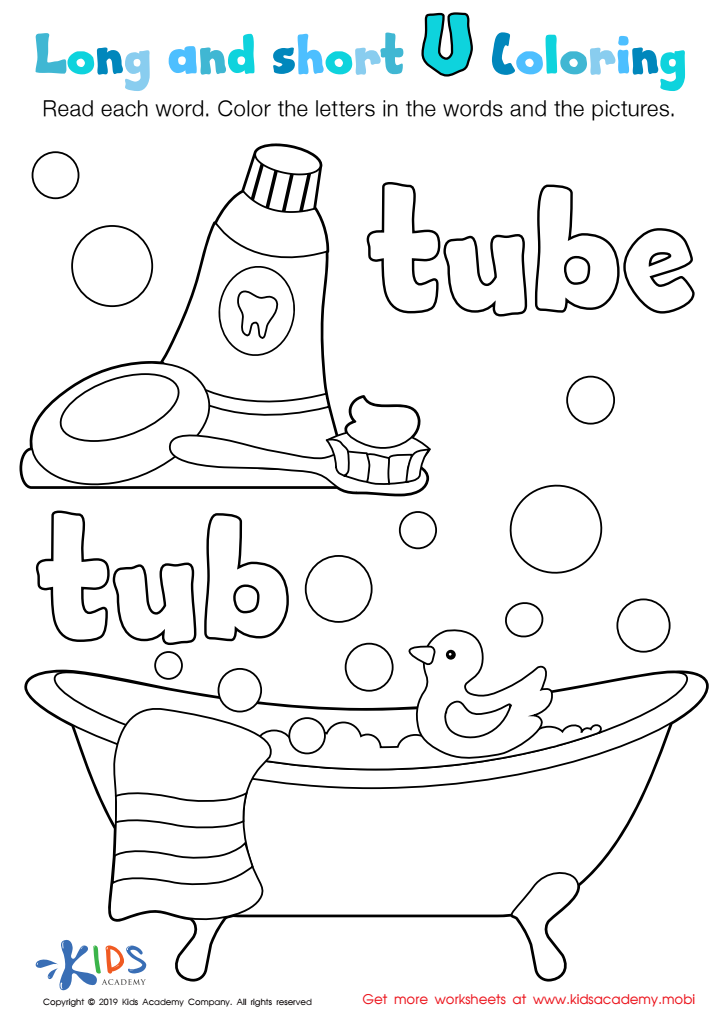
Long and Short U Worksheet
 Assign to My Students

Long and Short E Worksheet
Assign to My Students
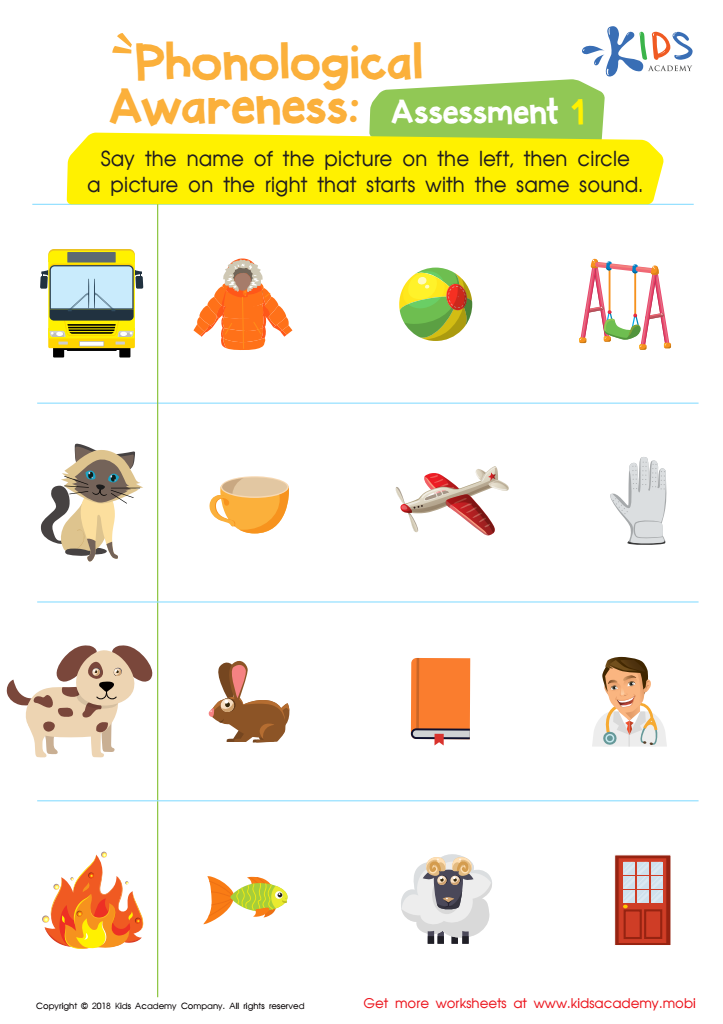
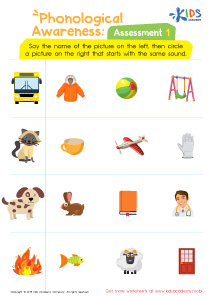
Phonological Awareness: Assessment 1 Worksheet




Letter recognition is a foundational skill critical to early literacy development for children, especially for 4-year-olds beginning their educational journey. Teachers and parents should care about Normal Elementary Phonics programs focusing on letter recognition because these programs provide structured approaches to helping children identify and understand the sounds and shapes of letters, an essential precursor to reading.
Mastery of letter recognition lays the groundwork for phonemic awareness, spelling, and reading fluency. When children can recognize letters and associate them with their corresponding sounds, they are better equipped to decode words, which boosts their confidence and motivation to read. This skill is particularly crucial in nurturing a love for reading, ultimately influencing academic success across subjects and grades.
Moreover, letter recognition enhances cognitive development, fine motor skills, and critical thinking as children engage in various activities that promote learning. Parents and teachers who prioritize phonics and letter recognition contribute significantly to a child’s self-esteem and adaptability in future learning environments. In essence, focusing on such early literacy skills paves the way for long-term educational achievement and lifelong learning habits, making it an essential concern for both parents and educators.