Letter recognition Normal Alphabet Worksheets for 4-Year-Olds - Page 3
57 filtered results
-
From - To
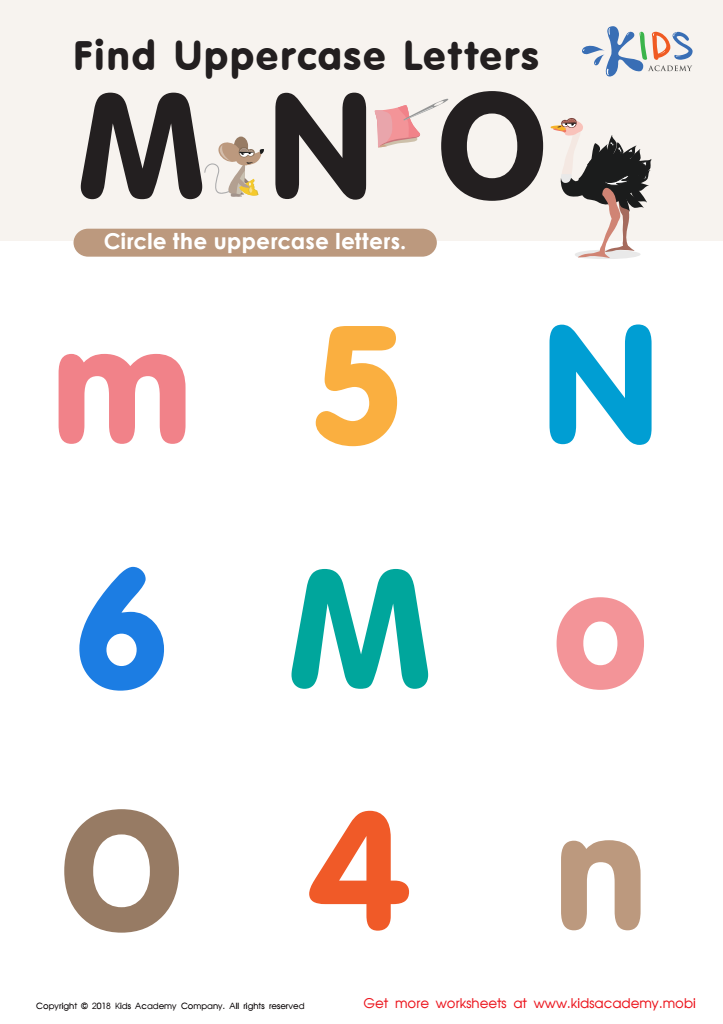
Find Uppercase Letters M, N, and O Worksheet

Long and Short E Worksheet
 Assign to My Students
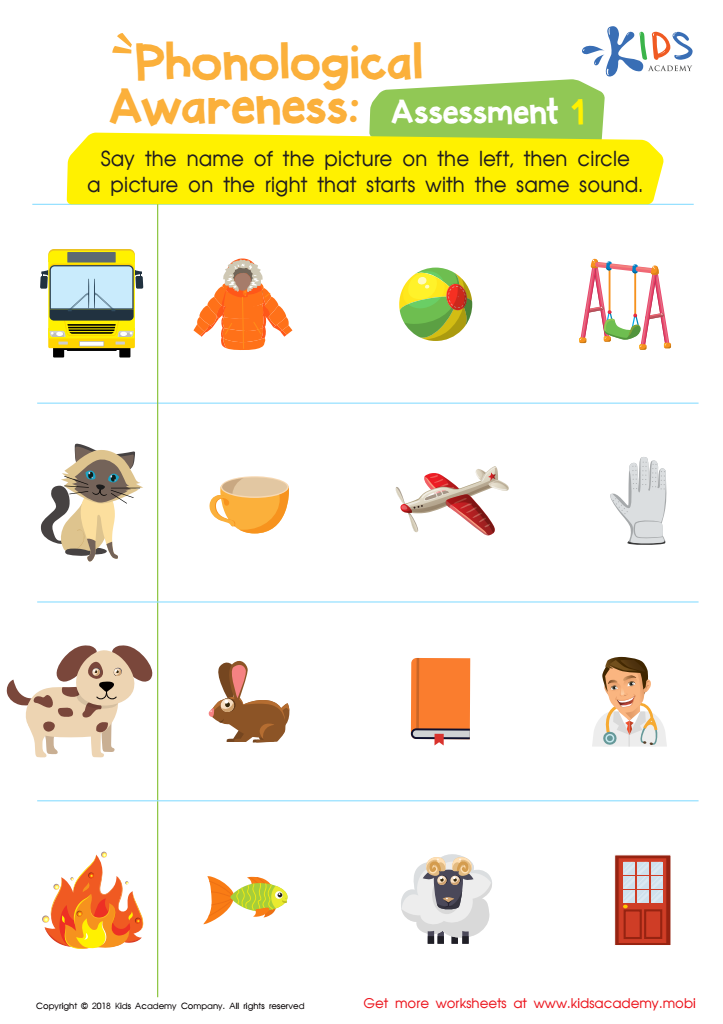
Phonological Awareness: Assessment 1 Worksheet
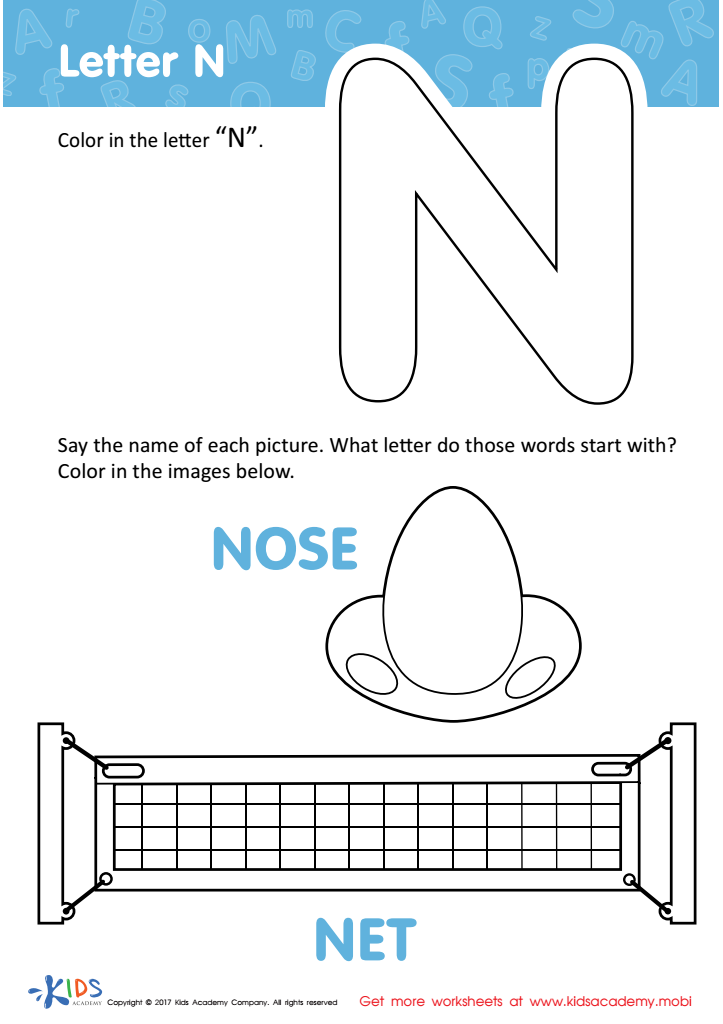
Letter N Coloring Sheet
Assign to My Students

Letter D Tracing Page
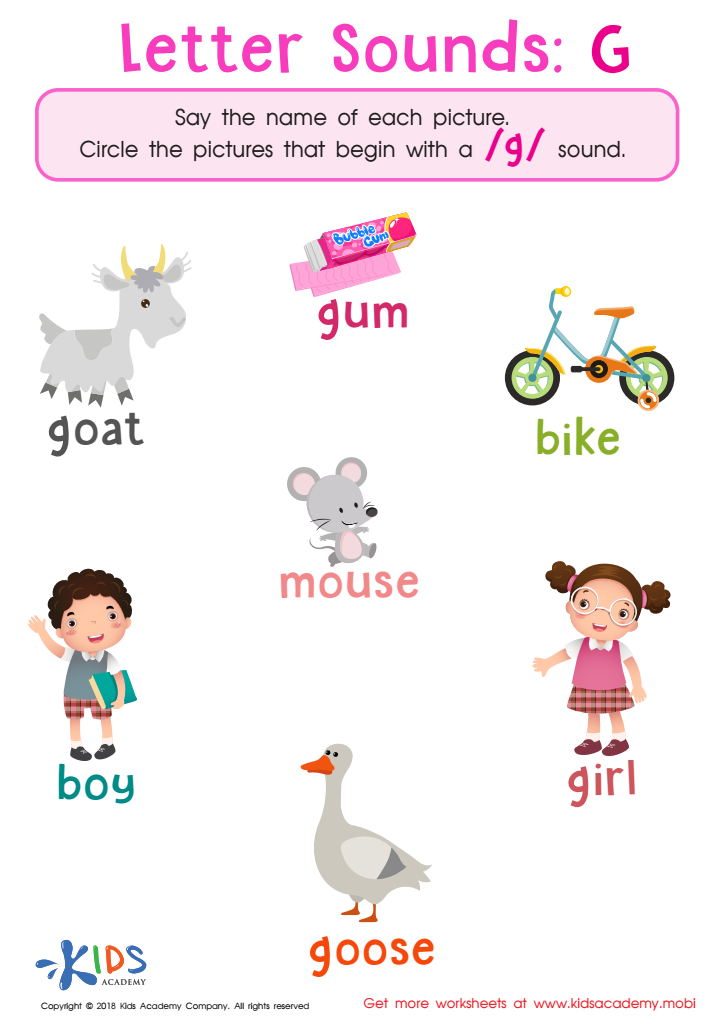
Letter G Sounds Worksheet
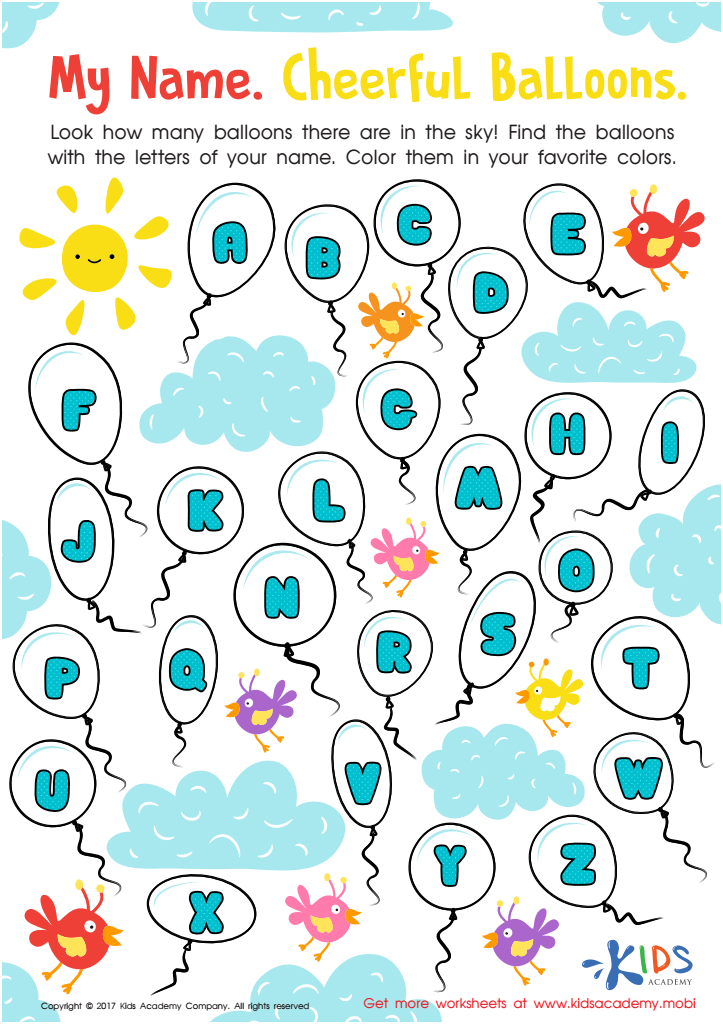
My Name: Cheerful Balloons Worksheet
Assign to My Students
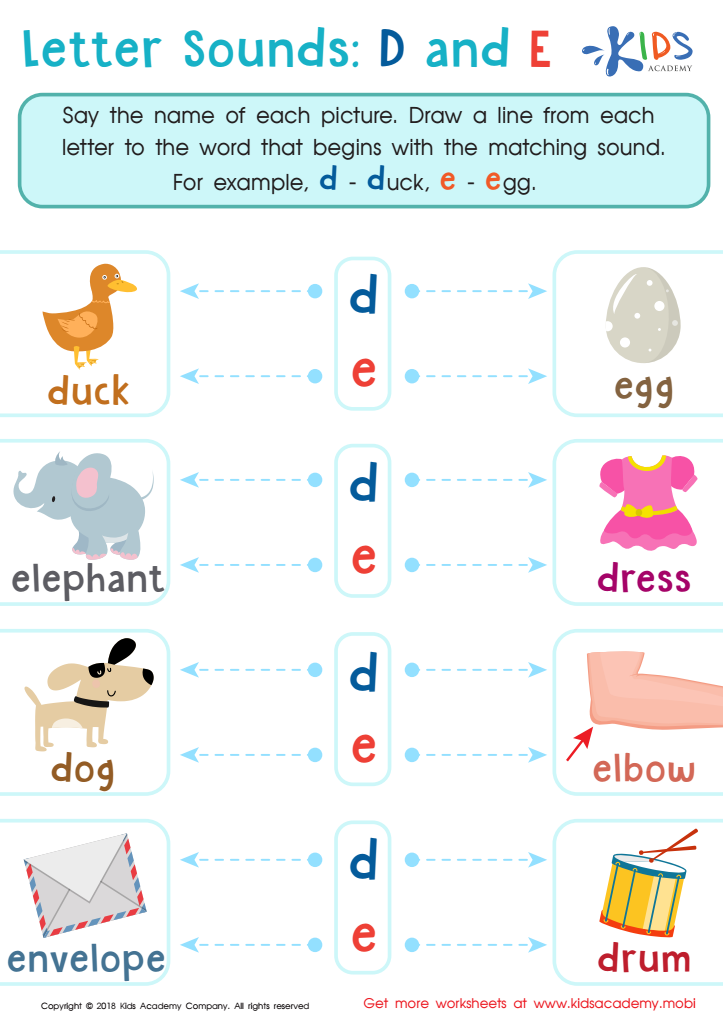
Letter D and E Sounds Worksheet
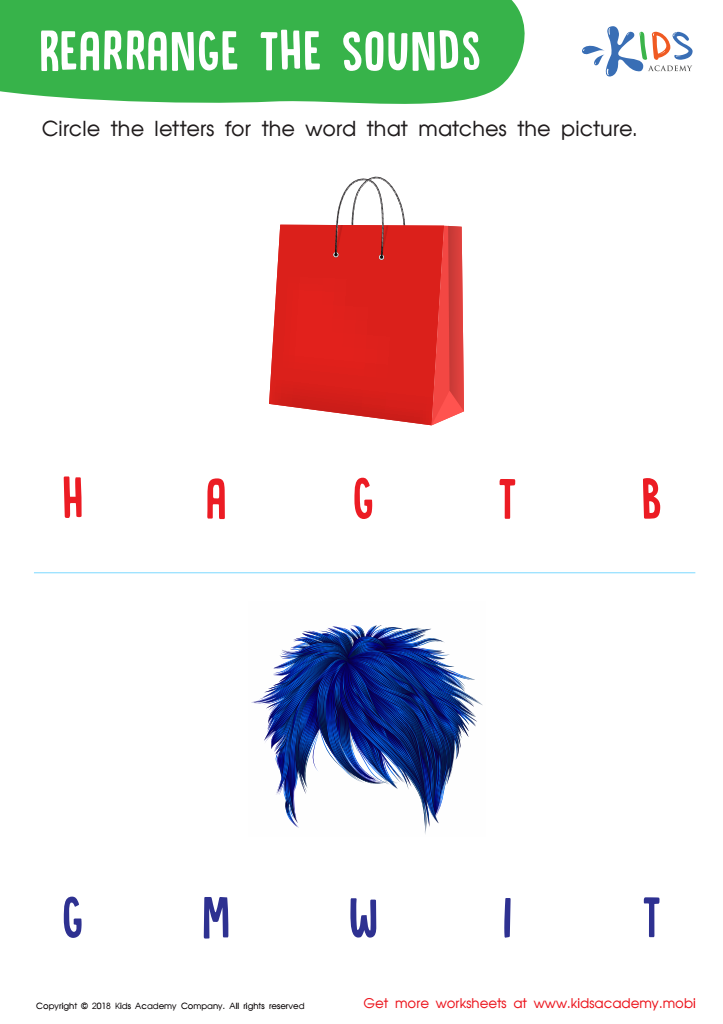
Rearrange the Sounds Worksheet






Letter recognition is a fundamental milestone in early childhood education because it serves as the foundation for learning to read and write. For 4-year-olds, mastering the normal alphabet is a crucial step that supports their cognitive and language development.
Firstly, recognizing letters helps children understand that written words are composed of individual symbols, which aids phonemic awareness—the ability to hear, identify, and manipulate phonemes. This skill is essential for decoding words, a critical reading skill.
Secondly, letter recognition enhances children's vocabulary. When they can identify and name letters, they can also start to recognize words and store them in memory, which expands their vocabulary and improves communication skills.
Furthermore, having a solid grasp of the alphabet supports fine motor skills development necessary for writing. As children practice forming letters through writing and drawing, they improve their hand-eye coordination and dexterity.
Parental and teacher involvement in this process is vital. Adults can provide enriching letter-based activities, offer positive reinforcement, and tailor learning experiences to each child's pace and interest levels. Introducing letters in an engaging, playful manner can stimulate curiosity and a love for learning, setting a strong academic foundation that will benefit children throughout their entire educational journey. Therefore, focusing on letter recognition early on is a crucial step in supporting a child’s long-term academic success.







