Problem-Solving Skills Normal Alphabet Worksheets for 4-Year-Olds
3 filtered results
-
From - To
Enhance your child's problem-solving skills with our engaging Normal Alphabet Worksheets designed specifically for 4-year-olds! These fun and interactive worksheets incorporate letters of the alphabet while promoting critical thinking and analytical abilities. Each activity challenges young learners to think creatively and find solutions through captivating puzzles and exercises, making learning enjoyable and effective. As children explore letter recognition and problem-solving techniques, they build essential skills for future academic success. Ideal for at-home learning or classroom activities, our worksheets provide an excellent foundation for your child's educational journey. Download these resources today and foster a love for learning in your little one!
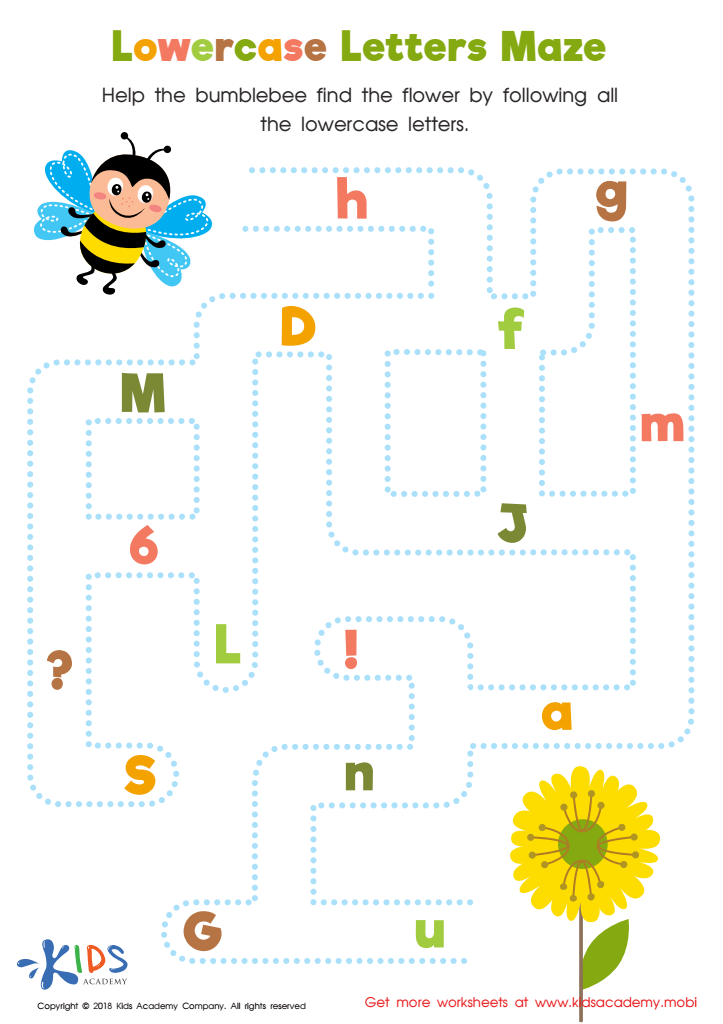
Lowercase Letters Maze Worksheet
 Assign to My Students
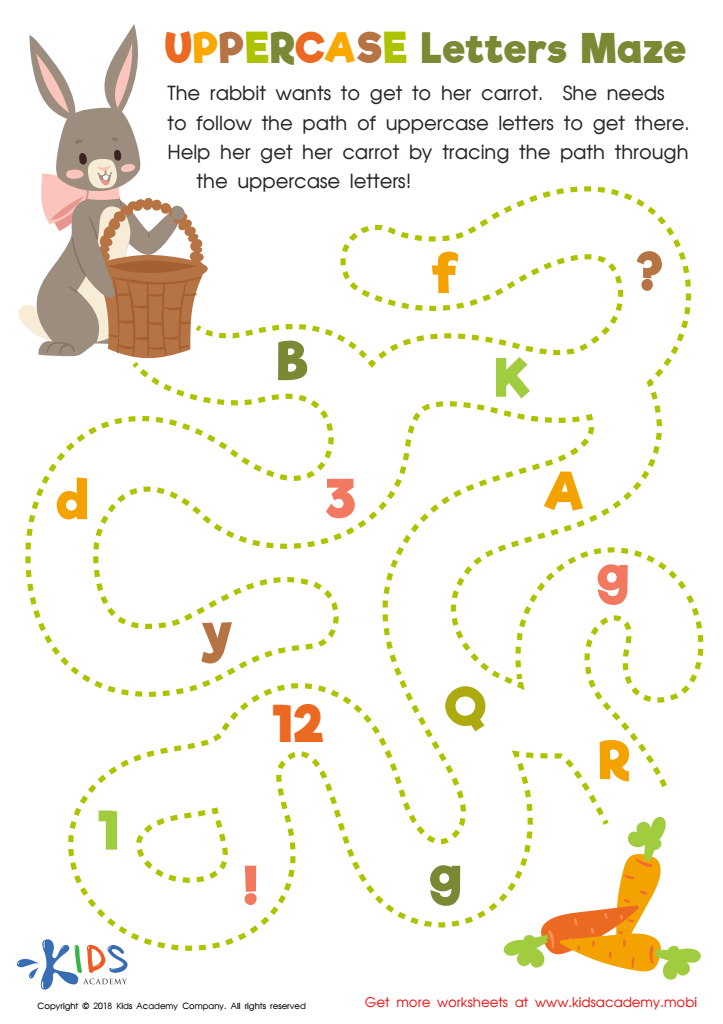
Uppercase Letters Maze Worksheet
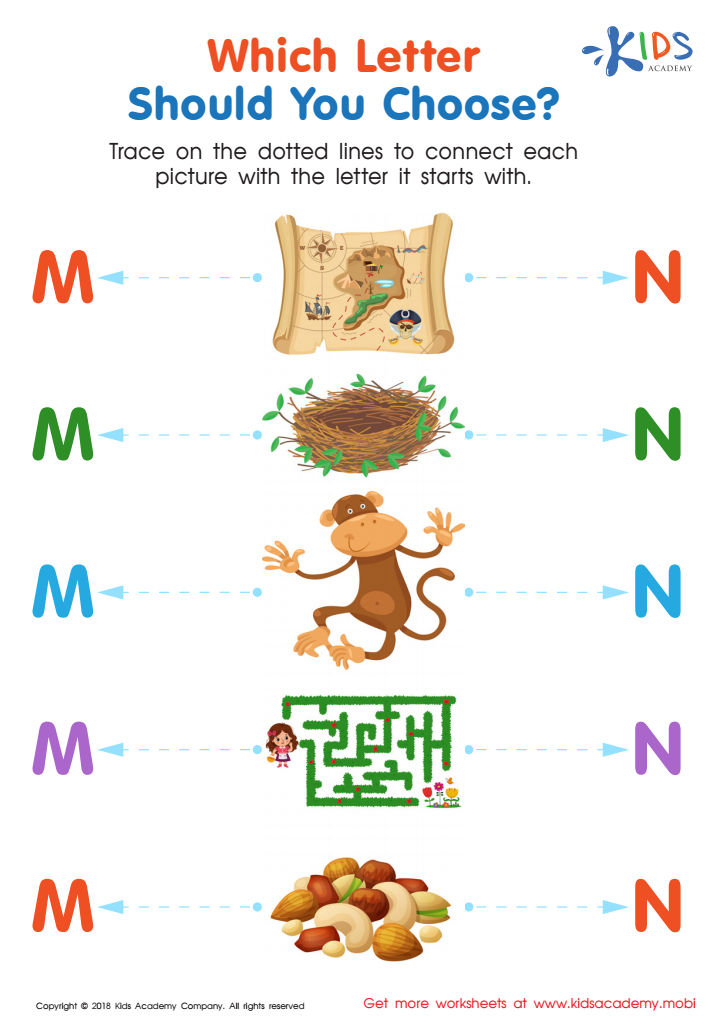
Which Letter Should you Choose? Worksheet







Parents and teachers should prioritize problem-solving skills for 4-year-olds because these abilities lay the foundation for lifelong learning and emotional intelligence. At this age, children are naturally curious and often encounter challenges that inspire creative thinking. By fostering problem-solving skills, caregivers encourage kids to explore various solutions, which not only enhances cognitive development but also builds self-confidence in their ability to tackle new situations.
At 4 years old, children begin to develop critical thinking, and engaging them in problem-solving helps refine these skills. Through guided play, discussions, and activities like puzzles or building blocks, adults can nurture a child’s innate curiosity and resilience. This also extends to social interactions; kids learn to navigate conflicts with peers and negotiate solutions, promoting teamwork and collaboration.
Moreover, problem-solving lays the groundwork for academic success in school subjects, particularly math and science, where analytical thinking is crucial. Emotional aspects are essential, too. By learning to face obstacles, children develop coping strategies for frustration, leading to improved emotional regulation. Ultimately, investing in problem-solving skills at this young age equips children with essential tools they will carry throughout their educational journey and future lives, creating positive outcomes in various domains.







