Reading readiness Normal Alphabet Worksheets for 4-Year-Olds
4 filtered results
-
From - To
Our Reading Readiness Normal Alphabet Worksheets for 4-Year-Olds are designed to spark early literacy skills in your little learners. These engaging and colorful worksheets introduce children to letters and sounds, helping them build a solid foundation for reading. Each worksheet features fun activities that promote letter recognition, vocabulary development, and phonemic awareness. Perfect for use at home or in a classroom setting, these worksheets encourage hands-on learning while keeping kids motivated and excited about reading. Equip your child with essential skills for future success in literacy with our carefully crafted resources, tailored specifically for preschoolers. Start their reading journey today!
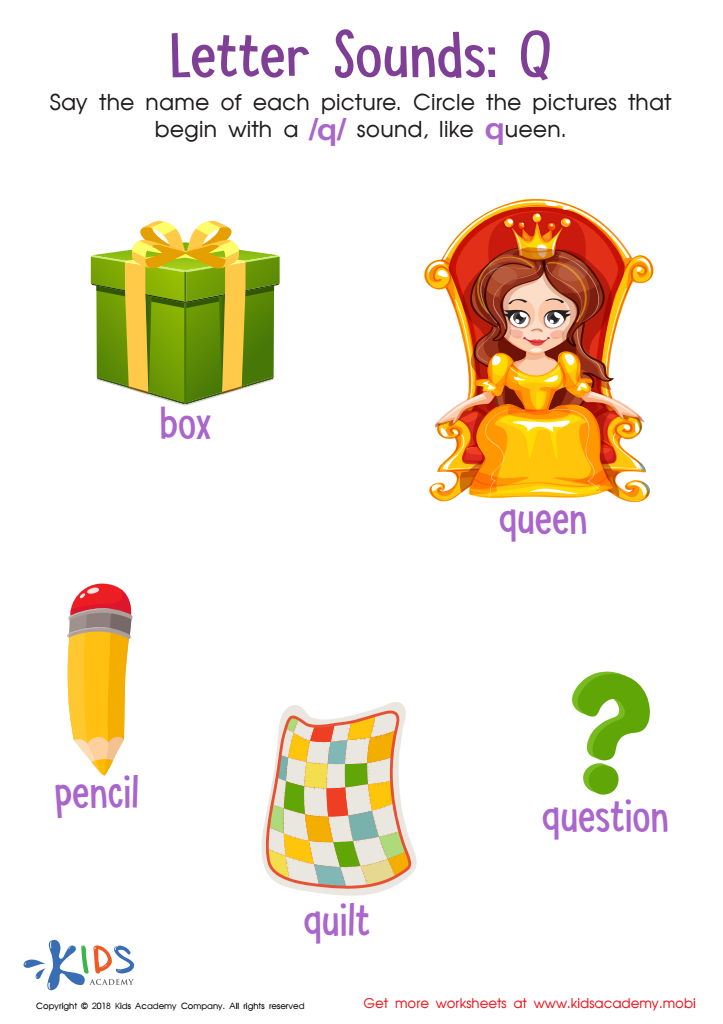
Letter Q Sounds Worksheet
 Assign to My Students
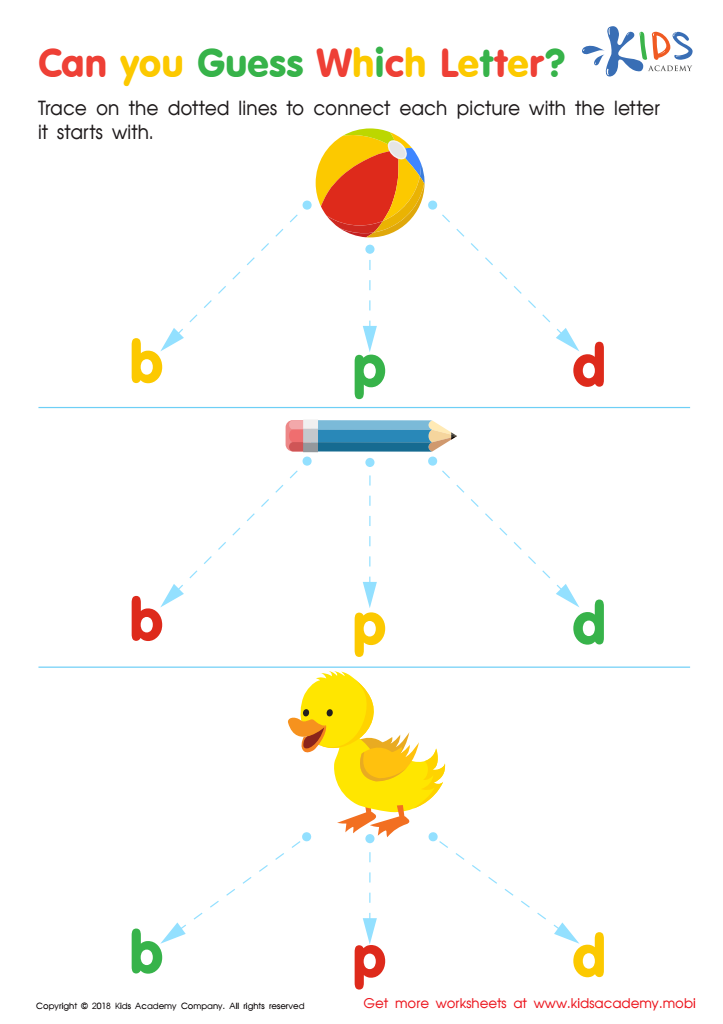
Can you Guess Which Letter? Worksheet
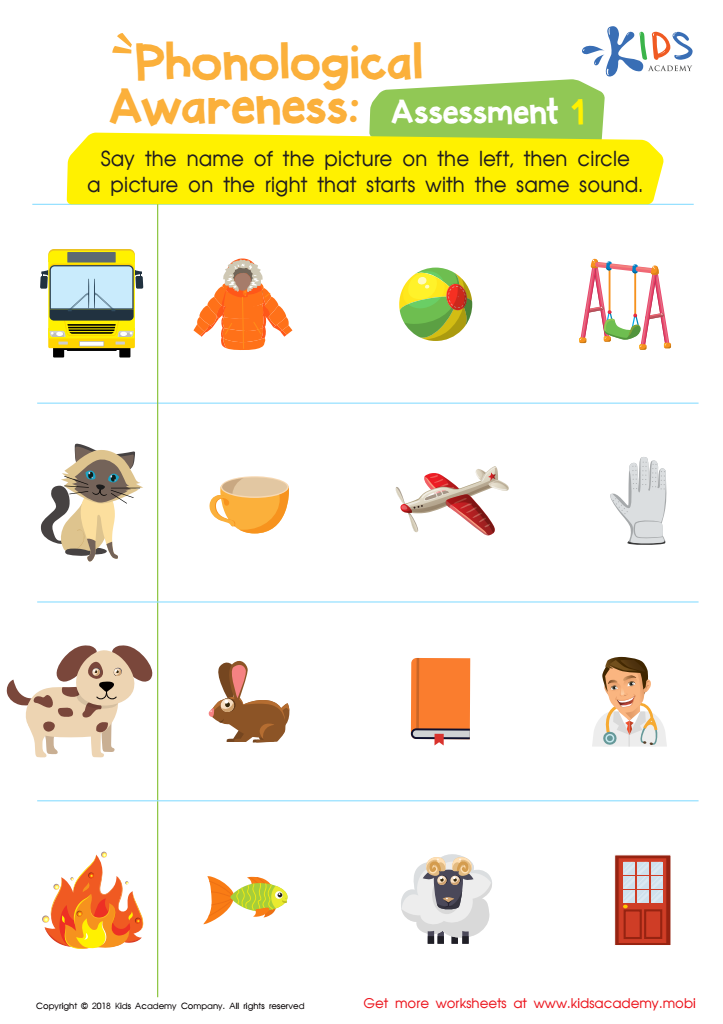
Phonological Awareness: Assessment 1 Worksheet
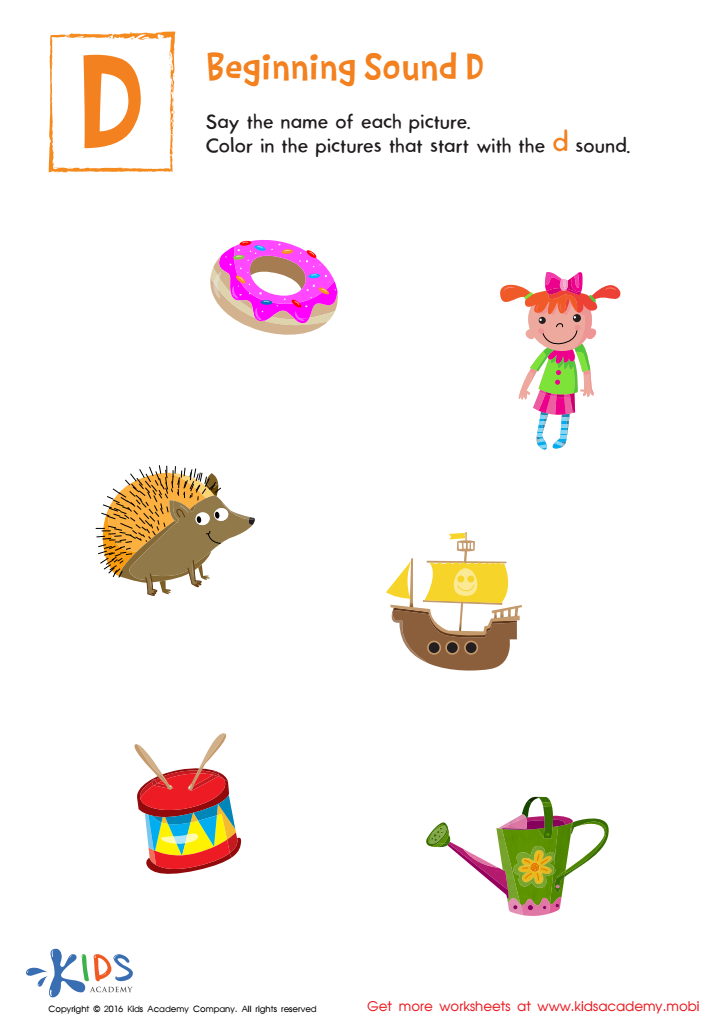
Beginning Sound D Worksheet




.jpg)



Reading readiness is a crucial milestone in a child's development and can significantly impact their future academic success. For 4-year-olds, familiarity with the Normal Alphabet is an essential foundation for literacy skills. Parents and teachers should care about reading readiness at this age because it paves the way for effective reading and writing.
When children are introduced to letters and their sounds early on, they develop phonemic awareness, which helps them understand how letters combine to form words. Recognizing the alphabet boosts their ability to sequence information, enhancing cognitive skills crucial for problem-solving. Additionally, children who engage in early reading practices often exhibit increased vocabulary and imaginative storytelling, promoting communication skills and confidence.
Moreover, 4-year-olds are naturally curious and eager to learn, making this an ideal time to foster a love for reading. Parents and teachers can cultivate this enthusiasm through interactive activities, games, and storytelling, bridging the gap between play and academics.
Ultimately, supporting reading readiness lays the groundwork for lifelong learning and literacy, enriching a child's educational journey and setting them up for success in school and beyond. By prioritizing this aspect of development, parents and educators can make a meaningful impact in children's lives.







