Vocabulary Building Normal Alphabet Worksheets for 4-Year-Olds
5 filtered results
-
From - To
Enhance your child's early literacy skills with our engaging Vocabulary Building Normal Alphabet Worksheets designed specifically for 4-year-olds. These worksheets combine fun and education, introducing young learners to new words while they practice letter recognition. Each activity encourages vocabulary expansion through matching, coloring, and tracing exercises based on everyday themes. Perfect for preschoolers, our resources aim to develop essential language skills in a playful, approachable manner. Alongside visual aids and stimulating tasks, children will build foundational vocabulary that supports their overall learning journey. Explore our collection today and foster a love for words in your little ones as they learn and play!
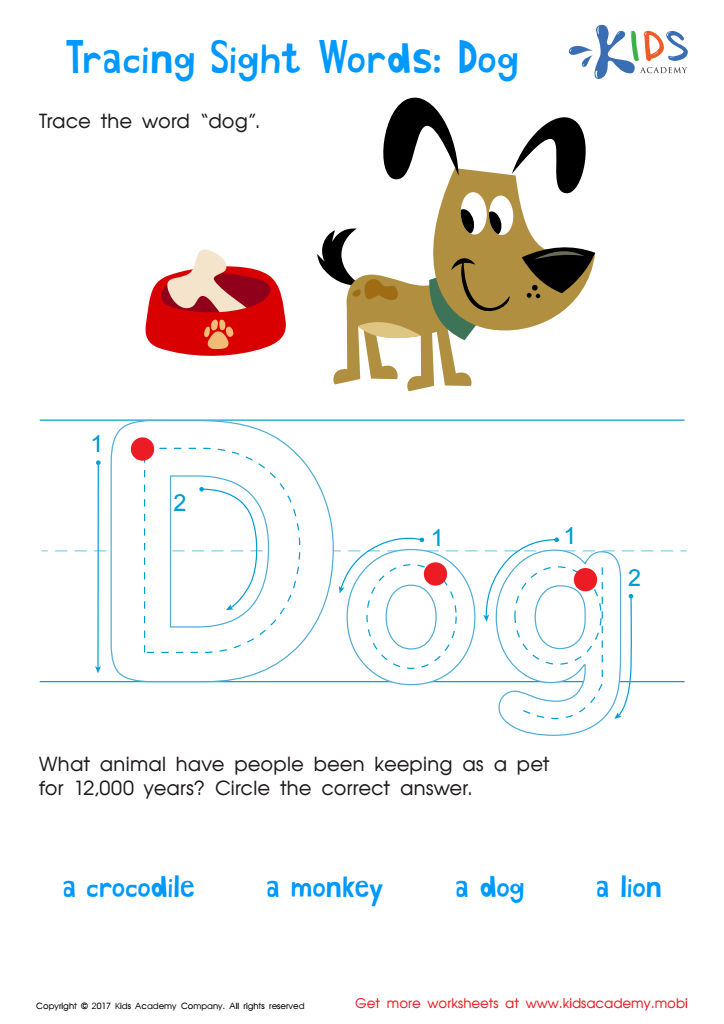
Dog Worksheet Sight Words Worksheet
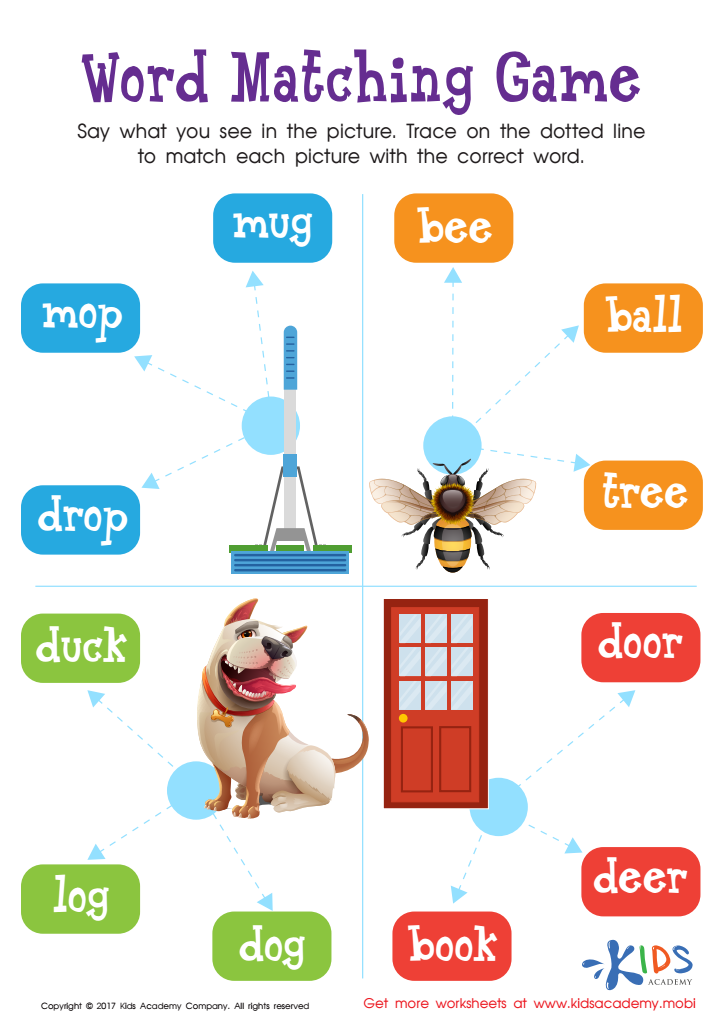
Word Matching Game Worksheet
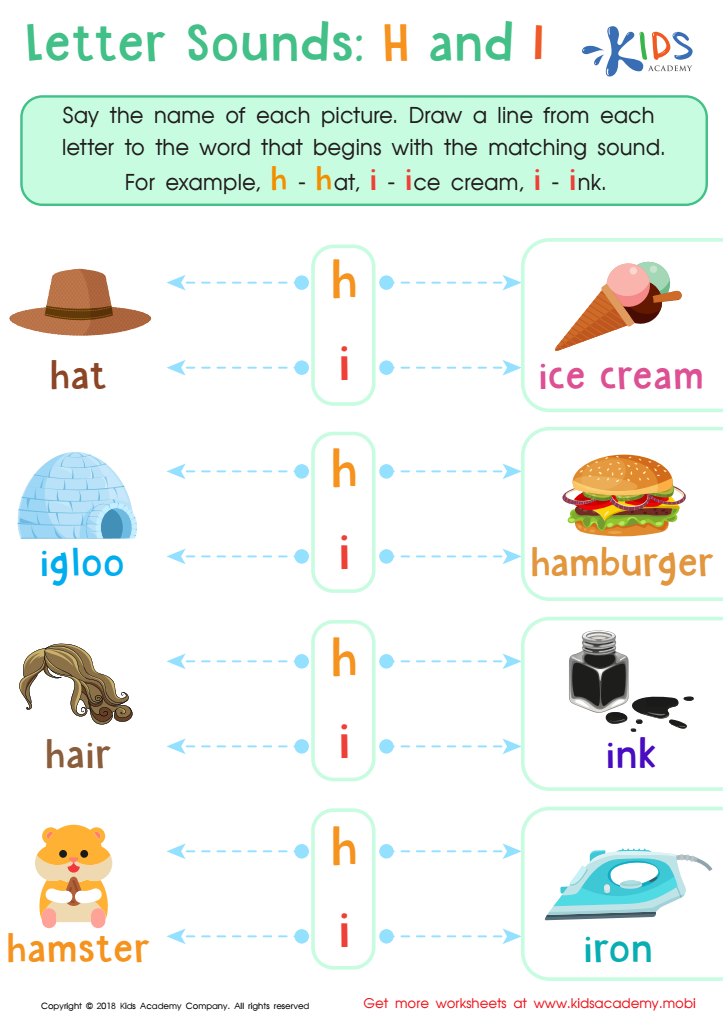
Letter H and I Sounds Worksheet
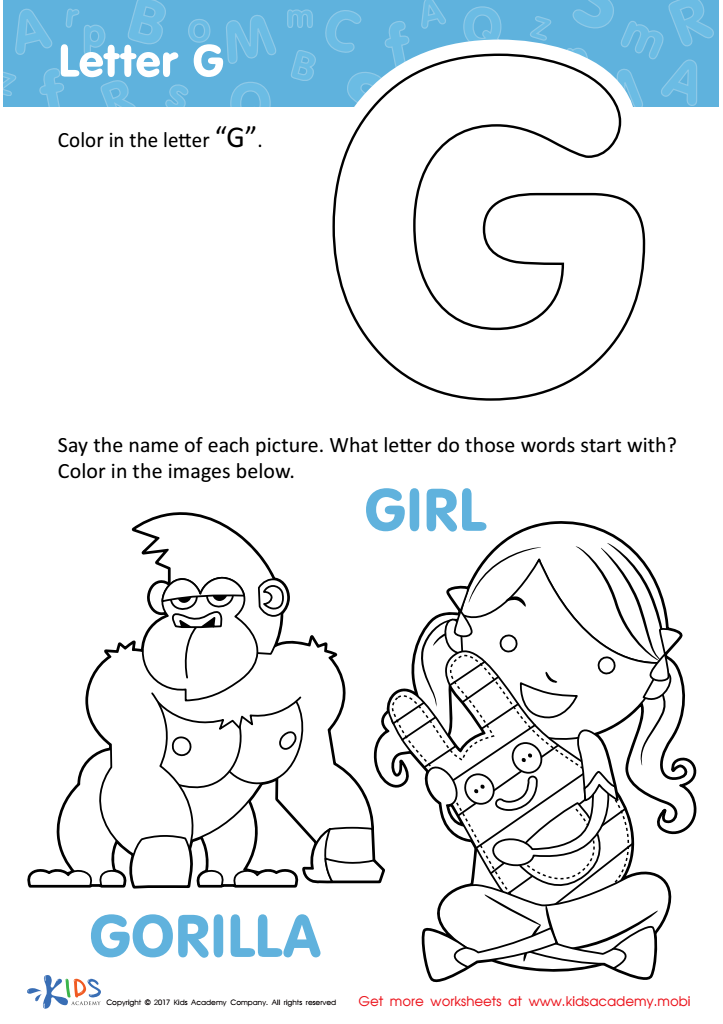
Letter G Coloring Sheet
 Assign to My Students
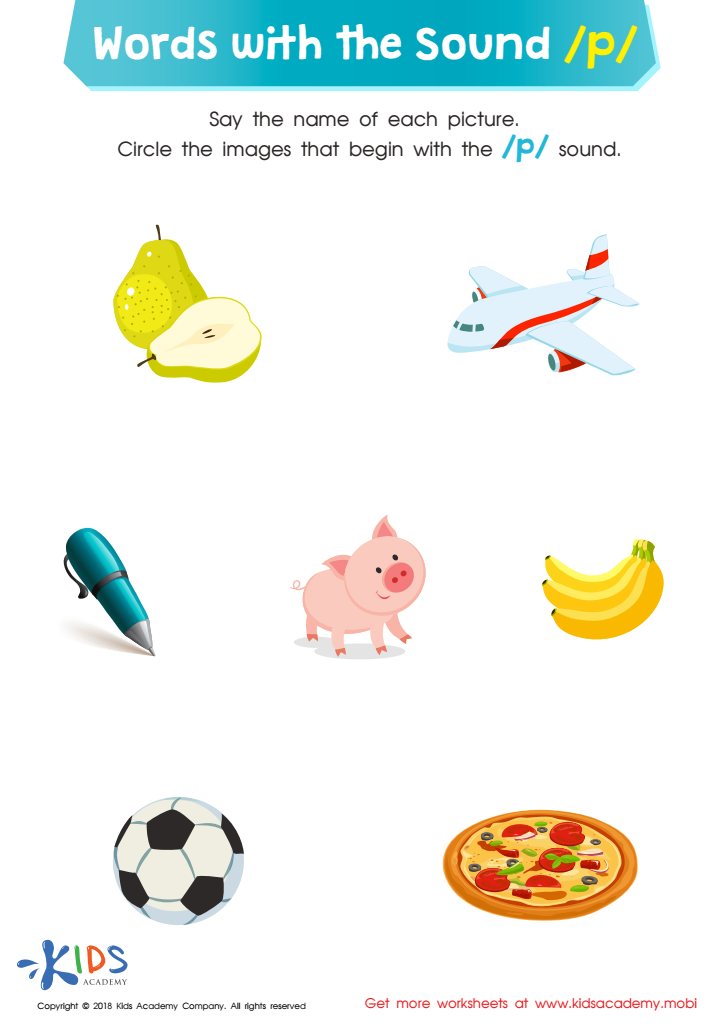
Words with sound p Reading Worksheet







.jpg)
Vocabulary building is crucial for 4-year-olds as it serves as the foundation for effective communication and learning. During this developmental stage, children's brains are highly receptive to language acquisition, making it an ideal time to introduce a diverse range of words. A strong vocabulary is linked to better reading skills, comprehension, and overall academic success later on.
Parents and teachers should prioritize vocabulary building using the normal alphabet because it helps children recognize letters and sounds while expanding their language. Engaging in activities that incorporate the alphabet, such as rhyming games, storytelling, and interactive reading, can enhance children’s creativity and cognitive abilities.
Moreover, a robust vocabulary supports social interactions, allowing children to express their thoughts and feelings clearly, which boosts their confidence and emotional intelligence. When children can articulate their needs, they are less likely to experience frustration in social settings.
Additionally, early vocabulary development fosters a love for reading and learning. The more words children know, the more they can understand and enjoy stories, shaping their curiosity about the world. Overall, focusing on vocabulary building at an early age is beneficial for a child’s emotional, social, and academic growth.







