Phonics Skills Normal Letter Sounds Worksheets for 4-Year-Olds
4 filtered results
-
From - To
Introduce your 4-year-old to the foundational skills of reading with our engaging Phonics Skills Normal Letter Sounds Worksheets! Designed specifically for young learners, these worksheets offer a fun and interactive way to master letter sounds. Each activity incorporates vibrant visuals and simple instructions, making learning enjoyable and effective. Children will practice identifying letter sounds through playful exercises, promoting phonemic awareness and vocabulary development. Perfect for at-home learning or classroom use, our worksheets cater to early literacy skills, ensuring your little ones build a strong reading foundation. Download now and empower your child’s love for reading with these essential worksheets!
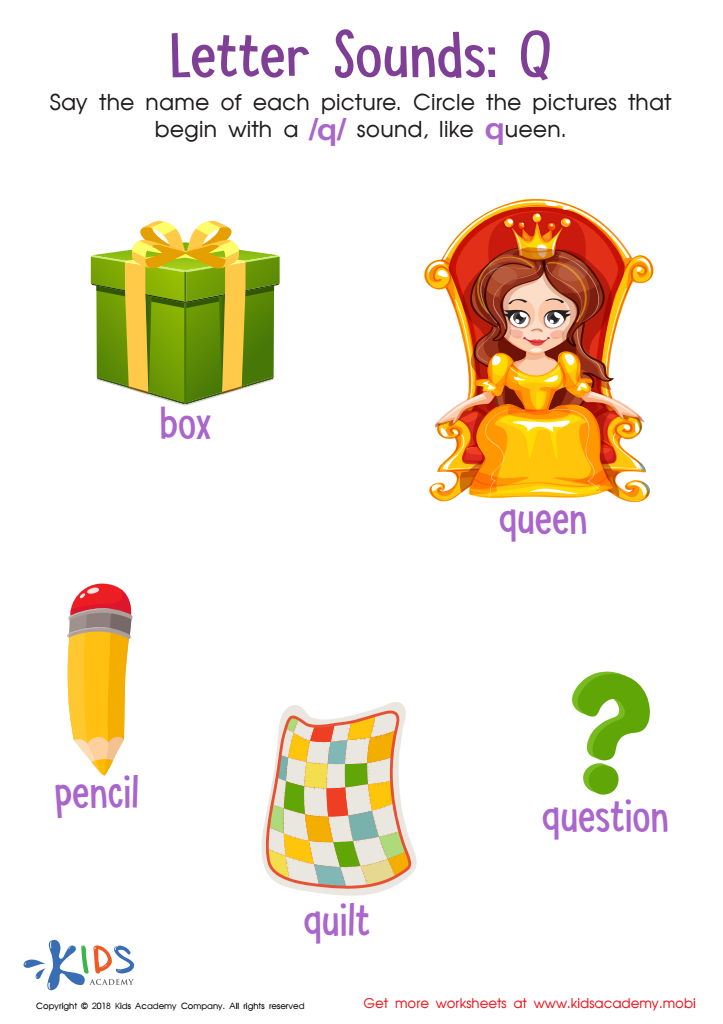
Letter Q Sounds Worksheet
 Assign to My Students
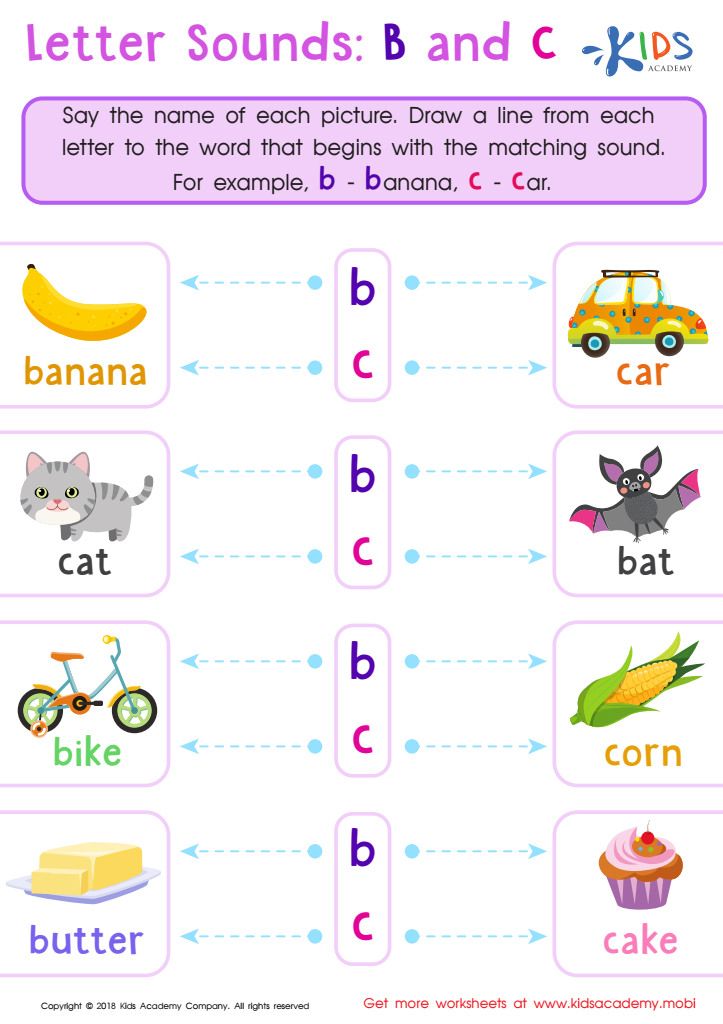
Letter B and C Sounds Worksheet
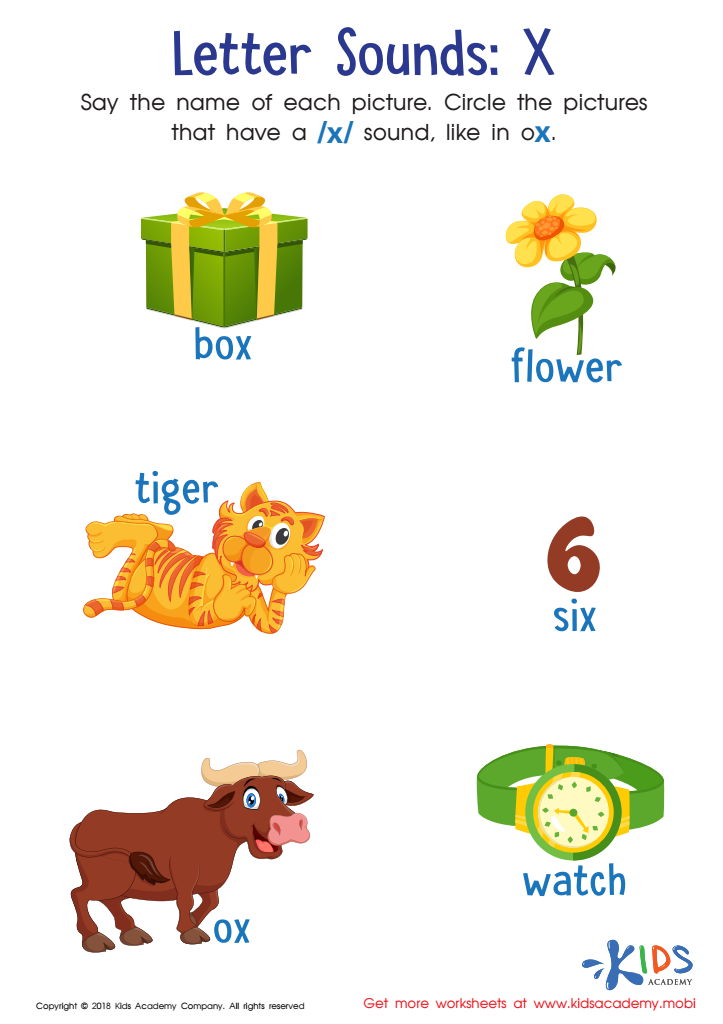
Letter X Sounds Worksheet
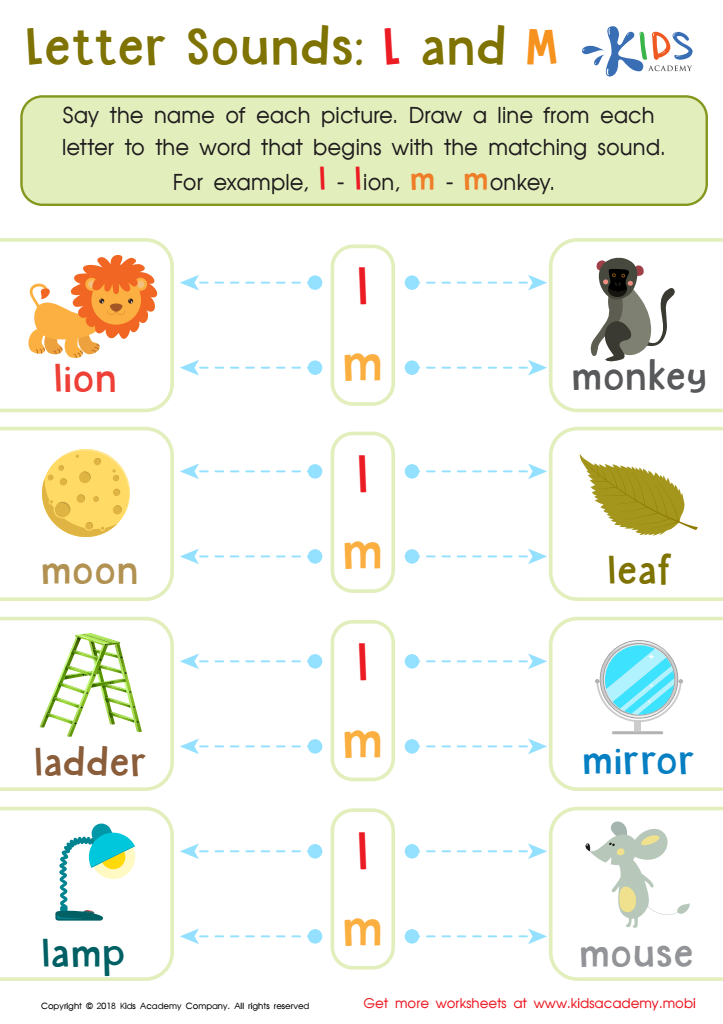
Letter l and M Sounds Worksheet








Phonics skills, specifically normal letter sounds, are crucial for 4-year-olds as they lay the foundation for literacy and overall communication skills. At this age, children are entering a critical stage of language development where they begin to understand how letters relate to sounds. By mastering phonics, children become more adept at decoding words, which is essential for reading fluency and comprehension in the years ahead.
Parents and teachers should prioritize phonics skills because they enhance vocabulary and promote early reading confidence. When children can recognize letter sounds, they will find it easier to sound out words and connect them with their meanings. This connection helps fuel a lifelong love of reading, which is linked to academic success across all subjects.
Furthermore, teaching phonics encourages cognitive development. As children learn to associate sounds with letters, they improve their memory, critical thinking, and problem-solving abilities. Engaging in phonics activities fosters a love for learning and enables children to express themselves more clearly.
In summary, nurturing phonics skills for 4-year-olds is vital; it equips them with essential tools for communication, bolsters their self-esteem in literacy, and sets the stage for future academic achievements. Supporting this area during early childhood can have lasting positive effects.






