Vocabulary Building Normal Phonics Worksheets for 4-Year-Olds
4 filtered results
-
From - To
Boost your child’s language development with our Vocabulary Building Normal Phonics Worksheets designed for 4-year-olds. These engaging worksheets help young learners master foundational phonics skills through entertaining and educational activities. Focusing on letter recognition, sound matching, and early word formation, our brightly illustrated exercises foster early reading and speaking skills. Ideal for home or classroom use, these resources promote confident communication and a love for learning. Perfect for 4-year-olds on the journey to literacy, our worksheets make vocabulary building enjoyable and effective. Start today and watch your child’s language skills flourish!
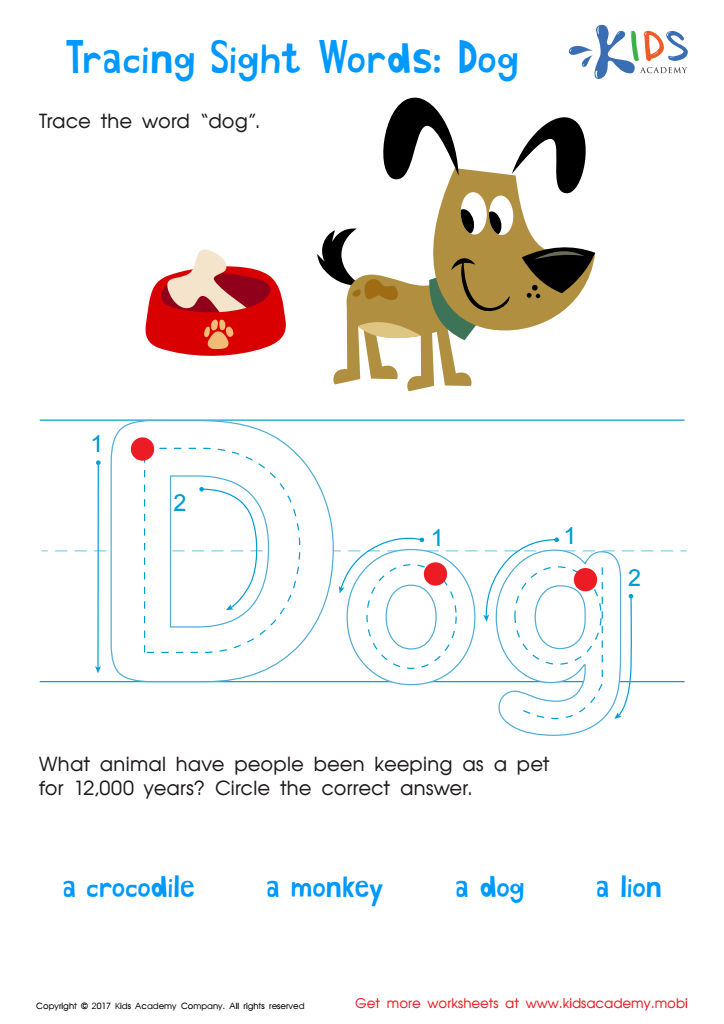
Dog Worksheet Sight Words Worksheet
 Assign to My Students
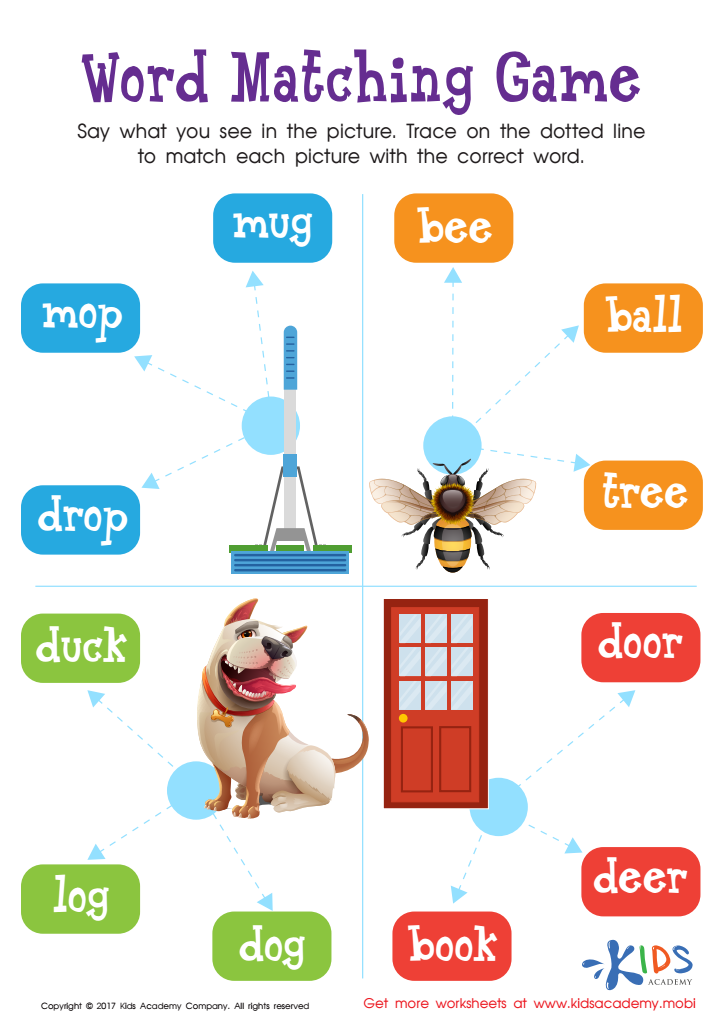
Word Matching Game Worksheet
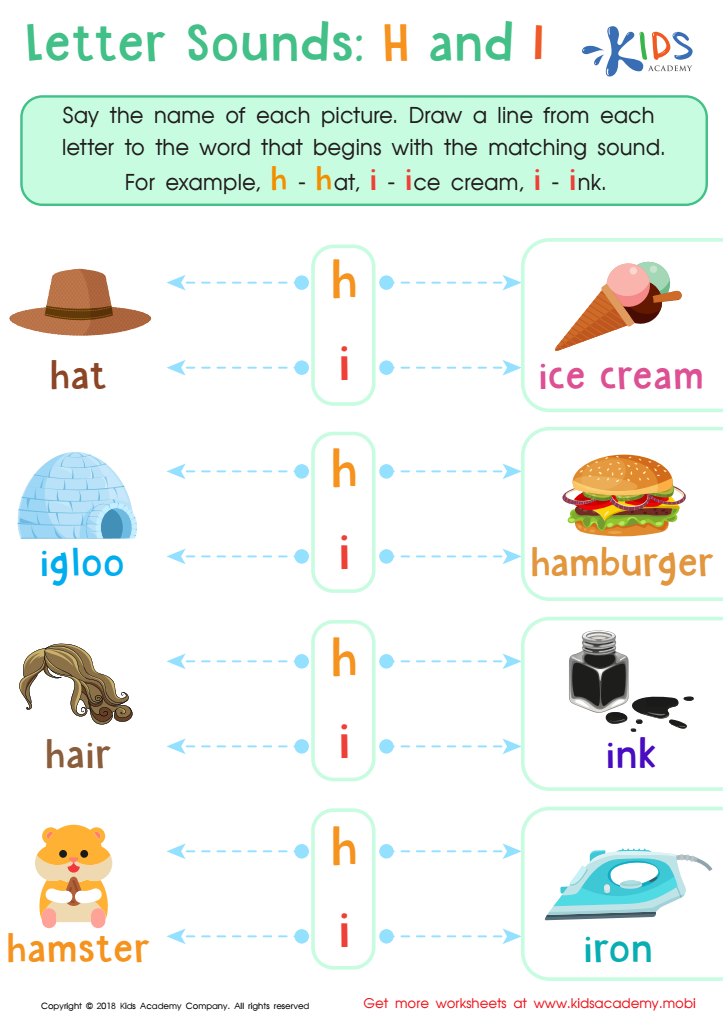
Letter H and I Sounds Worksheet
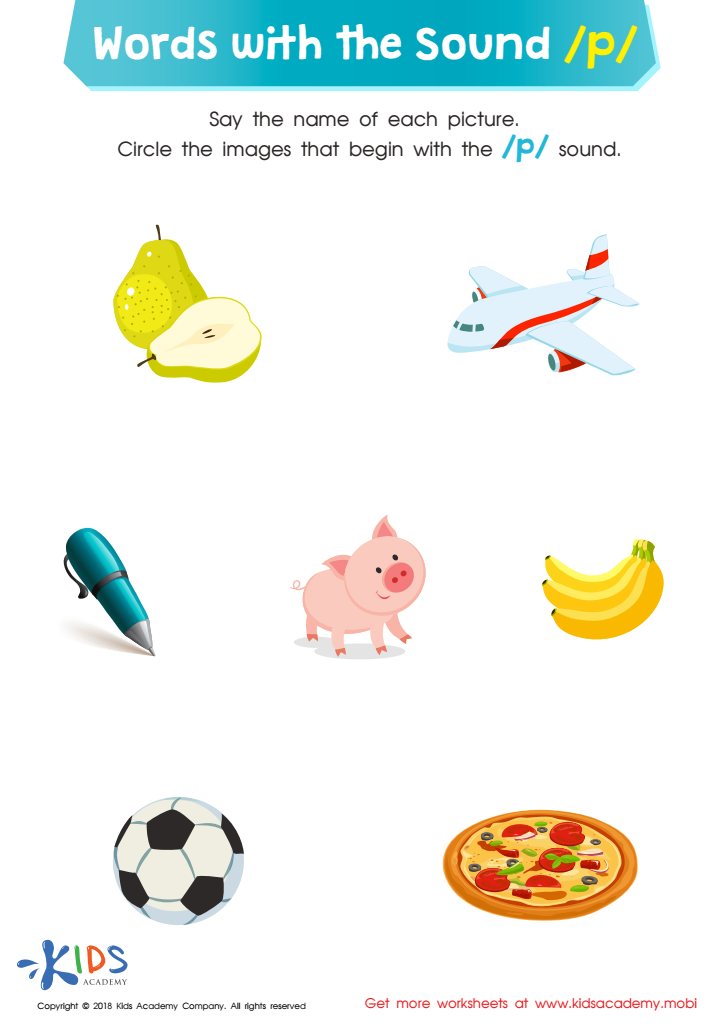
Words with sound p Reading Worksheet








Parents and teachers should focus on vocabulary building and normal phonics for 4-year-olds because these form the foundation of early literacy, critical for academic success and effective communication. At this age, children's brains are remarkably receptive to language acquisition. Introducing a rich vocabulary enables them to express themselves more clearly, understand stories, and engage in meaningful conversations. This not only boosts their confidence but also prepares them for future learning.
Phonics instruction, on the other hand, is essential for decoding words. When children learn to link sounds with letters, they can begin to read independently, unlocking new avenues for learning and discovery. A strong phonics foundation helps in developing accurate spelling and reading comprehension skills. Moreover, early exposure to phonics improves listening skills and attention span as kids learn to distinguish between different sounds in words.
Together, vocabulary building and phonics create a comprehensive early literacy program. By investing time and resources in these areas, parents and teachers empower children to become successful readers and effective communicators. This preparation is indispensable as it instills a love for reading and learning that can aid in their overall cognitive and social development. Ignoring this critical stage could result in children feeling left behind academically and socially in later years.







