Vocabulary expansion Normal Phonics Worksheets for 4-Year-Olds
14 filtered results
-
From - To
Enhance your child's vocabulary with our carefully designed Normal Phonics Worksheets for 4-Year-Olds from Kids Academy! Our engaging printables focus on essential phonics skills, providing a fun and effective way to expand your little one's word recognition and language abilities. Each worksheet is crafted to capture your child's interest using colorful pictures and simple activities, perfect for early learners. Boost their confidence as they practice identifying letters, sounds, and words, paving the way for future reading success. Start your child's learning journey today and watch their vocabulary grow with Kids Academy!
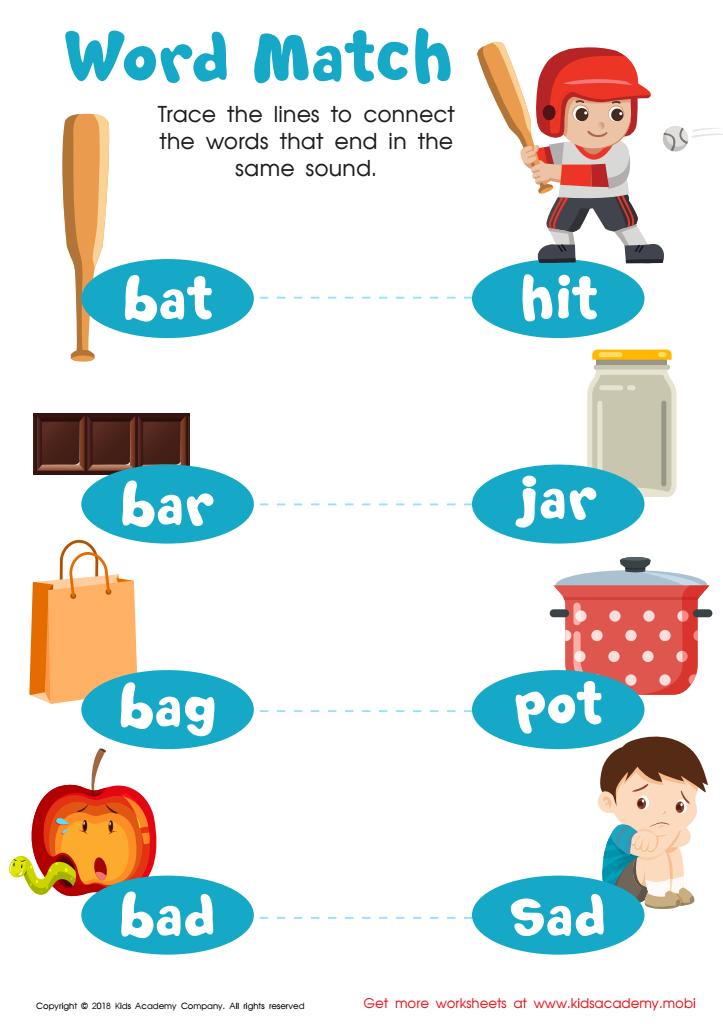
Word Match Reading Worksheet
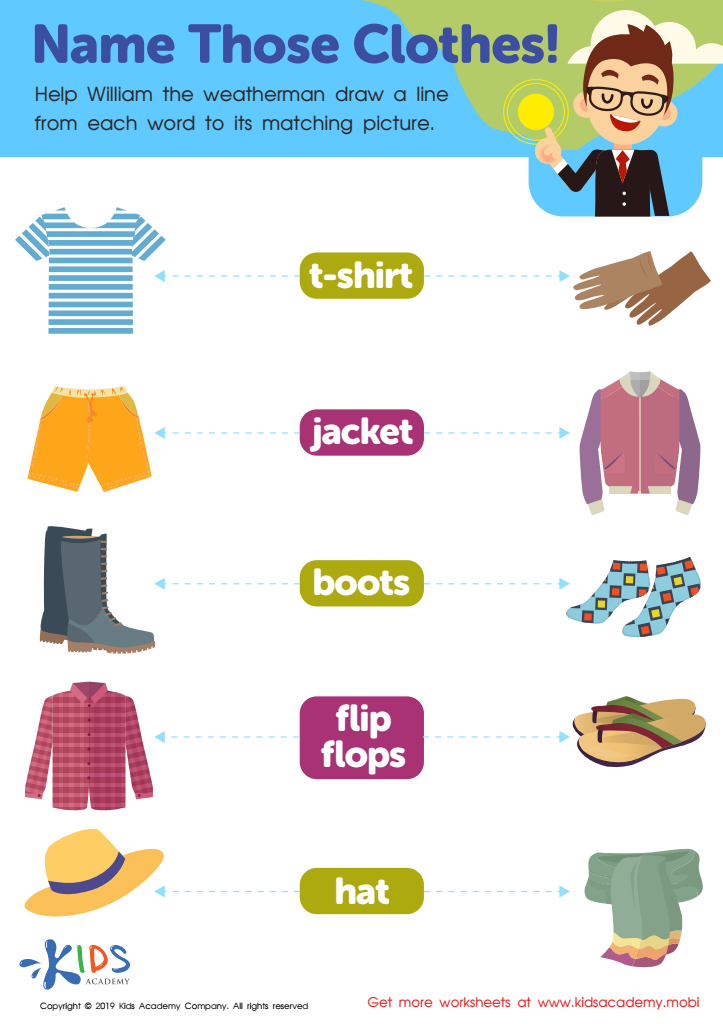
Name Those Clothes Worksheet
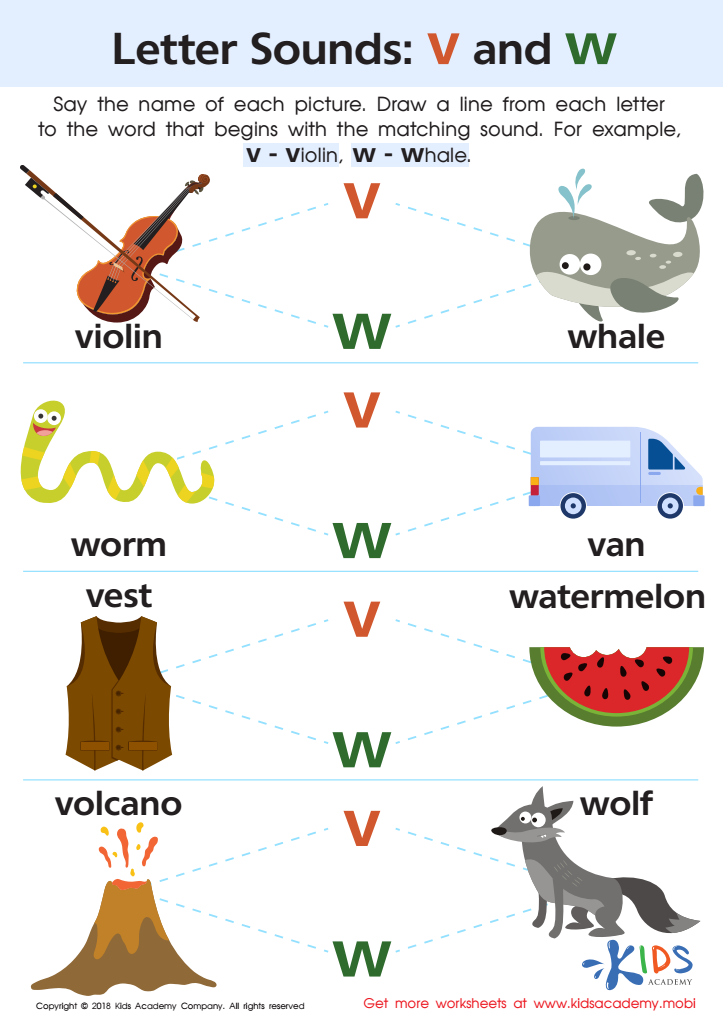
Letter V and W Sounds Worksheet
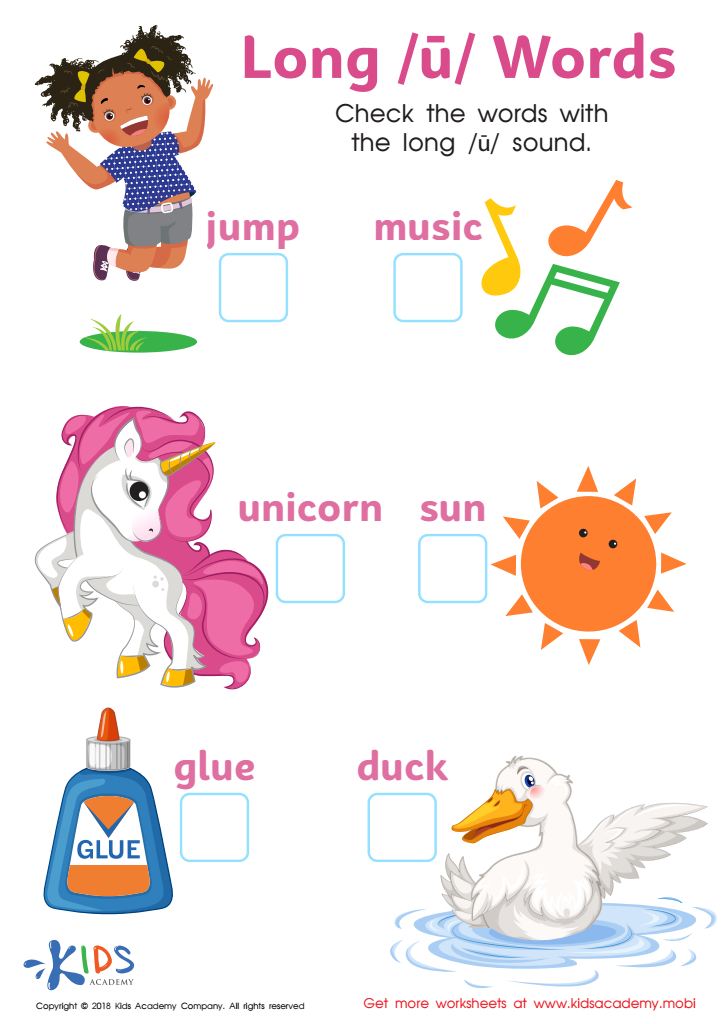
Long U Words Reading Worksheet
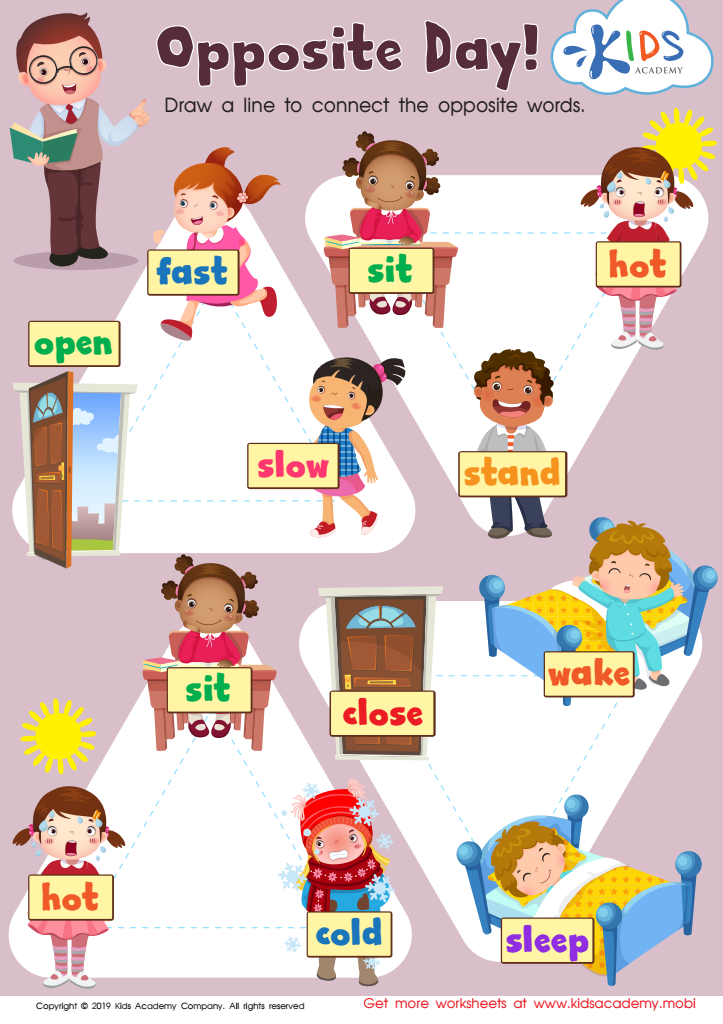
Opposite Day Worksheet
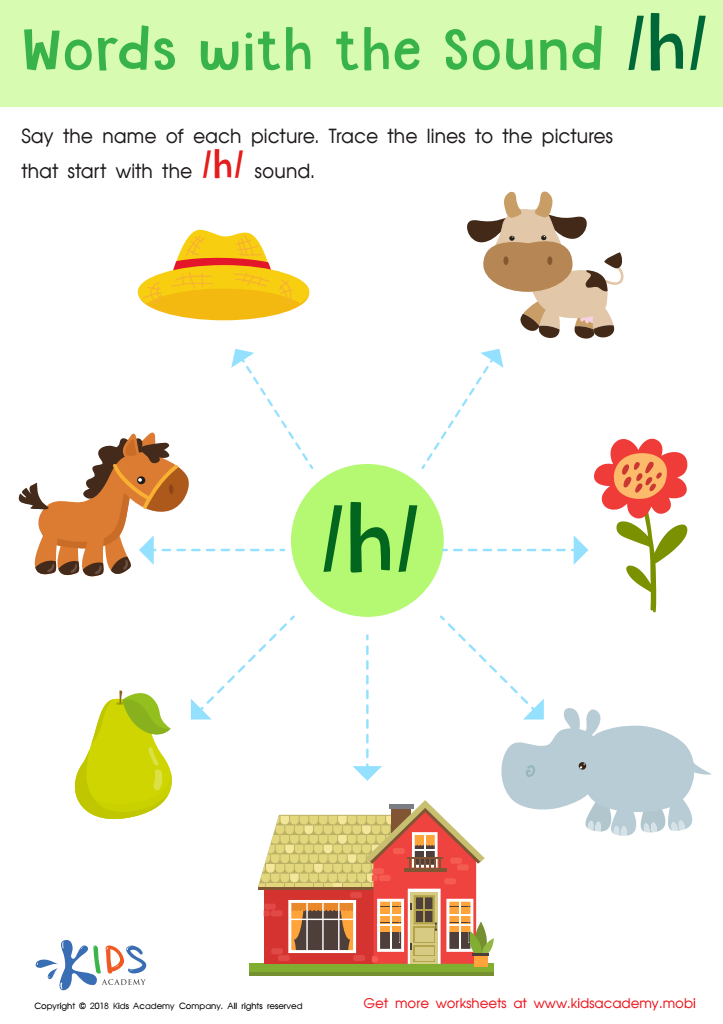
Words with sound h Reading Worksheet
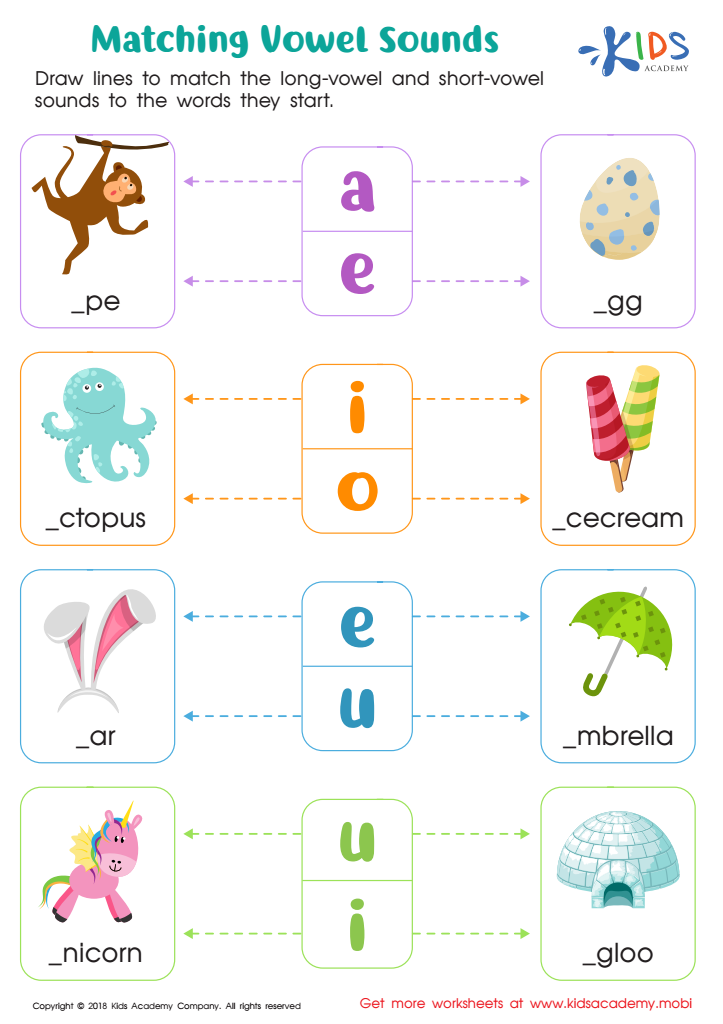
Matching Vowel Sounds Worksheet
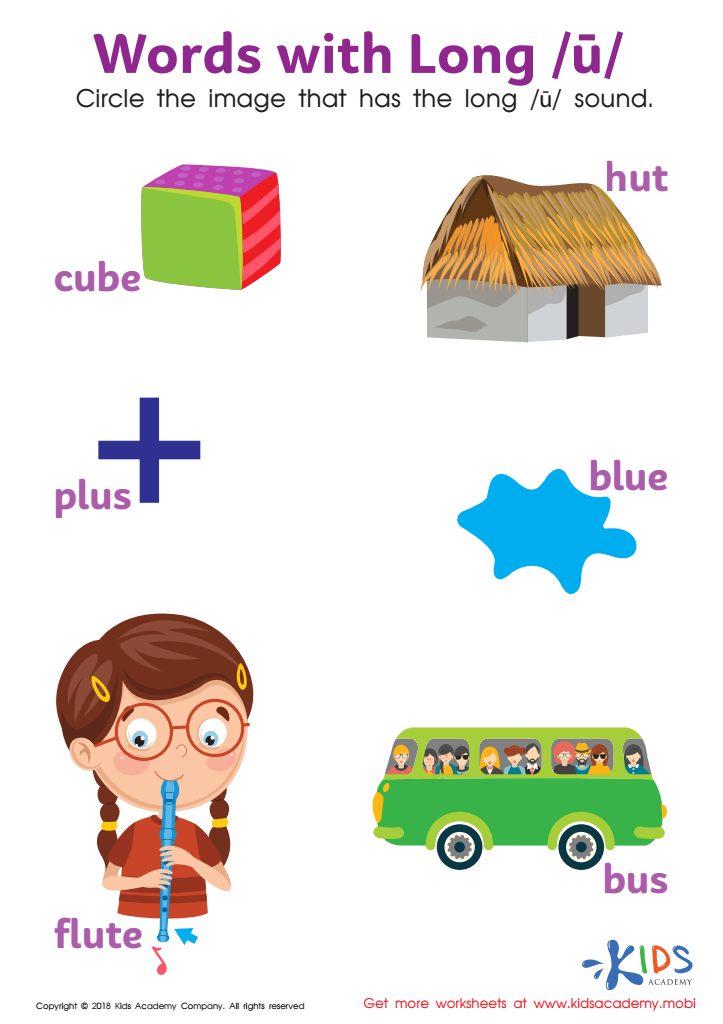
Words with Long U Reading Worksheet

Long and Short U Worksheet
 Assign to My Students
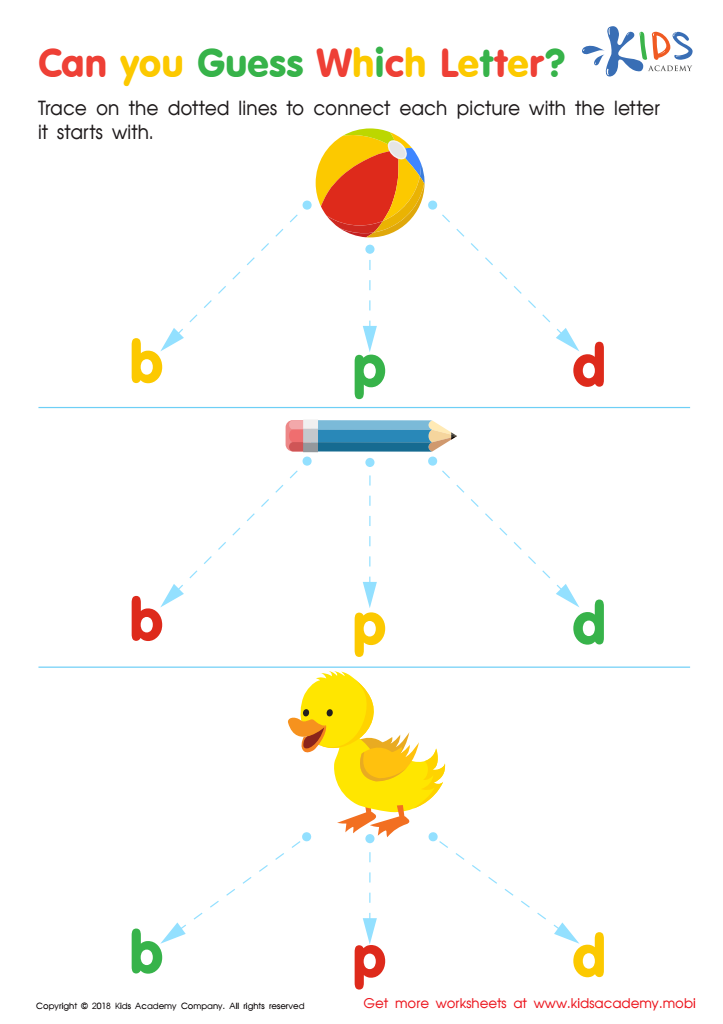
Can you Guess Which Letter? Worksheet
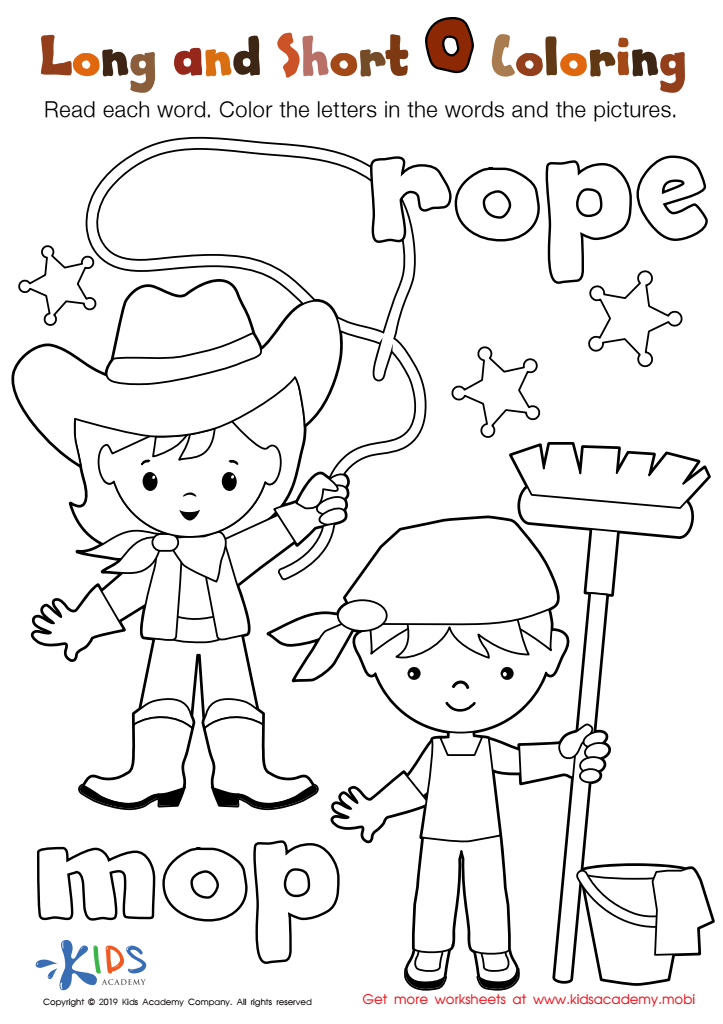
Long and Short O Worksheet
Assign to My Students
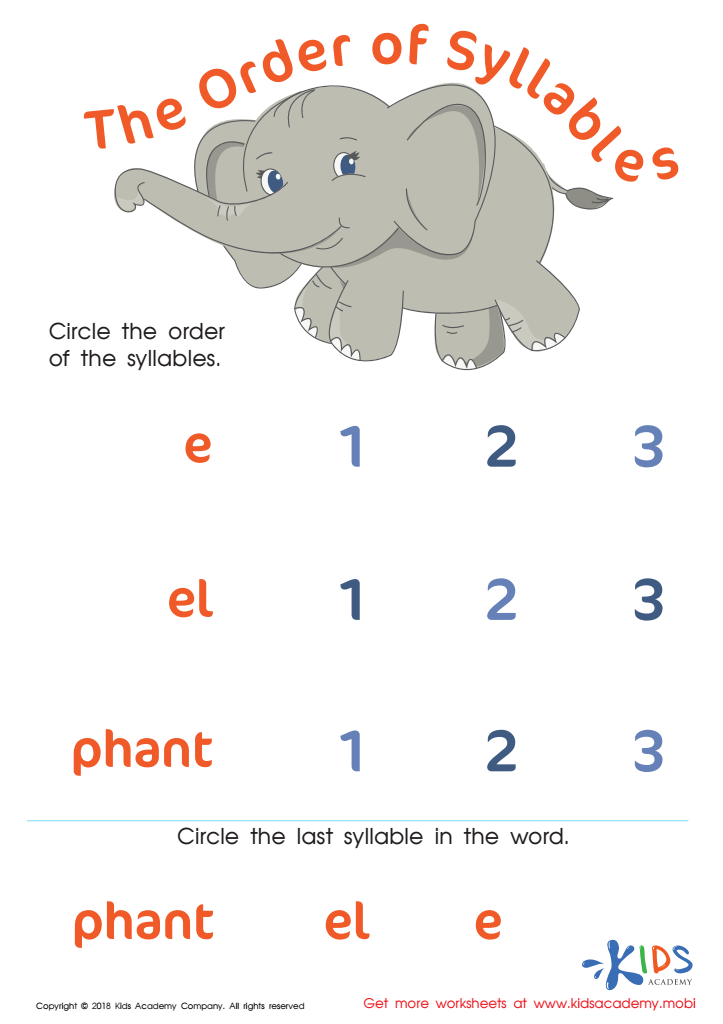
The Order of Syllables Worksheet
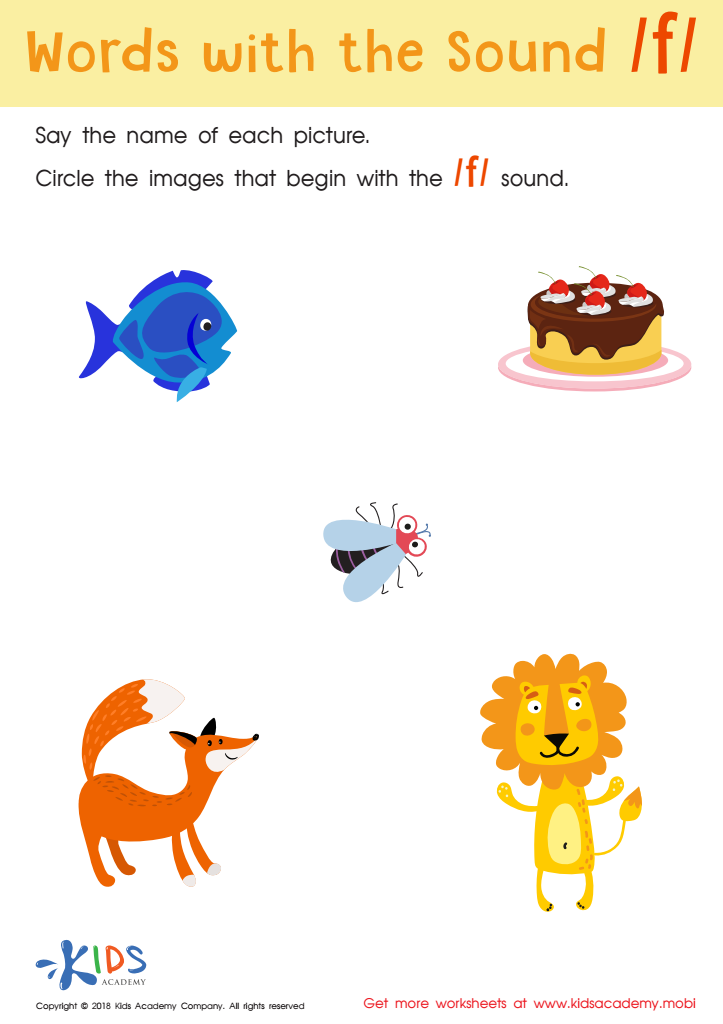
Words with sound f Reading Worksheet
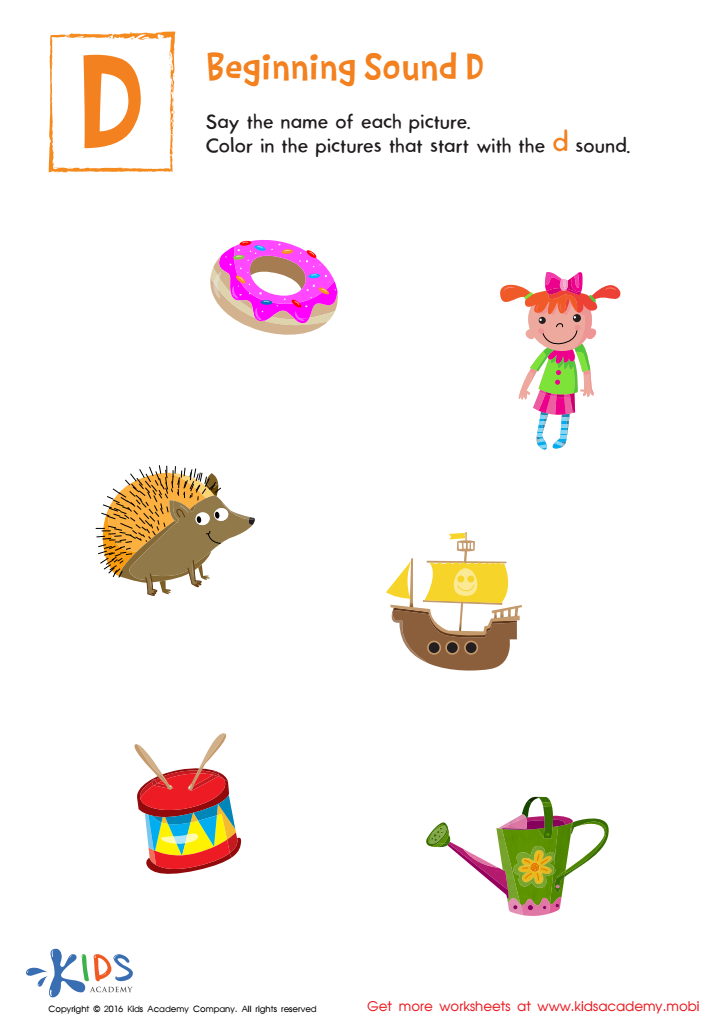
Beginning Sound D Worksheet








Vocabulary expansion and normal phonics development are critically important for 4-year-olds, forming a foundational aspect of early childhood education that significantly impacts future learning and communication skills. At this tender age, children are like sponges, rapidly absorbing new information, and their brains are optimally primed for language acquisition.
Firstly, a robust vocabulary allows children to better express themselves, facilitating clearer communication of their thoughts, needs, and emotions. This improved communication reduces frustration and enhances social interactions, fostering better peer relationships and self-esteem.
Phonics introduces children to the relationship between letters and their sounds, critical for decoding words, a fundamental reading skill. Early mastery of phonics paves the way for fluent reading and comprehension, enabling children to access a wide range of materials and stimulating intellectual curiosity.
Furthermore, early vocabulary and phonics comprehension directly correlate with later academic success. Children with strong early language skills are better equipped to understand and engage with a variety of subjects, from science to social studies.
In summary, caring about vocabulary expansion and normal phonics for 4-year-olds promotes essential communication skills, enhances social interaction, underpins early reading and comprehension, and sets the stage for continued academic achievement and lifelong learning.







