Attention to Detail Normal Worksheets for 4-Year-Olds
5 filtered results
-
From - To
Discover our engaging Attention to Detail Worksheets designed specifically for 4-year-olds! These fun and interactive resources help young learners focus on key details while enhancing their cognitive skills. Each worksheet features colorful visuals and age-appropriate activities that encourage children to identify differences, match items, and develop essential observation skills. Perfect for parents and educators, our printable worksheets foster concentration and attention, setting the foundation for future learning. Empower your child's growth and make learning enjoyable with our carefully crafted activities that support early development. Explore the joy of learning through play with our Attention to Detail Worksheets today!
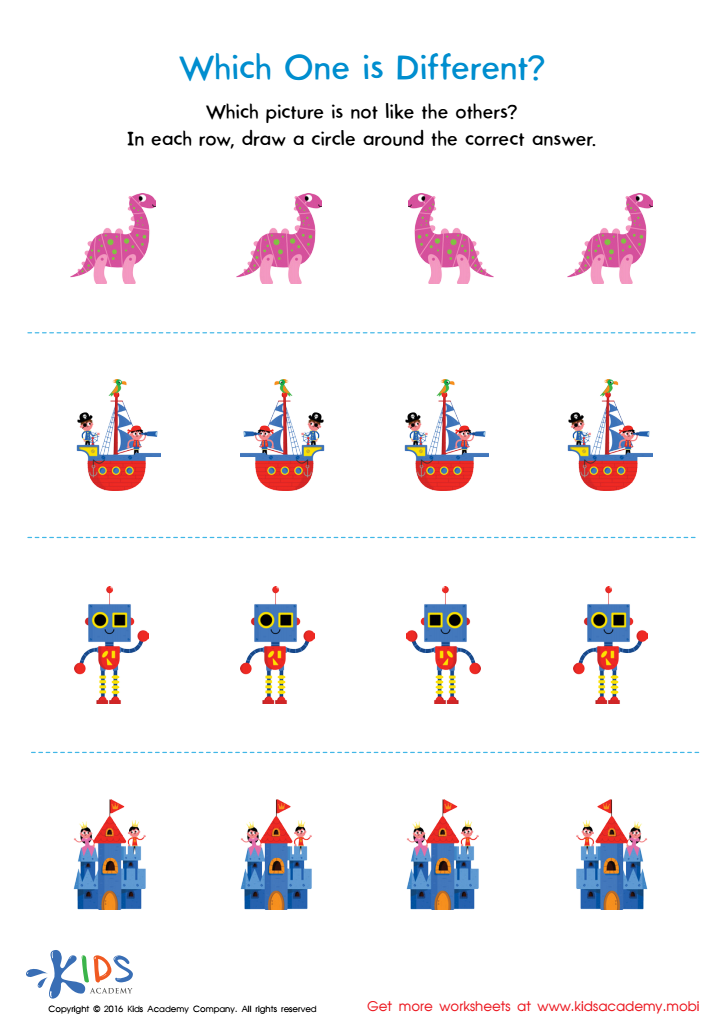
Which One Is Different Worksheet
 Assign to My Students
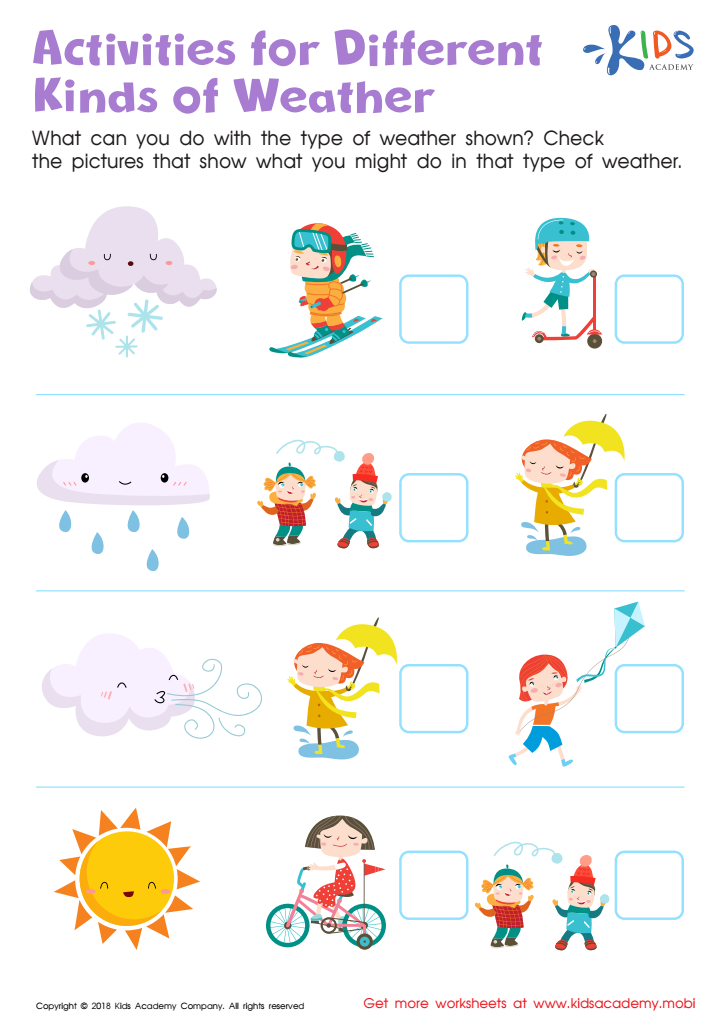
Activities for Different Kinds of Weather Worksheet
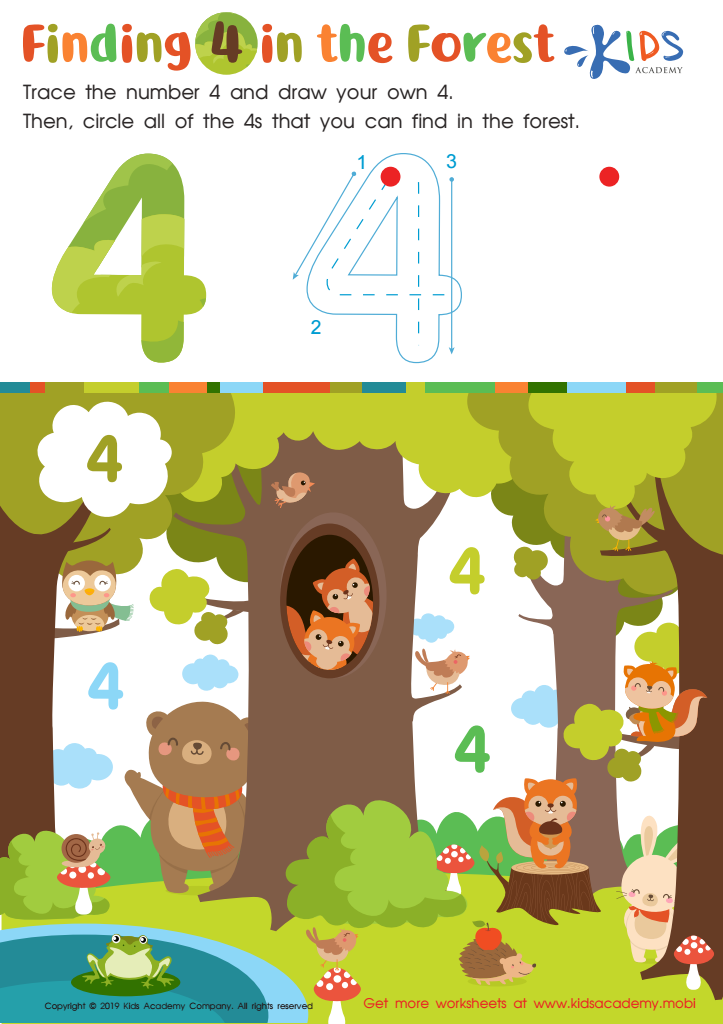
Finding 4 in the Forest Worksheet
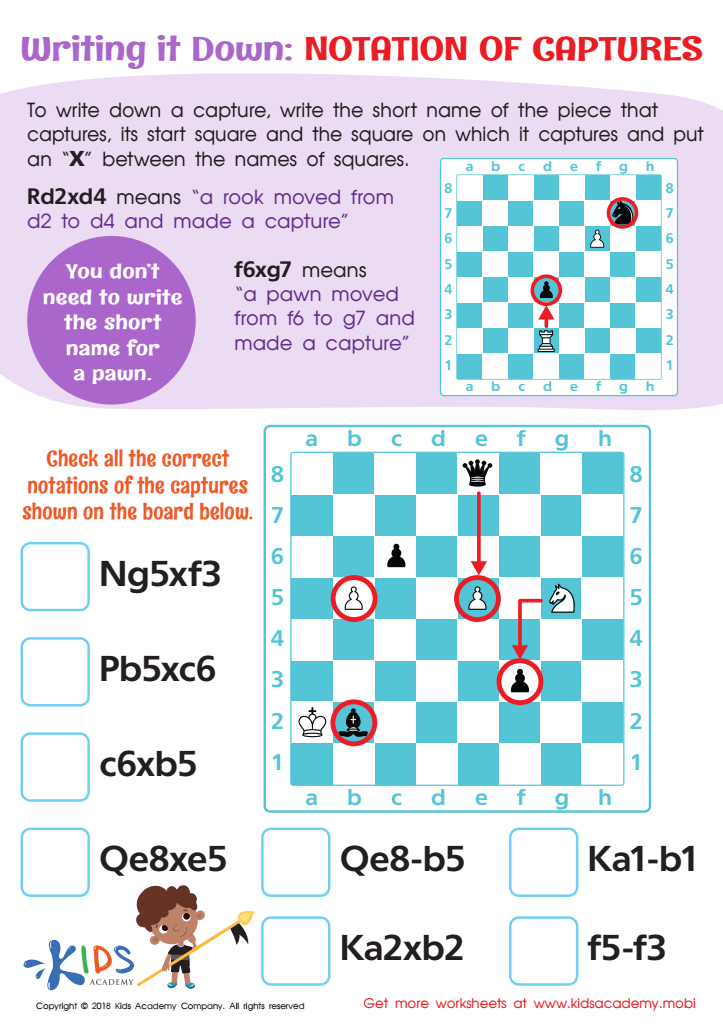
Notation of Captures Writing it Down Worksheet
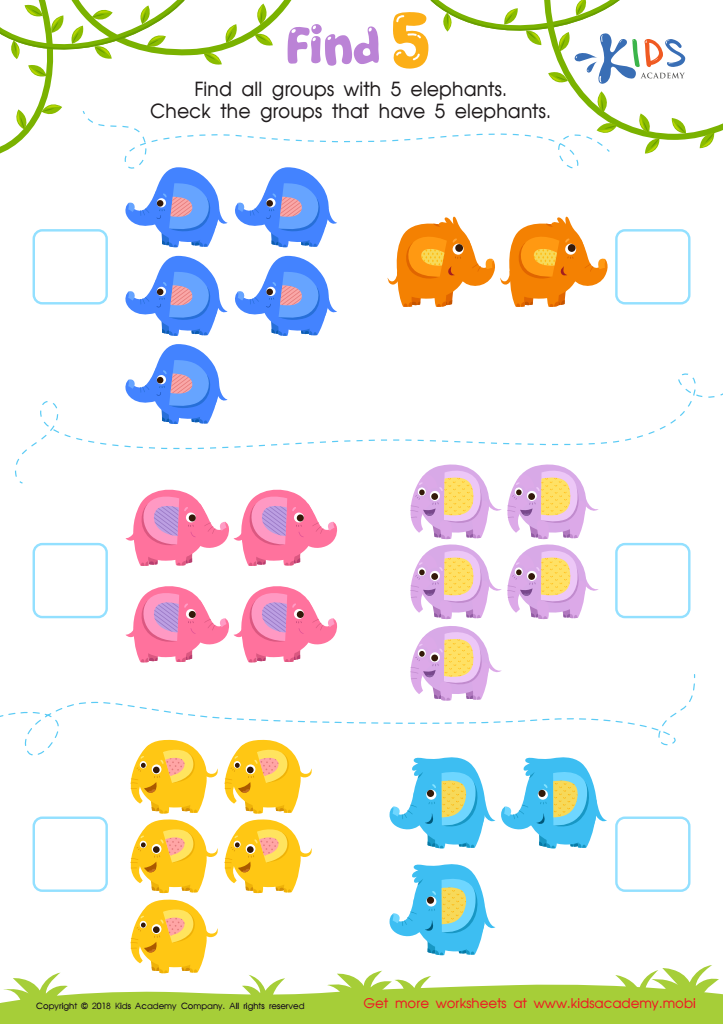
Find 5 Worksheet







Attention to detail is a crucial skill for 4-year-olds, as it lays the foundation for their cognitive, social, and emotional development. Parents and teachers should prioritize fostering this skill because it influences children’s ability to observe, retain information, and solve problems effectively. When children pay attention to details, they enhance their understanding of their environment and improve their critical thinking and analytical skills.
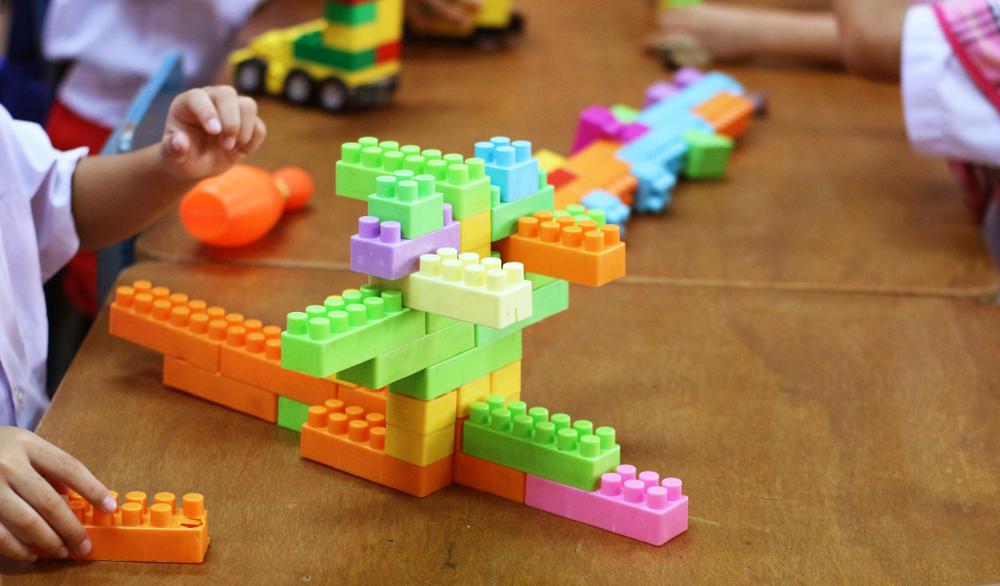
Developmentally, this age is marked by a curiosity about the world, which can be nurtured by engaging them in activities that require careful observation, such as sorting games, art projects, and storytelling. These activities encourage children to focus on specifics, helping them learn to distinguish between different shapes, colors, and sounds, which is vital for future learning in subjects like math and literacy.
Additionally, strong attention to detail supports emotional intelligence. By recognizing non-verbal cues and understanding social dynamics, children can better navigate relationships with peers and adults. Encouraging attention to detail promotes patience and persistence, qualities that are beneficial in all areas of life. Therefore, fostering this skill in young children ultimately sets the framework for their future academic success and personal growth.








