Color recognition Normal Worksheets for 4-Year-Olds - Page 2
31 filtered results
-
From - To
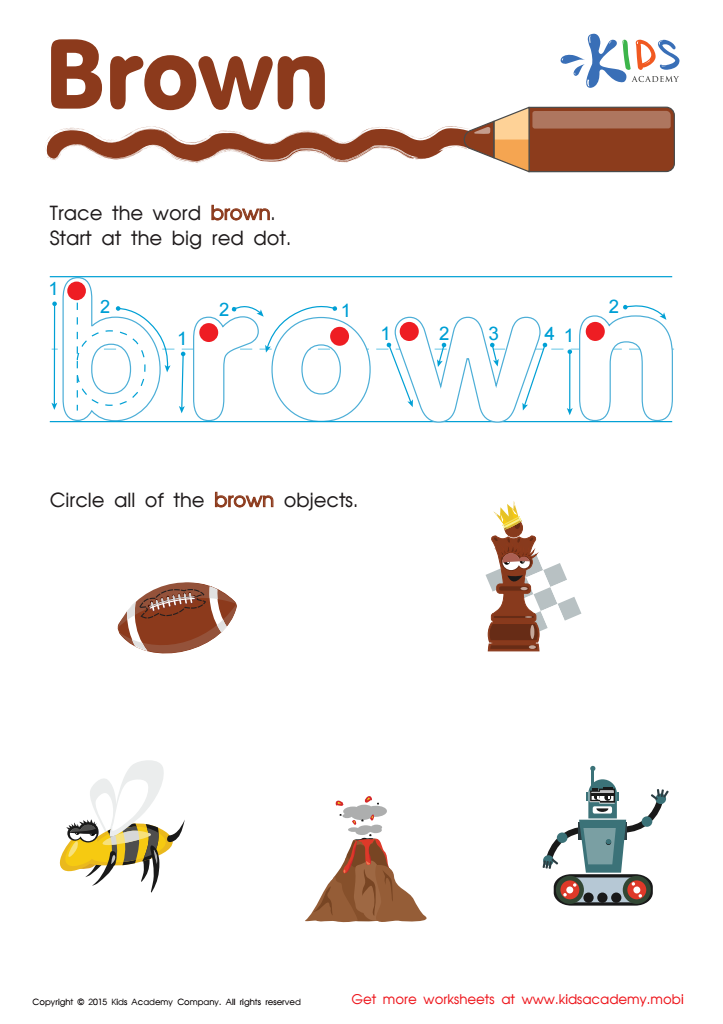
Brown Tracing Color Words Worksheet
Tower Coloring Page
 Assign to My Students
Great Hornbill Worksheet
Assign to My Students
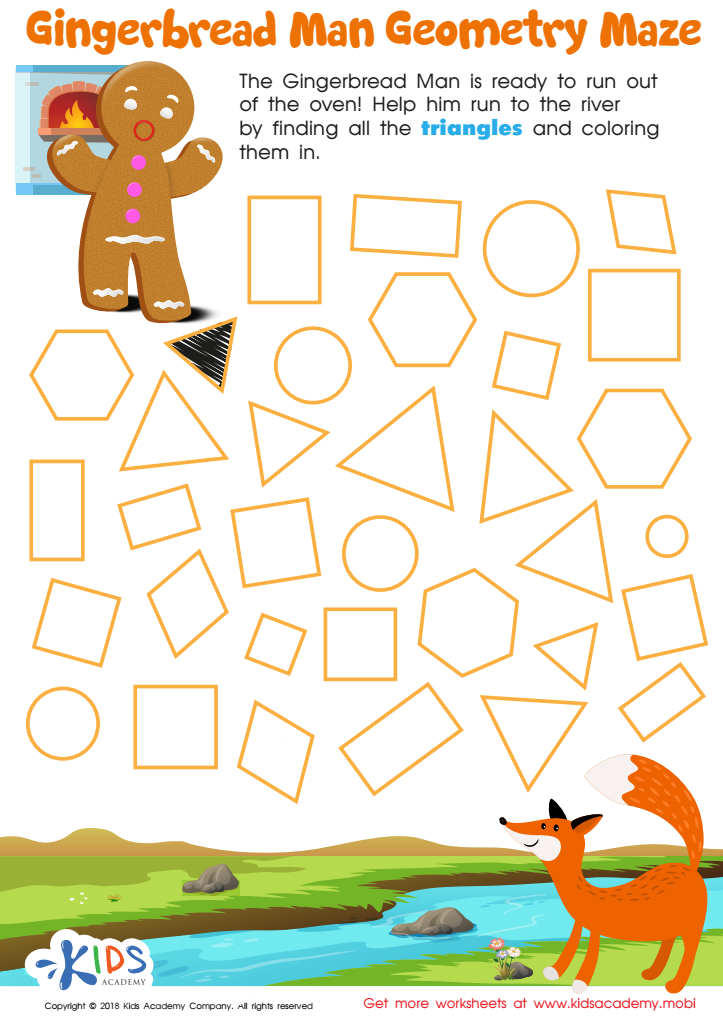
Gingerbread Man Geometry Maze Worksheet
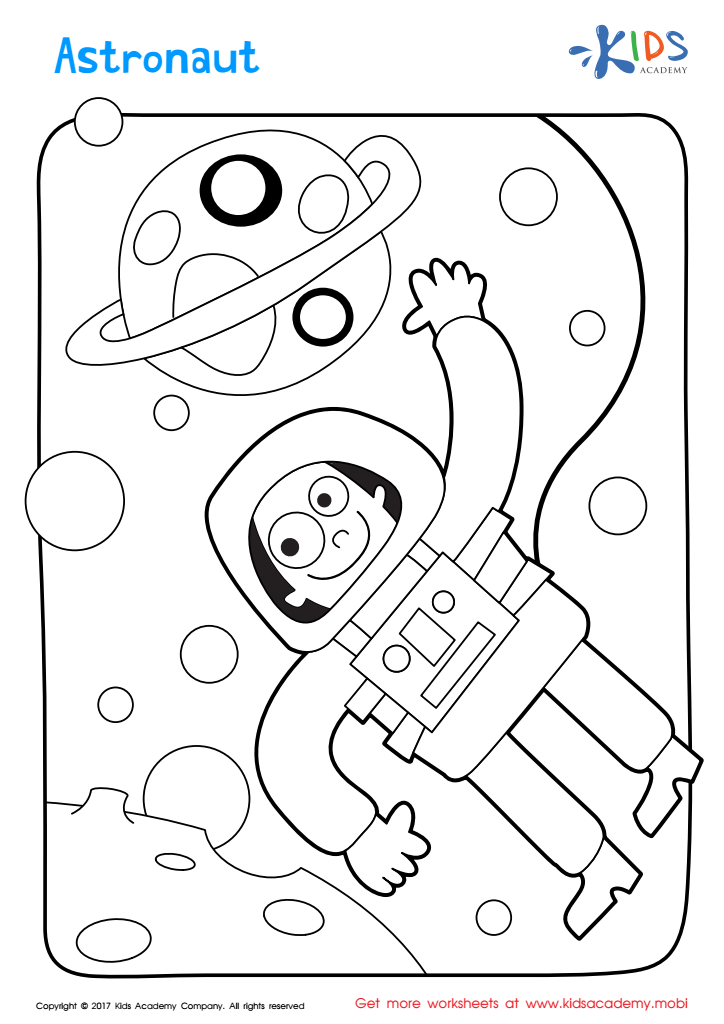
Astronaut Coloring Page
Assign to My Students
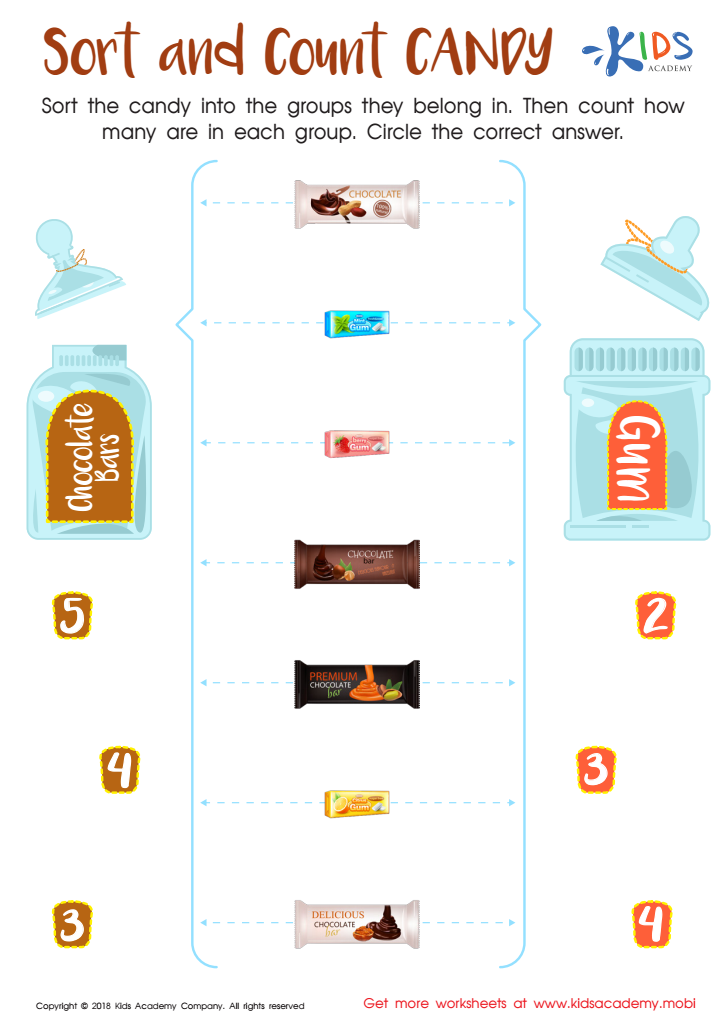
Sort and Count Candy Worksheet
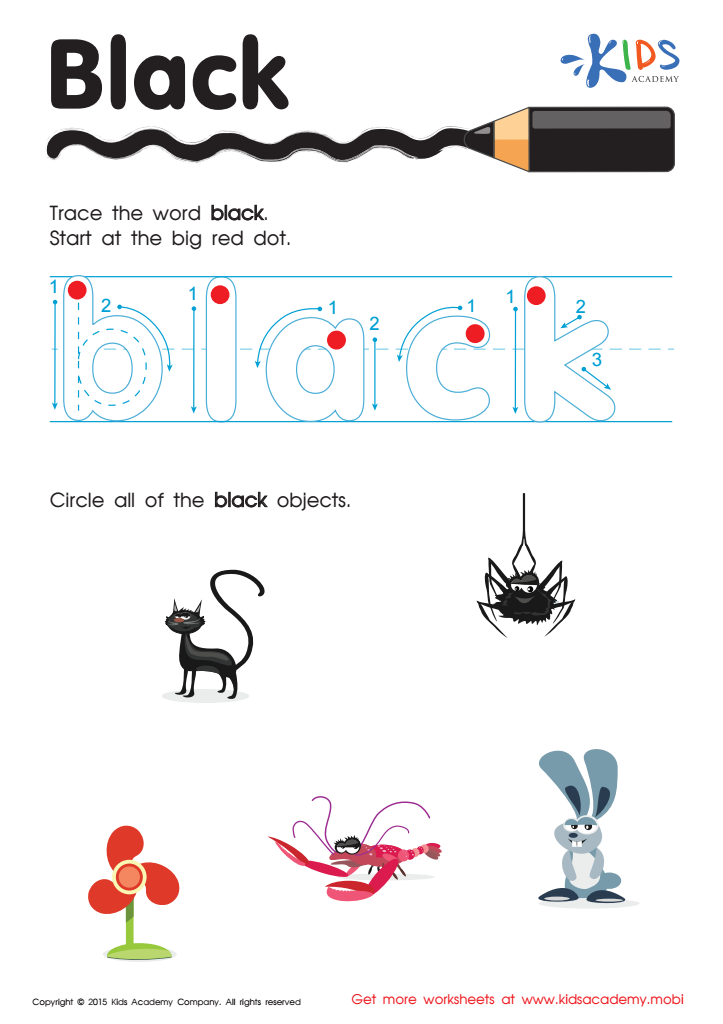
Black Tracing Color Words Printable


.jpg)


Color recognition is a crucial developmental milestone for 4-year-olds, and both parents and teachers should understand its importance. First, recognizing colors is fundamental for a child's cognitive development. It enhances their memory by teaching them to identify and distinguish between different objects based on color. This skill is foundational for more complex learning, such as reading and mathematics, where color can indicate meaning and improve comprehension.
Emotionally, understanding colors aids in expressing themselves and deciphering the world around them. For example, colors often evoke emotions and can help a child communicate their feelings when words might fail them. Socially, color recognition is integral in group settings, such as schools, where activities often rely on color sorting and matching to promote teamwork and collaboration.
Practically, color recognition helps with daily routines and safety. Knowing colors helps young children follow instructions, such as understanding traffic lights and being able to pick out their own belongings in a crowded space.
Finally, early color recognition can signal healthy vision and brain development. If a child struggles with identifying colors, it may indicate potential learning disorders or vision problems that need addressing. Therefore, fostering and monitoring this skill is essential for preparing a child for future academic success and overall well-being.








