Enhance your 4-year-old's observation skills with our engaging worksheets designed specifically for early learners. Our carefully crafted activities encourage children to explore their surroundings, make connections, and develop critical thinking. Each worksheet promotes visual discrimination, attention to detail, and cognitive skills through fun and interactive challenges. Ideal for home or classroom use, these resources foster creativity and curiosity while supporting young minds in observation and comprehension. Download our normal worksheets to provide your child with a foundation for deeper learning and preparation for future academic success. Start nurturing your child's observational skills today with these wonderful early learning tools!

Check out this FREE "Enhancing observation skills" Trial Lesson for age 4!

Draw Sharing Word Problems

Favorites
With answer key
Interactive
  • 4
  • Enhancing observation skills
  • Normal
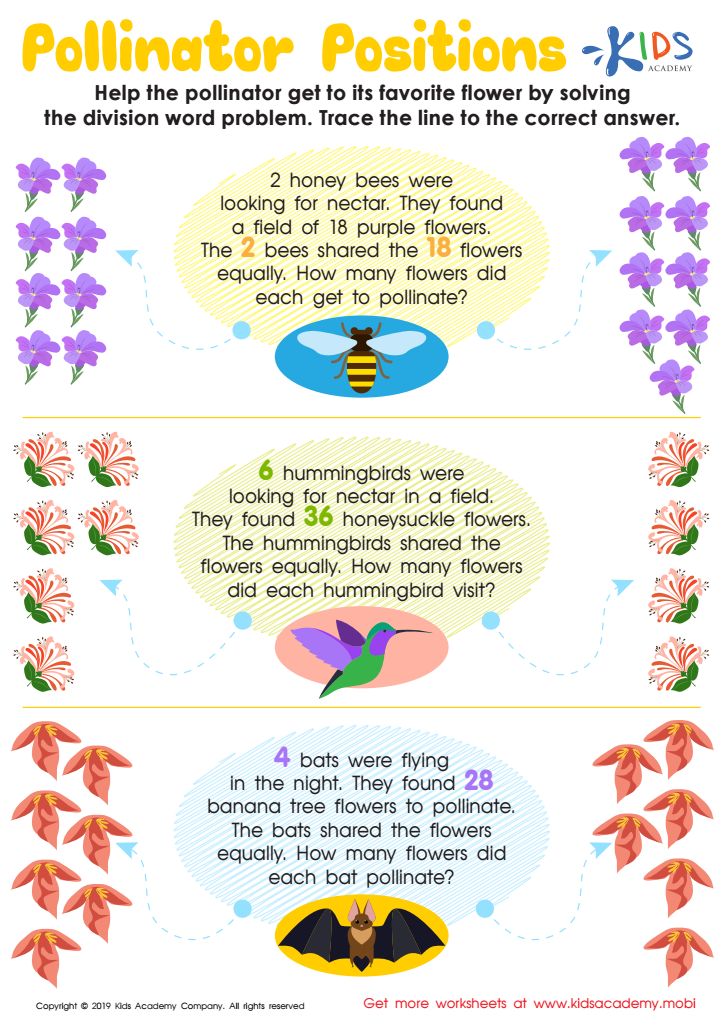
Pollinator Positions Worksheet

Pollinator Positions Worksheet

Kids will love learning about pollinators and how vital they are. Help their favorite friends get to the right flowers with this fun PDF. Children can solve the problems without even knowing they're doing division; just read the word problems and use the highlighted numbers. Finish by tracing the lines to the correct quotient!
Pollinator Positions Worksheet
Worksheet
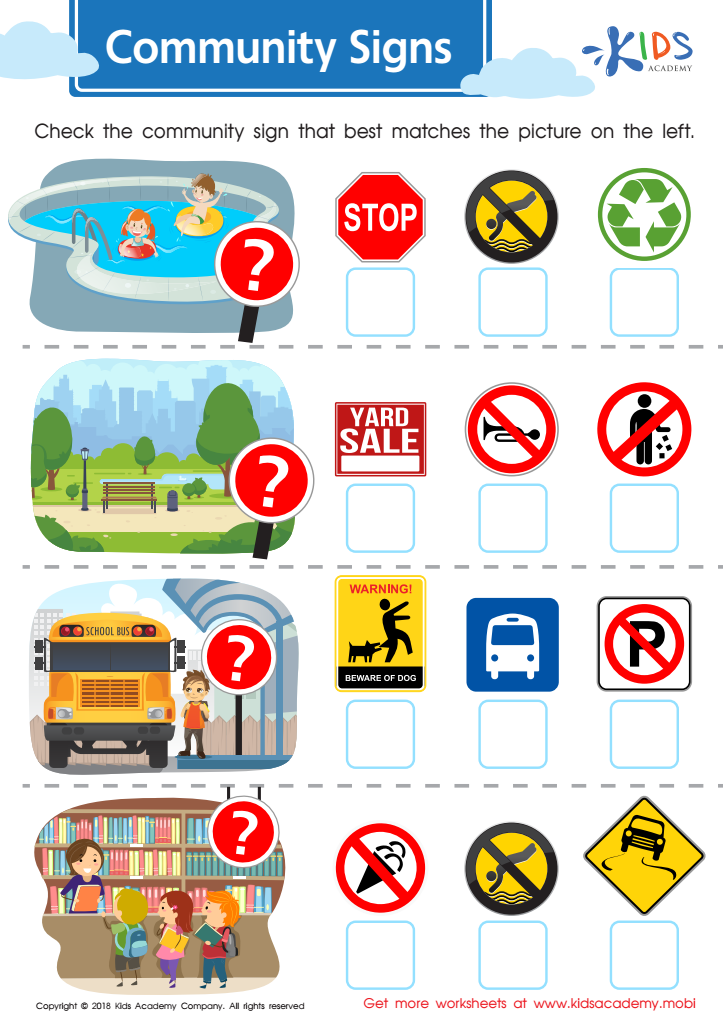
Community Signs Worksheet

Community Signs Worksheet

To stay safe, our kids need to know community signs. Ask them to name signs at the pool, park, etc. Then, have them check the worksheet for the picture that matches the community signs.
Community Signs Worksheet
Worksheet
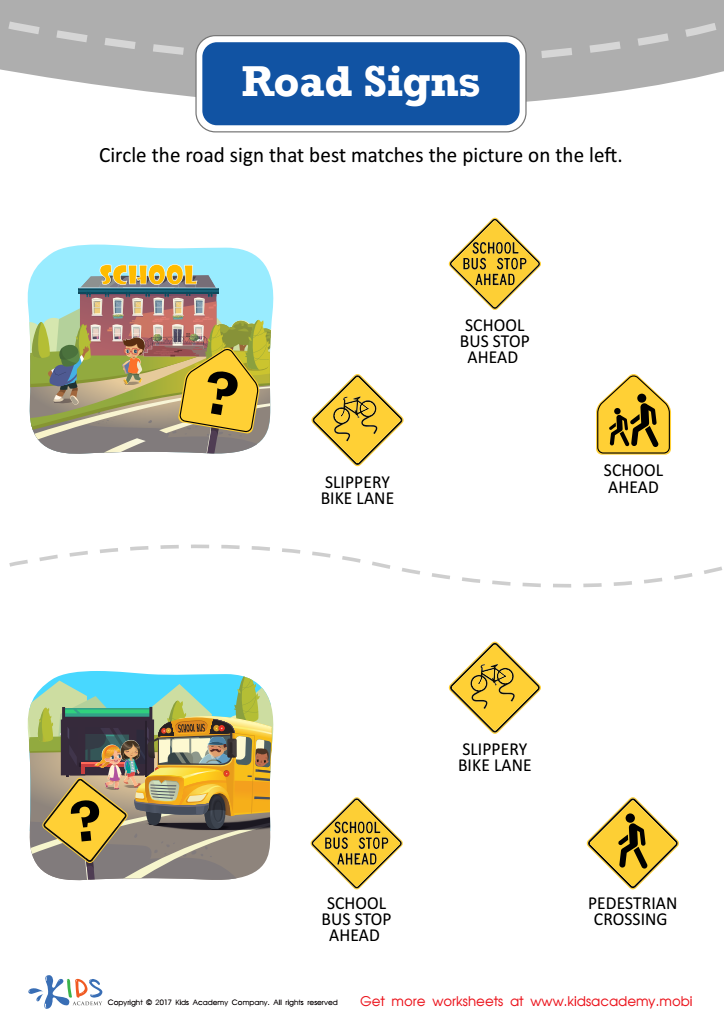
Road Signs Worksheet Printable

Road Signs (Part 1) Worksheet

Kids are exposed to danger near roads, so help them recognize traffic signs with this printable. It'll foster their reading comprehension and symbol recognition, while keeping them safe.
Road Signs (Part 1) Worksheet
Worksheet
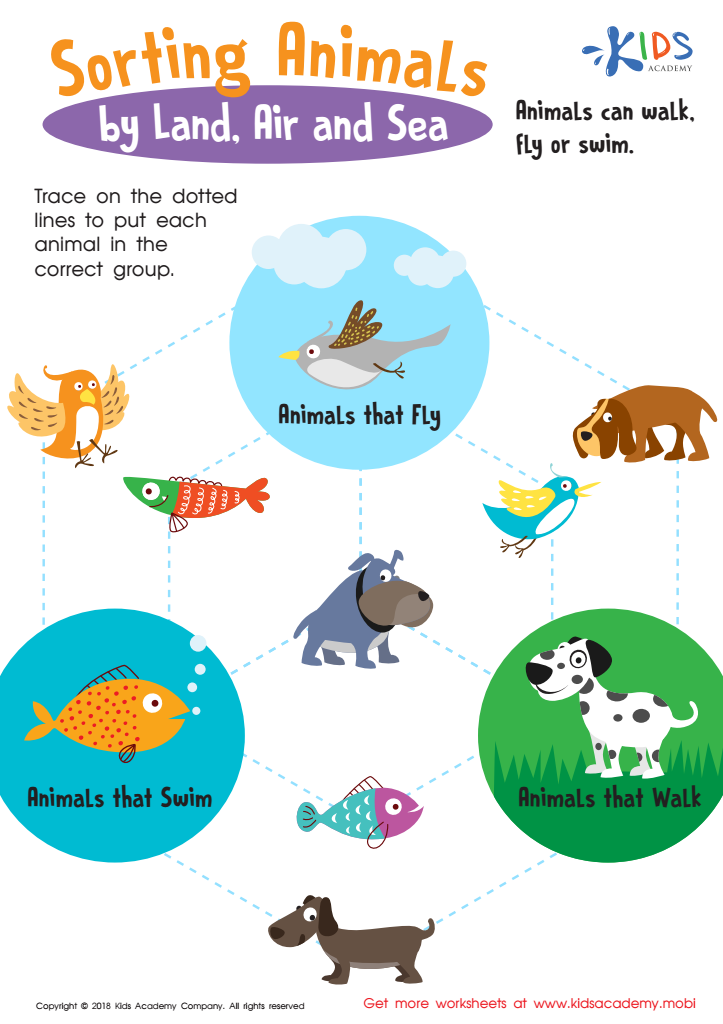
Sorting Animals by Land, Air and Sea Worksheet

Sorting Animals by Land, Air and Sea Worksheet

Kids will use critical thinking and fine motor skills with this worksheet! They'll analyze animal traits and draw lines to sort them into groups of those that fly, swim, or walk. It's a fun way to hone skills and have a great time!
Sorting Animals by Land, Air and Sea Worksheet
Worksheet
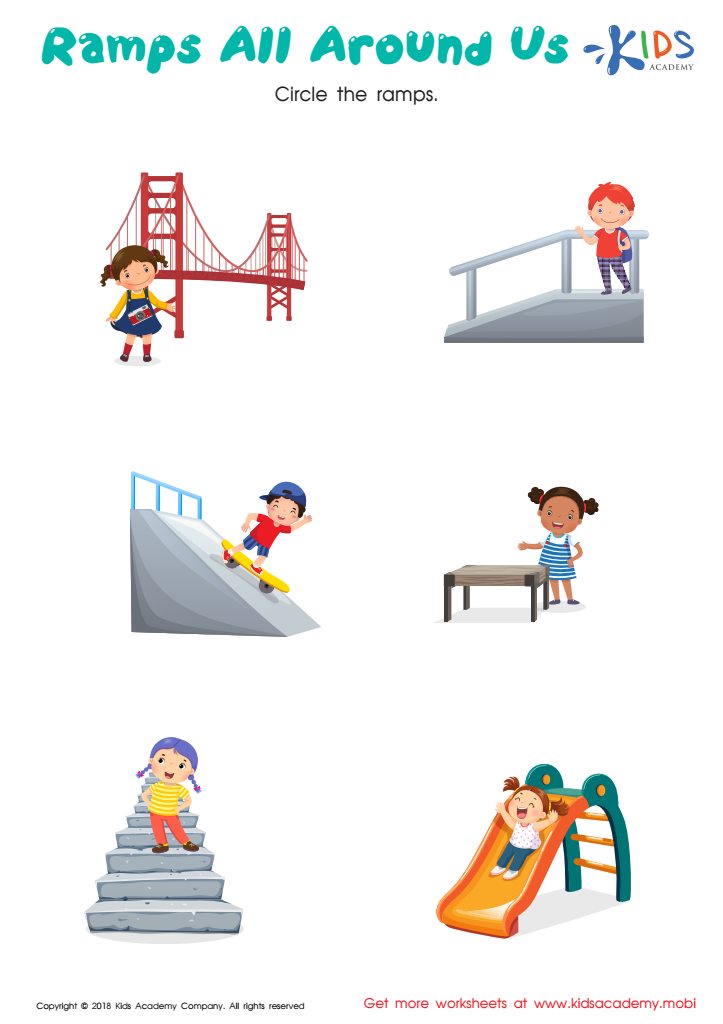
Ramps All Around us Worksheet

Ramps All Around us Worksheet

Ask your kids if they know what ramps are, then have them give you examples of places they've seen them. This worksheet has pictures of ramps - have your child identify and circle them.
Ramps All Around us Worksheet
Worksheet
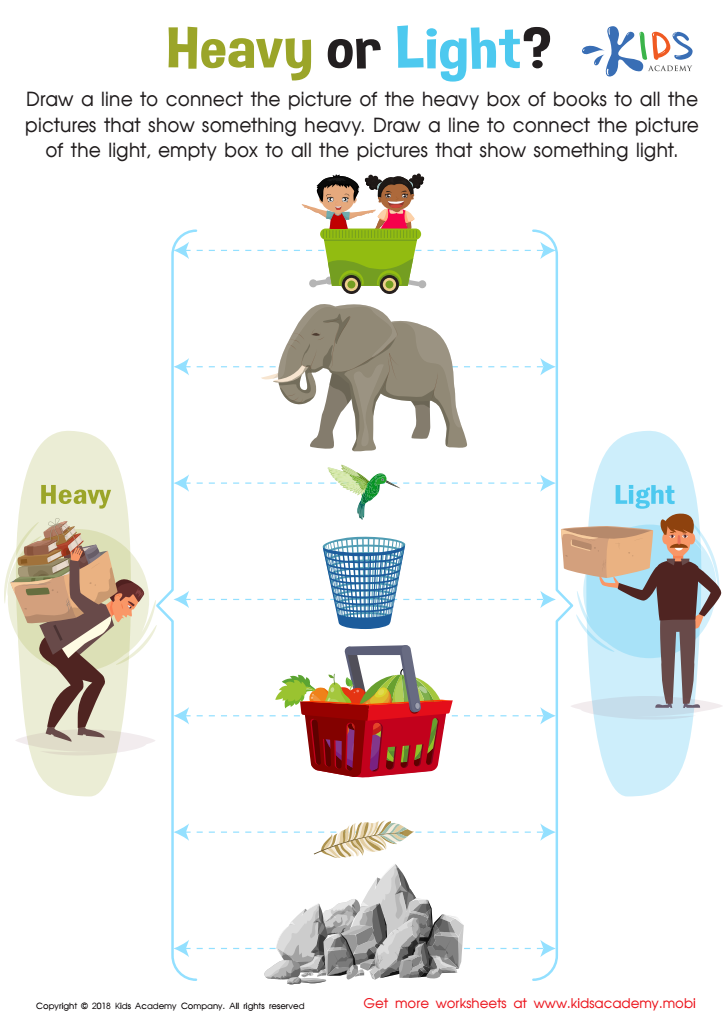
Heavy or Light? Worksheet

Heavy or Light? Worksheet

Kids can struggle to understand weight comparison, as size and mass matter. This free PDF helps develop fine-motor and hand-eye skills as kids trace lines to match pictures. The familiar pictures create concrete representations, ideal for learning more complex concepts.
Heavy or Light? Worksheet
Worksheet
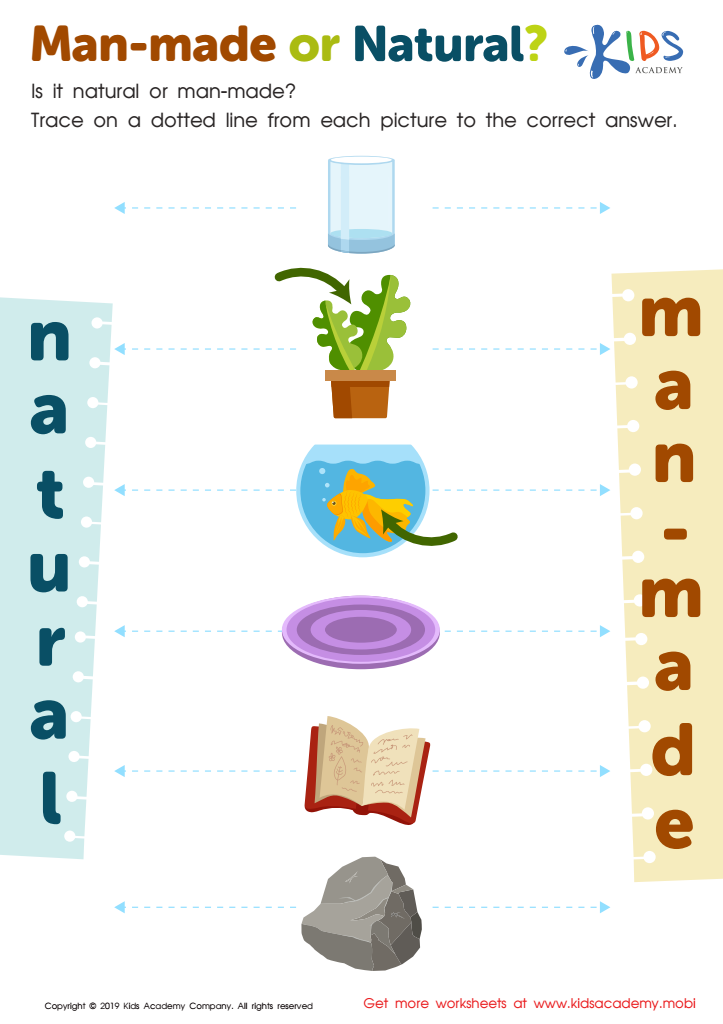
Man-Made or Natural? Worksheet

Man-Made or Natural? Worksheet

Ask your students to name natural and man-made objects. Check the worksheet to help them identify the objects, then trace the dotted line to determine if it's natural or man-made.
Man-Made or Natural? Worksheet
Worksheet
Water World Worksheet


Water World Worksheet

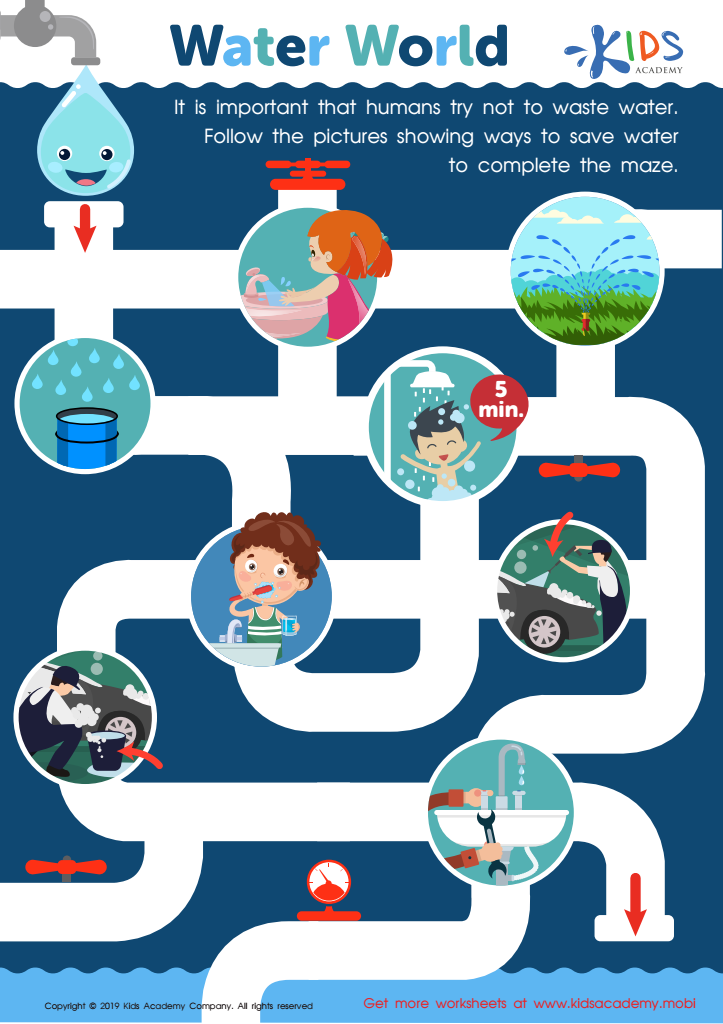
Water is a vital necessity for living. Our bodies depend on it to stay healthy and survive. When we don't drink enough water, we become thirsty and run the risk of getting sick. Luckily, our planet is full of water and natural sources to stay hydrated. To prevent water waste, use this worksheet to teach your students how to conserve it and complete the maze.
Water World Worksheet
Worksheet


Enhancing observation skills in 4-year-olds is crucial for both parents and teachers as it lays the foundation for effective learning and development. At this age, children are naturally curious, and encouraging their ability to observe the world around them can significantly enrich their cognitive growth. When children learn to notice details, patterns, and changes in their environment, they develop critical thinking skills that foster exploration and inquiry.

Moreover, strong observation skills aid in language development. As children articulate what they see, they expand their vocabulary and improve their ability to express thoughts and emotions. Socially, keen observers can better understand non-verbal cues from others, enhancing their interpersonal relationships and emotional intelligence.

Parents and teachers should also recognize that observation is foundational for literacy and numeracy. By observing shapes, colors, and quantities, children gain preliminary skills that are vital for later academic success.

Additionally, fostering these skills creates a more engaging and interactive learning experience, making education enjoyable. In sum, helping 4-year-olds to refine their observation abilities nurtures their overall development, equipping them with essential tools they will use throughout their lives. Close cooperation between parents and teachers in this endeavor can yield significant benefits for the child.