Letter-sound association Normal Worksheets for 4-Year-Olds
6 filtered results
-
From - To
Introducing our "Letter-Sound Association Normal Worksheets for 4-Year-Olds" – the perfect tool to kickstart your child's reading journey! Designed by education experts, these age-appropriate worksheets align with early learning standards to help your child make crucial connections between letters and sounds. Through fun and engaging activities, children practice recognizing letters, understanding their corresponding sounds, and begin forming the foundation for effective reading skills. Perfect for both classrooms and home use, our worksheets make learning enjoyable and effective. Give your child a head start in literacy while fostering a love for learning. Explore today for happier, smarter learners!
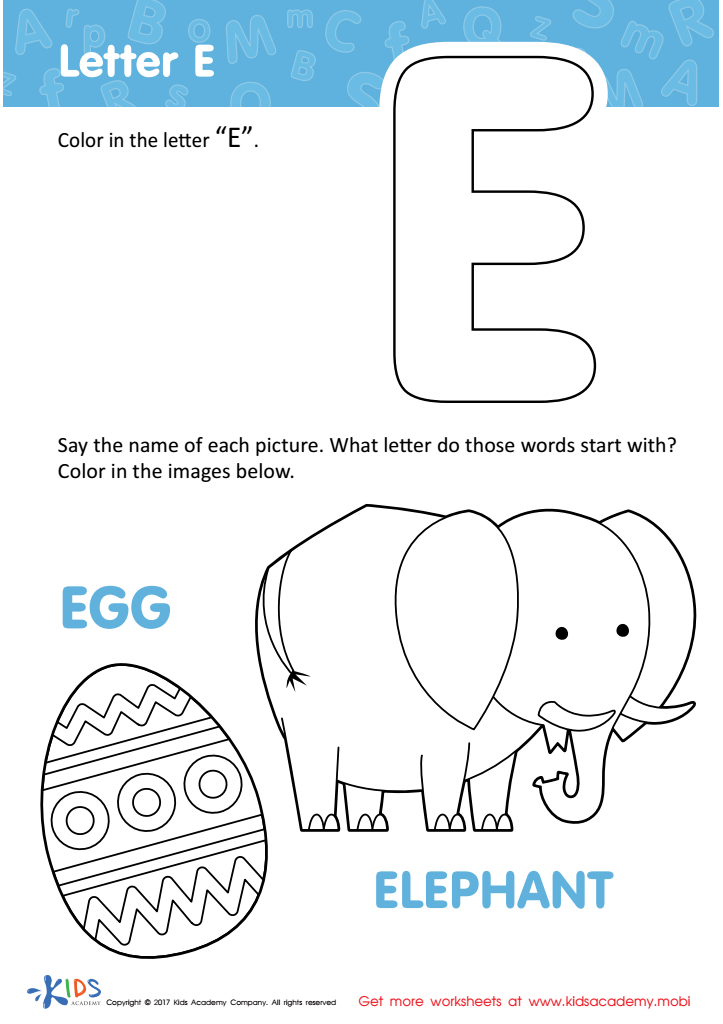
Letter E Coloring Sheet
 Assign to My Students
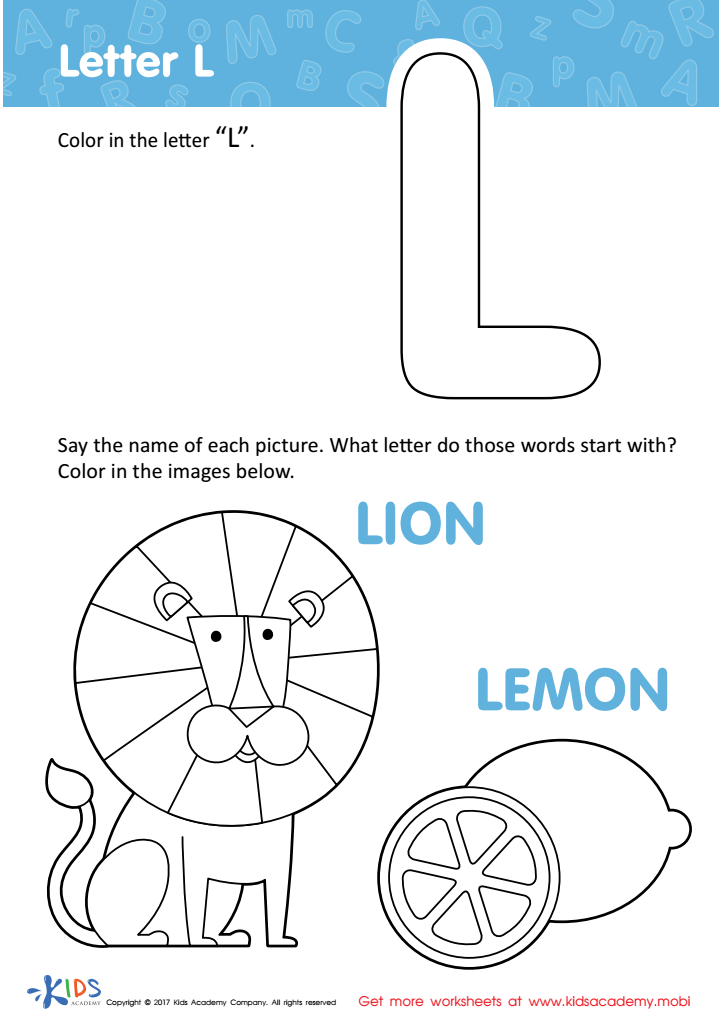
Letter L Coloring Sheet
Assign to My Students
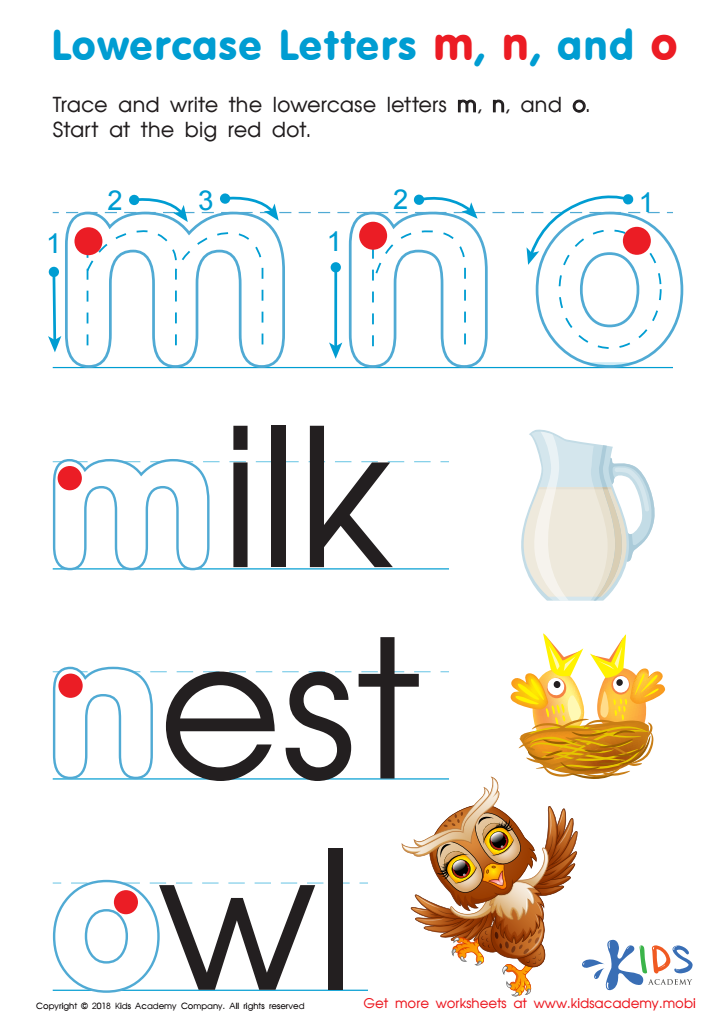
Lowercase Letters m n o Worksheet
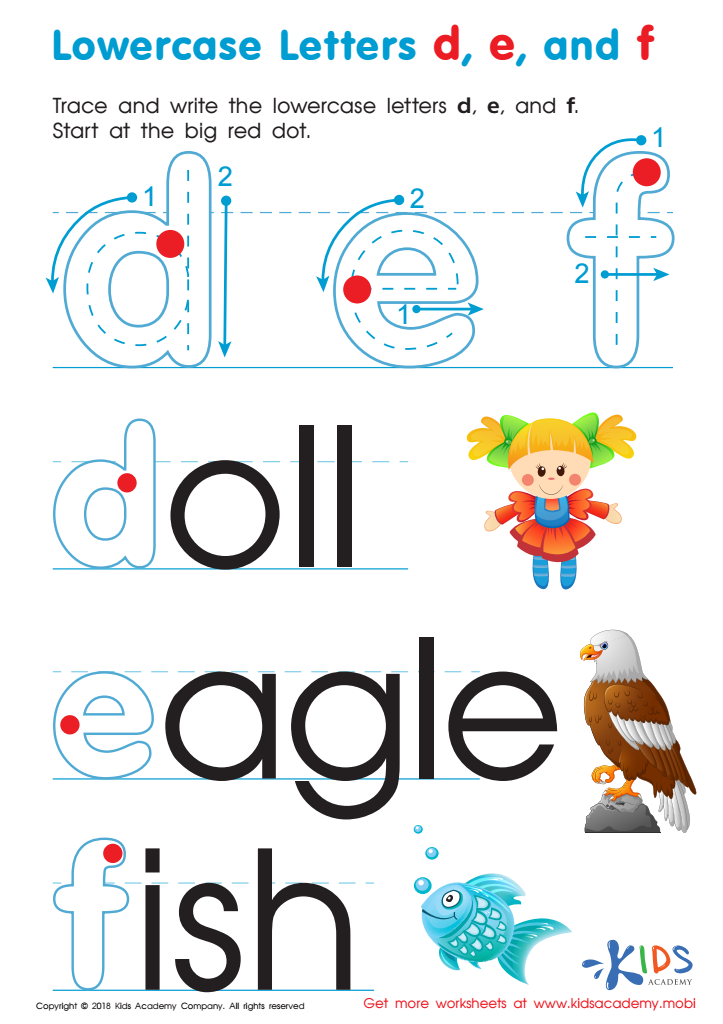
Lowercase Letters d e f Worksheet
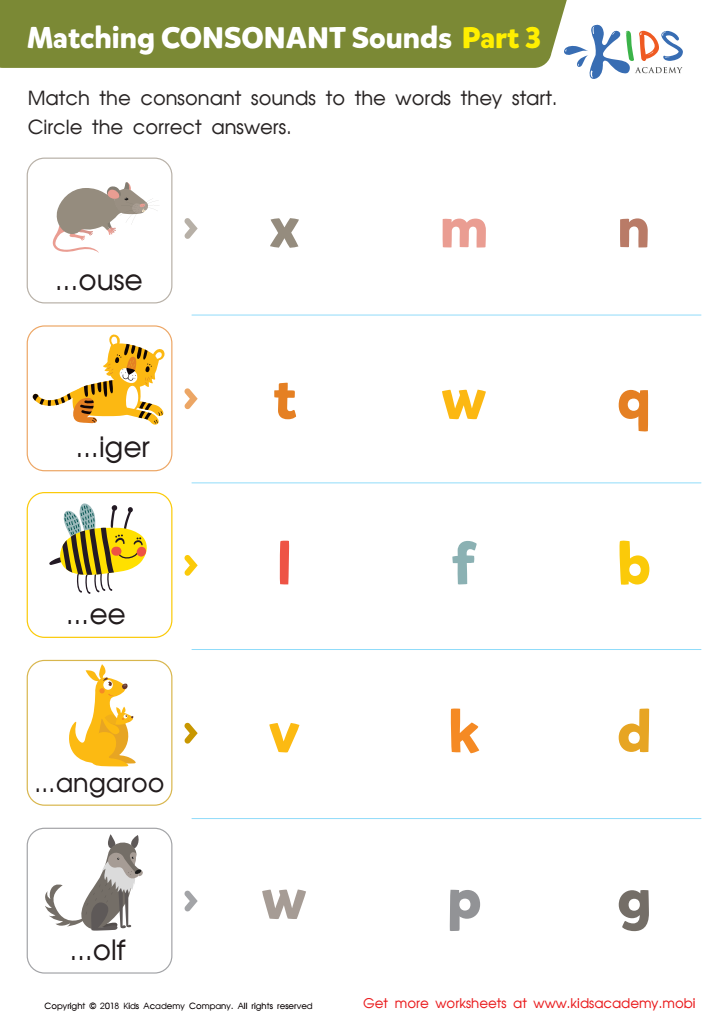
Matching Consonant Sounds: Part 3 Worksheet
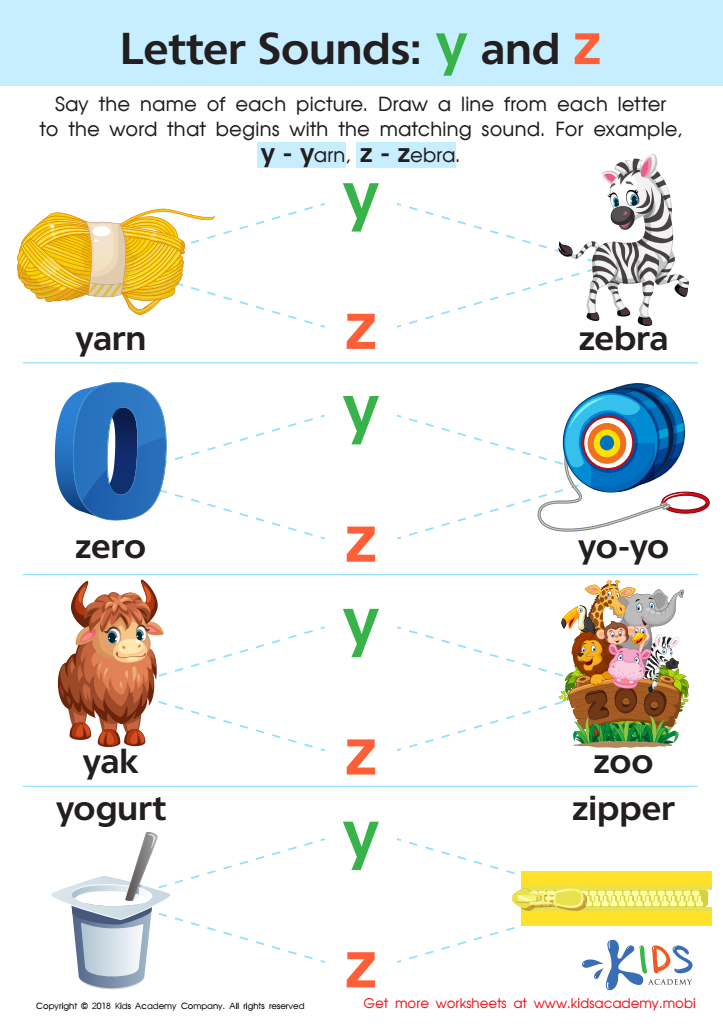
Letter Y and Z Sounds Worksheet







Letter-sound association is fundamental for early literacy development, and it is particularly crucial for 4-year-olds, as this period lays the groundwork for future reading and writing skills. Understanding the link between letters and their associated sounds empowers young children to decode words, which is a critical early step in learning to read. This basic skill simplifies the process of recognizing written words and contributes to more confident and fluent reading.
Parents and teachers should prioritize letter-sound associations to provide the child with cognitive advantages that extend beyond reading. Mastery of these associations boosts phonemic awareness, meaning children become more adept at recognizing and manipulating the sounds within words. This awareness is directly tied to better spelling, improved reading comprehension, and overall academic success.
Moreover, fostering letter-sound skills can positively impact a child's motivation and attitude towards learning. Children who readily grasp letter-sound associations often find reading activities more enjoyable and less frustrating, fueling a lifelong love for books and learning. Teachers and parents alike should capitalize on the ample opportunities within daily routines—such as storytelling, singing, and playful interactions—to reinforce these essential skills, paving the way for confident, proficient, and enthusiastic readers.








