Sound recognition Normal Worksheets for 4-Year-Olds
5 filtered results
-
From - To
Discover the perfect sound recognition worksheets for 4-year-olds on Kids Academy! Designed to enhance auditory learning, these engaging and colorful worksheets help children identify and differentiate various sounds through fun activities. Each worksheet features age-appropriate exercises that strengthen listening skills, phonemic awareness, and early literacy abilities. Perfect for parents and teachers, our printable resources support your child's educational journey with interactive tasks like matching sounds with pictures and identifying beginning sounds of familiar words. Foster your child’s curiosity and auditory development with our expert-crafted sound recognition worksheets today!
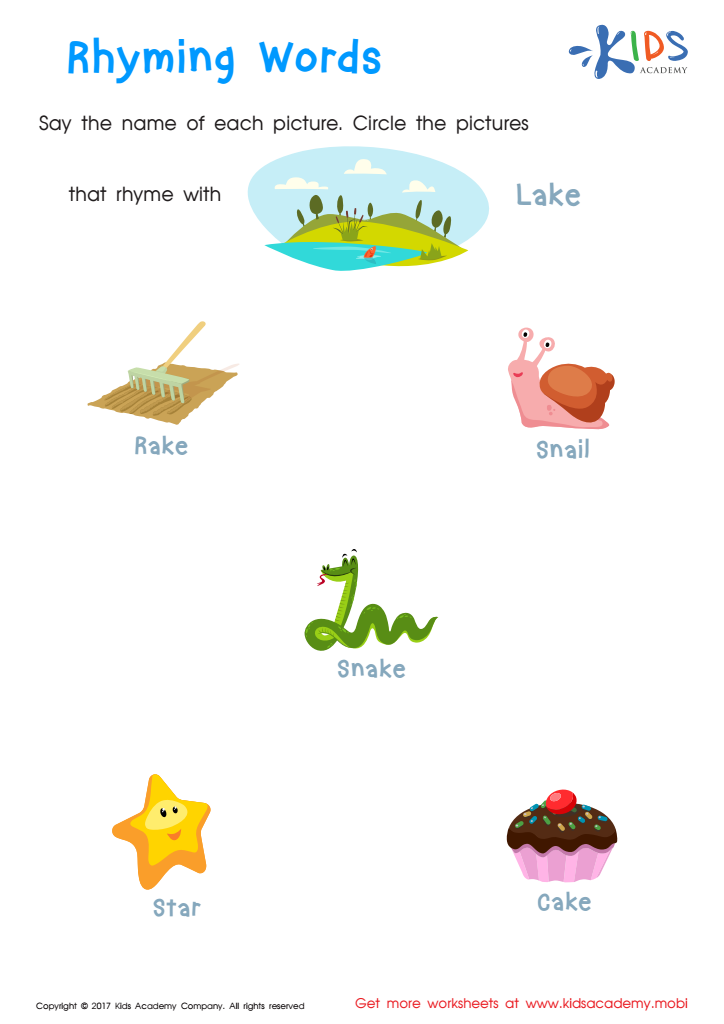
Rhyming Words Rhyming Worksheet
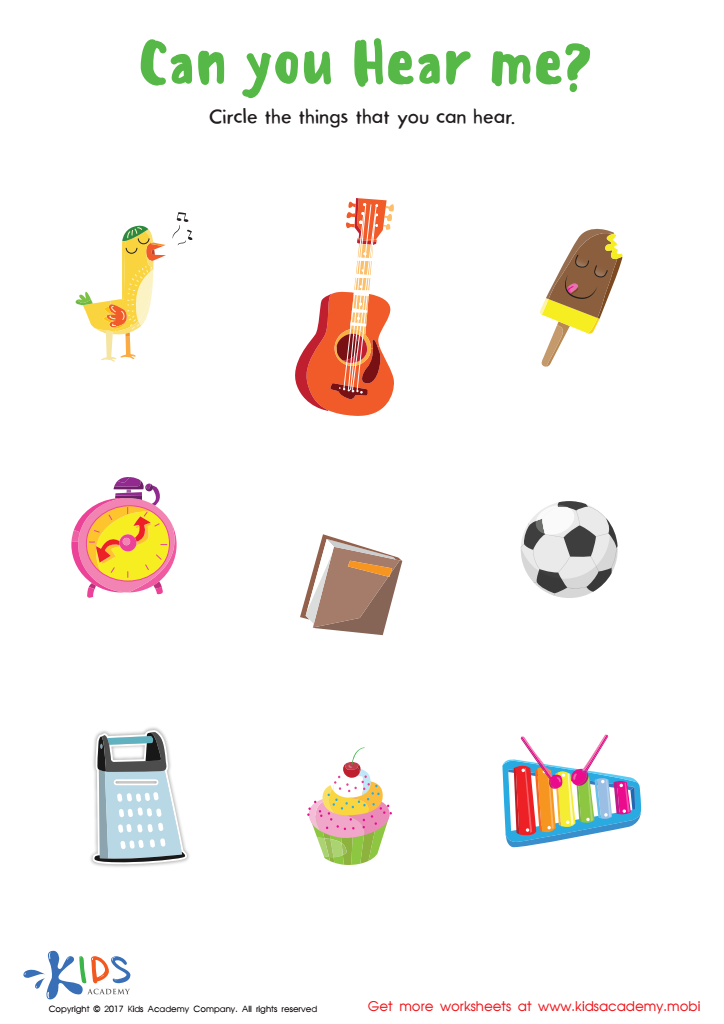
Can You Hear Me Worksheet

Long and Short U Worksheet
 Assign to My Students
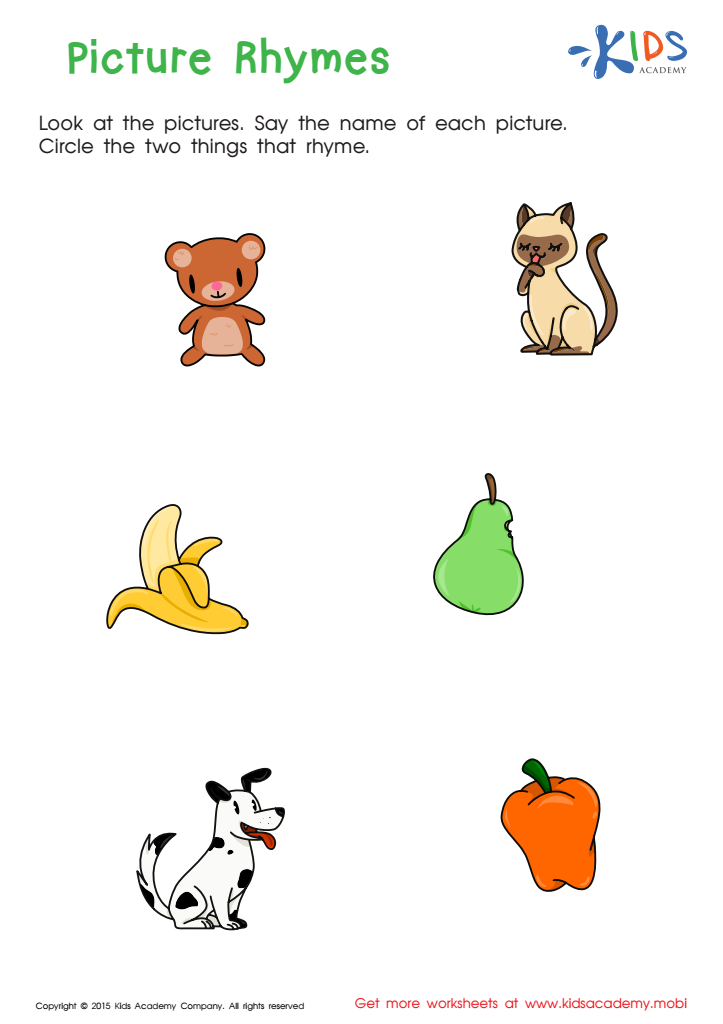
First Words: Picture Rhymes Worksheet
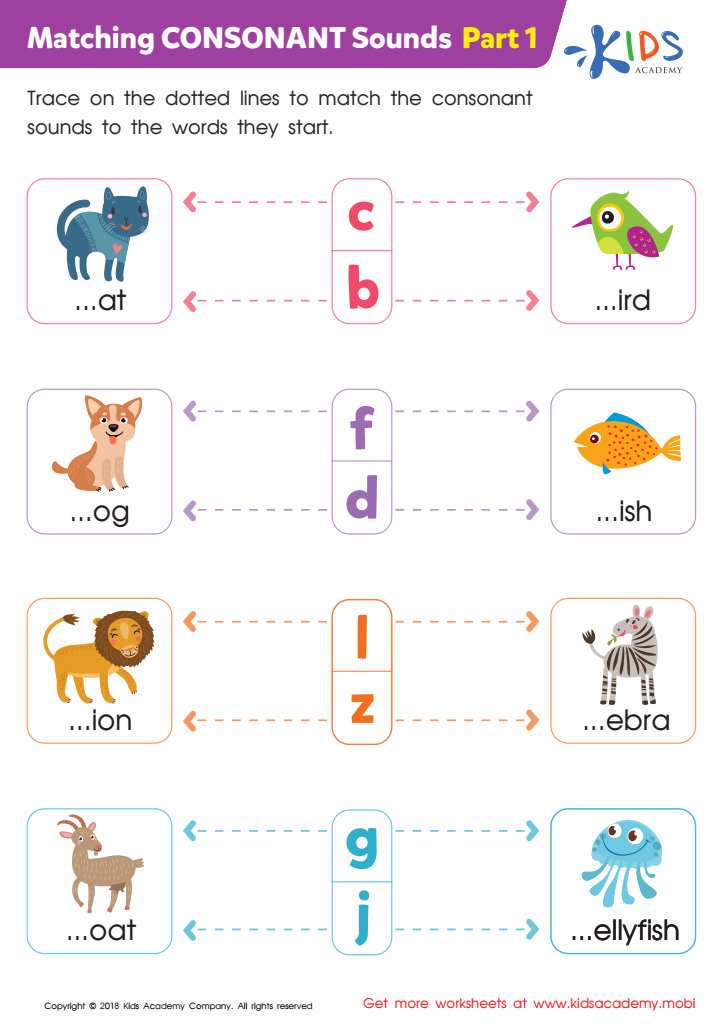
Matching Consonant Sounds: Part 1 Worksheet





Sound recognition is a fundamental skill for 4-year-olds, serving as a cornerstone in their language and cognitive development. For parents and teachers, emphasizing sound recognition is crucial for several reasons:
-
Language Development: During early childhood, the brain is highly receptive to auditory information. Recognizing and distinguishing sounds helps children form the basis of phonemic awareness, essential for later reading and writing skills. Sound differentiation aids in learning new words and understanding the nuances of language.
-
Communication Skills: Mastery in sound recognition enhances children's ability to articulate words correctly, improving overall speech clarity and encouraging effective communication. This is instrumental in social interactions, allowing children to express their thoughts and feelings clearly.
-
Pre-Reading Skills: Sound recognition is intrinsically linked to phonological awareness. Understanding that words are made up of smaller sound units prepares children for reading by helping them grasp alphabetic principles and decoding words.
-
Cognitive Development: Engaging in sound recognition activities strengthens neural pathways associated with memory, attention, and auditory processing. It lays the groundwork for advanced cognitive functions like listening comprehension and critical thinking.
By prioritizing sound recognition in early childhood, parents and teachers set a strong foundation for a child's academic success and overall cognitive growth. This investment in their early years fosters lifelong language skills and educational attainment.








