Reading comprehension Normal 2D Shapes Worksheets for 4-Year-Olds
4 filtered results
-
From - To
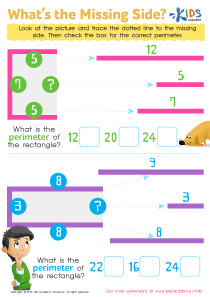
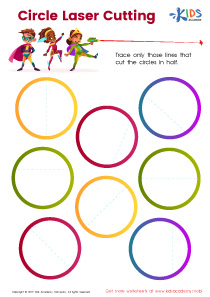
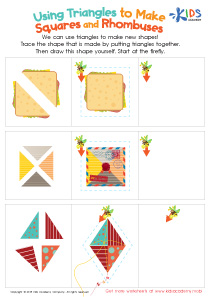
Nurture early learning with our "Reading Comprehension Normal 2D Shapes Worksheets for 4-Year-Olds." These engaging worksheets are designed to blend basic shape recognition with reading comprehension for preschoolers. Each activity sheet introduces simple 2D shapes through fun, interactive stories that bolster understanding and retention. By merging colorful illustrations and easy-to-read text, young learners will enhance their shape identification skills while also developing critical early reading abilities. Perfect for both classroom and at-home learning, our worksheets provide an enjoyable pathway to essential educational growth for your little ones. Ignite an early love for reading and math today!
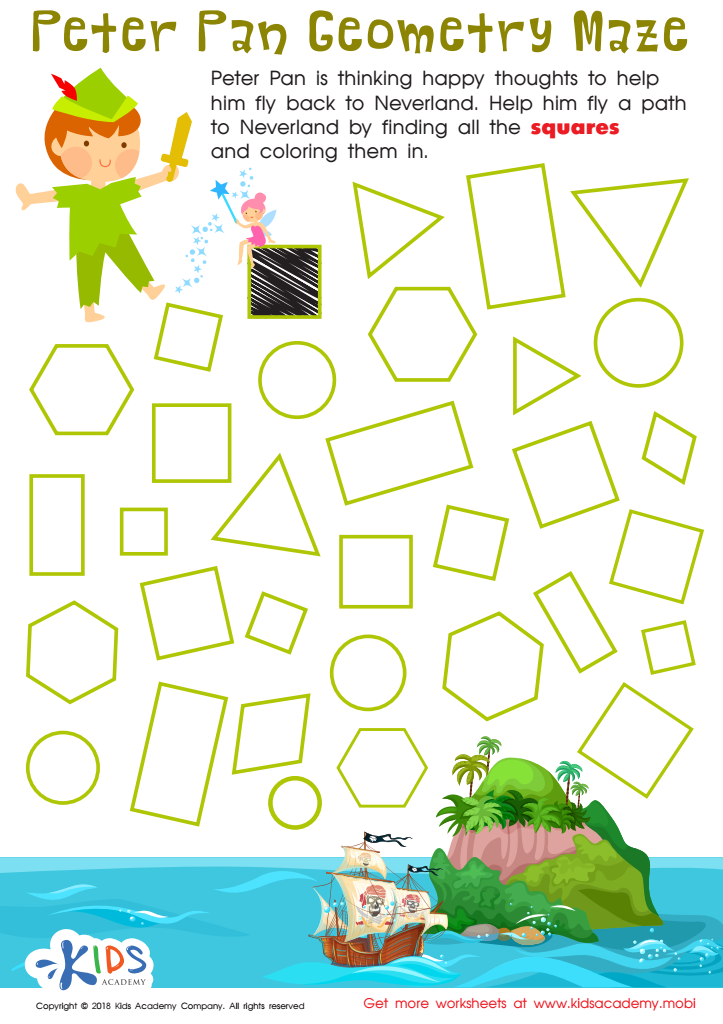
Peter Pan Worksheet
 Assign to My Students


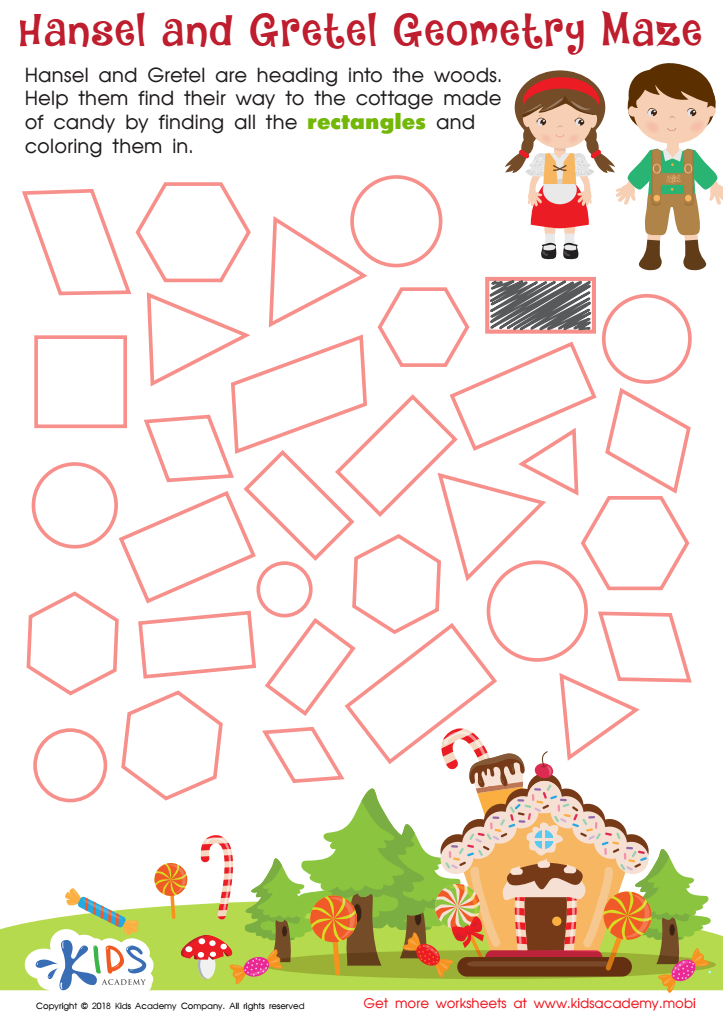
Hansel and Gretel Geometry Maze Worksheet
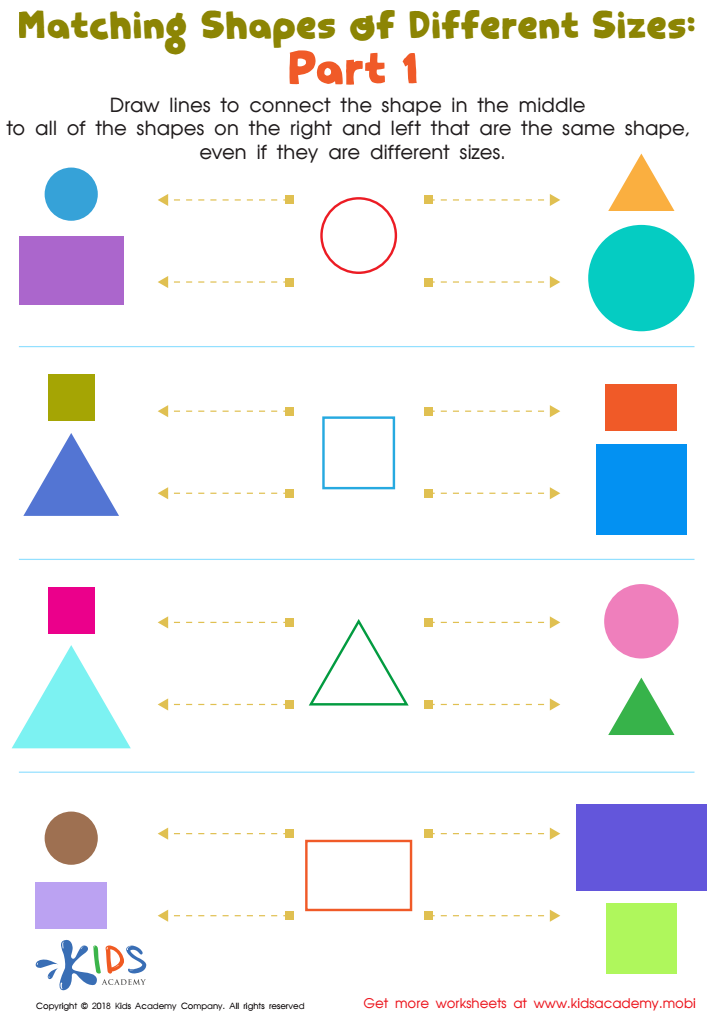
Geometry: part 1 Worksheet
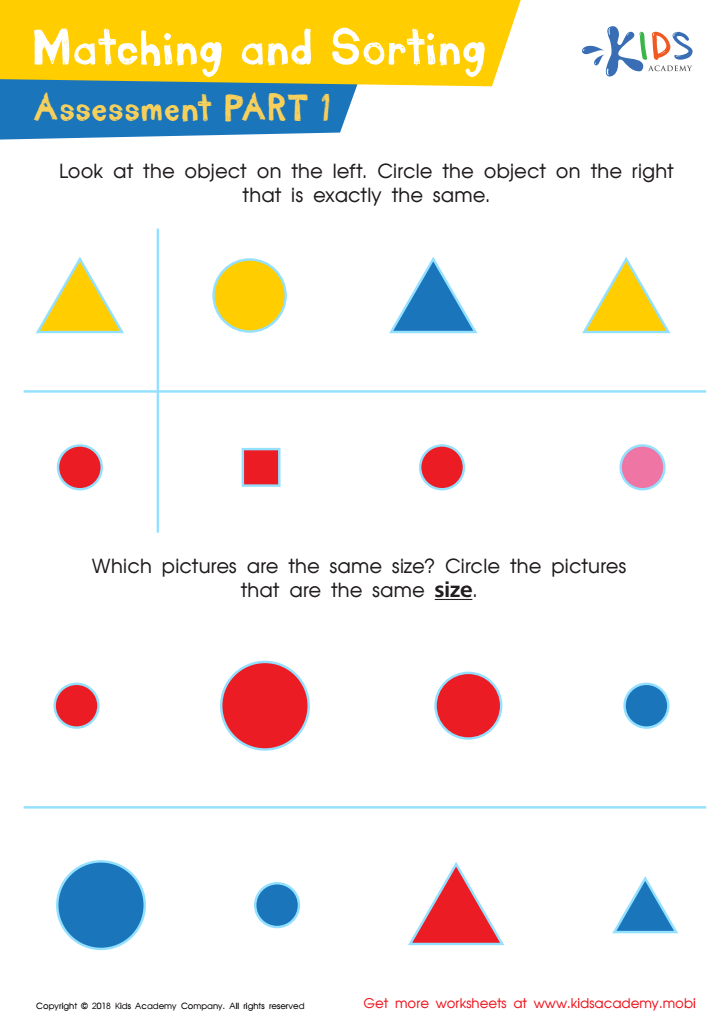
Matching and Sorting for Kindergarten: Assessment 1 Worksheet








Reading comprehension and familiarity with 2D shapes are fundamental building blocks for developmental milestones in 4-year-olds that parents and teachers should prioritize. At this early age, children are rapidly developing cognitive, linguistic, and motor skills. Introducing them to reading comprehension practices fosters improved vocabulary, enhances understanding of sentence structure, and strengthens their ability to follow instructions. This sets a foundation for future academic success across all subjects.
Simultaneously, learning about normal 2D shapes—such as circles, squares, triangles, and rectangles—enhances a child's spatial awareness and geometric literacy. Recognizing and naming these shapes contributes to their mathematical abilities, allowing kids to understand patterns, relationships, and problem-solving strategies. Moreover, it aids in everyday tasks like discerning objects and understanding visual information.
By embedding reading comprehension and 2D shape recognition in early education, parents and teachers provide the dual benefit of nurturing a versatile skill set. This combination supports a child's intellectual growth holistically. It ensures they are well-equipped to tackle more complex concepts as they progress in school. Engaging teaching methods like storytelling, interactive games, and hands-on activities make learning enjoyable and effective, fostering a lifelong love for reading and mathematics.