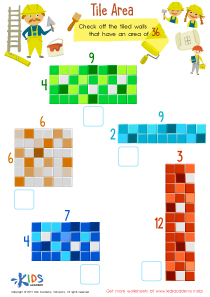
Fine Motor Skills Normal Matching Worksheets for 4-Year-Olds
4 filtered results
Difficulty Level
Grade
Age
-
From - To
Subject
Activity
Standards
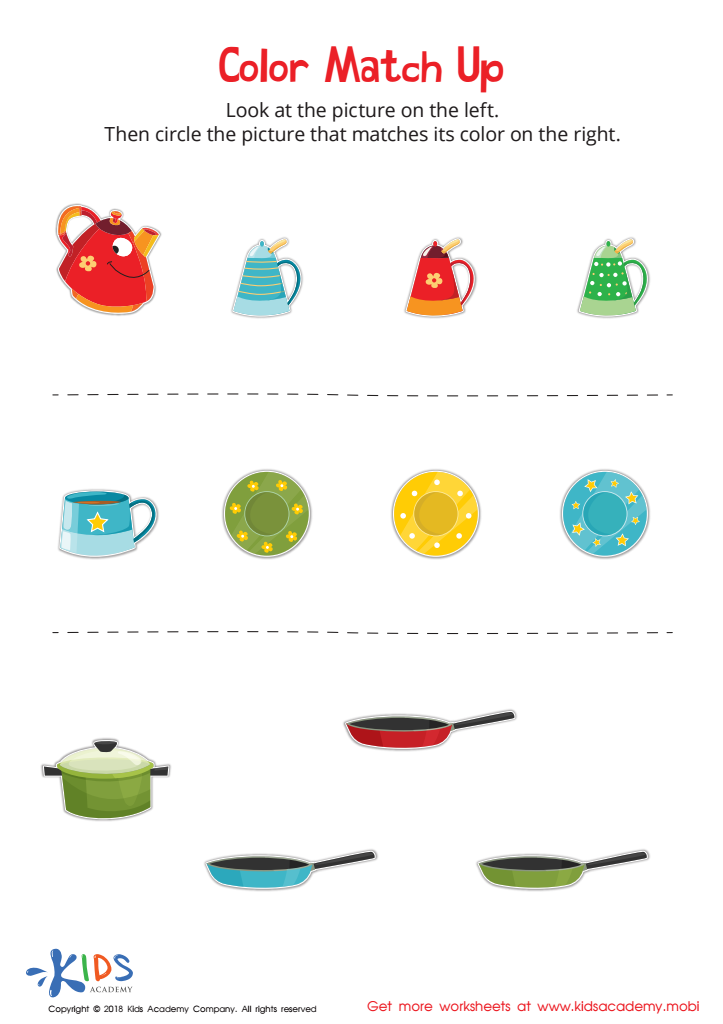
Enhance your child's fine motor skills with our engaging Normal Matching Worksheets, specifically designed for 4-year-olds. These activities are tailored to support the development of hand-eye coordination and precision, essential for early learning success. Perfect for home or classroom use, our worksheets combine fun matching exercises with educational objectives, fostering both cognitive growth and motor skill refinement. Ideal for little hands, these worksheets take a playful approach to learning, ensuring your child enjoys the journey towards improved dexterity and control. Give your young learners a head start with our educational and entertaining matching worksheets today!
Favorites
With answer key
Interactive
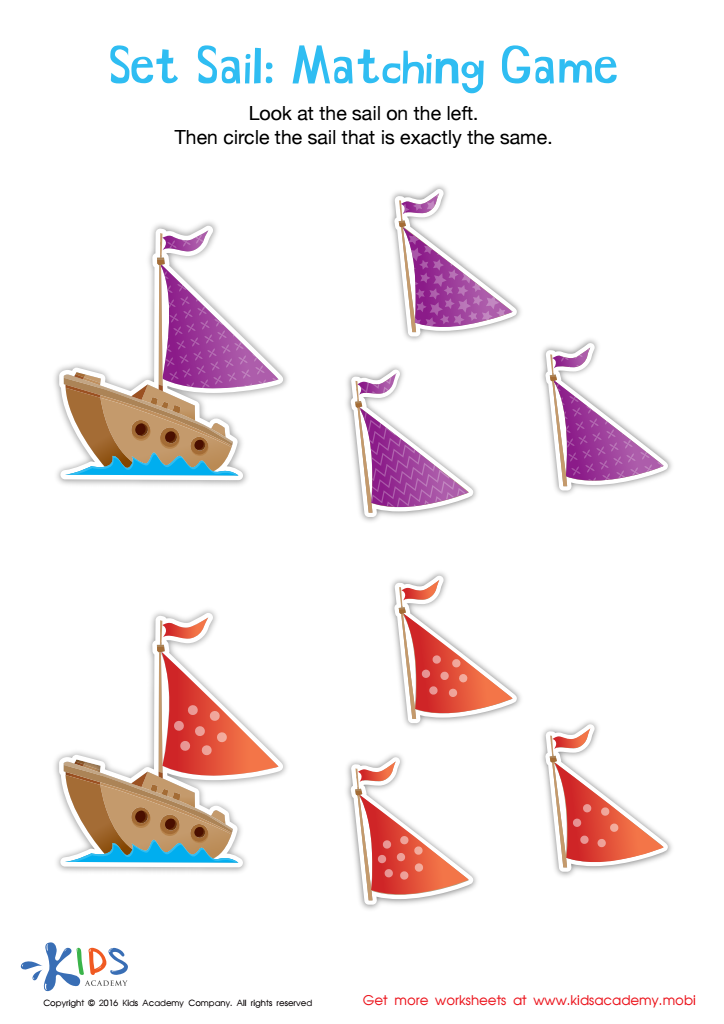
Set Sail Worksheet
Set sail with this fun matching game for toddlers! Kids will love finding the same pattern on the sails, improving their problem-solving and counting skills. Enjoy this bright and engaging worksheet!
 Assign to My Students
Set Sail Worksheet
Worksheet

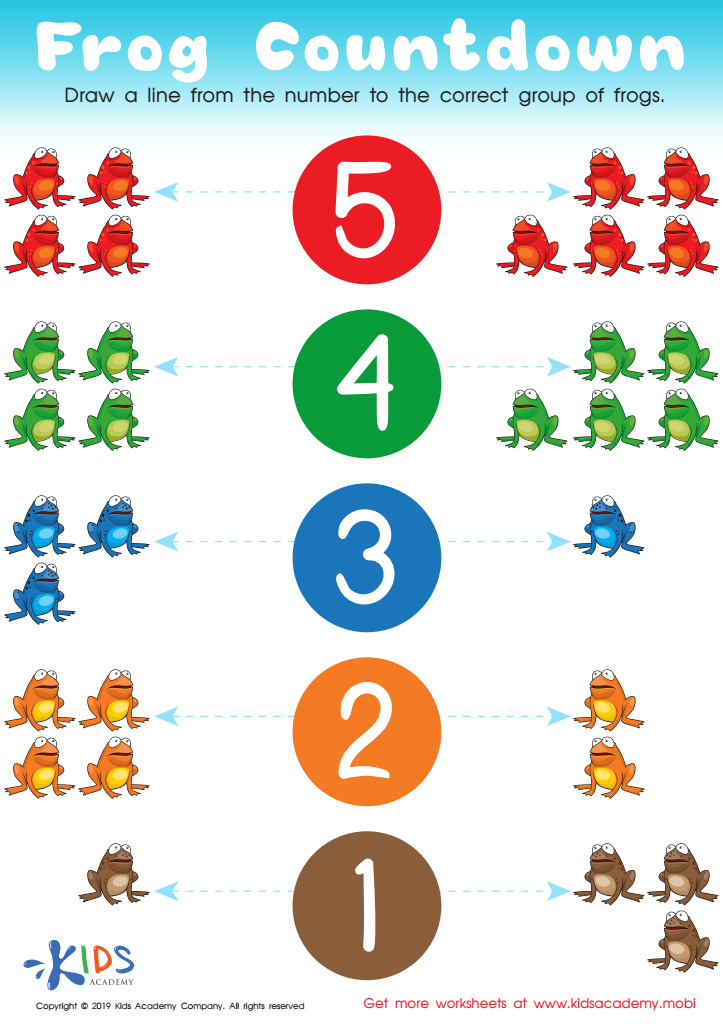
Frog Countdown Worksheet
Make learning fun for kids with traceable printouts! This exercise has kids counting frogs and drawing a line to match the number. Expand their knowledge with activities like this, beyond the basics they learn in school. Help them explore new ways of learning and make it enjoyable.
Frog Countdown Worksheet
Worksheet
Join Kids Academy for Free
Who is primarily going to use this learning content?







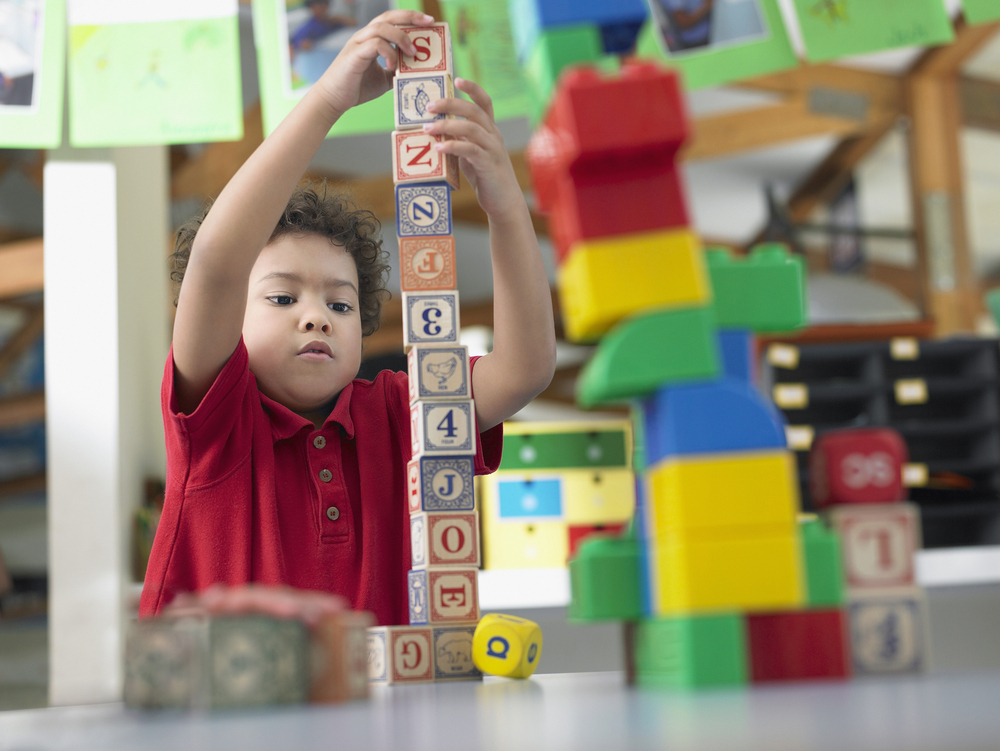
Understanding and nurturing fine motor skills in 4-year-olds is crucial for both parents and teachers. Fine motor skills involve the coordination of small muscles, particularly in the hands and fingers, which are essential for performing everyday tasks such as writing, buttoning clothes, using utensils, and more. At the age of four, children are at a developmental stage where they are refining these skills, which are foundational for their academic and personal independence.
When parents and teachers prioritize the development of fine motor skills, they contribute to the child’s overall cognitive and physical growth. Activities like drawing, cutting with scissors, molding clay, and playing with building blocks can significantly enhance these skills. Strong fine motor abilities aid in better handwriting, which is crucial for academic success as it affects how well children can express their thoughts and knowledge on paper.
Moreover, proficient fine motor skills promote self-esteem and confidence in children as they become more adept at managing daily tasks independently. Parents and teachers should therefore integrate fine motor skill-building activities into playtime and educational settings. Monitoring and supporting the development of these skills ensures that children are on track with their peers, reducing the likelihood of frustration or delays in learning and day-to-day activities.