Shape Recognition Normal Matching Worksheets for 4-Year-Olds
5 filtered results
-
From - To
Enhance your child's shape recognition skills with our engaging Normal Matching Worksheets designed specifically for 4-year-olds. These worksheets feature fun, colorful illustrations that encourage young learners to identify and match various shapes, fostering both cognitive development and visual discrimination. Perfect for at-home learning or classrooms, our worksheets promote critical thinking as children connect shapes with corresponding objects. The easy-to-follow layout ensures that your child will enjoy the process while building foundational math skills. Integrate playful learning into your child's routine and watch their confidence grow as they master shape recognition with these interactive worksheets!
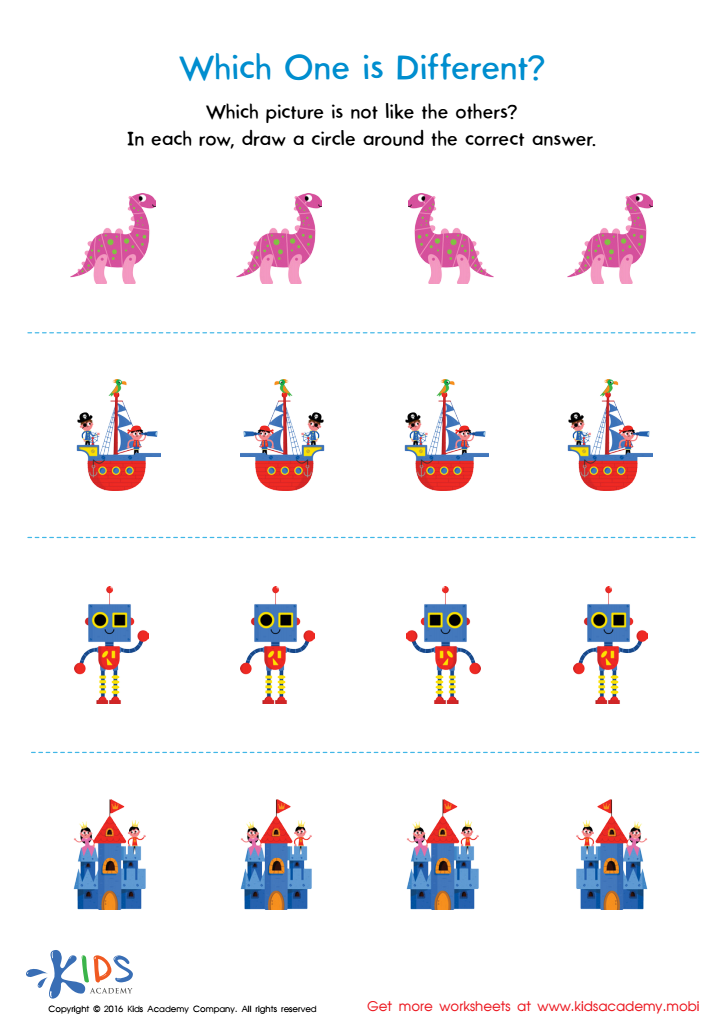
Which One Is Different Worksheet
 Assign to My Students
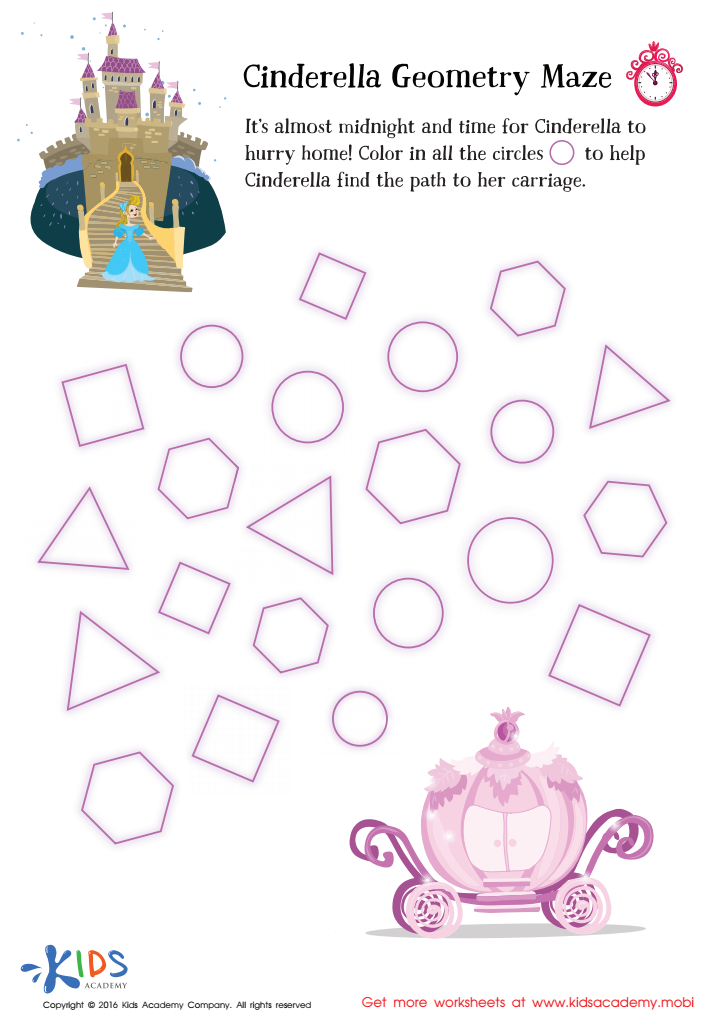
Cinderella Geometry Maze Worksheet
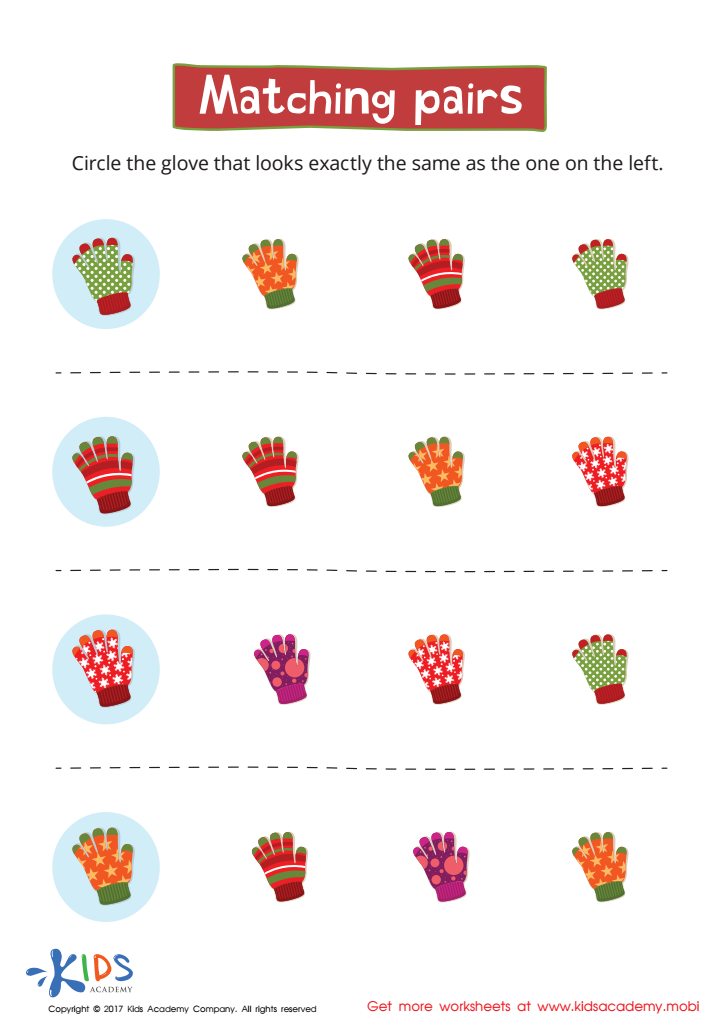
Matching: Matching Pairs Worksheet
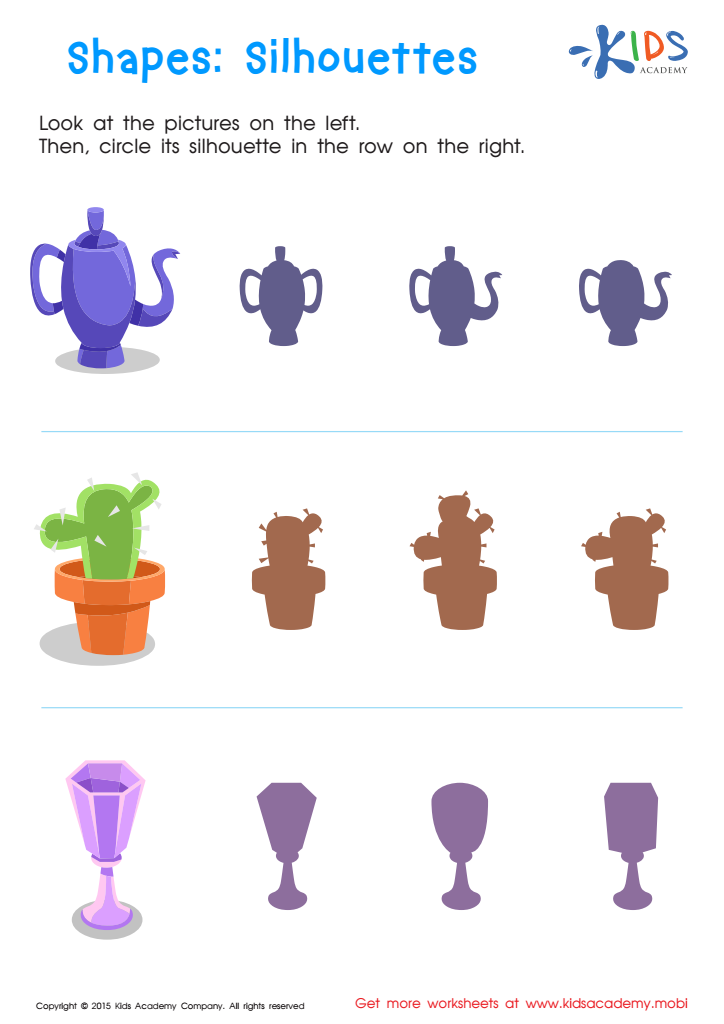
Silhouettes – Shapes Worksheet








Shape recognition is a foundational skill that plays a crucial role in early childhood development, particularly for 4-year-olds. Parents and teachers should care about this developmental milestone because it sets the stage for essential cognitive abilities and future learning. Recognizing shapes supports children's mathematical reasoning, as it helps them understand concepts such as symmetry, patterns, and spatial awareness. These skills are vital for progression in mathematics and help children make sense of the world around them.
Furthermore, shape recognition enhances critical thinking and problem-solving skills. By comparing and contrasting different shapes—especially through activities like shape matching—children sharpen their observational skills and encourage analytical thinking. Fine motor skills also get a boost through hands-on activities involving shapes, contributing to overall physical development.
In addition, engaging children in shape recognition activities can promote language development as they learn to describe shapes using appropriate vocabulary. This playful learning environment reinforces not only academic skills but also social and emotional growth. By valuing and nurturing shape recognition, parents and teachers lay a strong educational foundation that will facilitate their child's overall development and lifelong learning.








