Visual discrimination Normal Matching Worksheets for 4-Year-Olds
3 filtered results
-
From - To
Enhance your child's visual discrimination skills with our engaging Normal Matching Worksheets designed specifically for 4-year-olds! These worksheets provide fun and interactive activities that help young learners distinguish between similarities and differences in various shapes and images. Perfect for developing attention to detail and critical thinking, each activity encourages preschoolers to match items, strengthening their visual perception. These printable resources are an excellent tool for reinforcing math concepts while keeping kids entertained and engaged. Foster early learning and support your child's education with our thoughtfully crafted worksheets that make learning both effective and enjoyable. Start matching and discovering today!
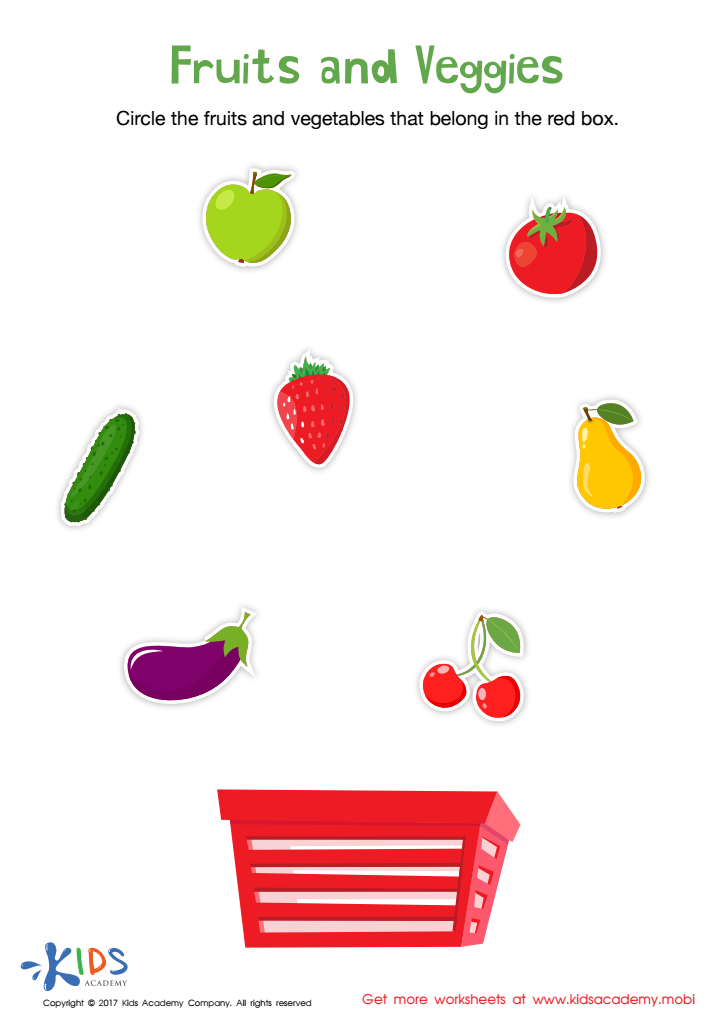
 Assign to My Students
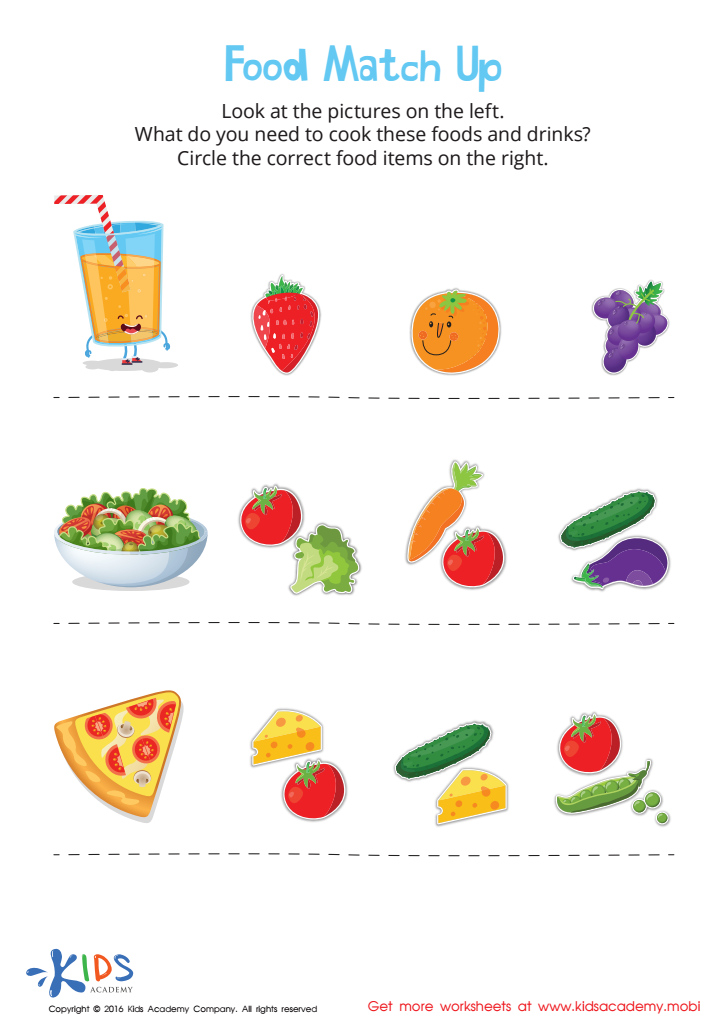
Food Match Up Worksheet
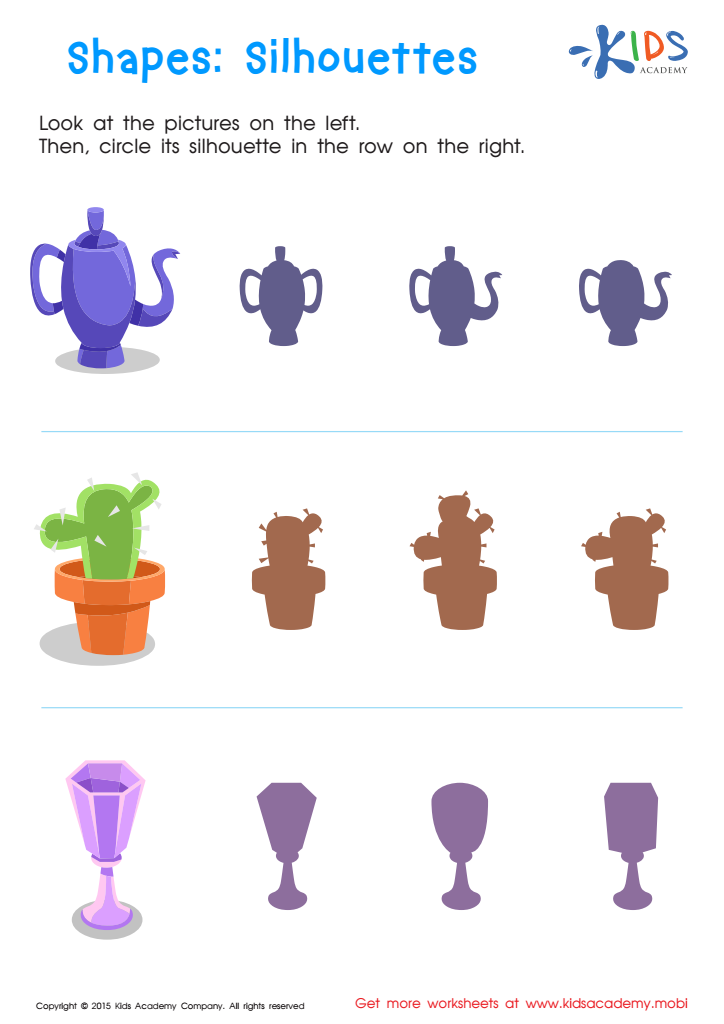
Silhouettes – Shapes Worksheet







Visual discrimination and normal matching are crucial skills for 4-year-olds, particularly as they form the foundation for later academic success. Visual discrimination refers to the ability to recognize and differentiate between different shapes, colors, sizes, and patterns. This skill helps children identify critical information, whether reading text or navigating their environment. Normal matching, which involves pairing similar items or identifying similarities and differences, supports cognitive development and encourages critical thinking.
Parents and teachers should care about these skills because they directly impact a child's ability to learn and succeed in school. Children with strong visual discrimination skills are better equipped to recognize letters and numbers, leading to improved reading and math proficiency. Additionally, these skills enhance a child's problem-solving abilities and promote independence in learning.
Engaging in activities that foster visual discrimination and matching helps improve concentration and attention span. Creative activities, including puzzles, sorting games, and matching cards, can make learning enjoyable while building these essential skills. As children develop competence in these areas, they gain self-esteem and confidence in their abilities, fostering a lifelong love for learning. Ultimately, investing attention in visual discrimination and normal matching is key to supporting a child's early educational journey.








