Sight word recognition Normal Building Vocabulary Worksheets for 4-Year-Olds
3 filtered results
-
From - To
Discover our engaging "Sight Word Recognition Normal Building Vocabulary Worksheets" designed specifically for 4-year-olds! Our worksheets provide a fun and interactive way to help young learners recognize sight words, which are essential for reading fluency. Through visually appealing activities, games, and exercises, children will enhance their vocabulary, develop essential reading skills, and boost their confidence. These worksheets cater to varying learning styles, ensuring every child can thrive. Ideal for both classroom and home use, our resources create an enjoyable learning experience that fosters a love for reading. Start building a strong literacy foundation today with our thoughtfully crafted worksheets!
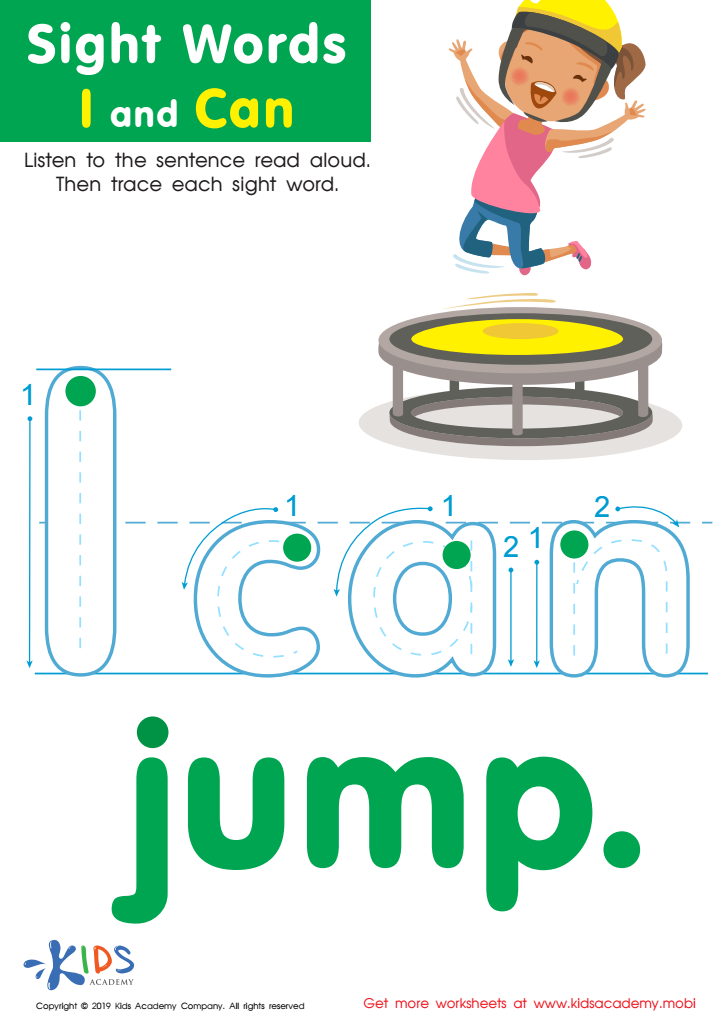
Sight Words I Can Worksheet
 Assign to My Students











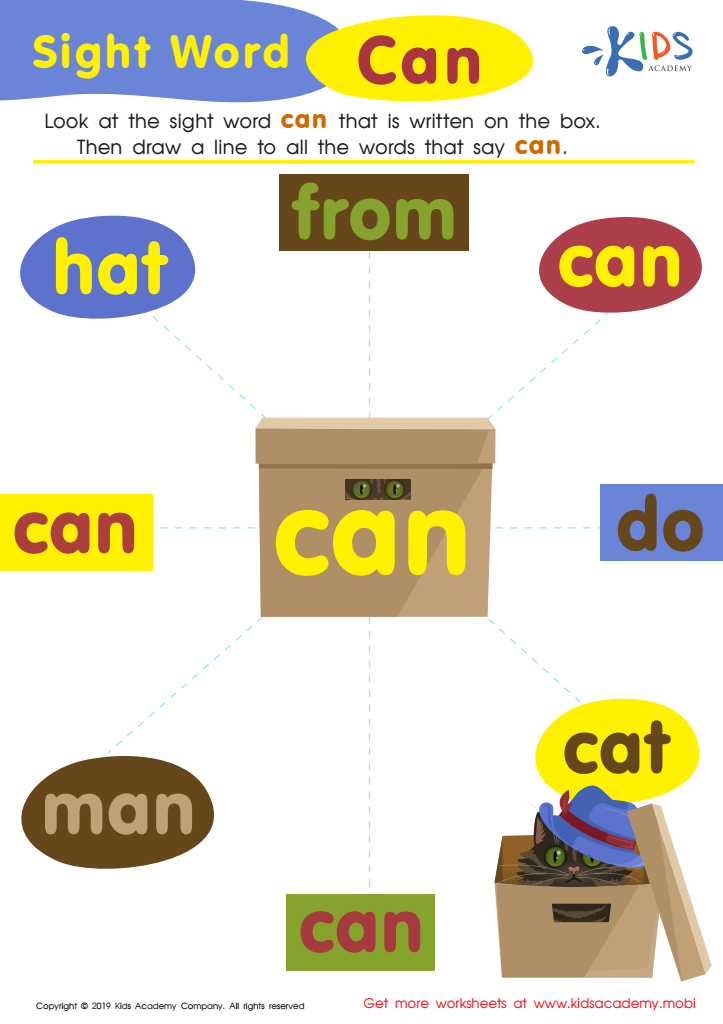
Sight Word Can Worksheet
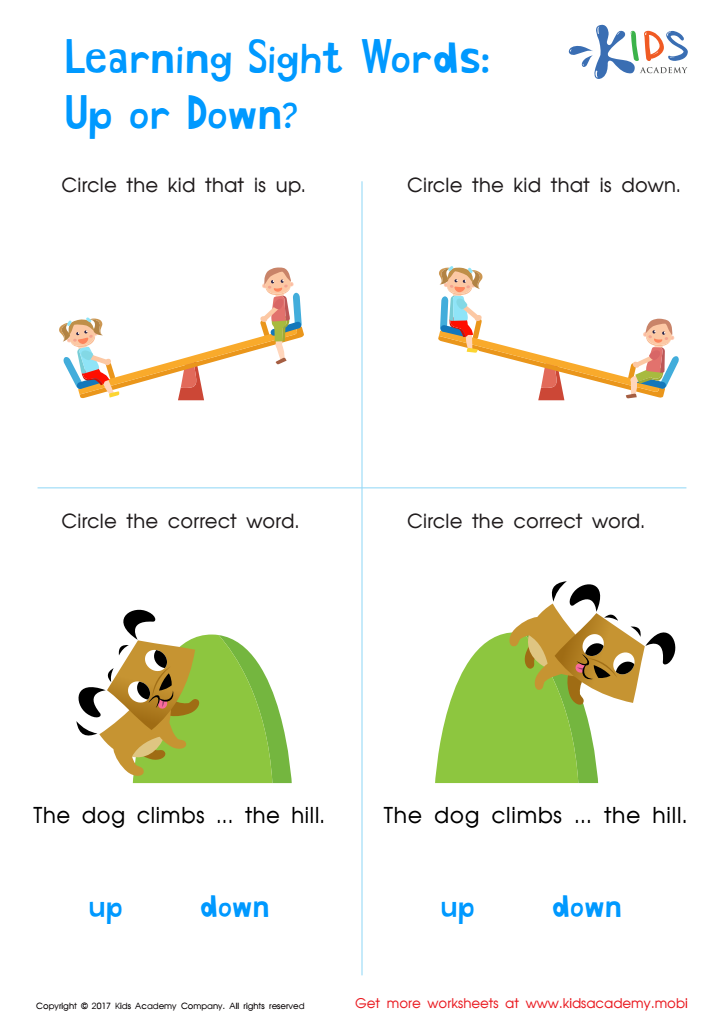
Up or Down Printable Sight Words Worksheet







.jpg)
Sight word recognition and vocabulary building are foundational to early literacy development in 4-year-olds. At this crucial stage, children begin to grasp the relationship between written and spoken language. Sight words—common words like "the," "and," and "is"—are vital because they frequently appear in texts. When children recognize these words instantly, it enhances their ability to read fluently. This fluency is essential for comprehension; if a child struggles with basic words, their understanding of sentences will be compromised.
Building vocabulary at such an early age is equally important as it expands a child’s language skills and cognitive development. A rich vocabulary enables children to express themselves clearly and enhances their ability to understand more complex ideas and concepts in conversational and academic contexts. Parents and teachers play a critical role by engaging children with interactive reading sessions, storytelling, and vocabulary games.
By fostering both sight word recognition and vocabulary growth, parents and teachers help children become confident readers and communicators. This investment in their literacy skills lays a strong foundation for future academic success, ensuring that children are better equipped to navigate the world around them and engage meaningfully with the stories and knowledge they encounter.








