Reading comprehension Normal Reading Fiction Worksheets for 4-Year-Olds - Page 2
27 filtered results
-
From - To
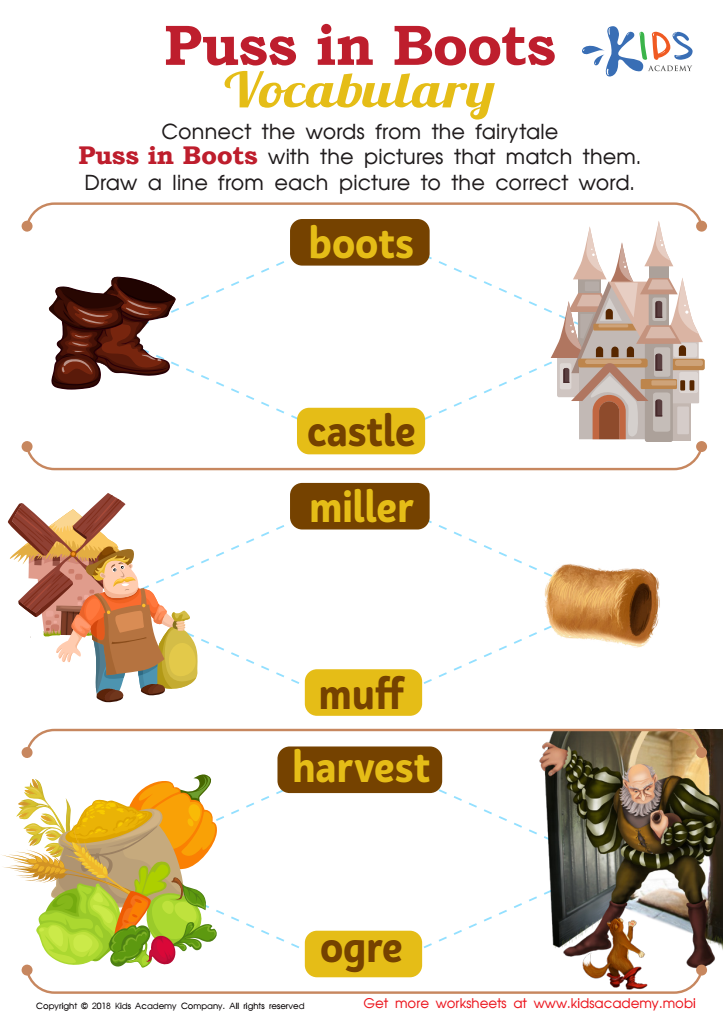
Puss in Boots Vocabulary Worksheet
 Assign to My Students
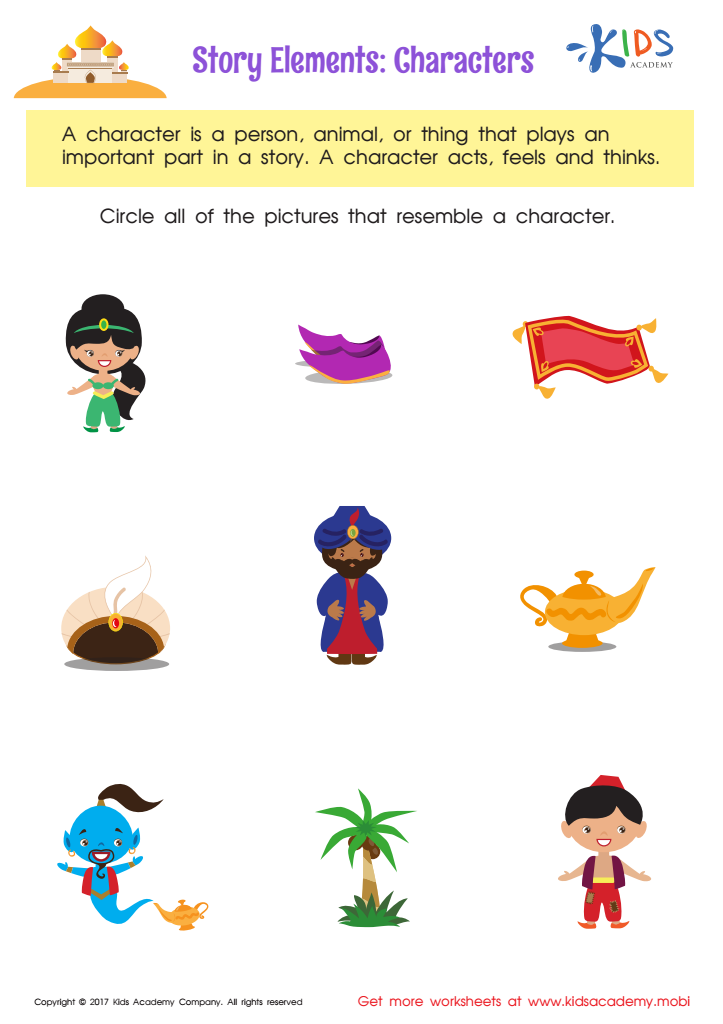
Story Elements Printable
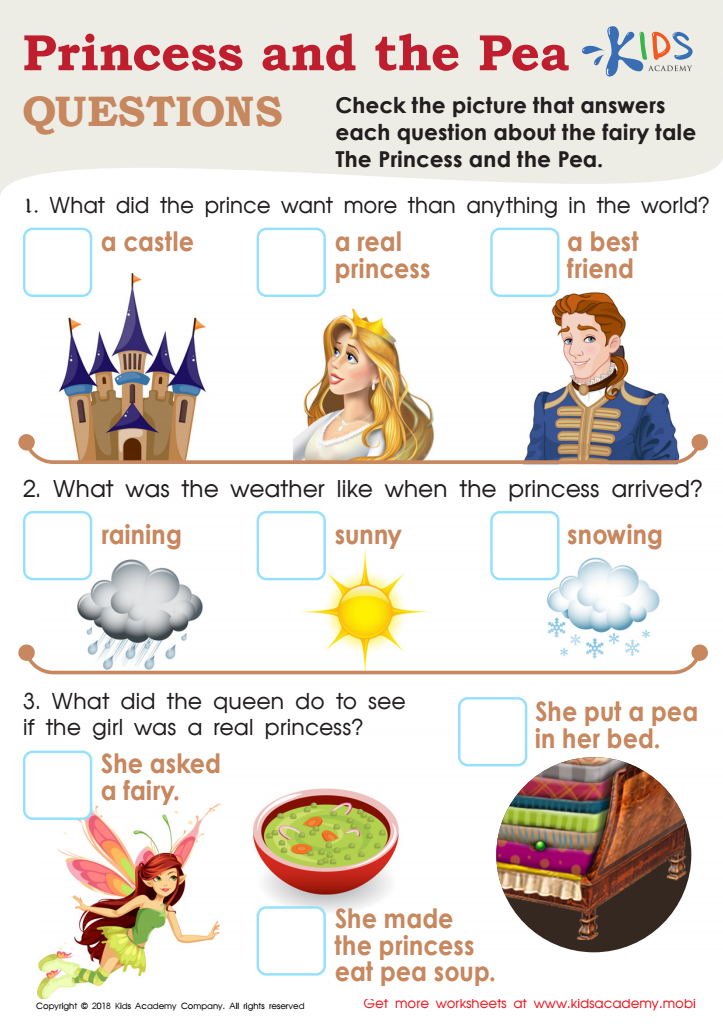
Princess and the Pea Questions Worksheet







Reading comprehension is crucial for 4-year-olds, as it lays the foundation for their future learning, literacy skills, and overall cognitive development. At this age, children are naturally curious and eager to explore the world around them, making it the perfect time to introduce them to stories and narratives. Engaging with fiction not only sparks imagination but also enhances language skills, vocabulary, and storytelling abilities.
Parents and teachers should prioritize reading comprehension in fictional stories because it encourages children to think critically about what they hear and see. When kids understand the context of stories, they learn to make predictions, connections, and inferences, fostering a deeper engagement with texts. This process sharpens analytical skills and promotes emotional intelligence, as they relate to characters and scenarios.
Moreover, reading together strengthens the bonding experience between parents or teachers and children. It creates a relaxed environment for discussions and encourages a love for reading that can last a lifetime. Early exposure to rich narratives and discussions about plots and characters builds confidence, fosters curiosity, and instills a passion for learning, all of which are essential for success in school and beyond. Thus, promoting reading comprehension in young children is fundamental to their growth and development.







