Story sequencing Normal Reading Fiction Worksheets for 4-Year-Olds
6 filtered results
-
From - To
Introduce your 4-year-old to the joys of storytelling with our Story Sequencing Normal Reading Fiction Worksheets. Designed specifically for early learners, these engaging worksheets help children grasp the fundamental skills of story sequencing. By arranging picture-based stories in the correct order, kids develop essential reading comprehension abilities and enhance their critical thinking skills. Each worksheet includes vibrant, captivating illustrations to keep young minds entertained and eager to learn. Perfect for both classroom settings and at-home practice, our printable resources make early literacy development fun and interactive. Ignite your child’s love for reading and storytelling with our expertly crafted worksheets.
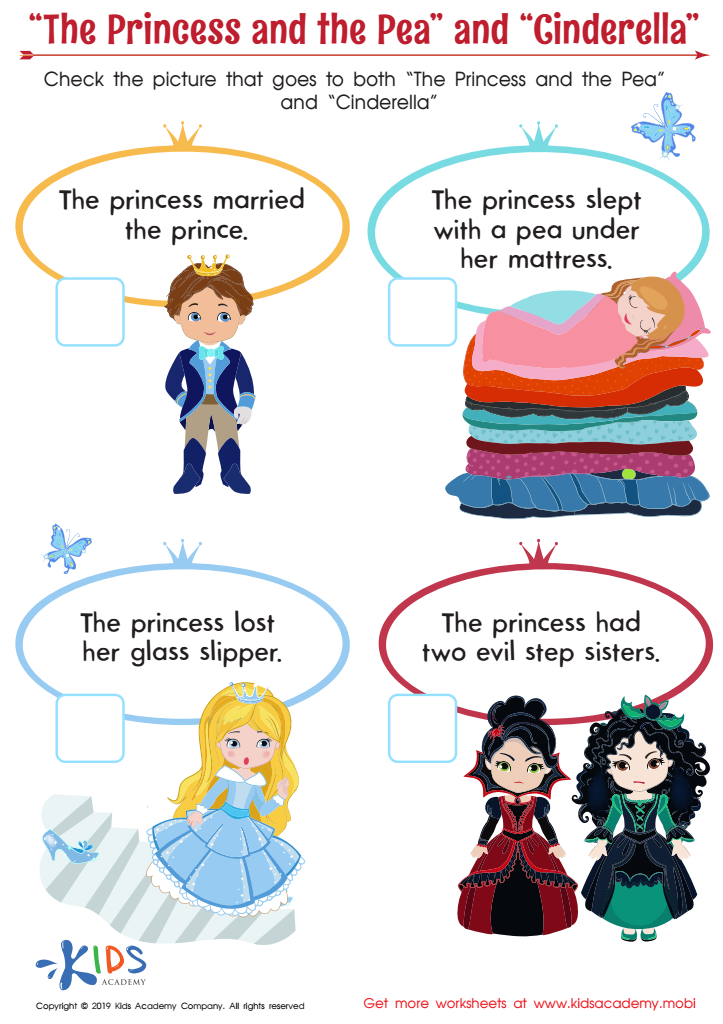
“The Princess and the Pea” and “Cinderella” Worksheet
 Assign to My Students
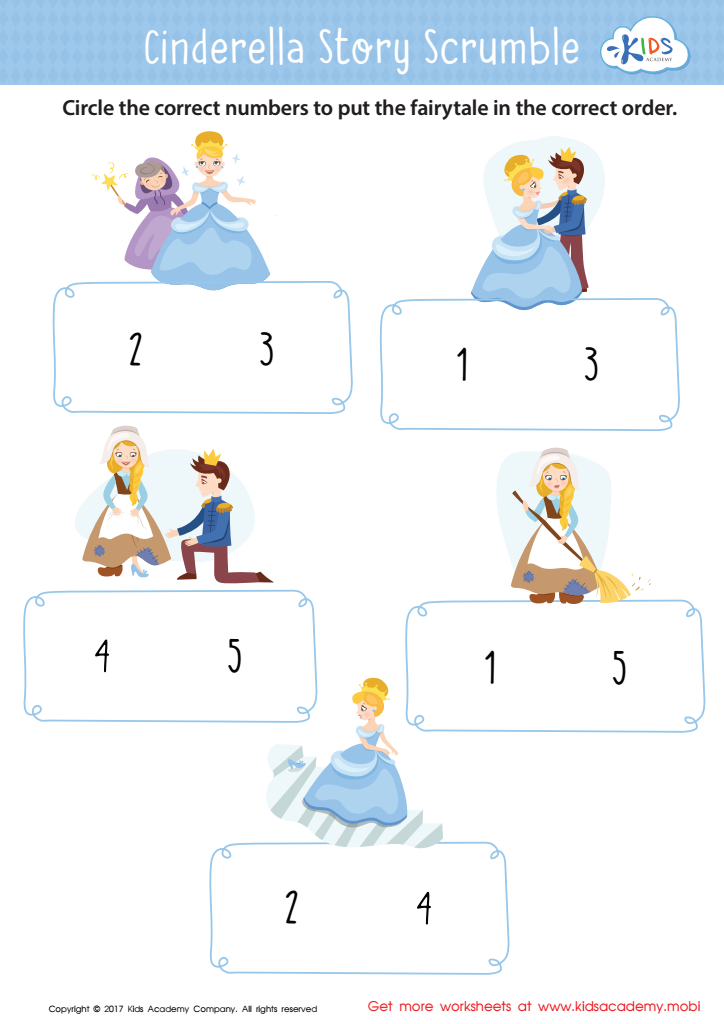
Cinderella Story Sequencing Worksheet
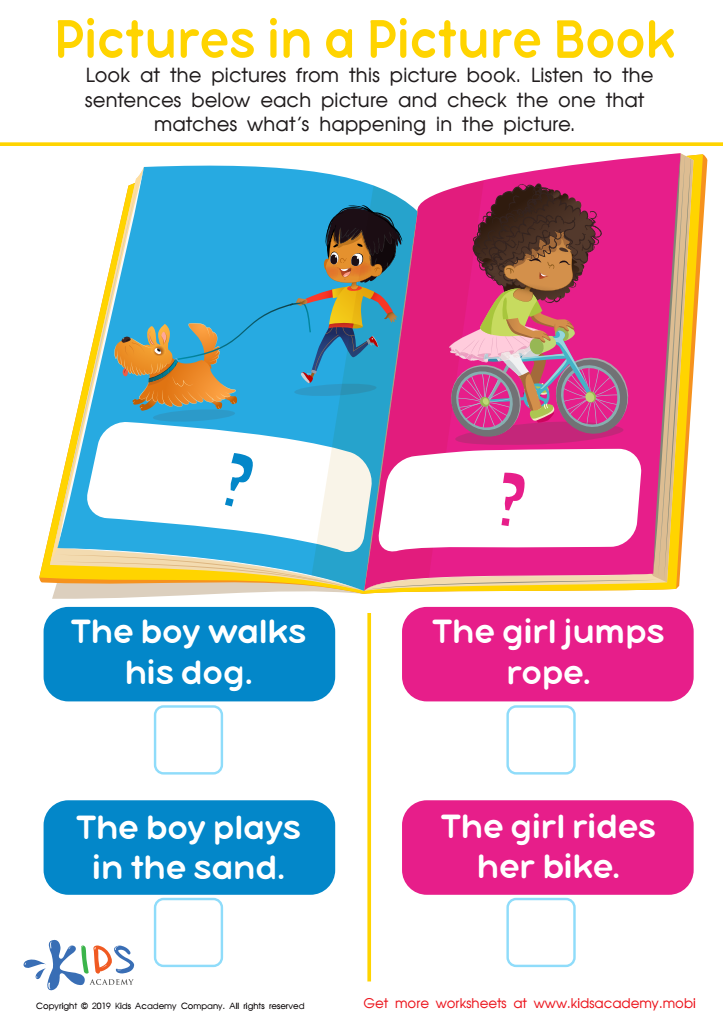
Picture in Books Worksheet
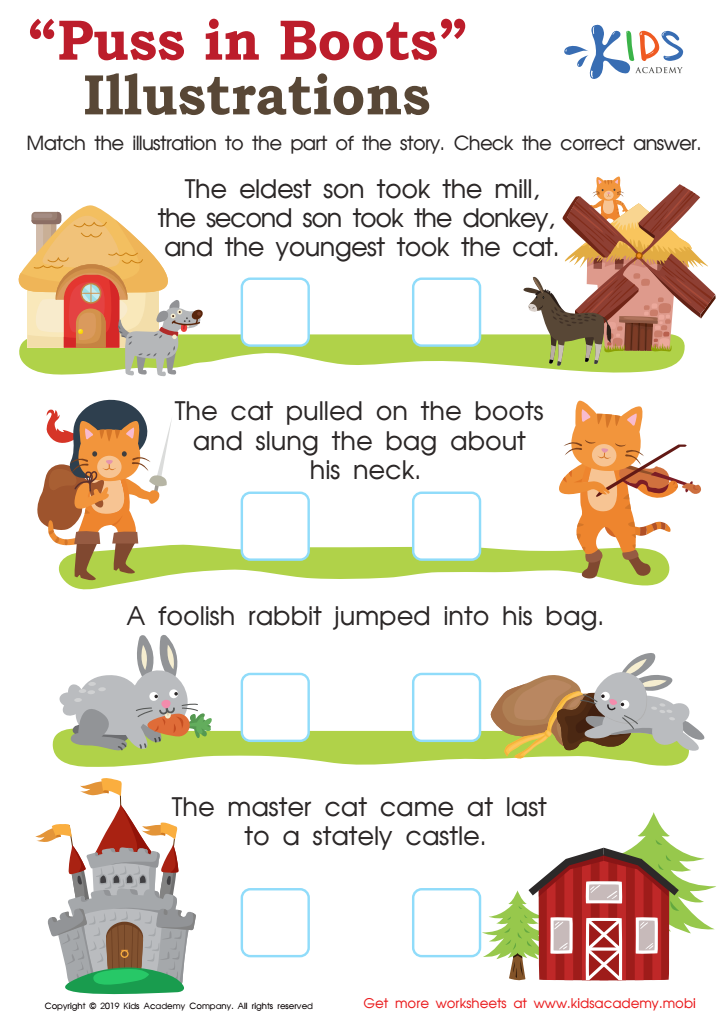
Puss in Boots Illustrations Worksheet
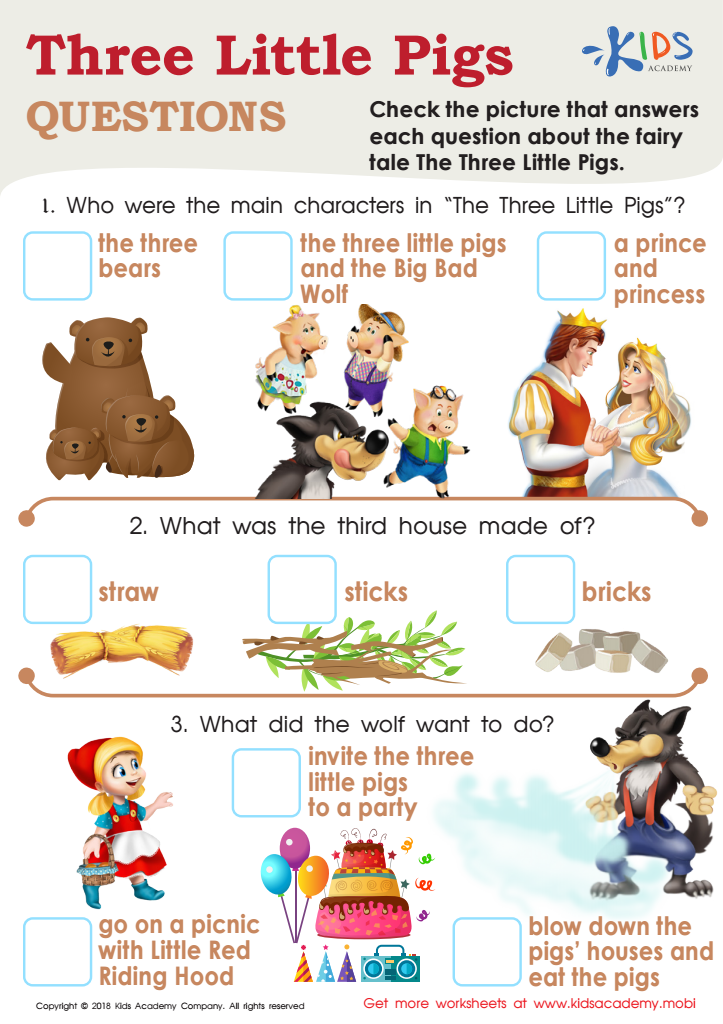
Three Little Pigs Questions Worksheet
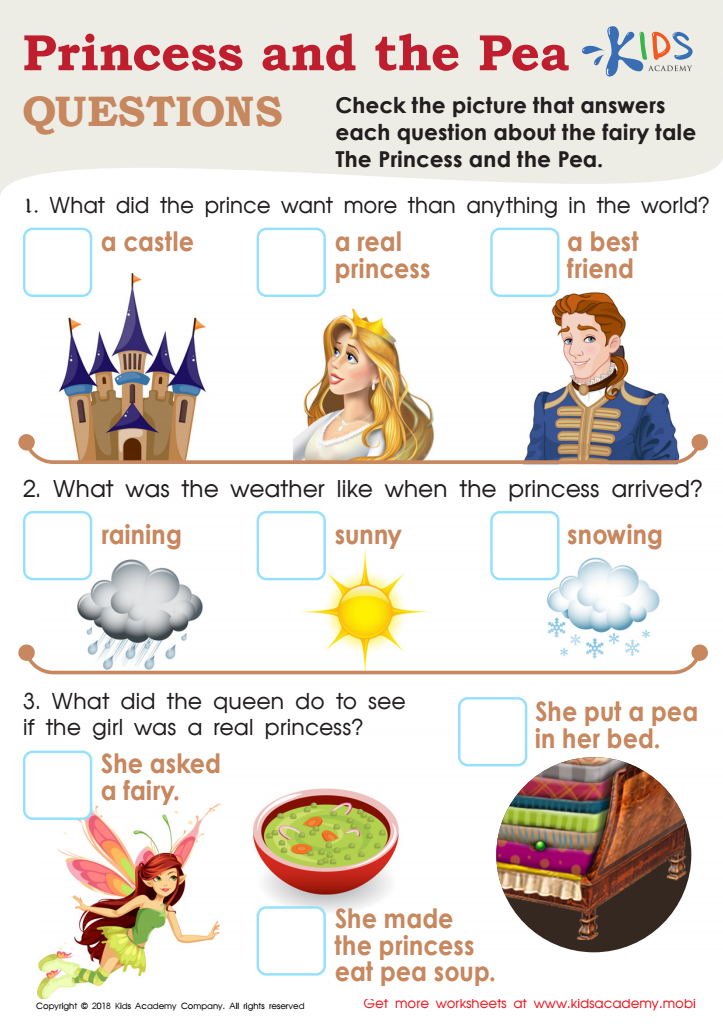
Princess and the Pea Questions Worksheet








Parents and teachers should care about story sequencing in normal reading fiction for 4-year-olds because it significantly contributes to early literacy development, critical thinking, and overall language skills. Story sequencing—understanding the beginning, middle, and end of a narrative—helps children comprehend the structure of stories, which in turn aids memory and recall abilities. This foundational skill enhances comprehension and prepares children for more complex reading tasks in later years.
Moreover, grasping the sequence of events in a story encourages logical thinking and the ability to predict outcomes, fostering critical thinking and problem-solving skills. As children discuss and retell stories, they practice using new vocabulary and improve their verbal expression, which is crucial at an age where language development is rapid and essential for effective communication.
Furthermore, engaging with fiction helps build empathy and emotional intelligence by allowing children to understand different perspectives and feelings as they follow characters through various situations.
Early exposure to story sequencing in fiction also lays the groundwork for basic narrative skills, aiding in writing development. By cultivating these abilities early, parents and teachers support a child’s long-term academic success and instill a love for reading, which can open doors to innumerable learning opportunities and enrich their imagination.







