Animal recognition Normal Science Worksheets for 4-Year-Olds
3 filtered results
-
From - To
Discover our engaging Animal Recognition Normal Science Worksheets designed specifically for 4-year-olds! These interactive worksheets help young learners identify various animals while enhancing their cognitive, observational, and fine motor skills. Each activity is crafted to spark curiosity and foster a love for science through fun visuals and straightforward instructions. Perfect for early childhood education settings or at-home learning, these worksheets provide an excellent opportunity for children to explore the animal kingdom. Watch as your little ones connect with nature and expand their knowledge of wildlife through play. Enjoy memorable learning experiences with our exceptional science resources aimed at nurturing your child's development!
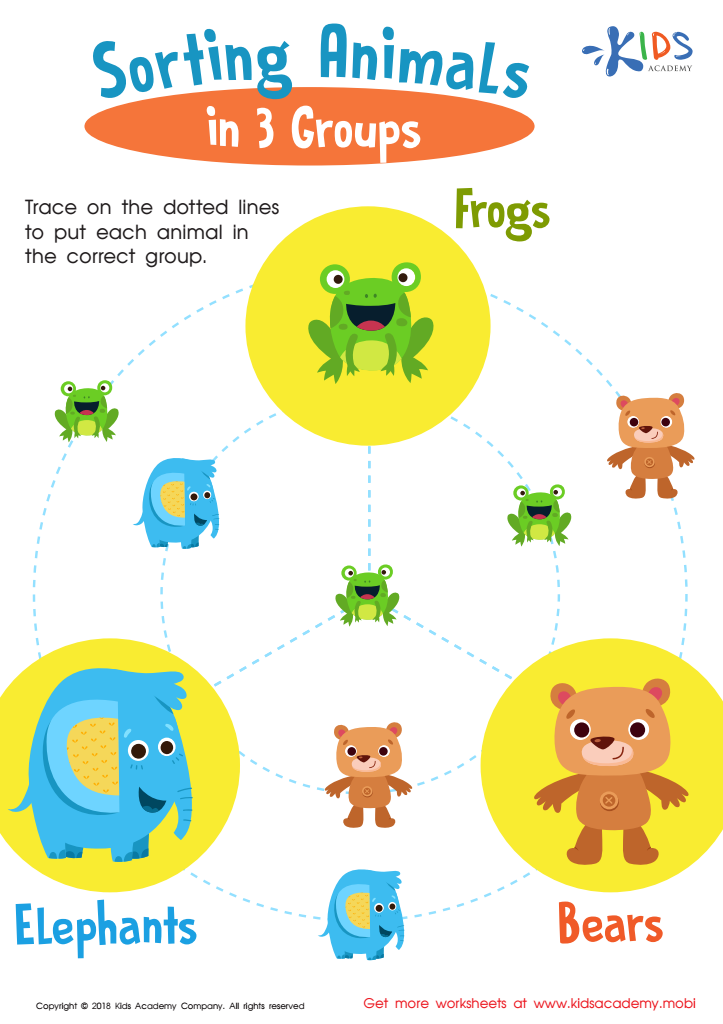
Sorting Animals in 3 Groups Worksheet
 Assign to My Students
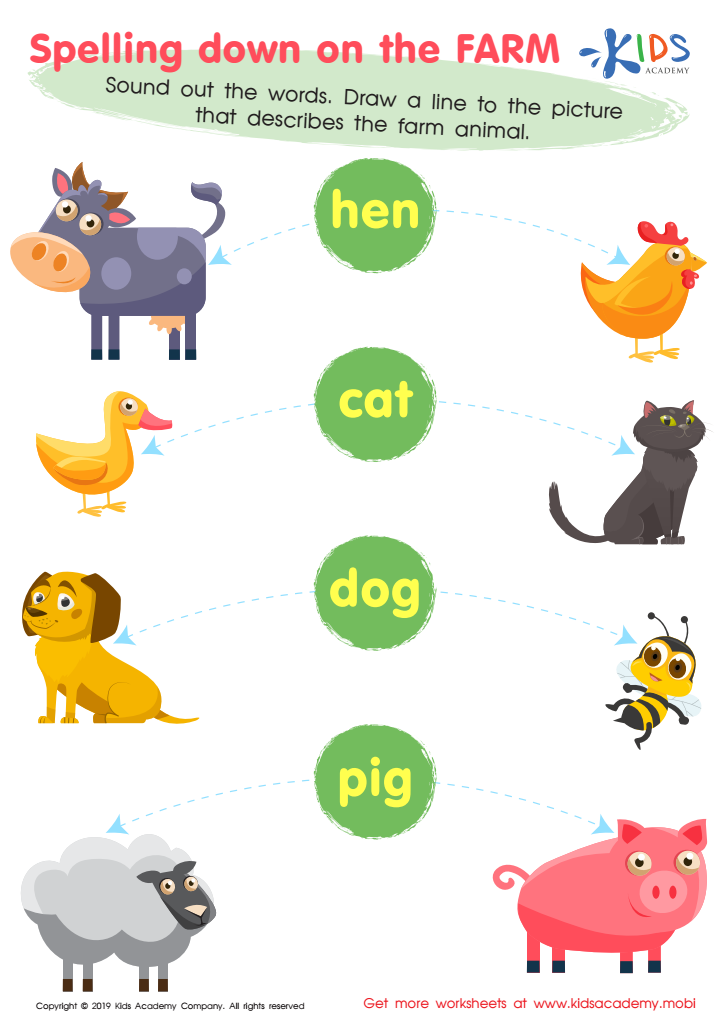
Spelling Down on the Farm Worksheet
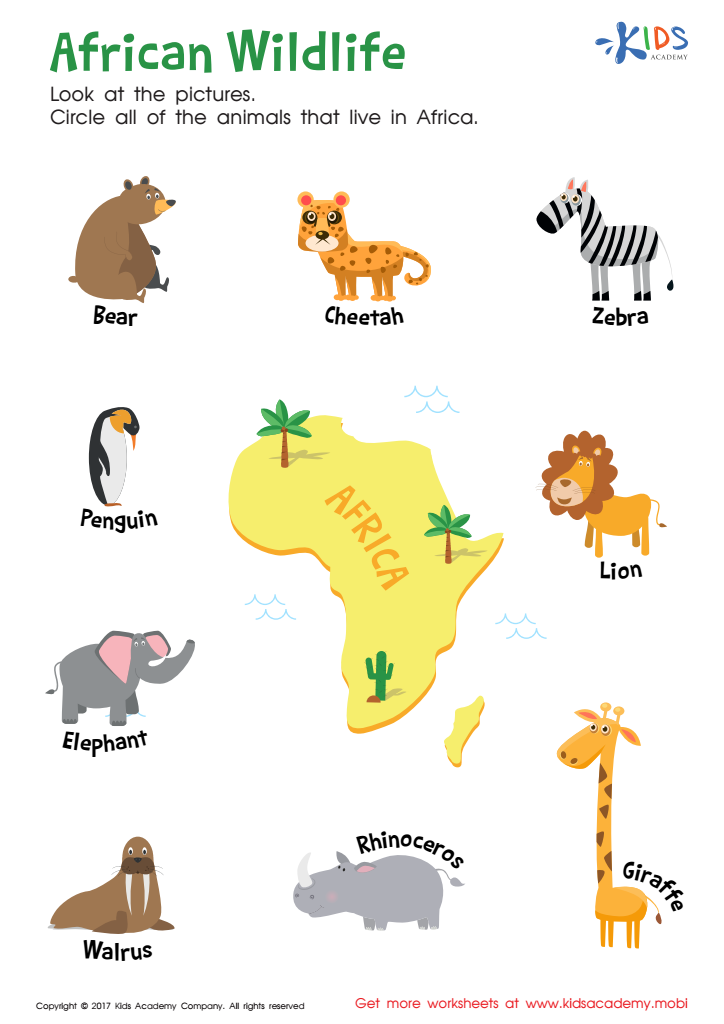


.jpg)




Animal recognition is an important aspect of early childhood education, particularly for 4-year-olds. At this age, children are naturally curious and eager to explore the world around them. Learning to recognize different animals can enhance their observation skills and foster a sense of wonder about nature.
For parents and teachers, fostering animal recognition not only supports cognitive development but also encourages language skills. As children learn the names and features of various animals, they practice vocabulary and sentence structure through playful interactions and storytelling.
Additionally, animal recognition introduces fundamental scientific concepts. Young learners begin to grasp basic classifications—such as mammals, birds, and reptiles—which lays the groundwork for more expansive life science education in later years. Engaging with animals builds emotional intelligence and compassion, promoting empathy as children understand the roles and needs of different creatures in ecosystems.
Moreover, understanding animals can also facilitate discussions on conservation and the environment, instilling a sense of responsibility towards nature. Overall, prioritizing animal recognition in early education nurtures curious, critical thinkers and compassionate individuals who are aware of the world around them. This foundational knowledge is vital for their ongoing educational journey and personal growth.







