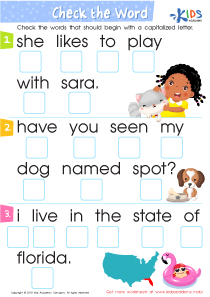
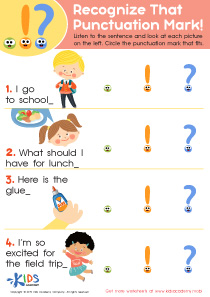
Fine Motor Skills Normal Tracing Words Worksheets for 4-Year-Olds
4 filtered results
-
From - To
Enhance your 4-year-old’s fine motor skills with our engaging Normal Tracing Words Worksheets! Designed specifically for young learners, these worksheets feature simple, clear words that encourage children to practice their writing and improve hand-eye coordination. As kids trace each word, they’ll boost their confidence and develop essential foundational literacy skills. The playful design keeps learning fun and motivates little ones to hone their penmanship. Perfect for at-home or classroom use, these worksheets provide an effective and enjoyable way for preschoolers to prepare for future writing challenges. Download your set today and embark on a creative learning journey with your child!
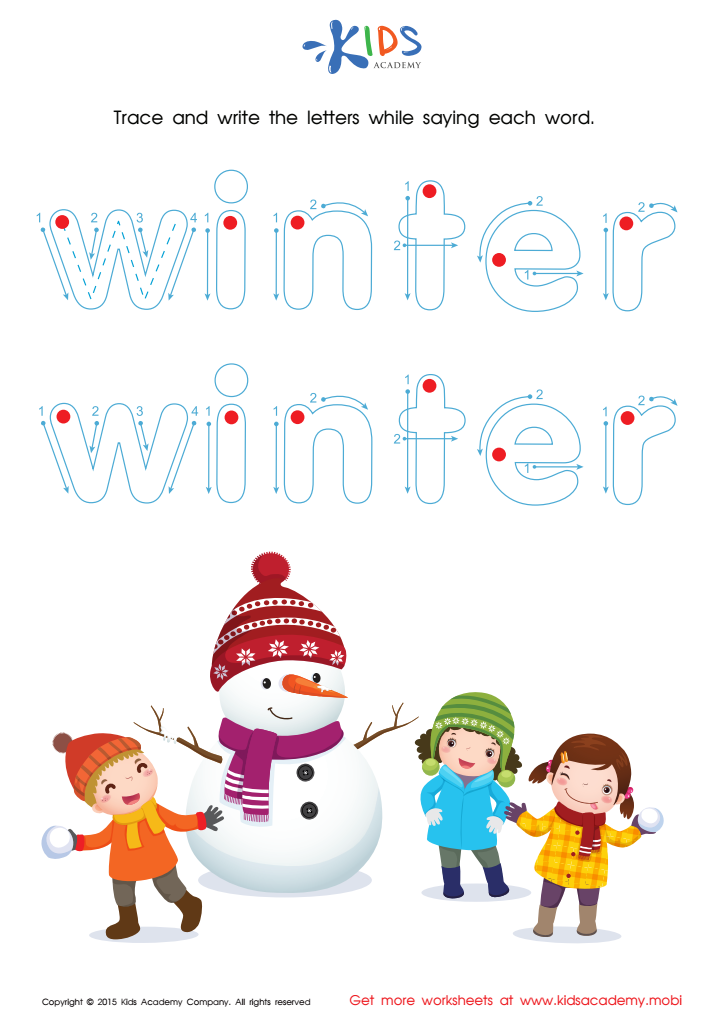
Snowman Tracing Winter Words Worksheet
 Assign to My Students
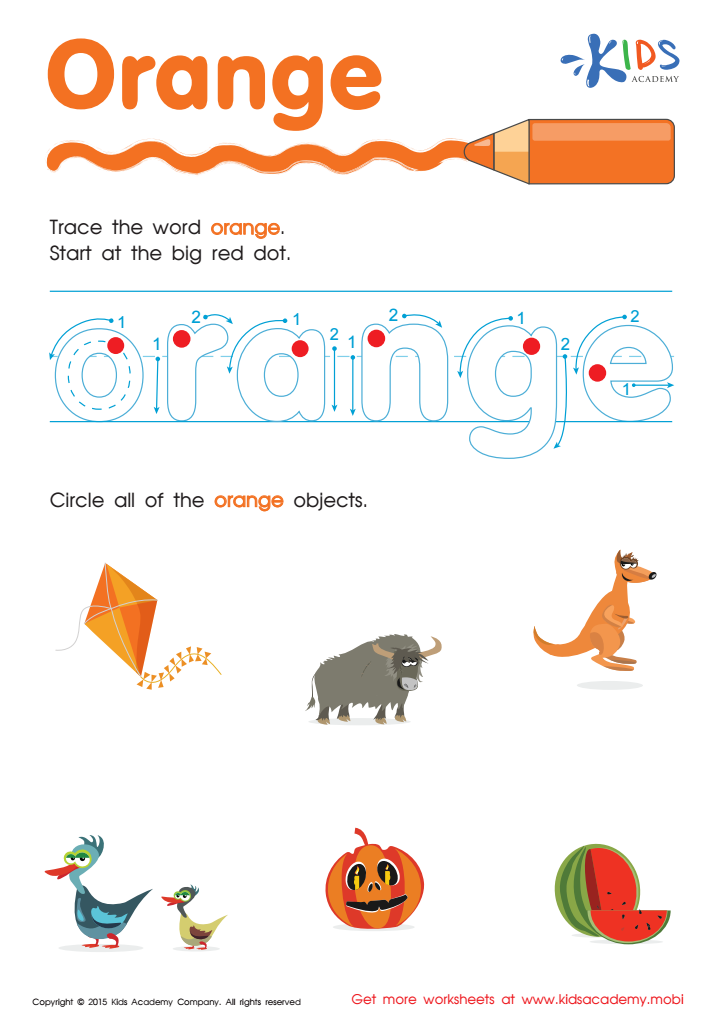
Orange Tracing Color Words Worksheet
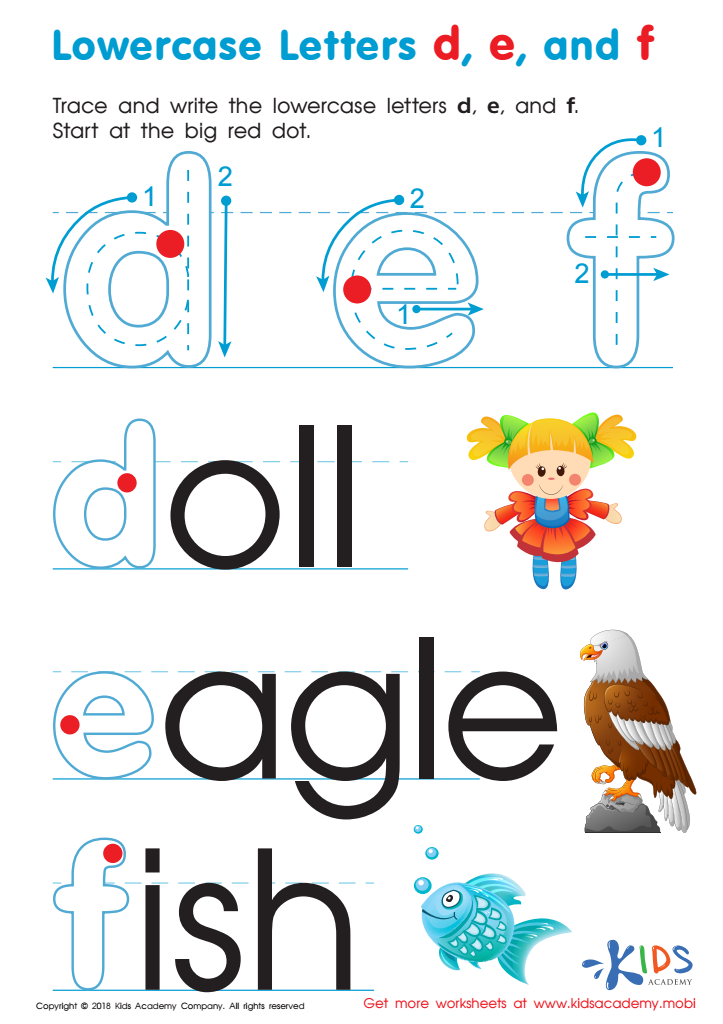
Lowercase Letters d e f Worksheet
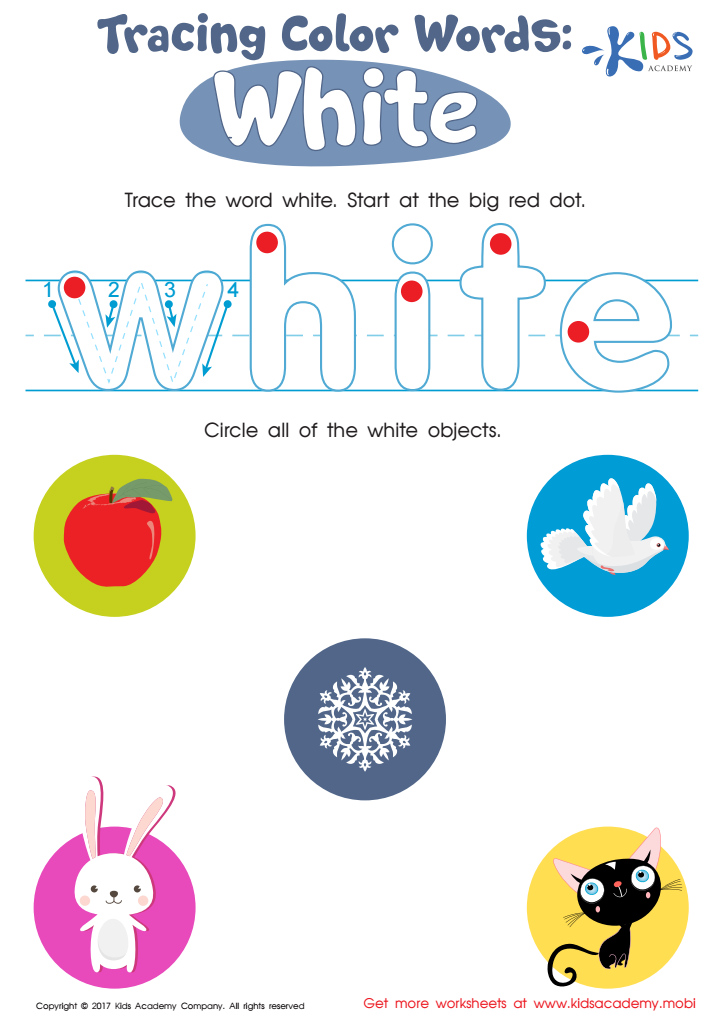
White Tracing Color Words Worksheet








Fine motor skills are essential for young children's development, especially for 4-year-olds. These skills involve the precise movements of smaller muscles, particularly in the hands and fingers, which are crucial for tasks like writing, drawing, cutting, and buttoning. Parents and teachers should care about the normal tracing of words for several reasons.
Firstly, tracing helps children develop hand-eye coordination and control, which are foundational for future literacy and academic success. As they confidently trace letters, they internalize the shapes and sounds associated with them, boosting their pre-reading skills.
Secondly, fine motor development contributes to a child's independence and self-esteem. Children who can control their writing tools are more likely to enjoy creative activities, enabling expressions of their feelings and thoughts typically beyond their verbal capabilities.
Additionally, tracing words builds focus and concentration, skills essential for classroom learning. Fine motor activities are also fun and engaging, making learning enjoyable.
By supporting fine motor skills through tracing, parents and teachers cultivate not just budding readers and writers, but also confident young learners prepared for future academic challenges. Ultimately, investing in these skills sets the groundwork for lifelong learning and success, making it imperative for caregivers to prioritize these activities.