Phonics practice Normal Consonants Worksheets for Ages 5-6
5 filtered results
-
From - To
Introduce your child to the exciting world of phonics with our engaging Phonics Practice Normal Consonants Worksheets for Ages 5-6. Designed to develop early reading skills, these expertly crafted worksheets help young learners grasp the sounds and use of normal consonants in fun and interactive ways. Ideal for children beginning their literacy journey, each worksheet includes visually appealing activities that bolster their ability to identify, pronounce, and write consonants. Watch your child build confidence and phonemic awareness with our essential early learning resources. Unleash the joy of learning and set the stage for future academic success today!
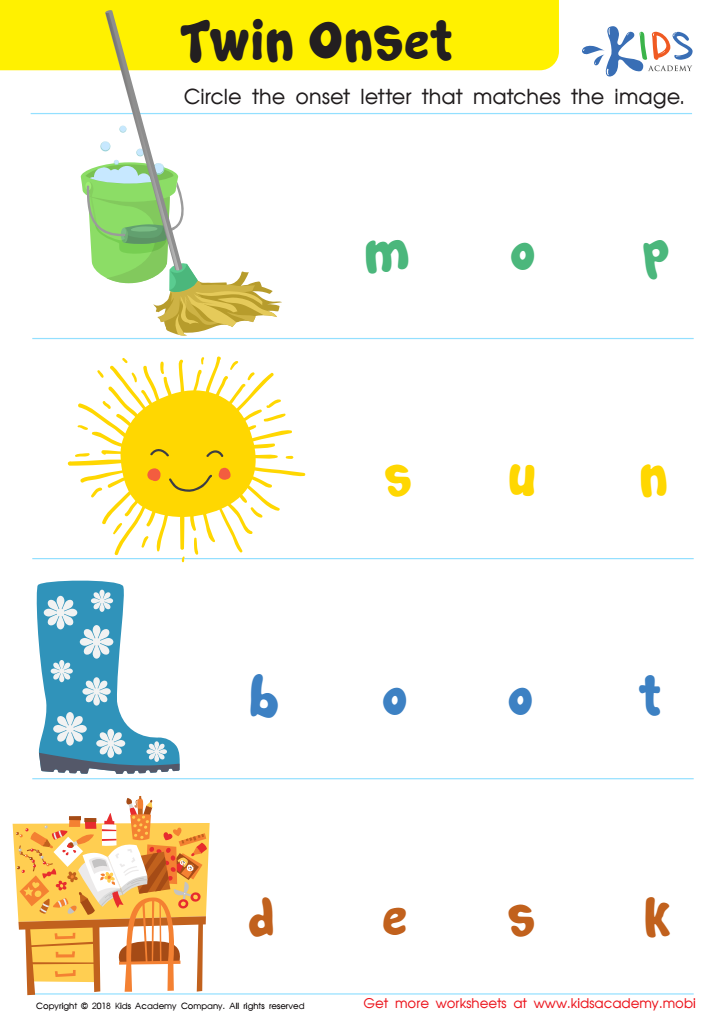
Twin Onset Worksheet
 Assign to My Students
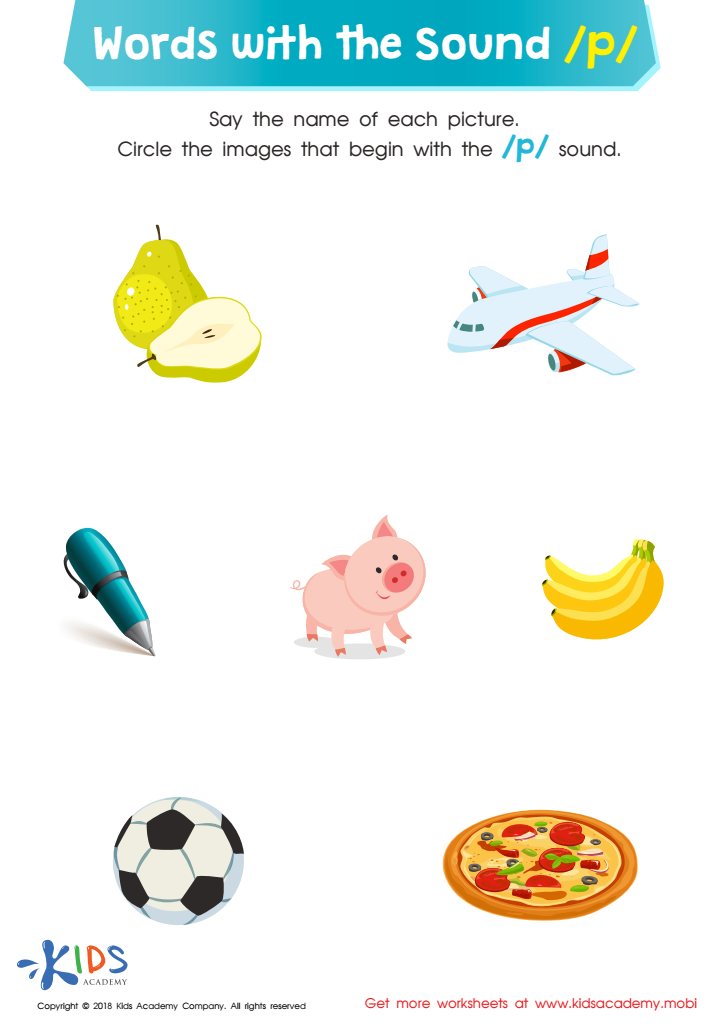
Words with sound p Reading Worksheet
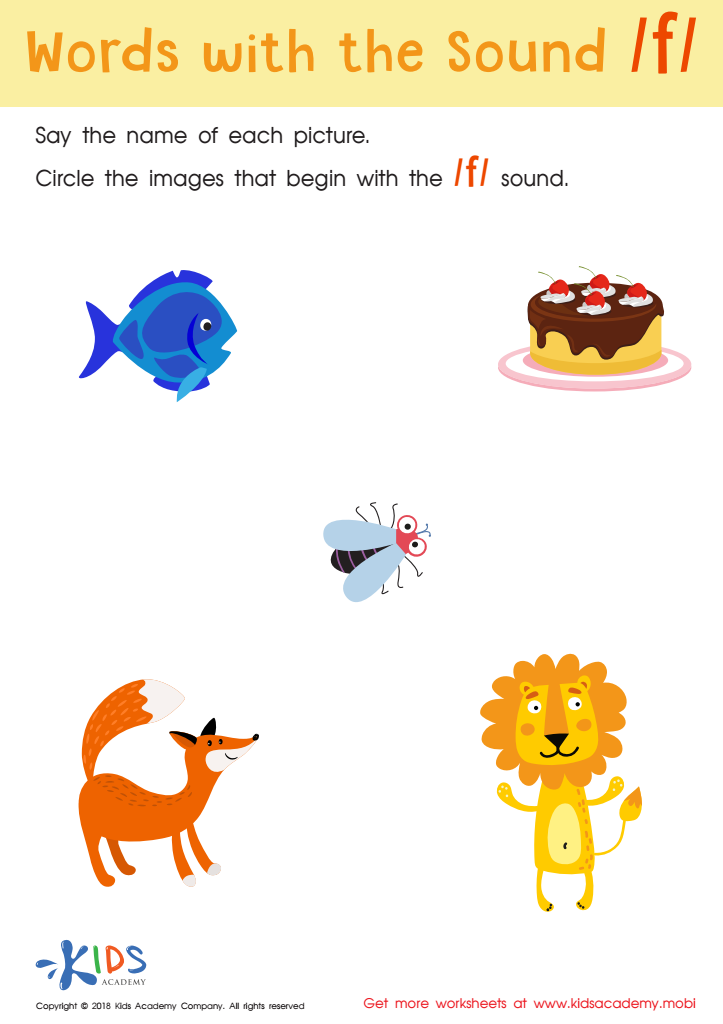
Words with sound f Reading Worksheet
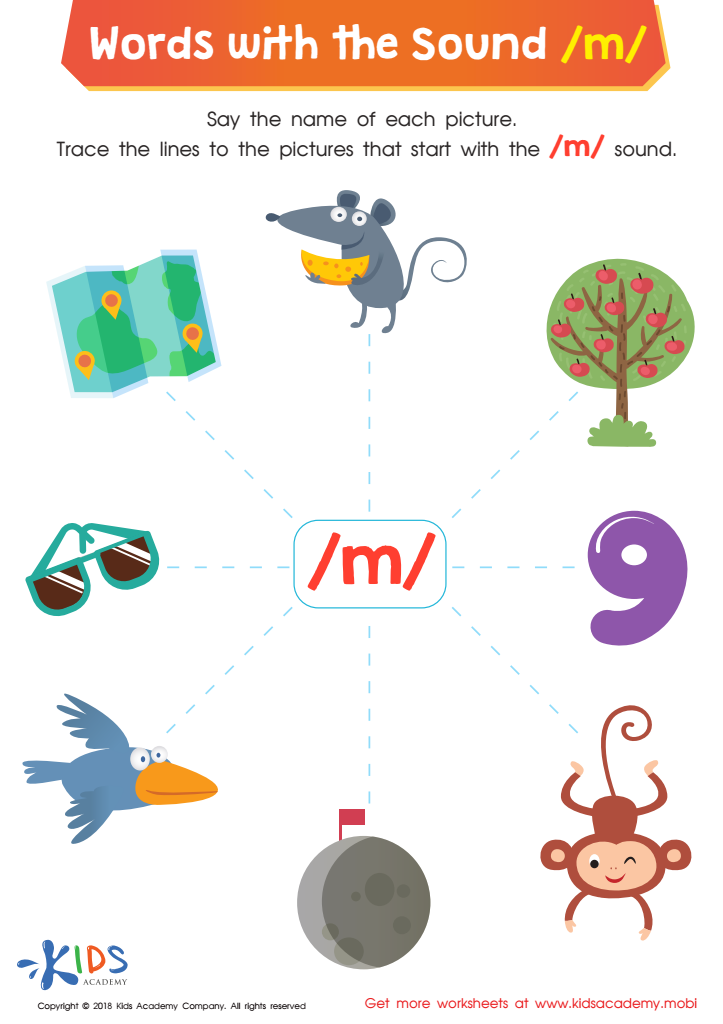
Words with Sound M Reading Worksheet
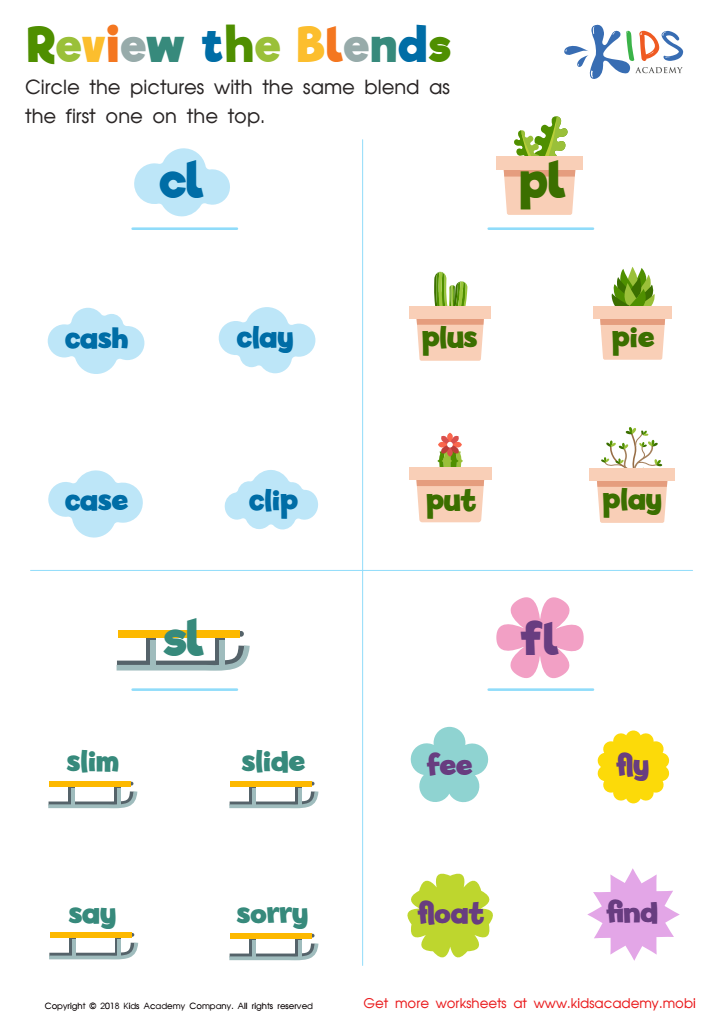
Review the Blends Worksheet



Phonics practice focusing on normal consonants for children ages 5-6 is crucial for several reasons. At this stage, kids are typically in kindergarten or the early years of primary school, forming the foundation for future literacy skills. Phonics instruction helps children to understand the relationship between letters and sounds, a fundamental component of learning to read and write.
For parents and teachers, investing time in phonics practice translates to fostering strong reading abilities. Normal consonants—commonly used sounds such as ‘b,’ ‘c,’ ‘d,’ and ‘f’—form the backbone of many simple words that children first encounter. Mastering these allows children to decode words independently, building their confidence and fluency in reading. It’s akin to providing them with the tools to crack a secret code.
Moreover, early mastery of phonics has been linked with improved spelling and better comprehension skills, both of which are essential for academic success. The skills gained also promote a lifelong love for reading, which in turn supports overall cognitive development, enhancing vocabulary, imagination, and critical thinking.
Thus, prioritizing phonics practice isn't just about reading; it sets the stage for a child's future educational journey, making it easier for them to acquire new knowledge across multiple subjects.






