Fine Motor Skills Normal Alphabet Worksheets for Ages 5-6 - Page 3
55 filtered results
-
From - To
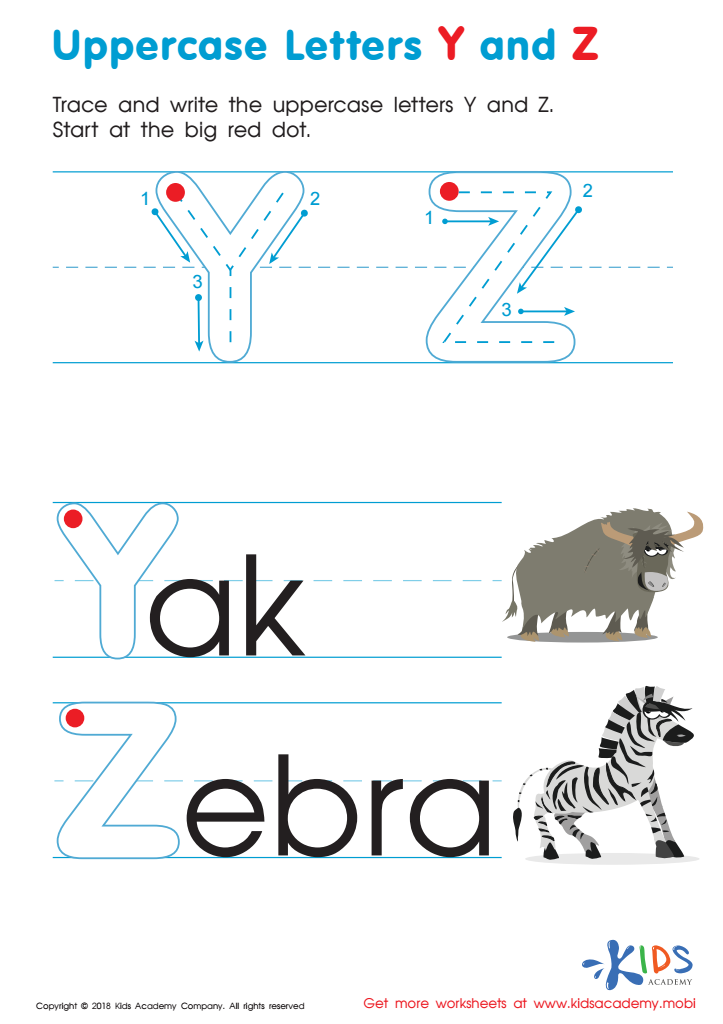
Uppercase Letters Y Z Worksheet
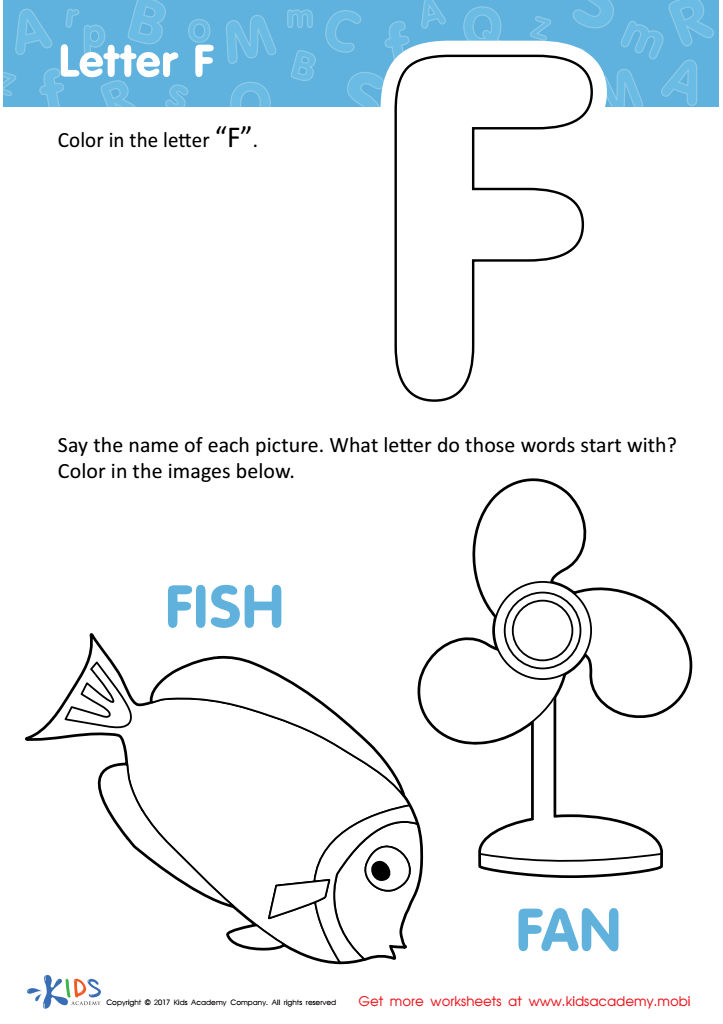
Letter F Coloring Sheet
 Assign to My Students
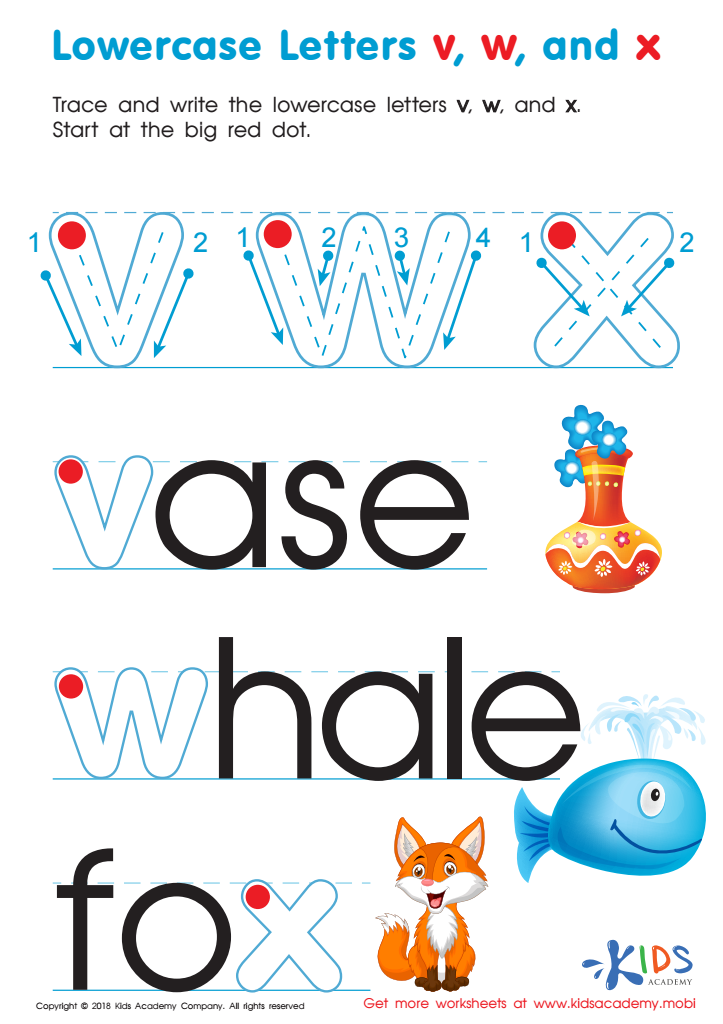
Lowercase Letters v w x Worksheet

Letter N Coloring Sheet
Assign to My Students
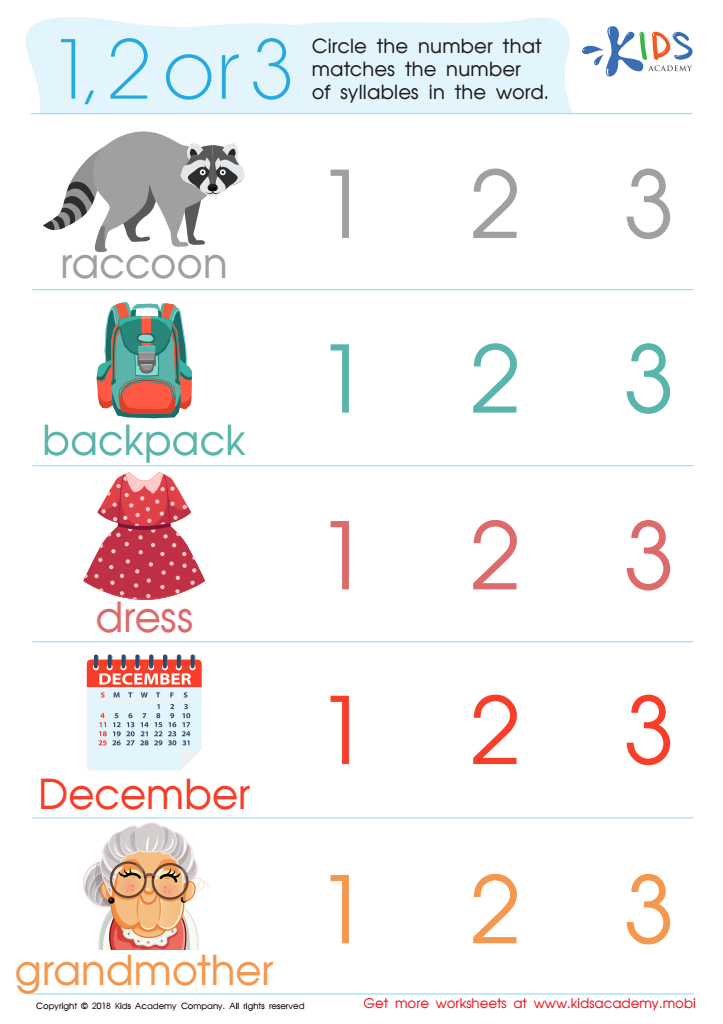
1, 2 or 3? Worksheet

Letter D Tracing Page
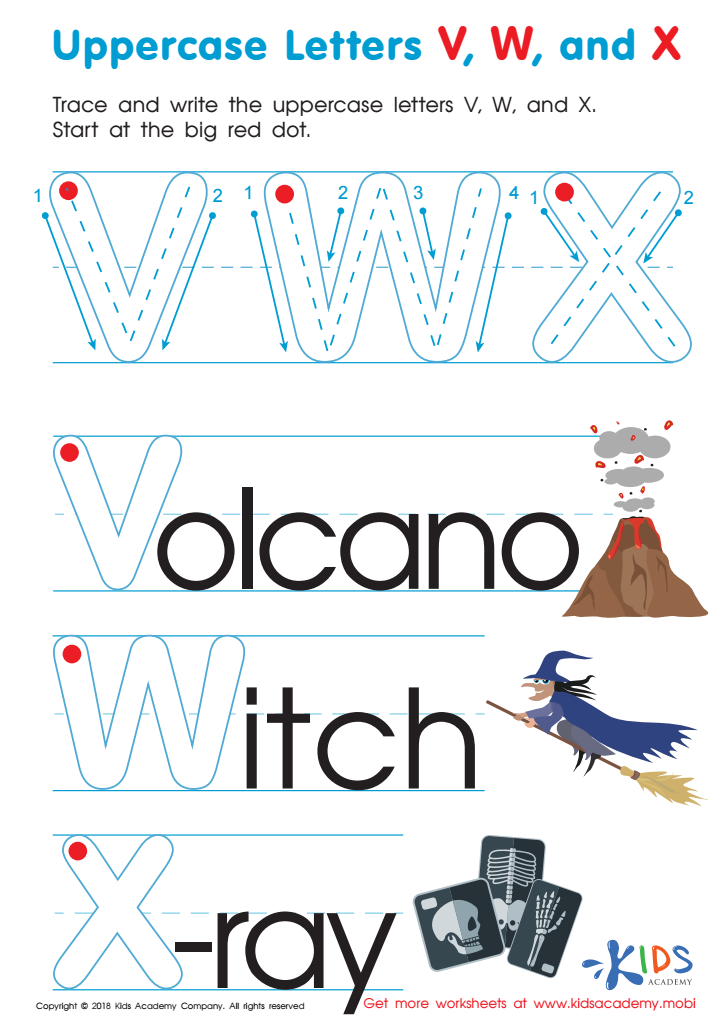
Uppercase Letters V, W, and X Worksheet







Parents and teachers should deeply care about fine motor skills development, particularly how it relates to the normal alphabet for children aged 5-6, as it serves as a cornerstone for later academic success and daily functioning. Fine motor skills involve the coordination of small muscles in movements—particularly with the hands and fingers, essential for writing, cutting, and manipulating small objects. At ages 5-6, children are building crucial foundations for literacy and numeracy, and solid fine motor skills facilitate clear, efficient handwriting—a key element in learning the alphabet.
When children can comfortably and accurately form letters, it reduces their cognitive load, allowing them to focus more on language concepts, comprehension, and expression. This skill also boosts their confidence and academic self-esteem, nurturing a positive attitude towards school and learning. Furthermore, proficiency in fine motor skills extends beyond the classroom. They enable children to perform essential tasks independently, such as tying shoelaces, buttoning clothing, and using utensils while eating—qualities that foster greater self-reliance and personal responsibility.
Neglecting these skills can lead to frustration, slower academic progress, and even cause anxiety or withdrawal from learning activities. Hence, nurturing fine motor skills related to alphabet learning in early elementary years pays long-term dividends in a child's educational and personal growth.







