Handwriting practice Normal Alphabet Worksheets for Ages 5-6 - Page 2
37 filtered results
-
From - To
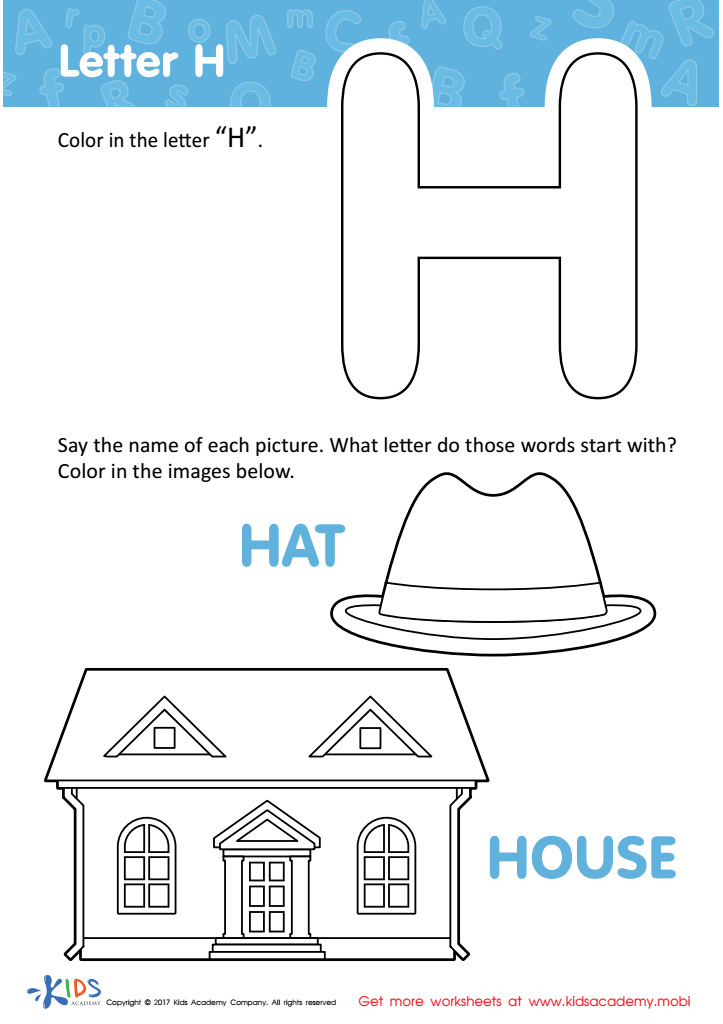
Letter H Coloring Sheet
 Assign to My Students
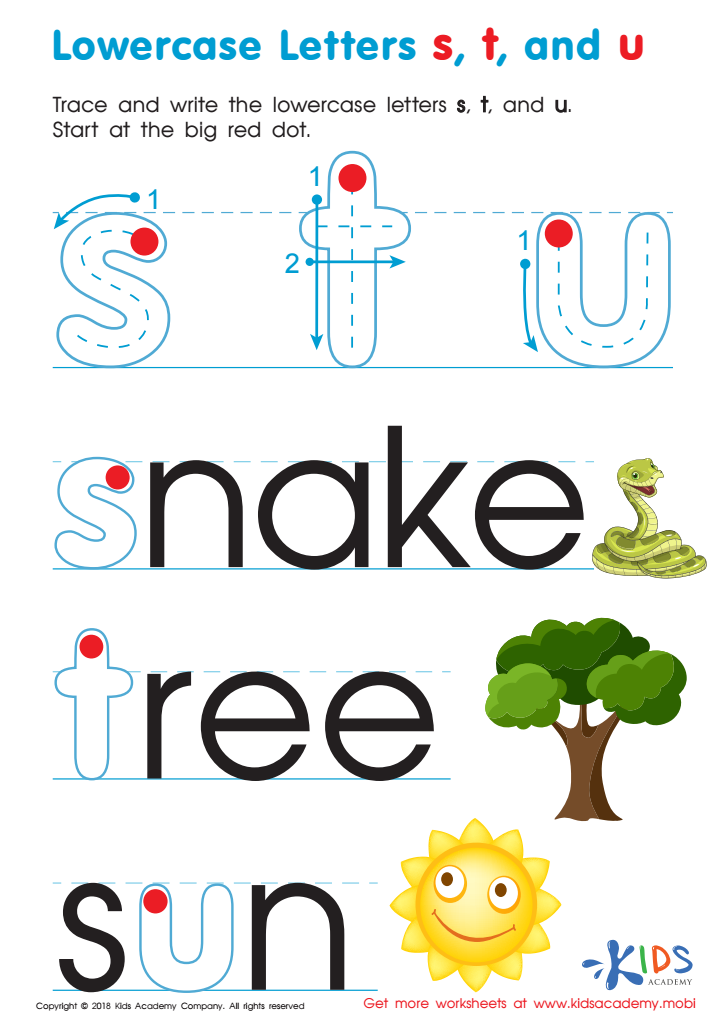
Lowercase Letters s t u Worksheet
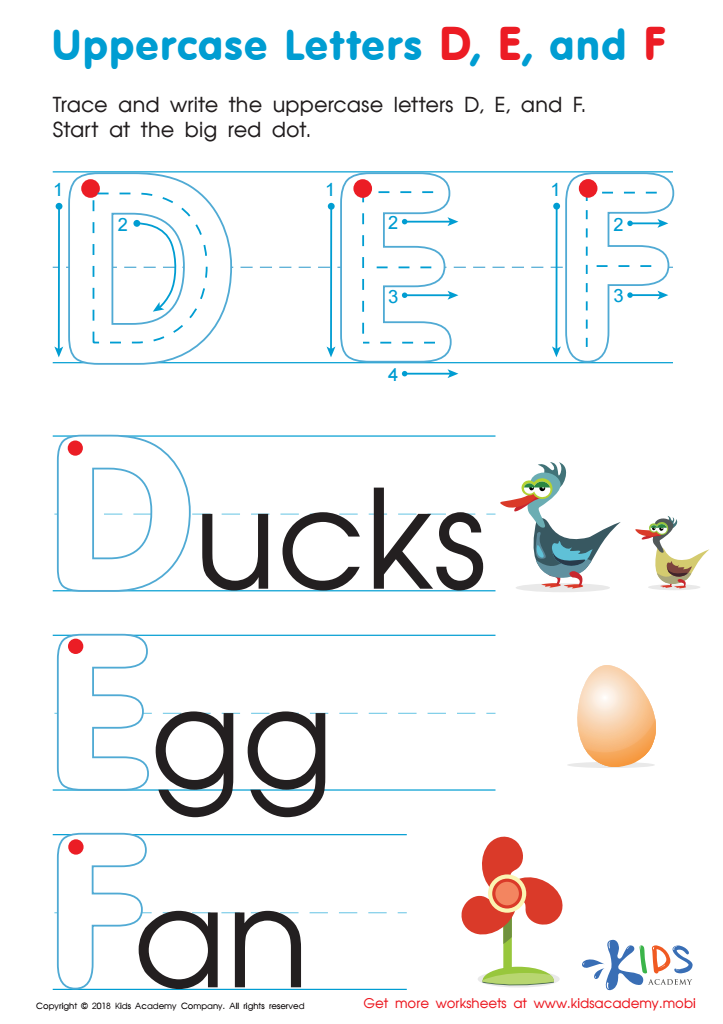
Uppercase Letters D, E, and F Worksheet
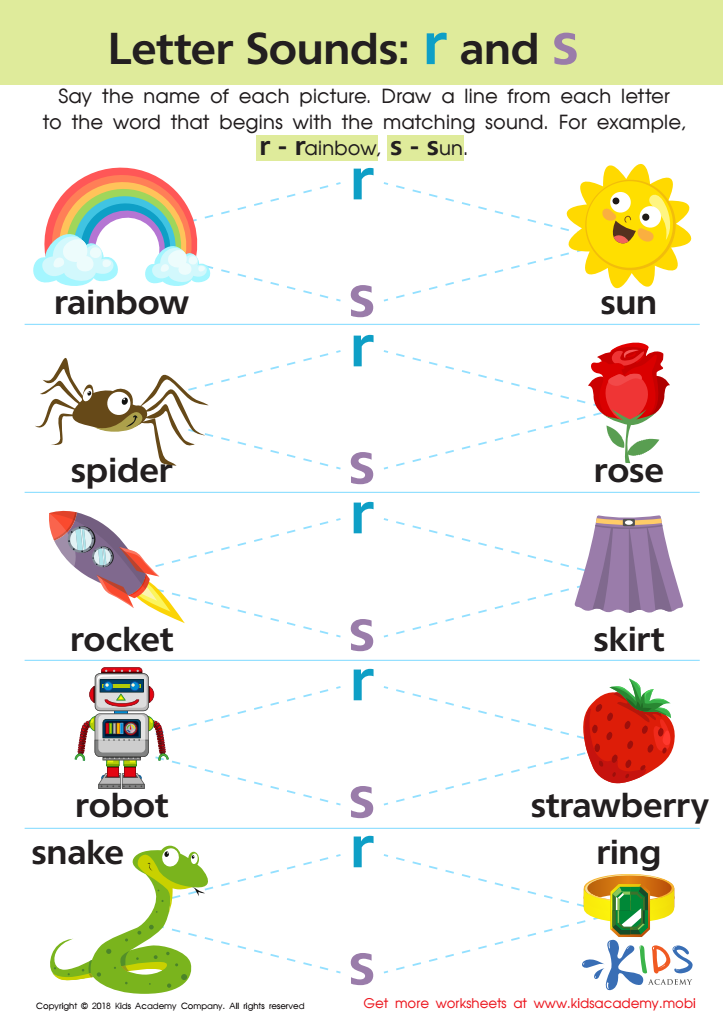
Letter R and S Sounds Worksheet
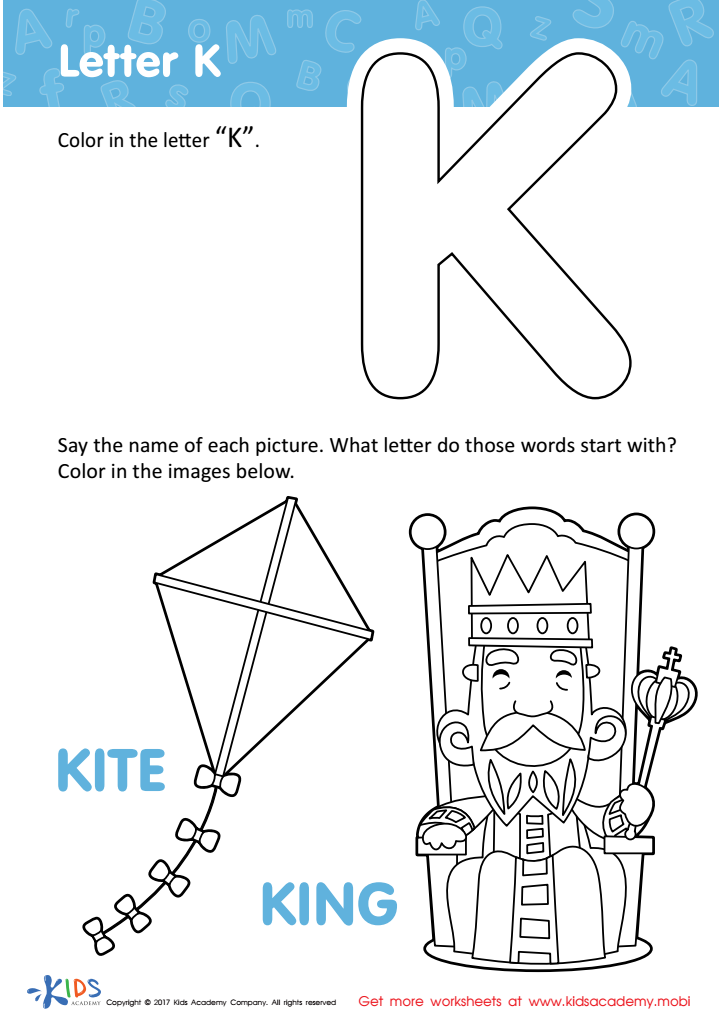
Letter K Coloring Sheet
Assign to My Students
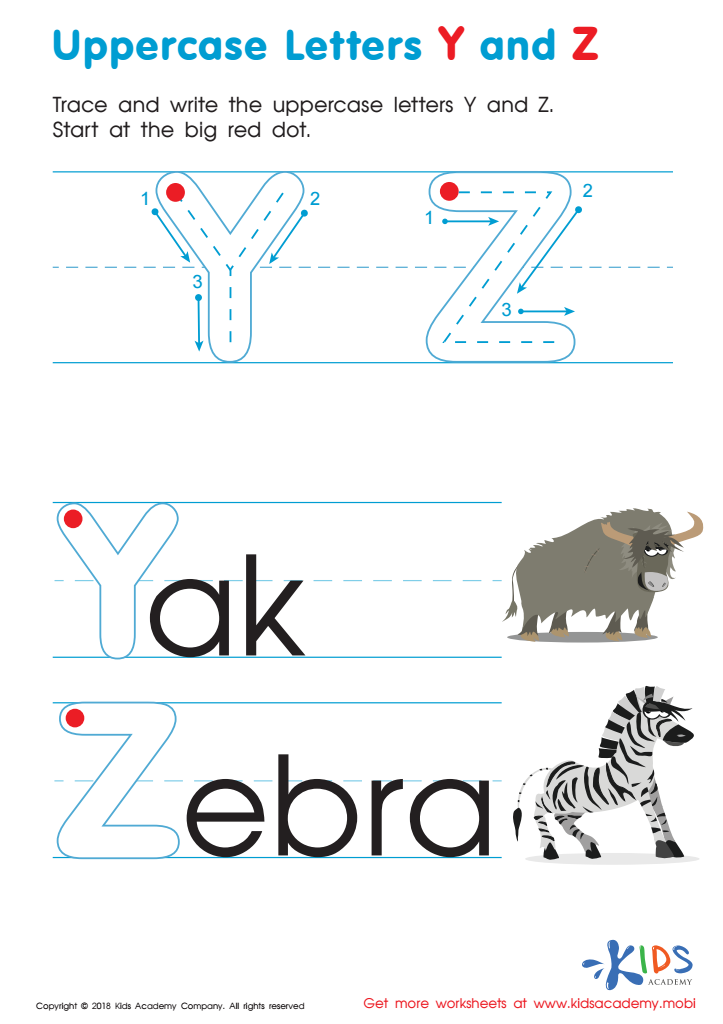
Uppercase Letters Y Z Worksheet
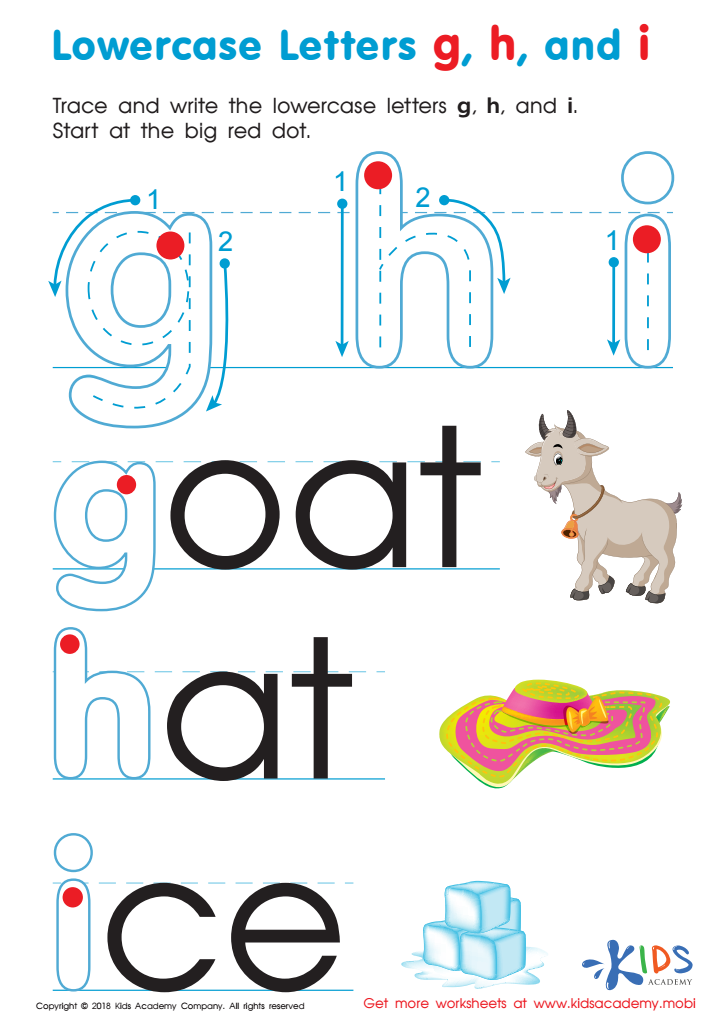
Lowercase Letters g h i Worksheet
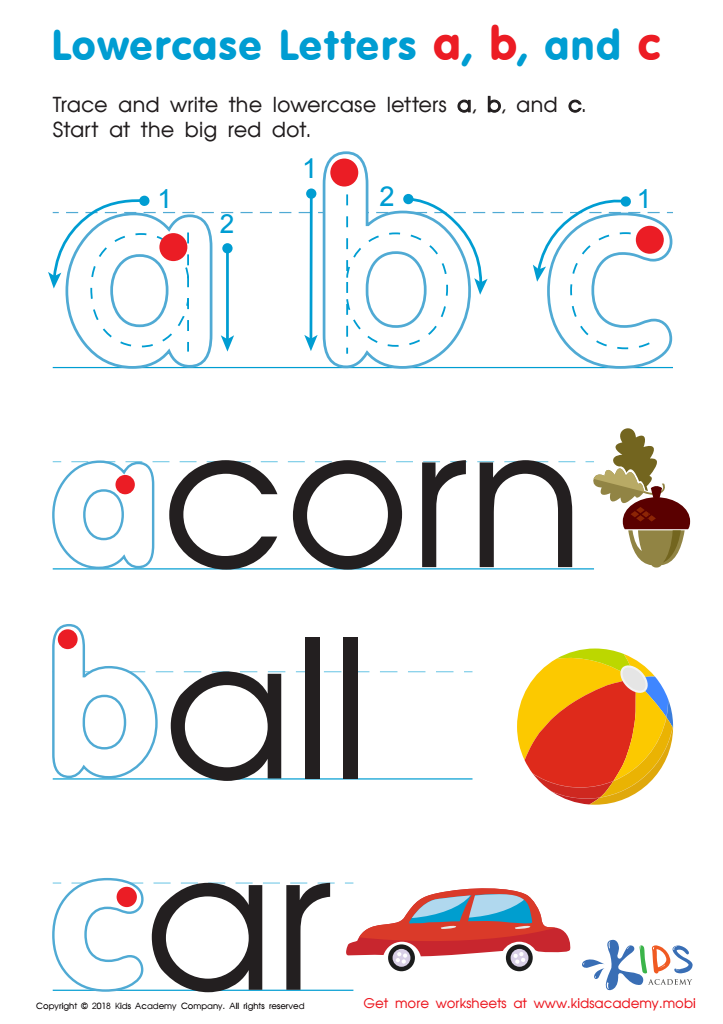
Lowercase Letters a b c Worksheet
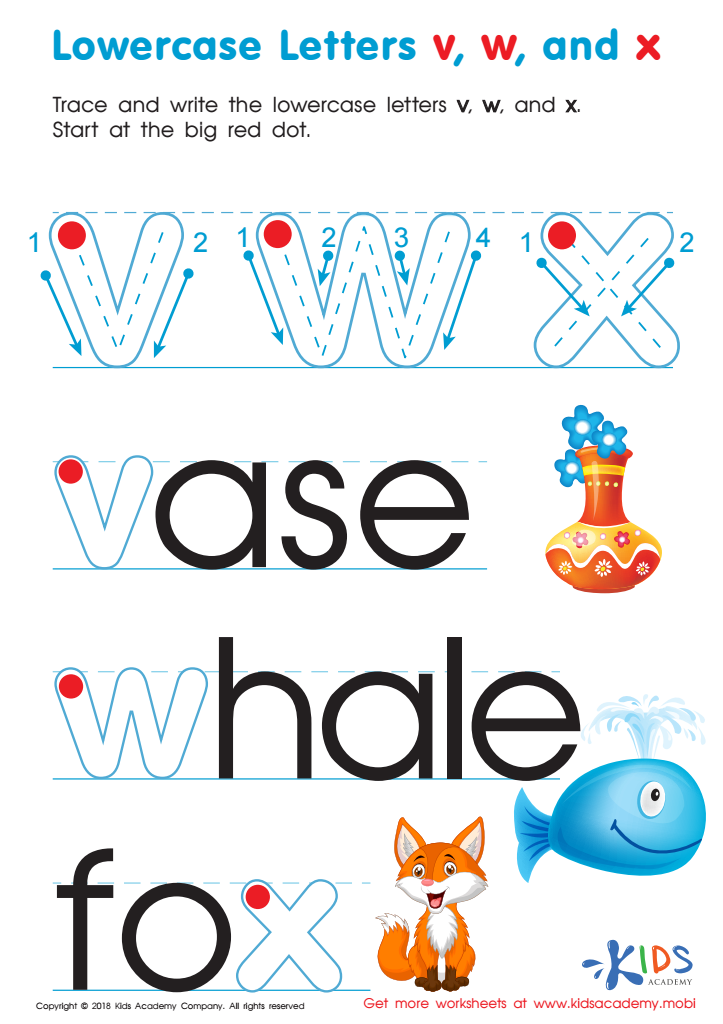
Lowercase Letters v w x Worksheet
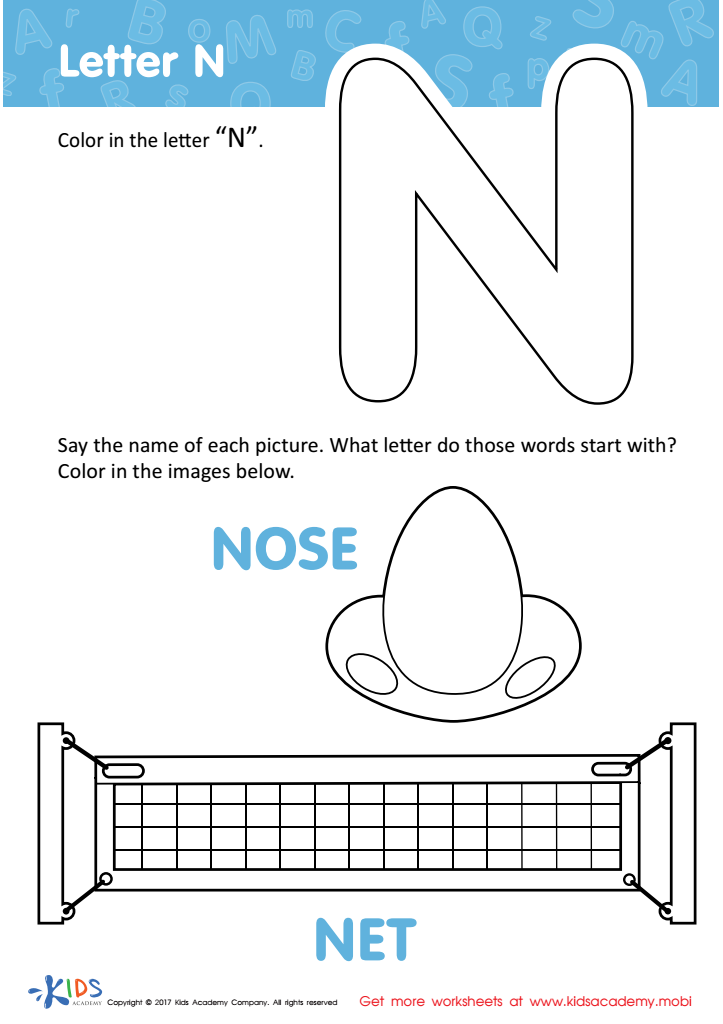
Letter N Coloring Sheet
Assign to My Students
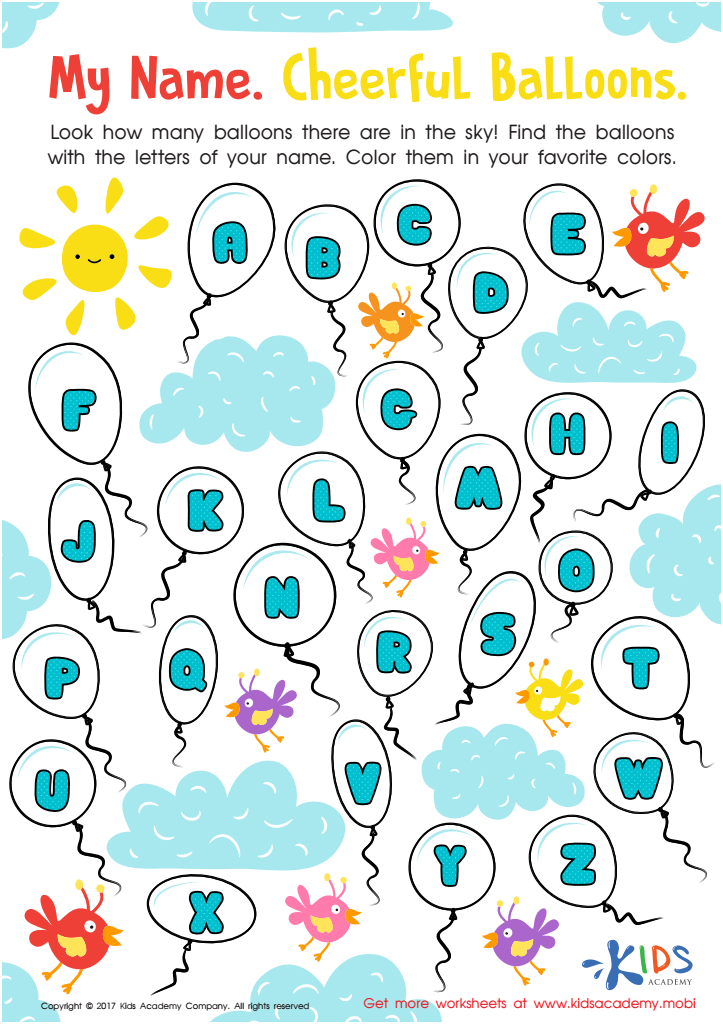
My Name: Cheerful Balloons Worksheet
Assign to My Students
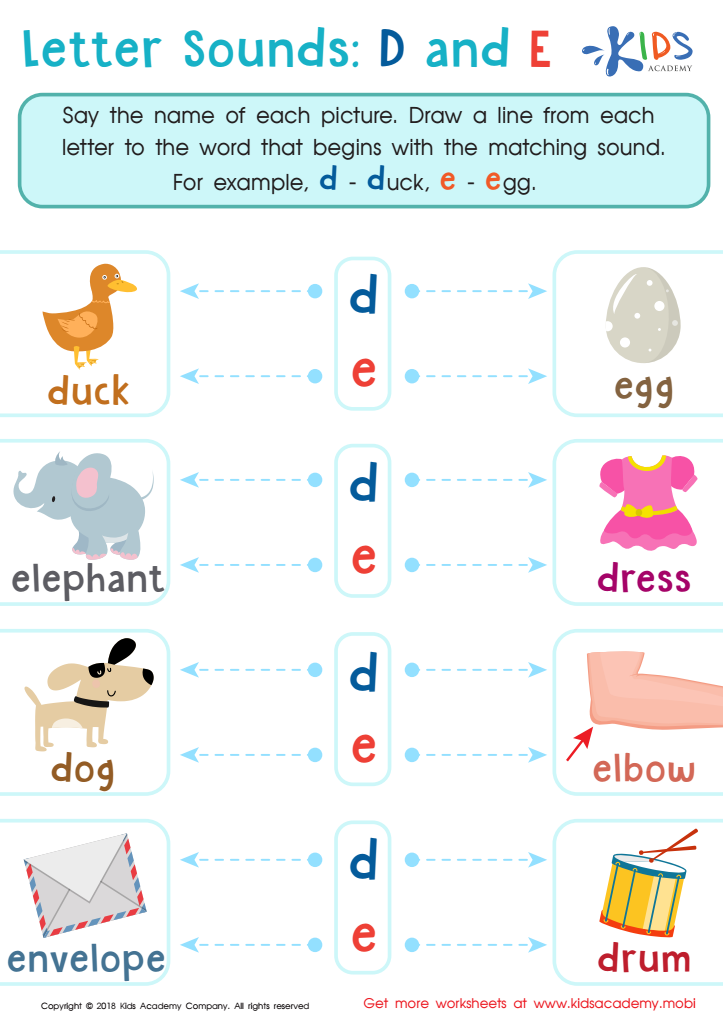
Letter D and E Sounds Worksheet
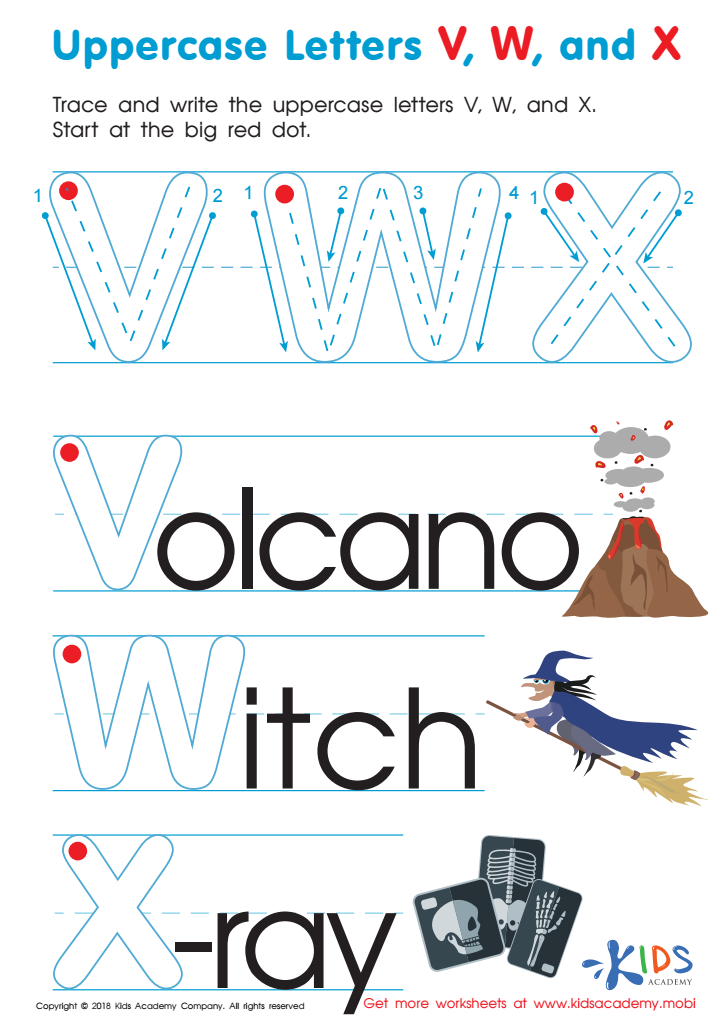
Uppercase Letters V, W, and X Worksheet








Handwriting practice using the normal alphabet is crucial for children aged 5-6 for several reasons. First, it lays the foundation for effective communication skills. At this age, children are developing their ability to express thoughts and ideas, and legible handwriting aids in conveying their messages clearly and confidently.
Moreover, handwriting practice promotes fine motor skills, which are essential for overall physical development. As children grasp pencils and form letters, they enhance their dexterity and coordination, skills that are valuable beyond writing, influencing tasks like cutting, tying shoelaces, or using utensils.
Additionally, engaging in consistent handwriting practice helps improve cognitive functions. It fosters memory retention and reinforces language development as students learn to associate sounds with letters and words.
For educators and parents alike, encouraging handwriting practice can also boost a child's self-esteem. As they master letter formation and spelling, children gain a sense of achievement which is vital during their formative years.
Lastly, in our increasingly digital age, establishing strong handwriting skills provides a necessary balance between technology use and traditional literacy, ensuring that children have a comprehensive skill set for their educational journey. Prioritizing handwriting can contribute significantly to a child's early learning success.







