Handwriting practice Normal Color Words Worksheets for Ages 5-6
6 filtered results
-
From - To
Boost your child's writing skills with our "Handwriting Practice Normal Color Words Worksheets" designed specifically for ages 5-6! These engaging worksheets introduce essential color vocabulary while helping young learners enhance their handwriting habits. Featuring clear, multi-sensory prompts and vibrant visuals, kids will discover the joy of writing color words like "red," "blue," and "green" in a fun and interactive way. With easy-to-follow exercises, children can practice letter formation, increase fine motor skills, and build confidence in their writing abilities. Perfect for homeschooling or classroom activities, these worksheets are a valuable resource for early literacy and language development!
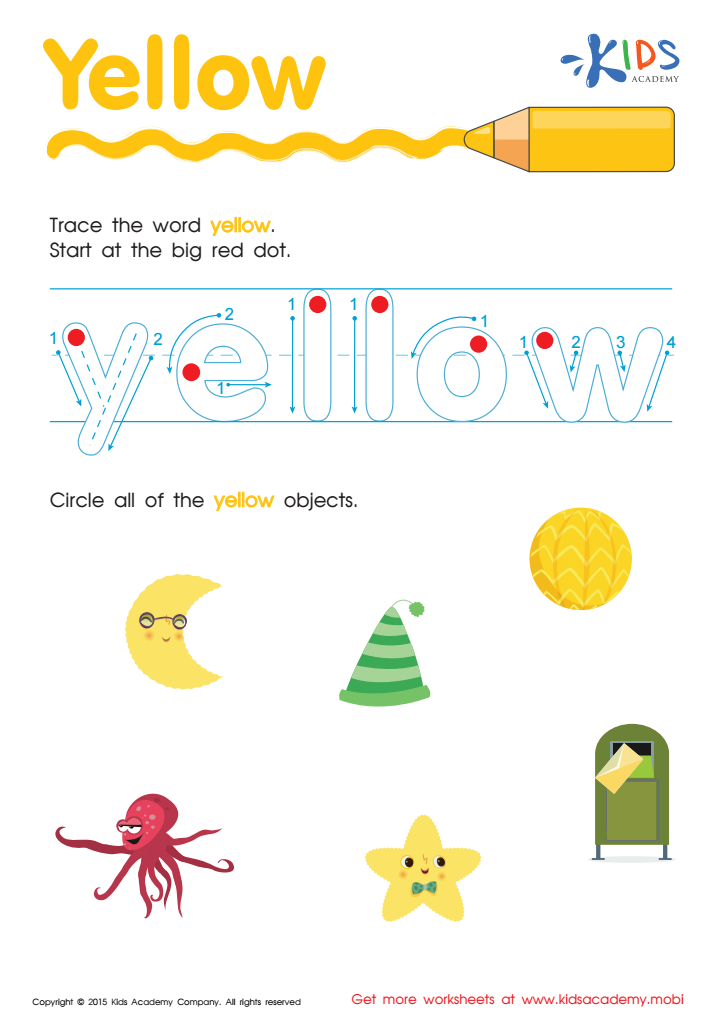
Yellow Tracing Color Words Worksheet
 Assign to My Students
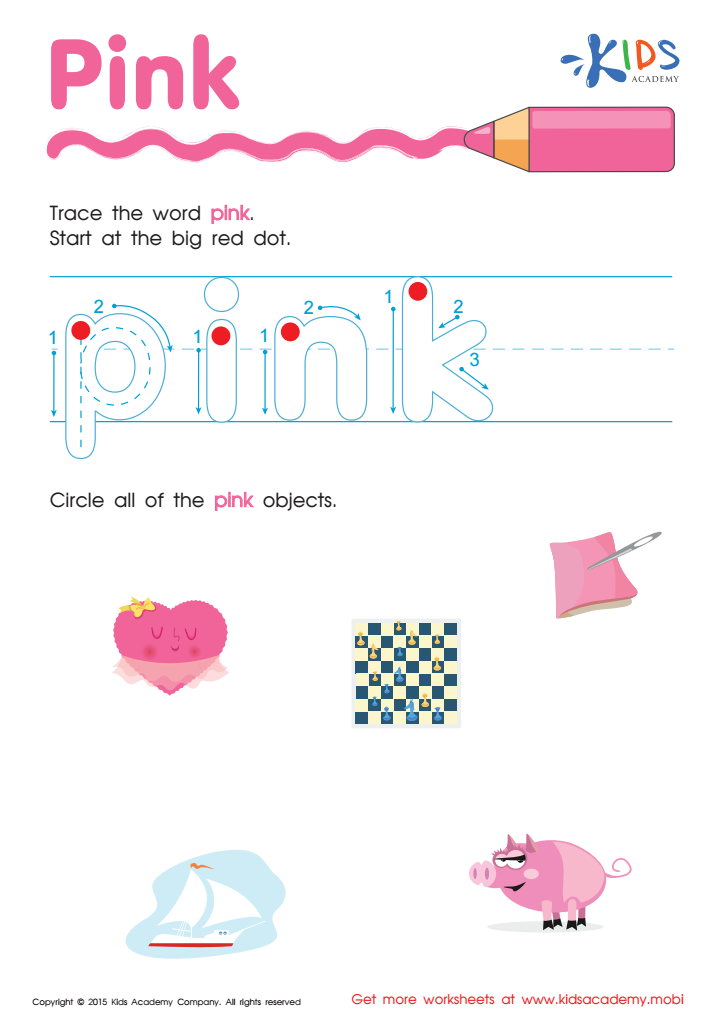
Pink Tracing Color Words Worksheet
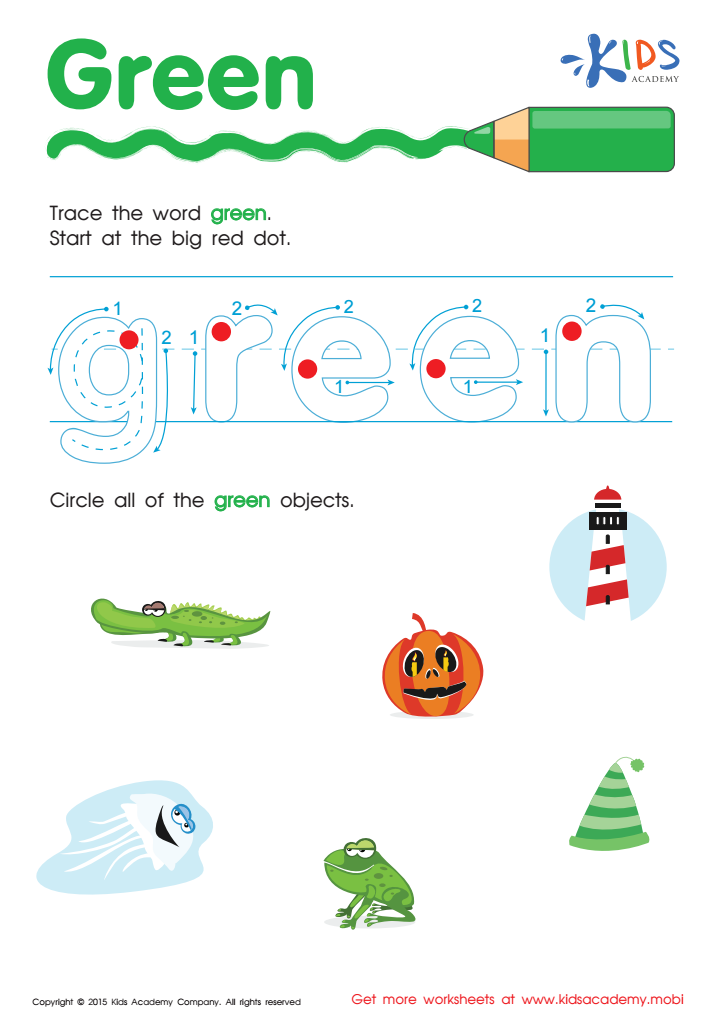
Green Tracing Color Words Worksheet
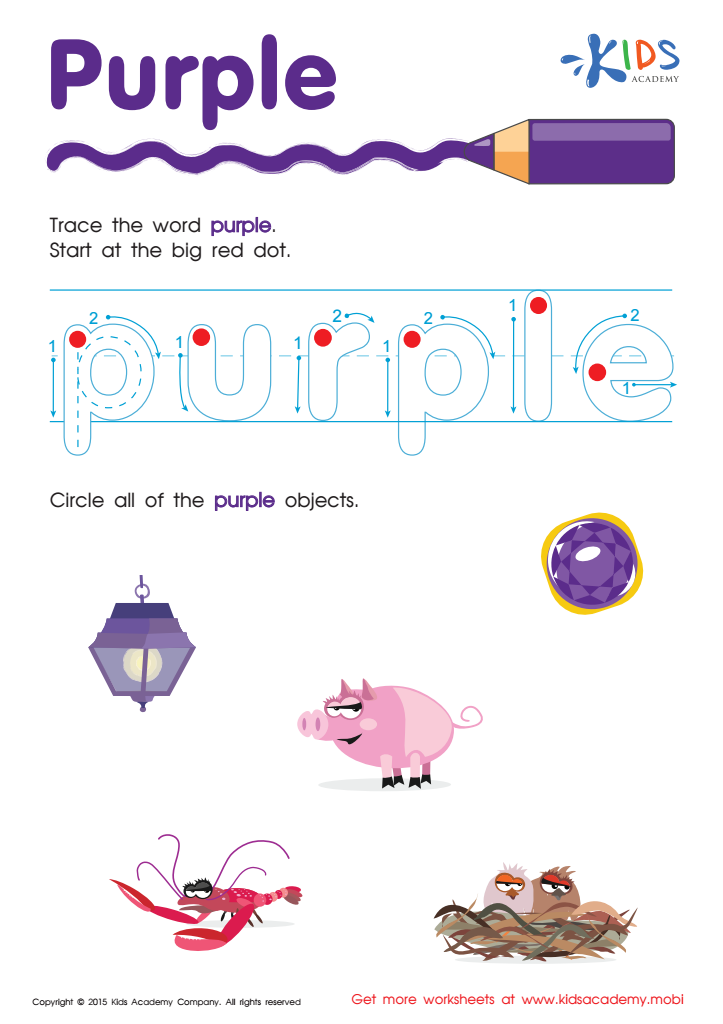
Purple Tracing Color Words Worksheet
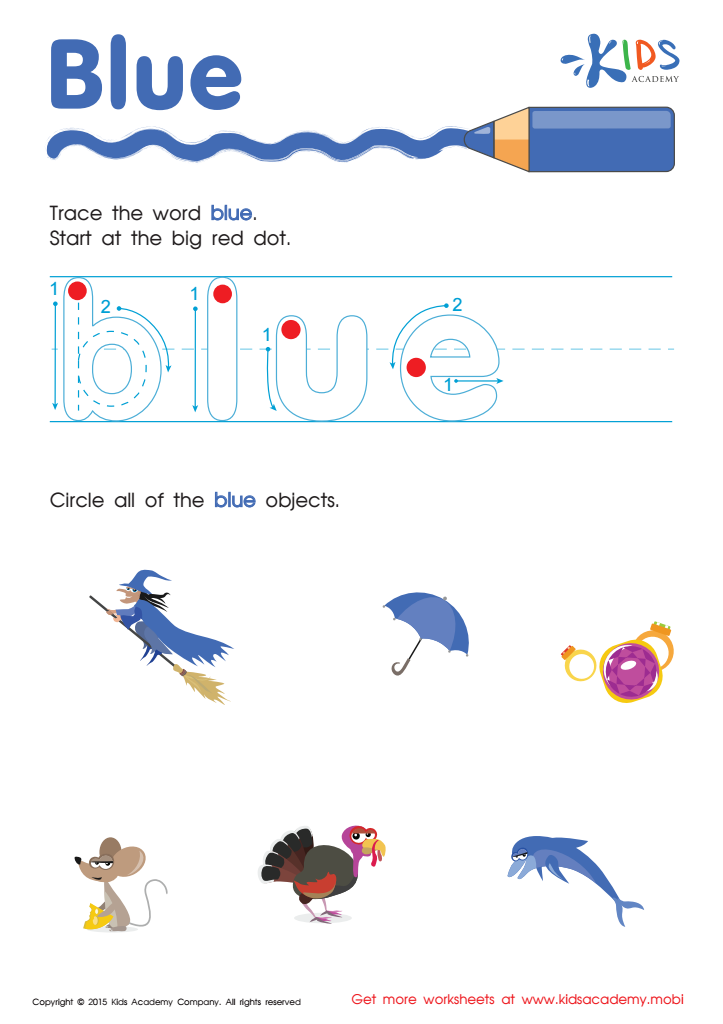
Blue Tracing Color Words Printable
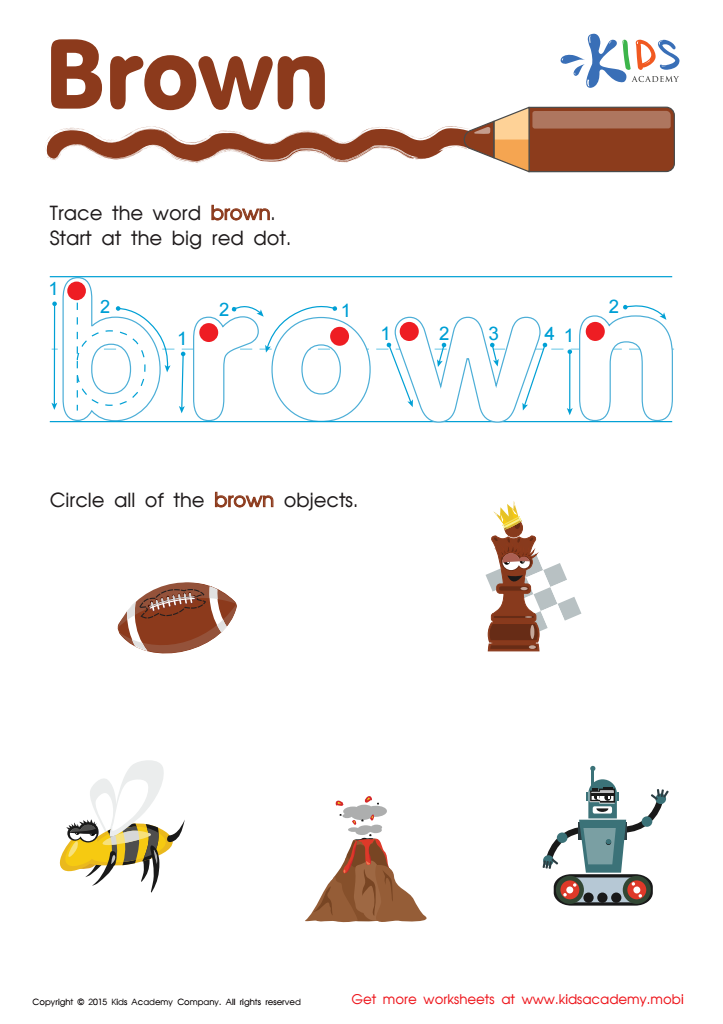
Brown Tracing Color Words Worksheet



Handwriting practice, particularly for children aged 5-6, is essential for several reasons. During these formative years, children are not only developing their fine motor skills but also laying the foundation for effective communication. Handwriting enhances their ability to form letters clearly, improving not just penmanship but also their confidence when expressing their thoughts in writing.
Furthermore, practicing handwriting helps reinforce literacy skills. The act of writing words, especially in "normal color" or print forms, aids in letter recognition, phonics, and spelling as children connect the visual forms of words with sounds and meanings. Engaging regularly in this practice also supports hand-eye coordination, which is crucial for their overall physical development.
In this digital age, where typing often takes precedence, maintaining a focus on handwriting ensures that children can effectively communicate in various contexts. Additionally, written communication remains a vital skill in the educational journey and beyond.
By fostering this skill early, parents and teachers can empower children with the tools to articulate their ideas, boost their academic performance, and prepare them for future learning roadblocks. Ultimately, making handwriting practice a priority can lead to significant benefits in a child's educational experience.








