Handwriting practice Normal Color Words Worksheets for Ages 6-8
6 filtered results
-
From - To
Boost your child's handwriting skills with our engaging Normal Color Words Worksheets, designed specifically for ages 6-8. These worksheets focus on enhancing letter formation and improving fine motor skills through fun and interactive activities centered around color words. Each worksheet provides ample practice opportunities, allowing young learners to confidently write and recognize colors while enjoying the process. Ideal for both parents and educators, these resources support language development and boost reading comprehension in a playful manner. Download our printable worksheets today and watch your child's handwriting flourish as they discover the vibrant world of colors! Perfect for English as a Second Language learners too!
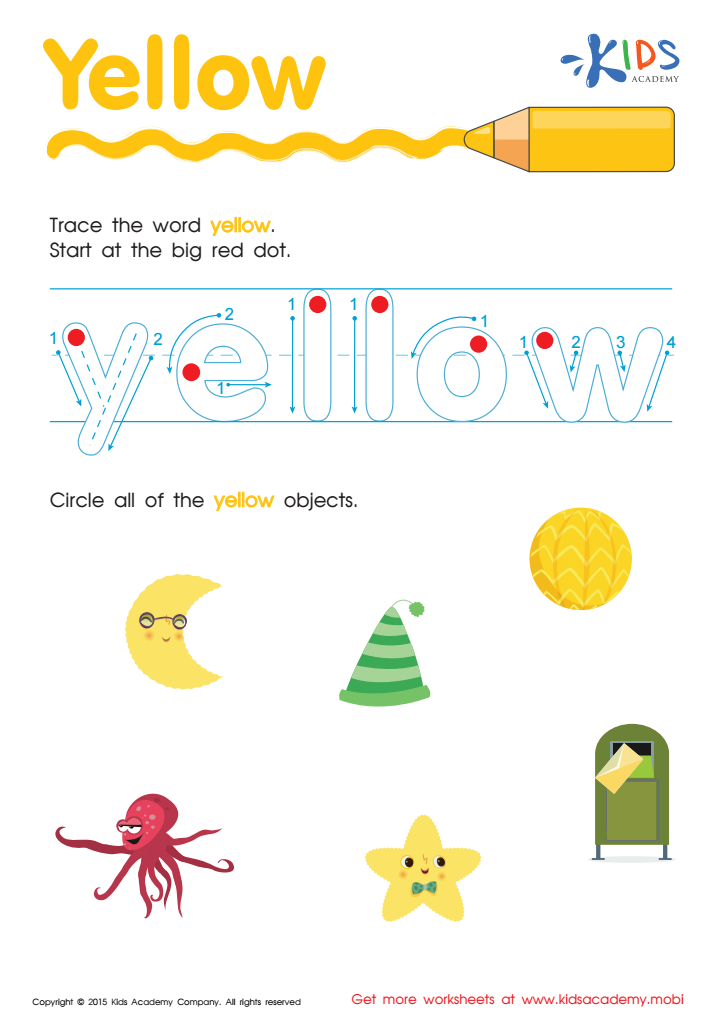
Yellow Tracing Color Words Worksheet
 Assign to My Students
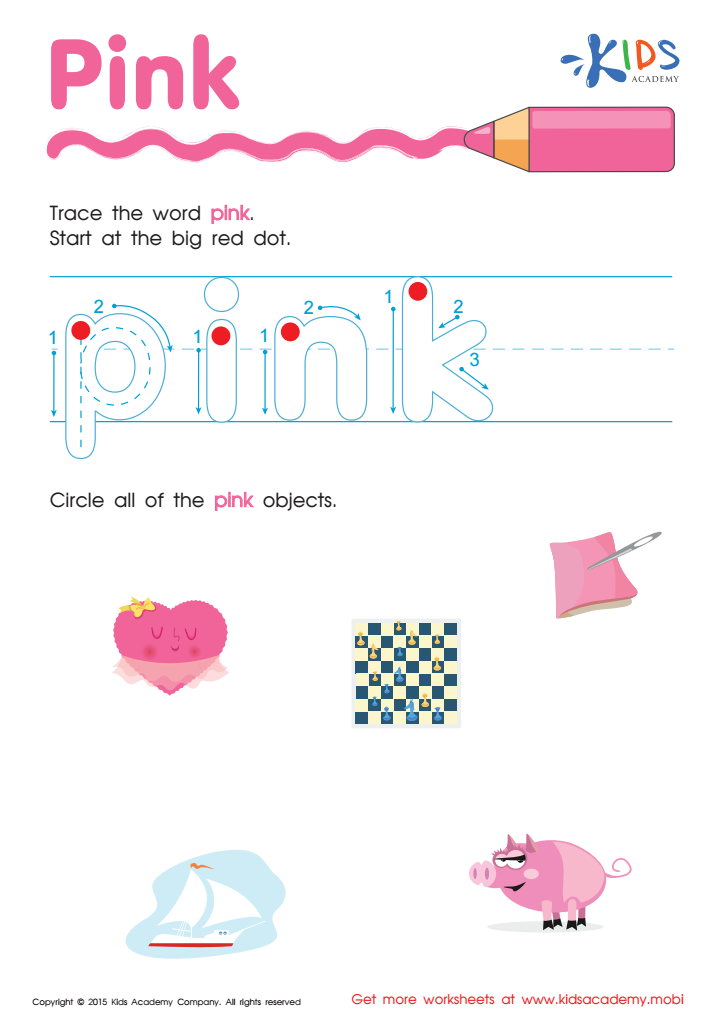
Pink Tracing Color Words Worksheet
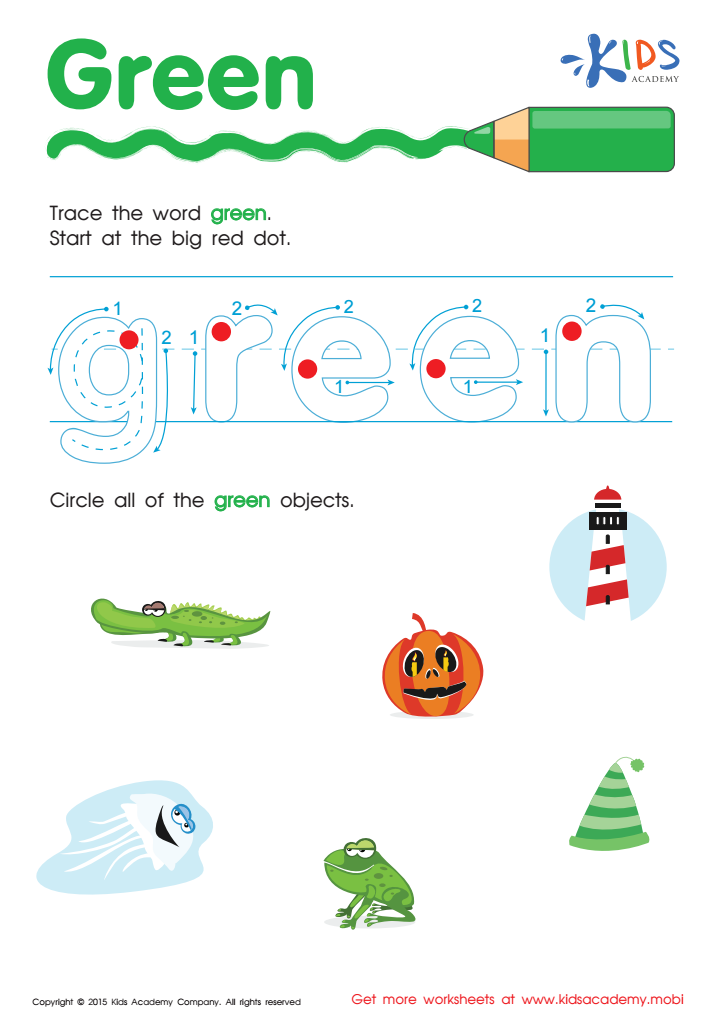
Green Tracing Color Words Worksheet
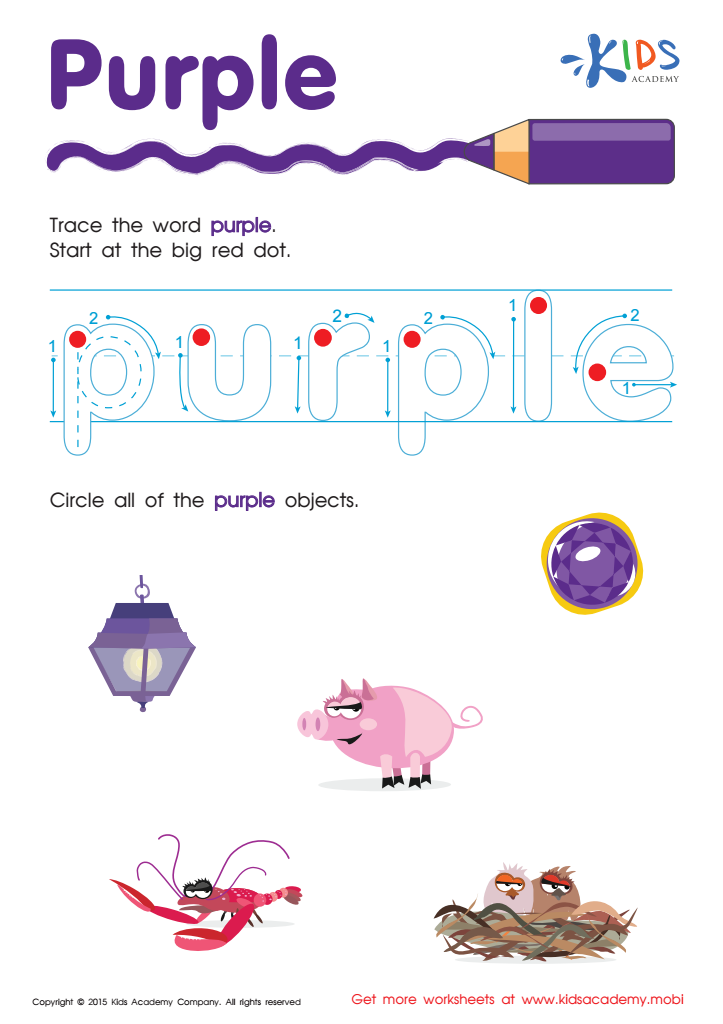
Purple Tracing Color Words Worksheet
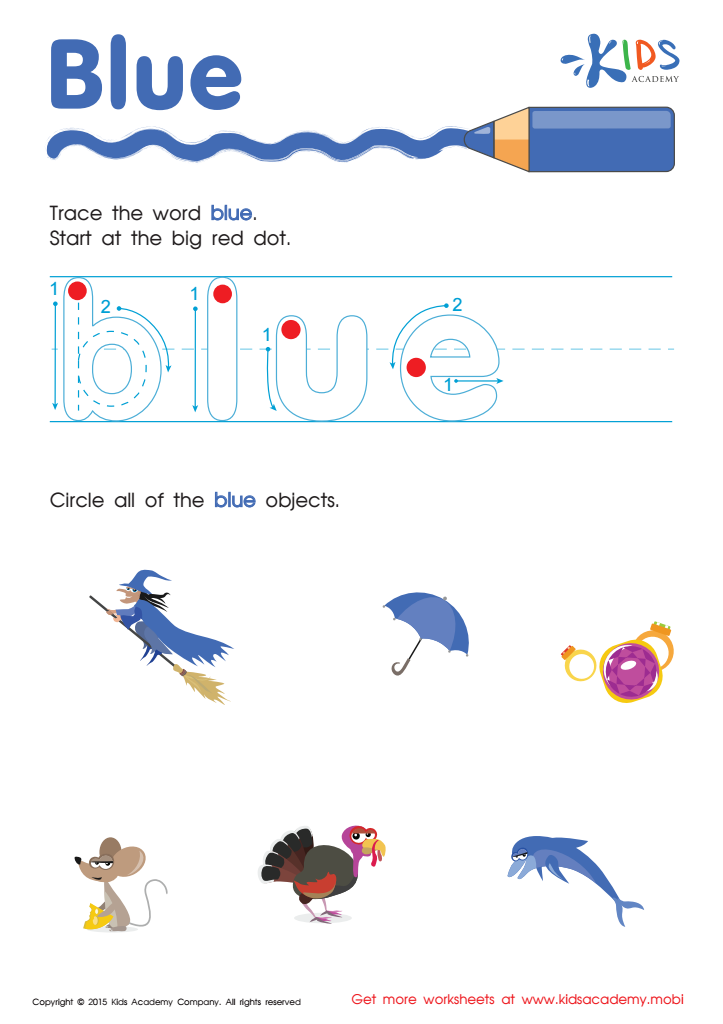
Blue Tracing Color Words Printable
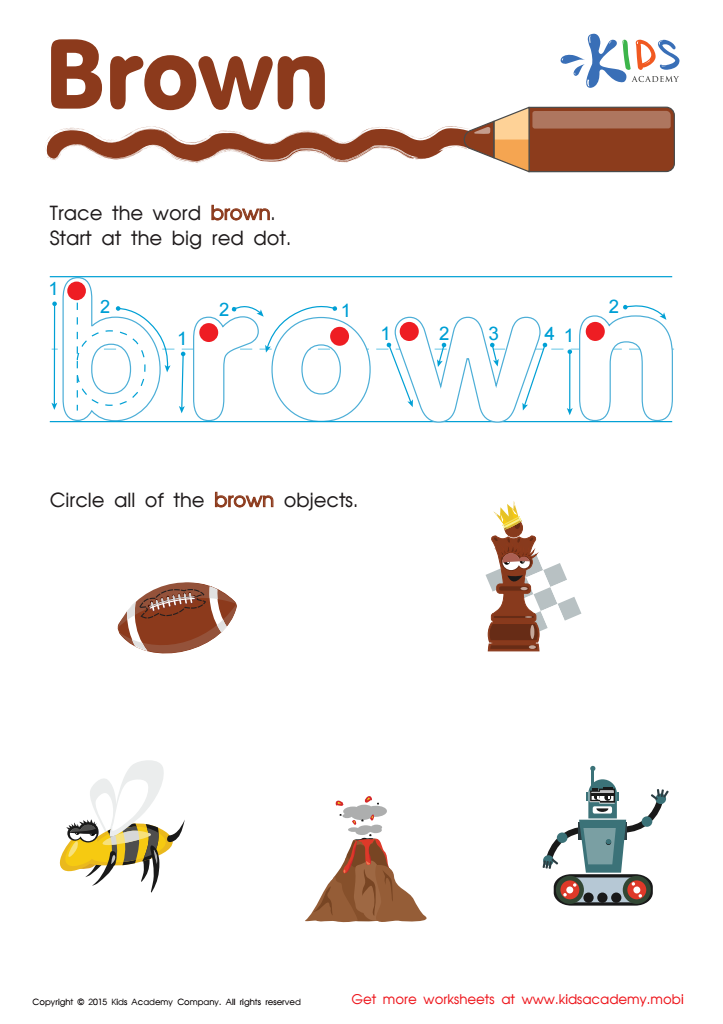
Brown Tracing Color Words Worksheet



Handwriting practice for children aged 6-8 is a fundamental aspect of their learning and development. At this stage, children are developing fine motor skills and cognitive functions that are critical for their overall academic success. Handwriting not only helps improve motor coordination but also reinforces the connection between visual perception, muscle memory, and the cognitive process of spelling and sentence structure.
Engaging in handwriting practice teaches children how to express their thoughts clearly and creatively. As they form letters and words, they gain confidence in their ability to communicate effectively, which is essential for their self-esteem and social interactions. Moreover, research has shown that handwriting can enhance learning retention, making it easier for children to remember information.
Economically, promoting handwriting at this age helps bridge learning gaps, setting a strong foundation for literacy skills. Parents and teachers should emphasize handwriting practice by providing fun, engaging activities that incorporate "normal color words." This approach not only makes the practice enjoyable but also helps children learn new vocabulary, as well as improve their reading and writing skills.
Ultimately, nurturing strong handwriting skills in young children lays the groundwork for lifelong communication abilities, academic achievement, and personal expression.








