Letter recognition Normal Alphabet Worksheets for Ages 5-6 - Page 3
59 filtered results
-
From - To
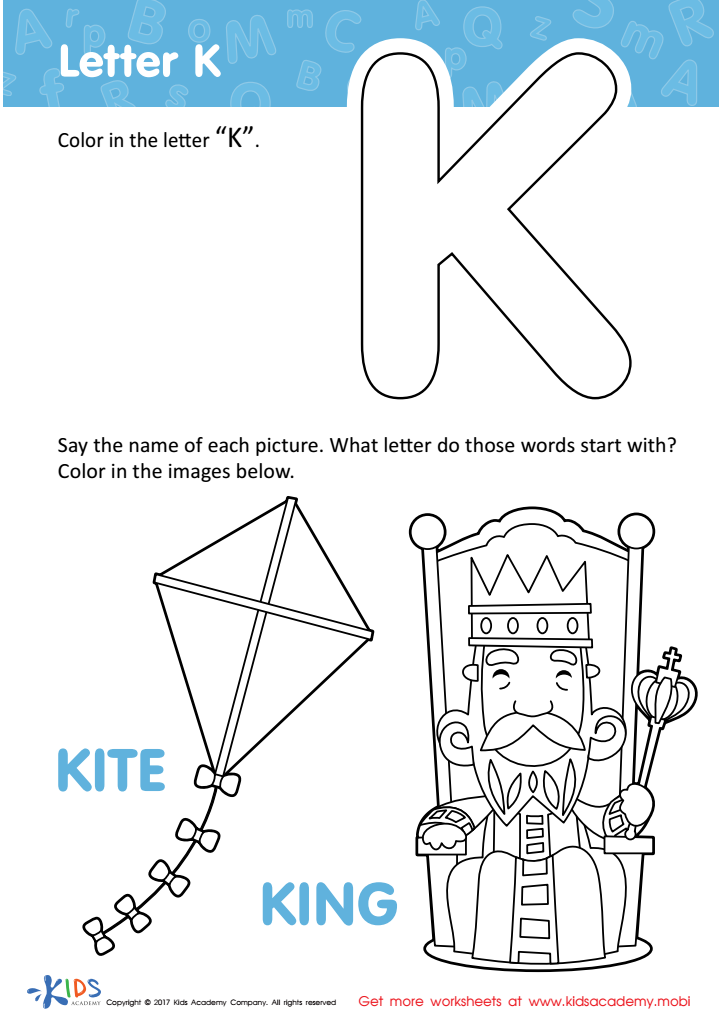
Letter K Coloring Sheet
 Assign to My Students
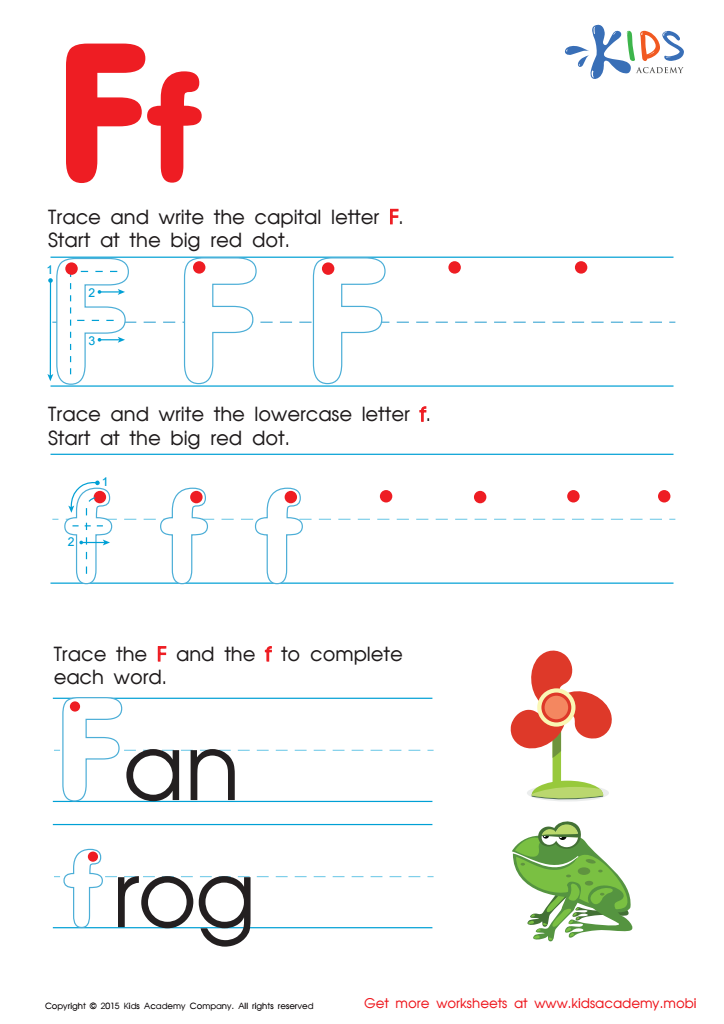
Letter F Tracing Page
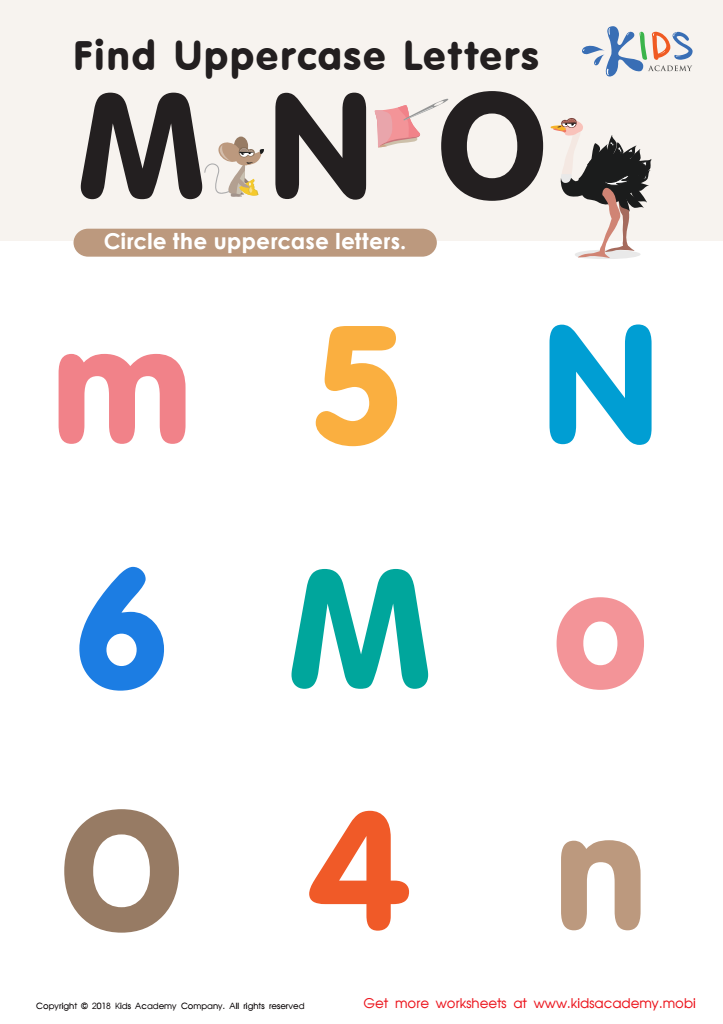
Find Uppercase Letters M, N, and O Worksheet

Long and Short E Worksheet
Assign to My Students
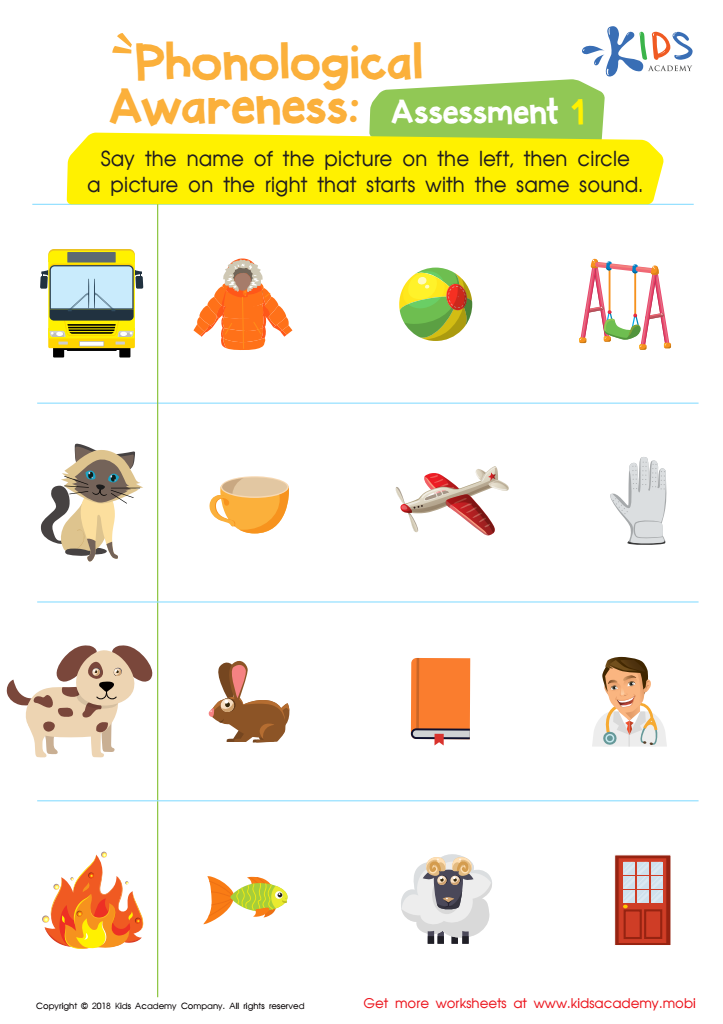
Phonological Awareness: Assessment 1 Worksheet
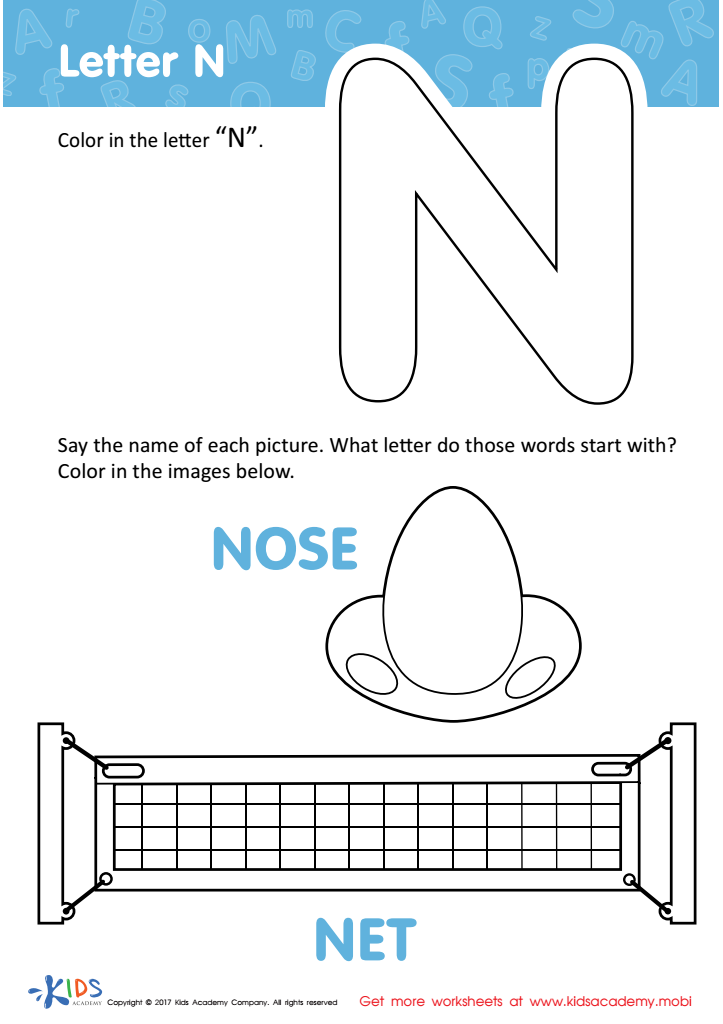
Letter N Coloring Sheet
Assign to My Students

Letter D Tracing Page
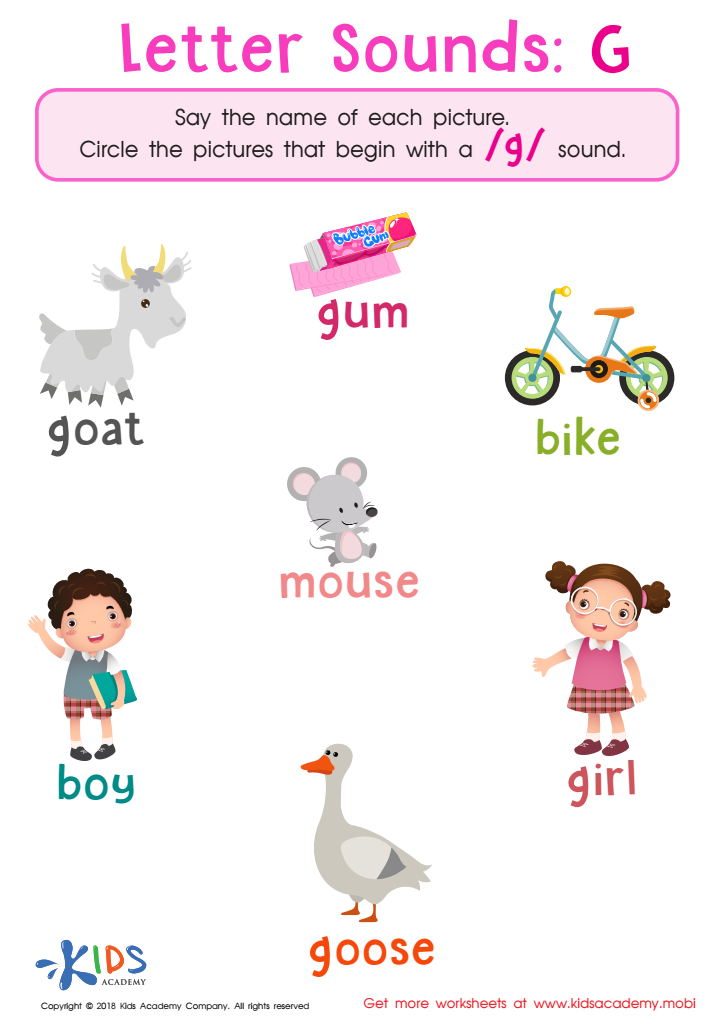
Letter G Sounds Worksheet
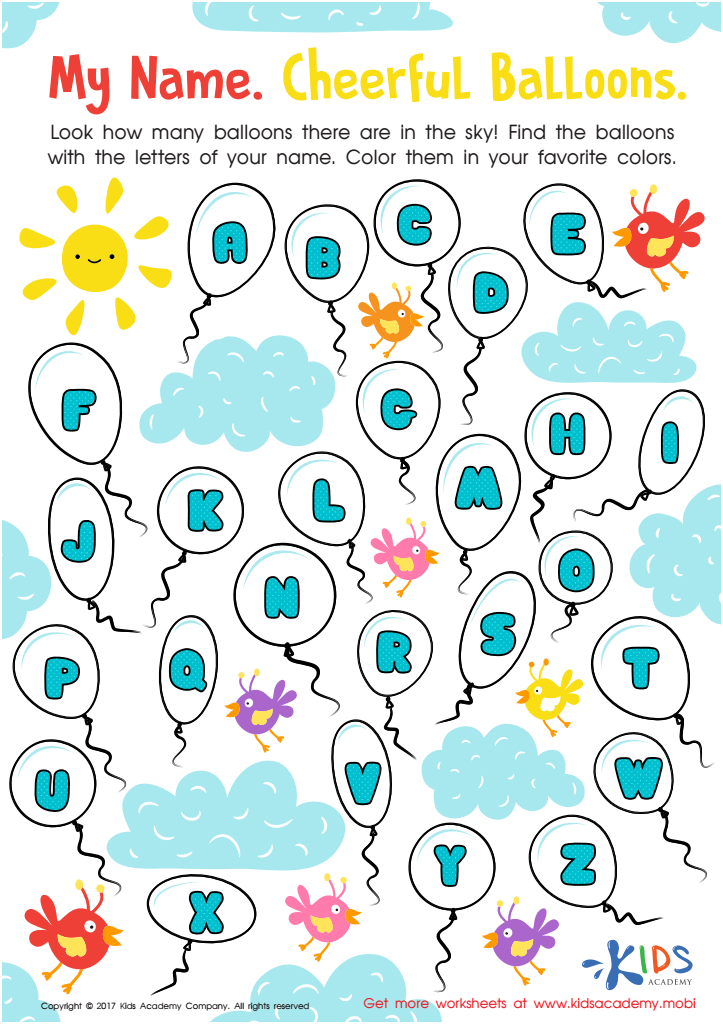
My Name: Cheerful Balloons Worksheet
Assign to My Students
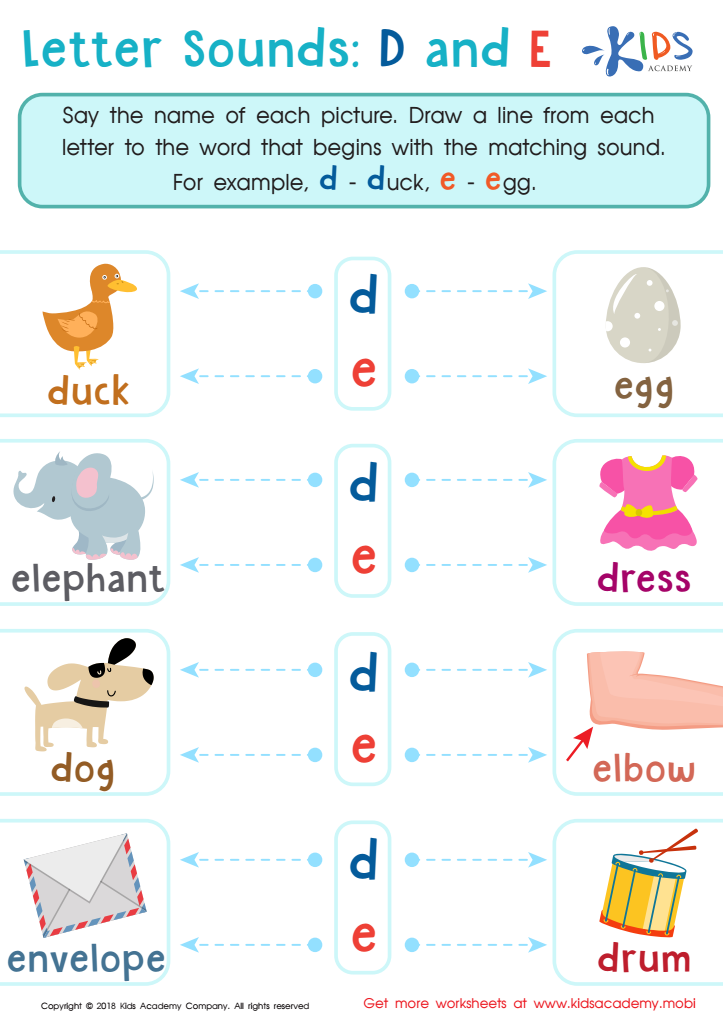
Letter D and E Sounds Worksheet
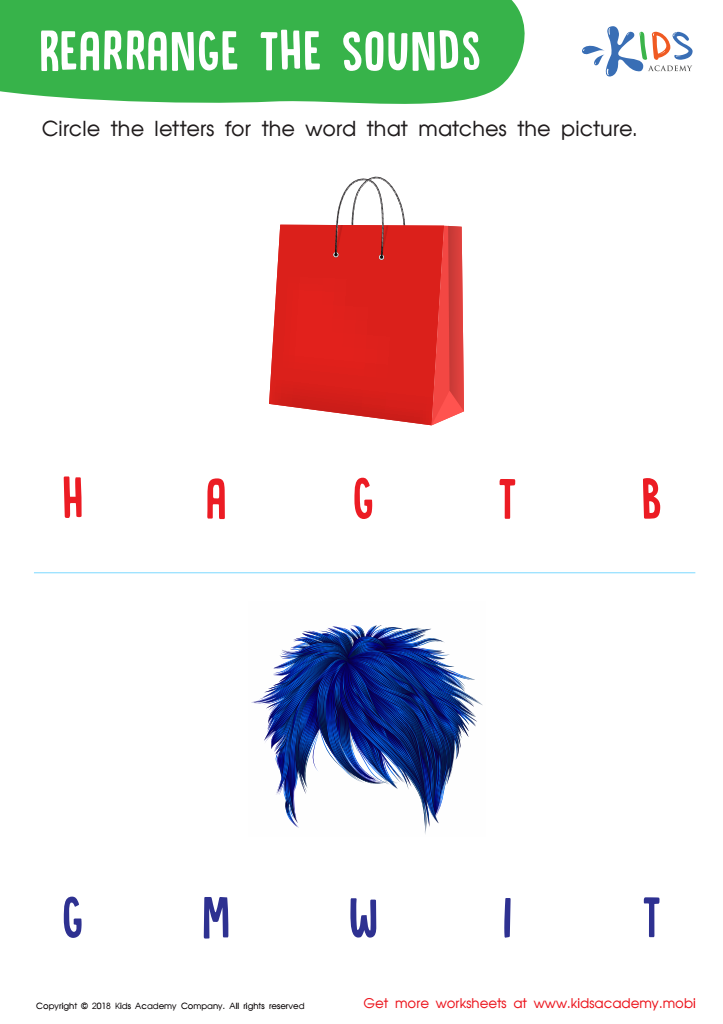
Rearrange the Sounds Worksheet






Letter recognition is a crucial milestone in early childhood education, forming the foundation for literacy development. For children aged 5-6, mastering the normal alphabet is essential as it paves the way for reading and writing skills. Parents and teachers should prioritize letter recognition because it enables children to understand that letters are symbols representing sounds, which is fundamental for phonetic awareness and decoding words.
At this age, children’s brains are highly adaptable and capable of absorbing new information efficiently. Early recognition of letters promotes cognitive development and improves a child's ability to communicate. Moreover, it enhances children's ability to recognize patterns in words, aiding in their reading fluency and comprehension.
Socially, being adept at letter recognition boosts confidence, allowing children to participate more actively in classroom activities. This positive reinforcement fosters a love for learning and sets the stage for academic success. Learning the alphabet supports fine motor skills through activities such as tracing, drawing, and writing.
Teachers and parents must see early letter recognition as the key to unlocking a child's potential, making structured and playful alphabet learning activities a priority. Investing time and effort in this early stage of education has long-term benefits, setting a strong foundation for a child's future literary achievements and overall academic excellence.







