Sound recognition Normal Phonics Worksheets for Ages 5-6
9 filtered results
-
From - To
Boost your child’s reading skills with our Sound Recognition Normal Phonics Worksheets designed for ages 5-6. These engaging and fun worksheets help young learners identify and pronounce different sounds, laying the foundation for effective reading and writing. By associating sounds with corresponding letters, children enhance their phonemic awareness, an essential pre-reading skill. Our vibrant and captivating exercises keep kids motivated while reinforcing their understanding of phonics concepts. Ideal for home or classroom use, these worksheets are a perfect addition to any educational activity, ensuring your child develops strong literacy skills. Unlock the joy of learning with our phonics worksheets today!
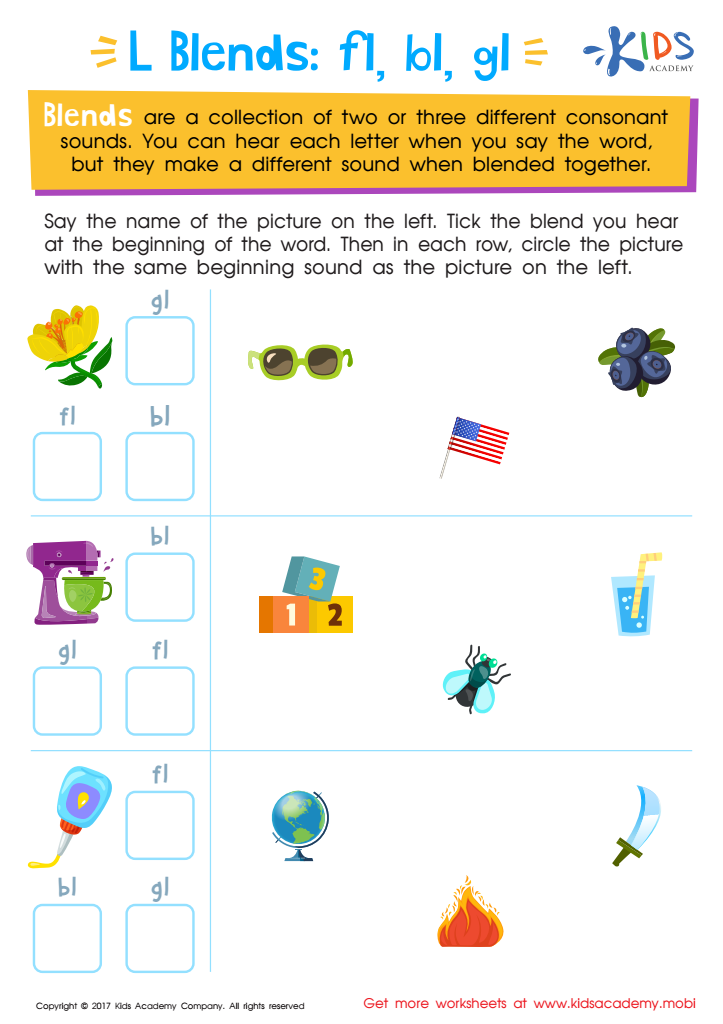
Blending Consonants: "Fl", "Bl" and "Gl" Printable
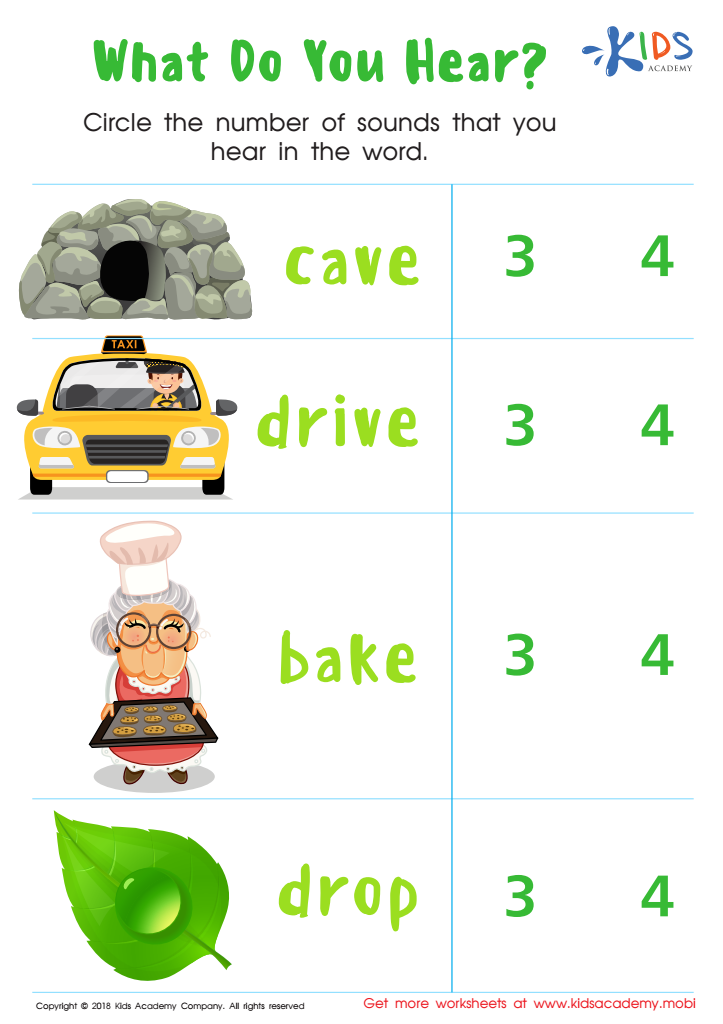
What Do You Hear? Worksheet
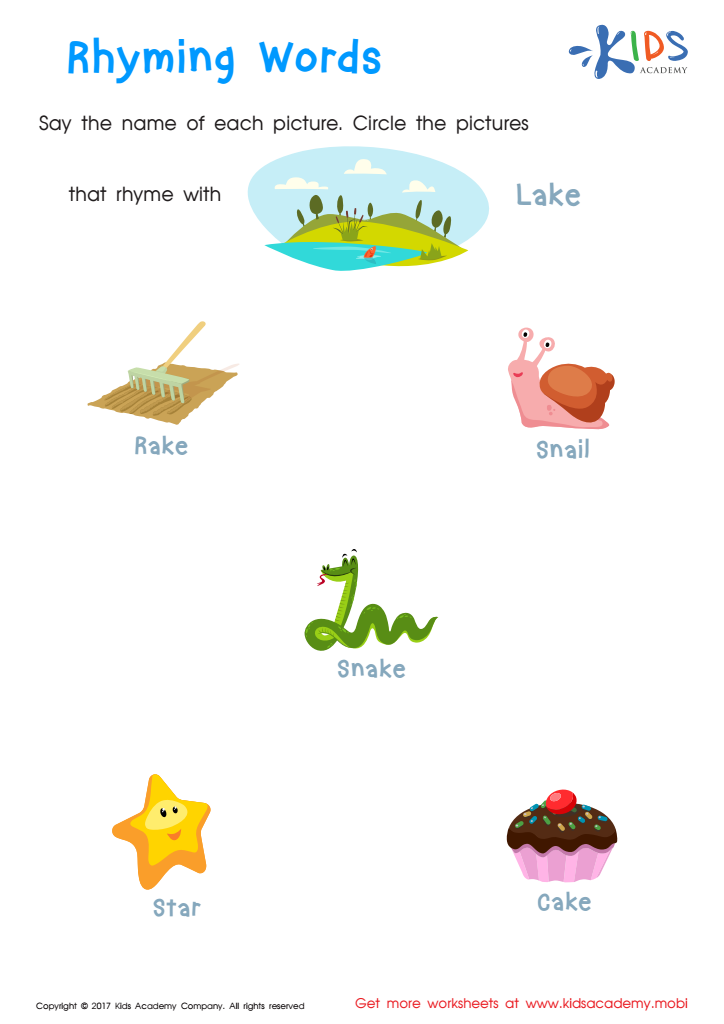
Rhyming Words Rhyming Worksheet
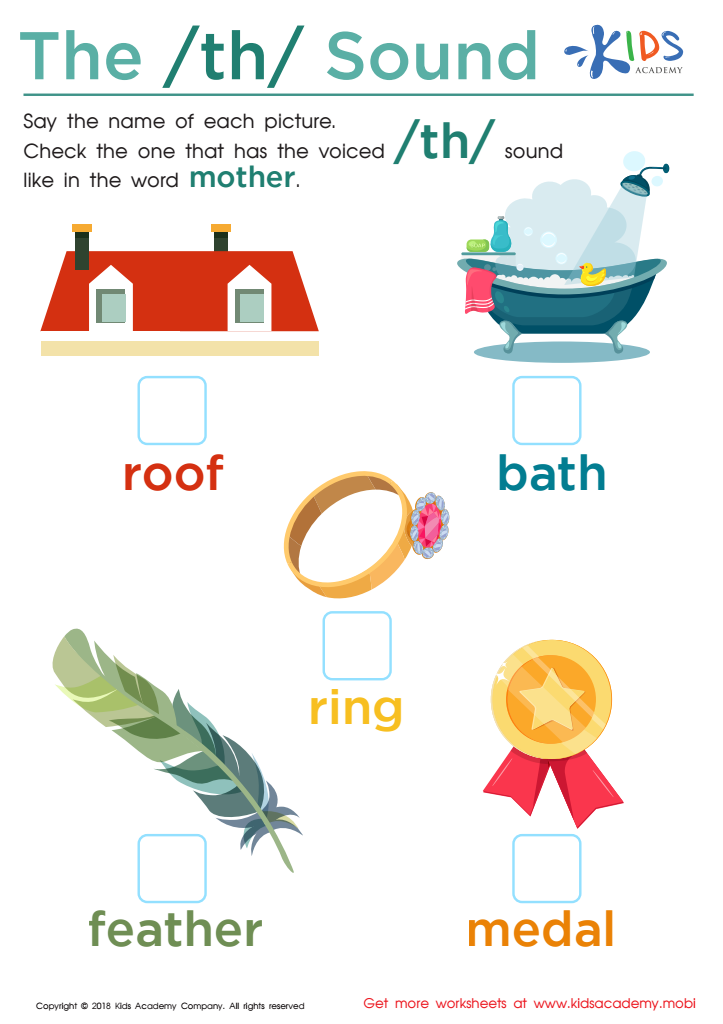
The /th/ Sound Worksheet

Long and Short U Worksheet
 Assign to My Students
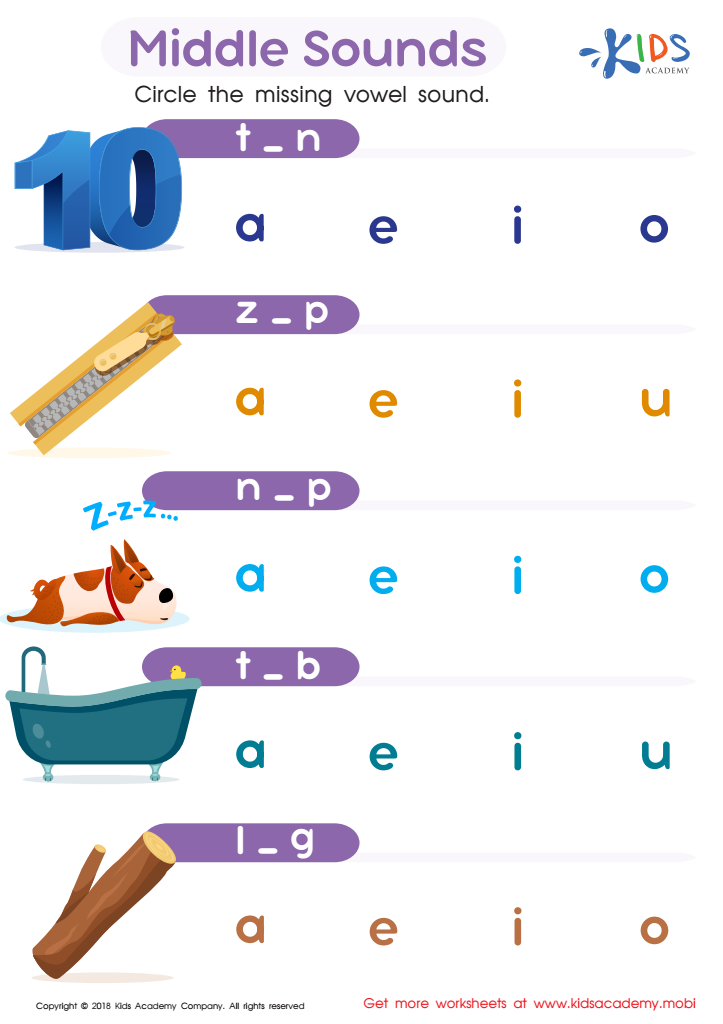
Middle Sounds Worksheet
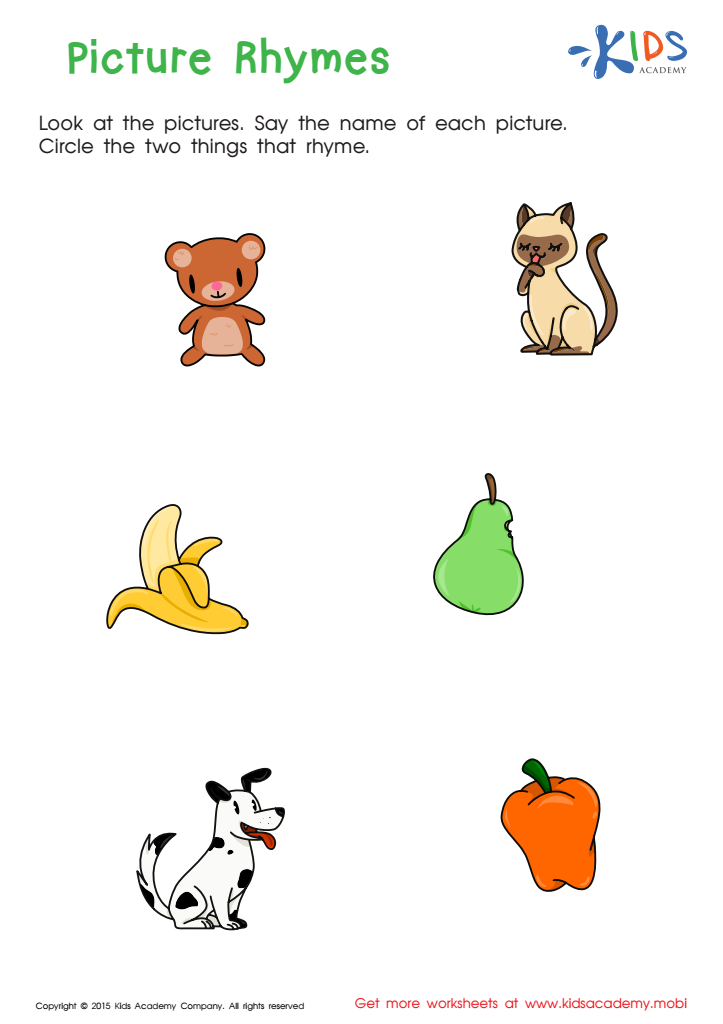
First Words: Picture Rhymes Worksheet
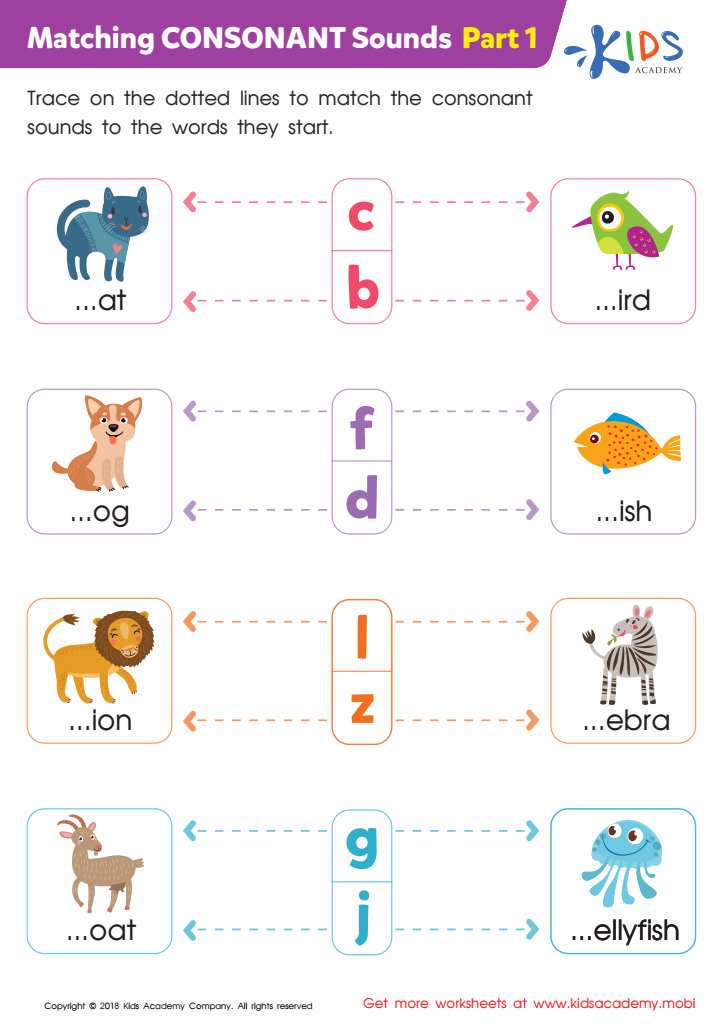
Matching Consonant Sounds: Part 1 Worksheet
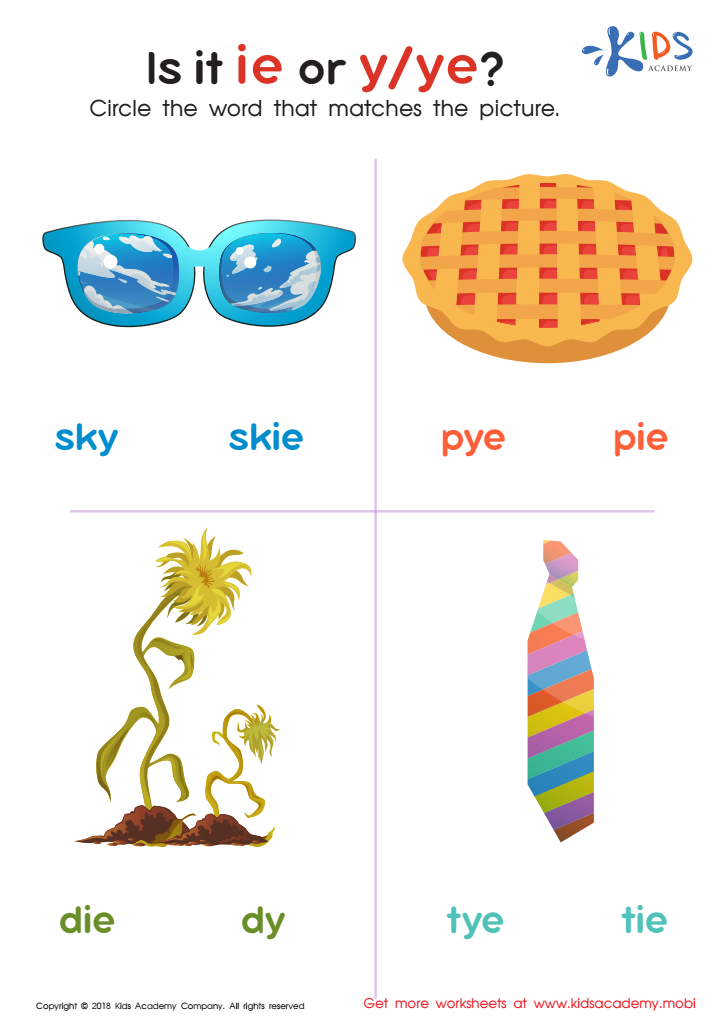
Is It IE or Y/Ye? Worksheet








Sound recognition and normal phonics for ages 5-6 are fundamental components of early literacy development, influencing a child's ability to read and write proficiently later. At this age, children are incredibly receptive and begin to form neural connections that are crucial for decoding language.
For parents and teachers, focusing on sound recognition and phonics helps children understand the relationship between letters and their sounds, which is the foundation of reading. When kids learn to identify sounds (phonemes) and match them to letters (graphemes), they develop the skills to sound out words, improving their reading accuracy and fluency.
Strong phonics skills also support spelling and writing. By recognizing patterns in words and understanding sound-letter relationships, children can begin to spell out words independently, enhancing their overall literacy.
Moreover, proficiency in phonics and sound recognition is linked to better performance in school. Children who acquire these skills early are often more confident and engaged learners. Without this foundation, children may struggle, leading to academic frustration and a potential disengagement from learning.
Therefore, giving priority to sound recognition and phonics at ages 5-6 sets up children for a trajectory of educational success, making it a crucial focus for parents and teachers alike.







