Vocabulary Building Normal Phonics Worksheets for Ages 5-6
6 filtered results
-
From - To
Discover our engaging Vocabulary Building Normal Phonics Worksheets designed specifically for children ages 5-6. These worksheets enhance early literacy skills by reinforcing phonics knowledge and expanding vocabulary through fun and interactive activities. Each worksheet focuses on phonetic sounds, helping young learners connect letters to words, improving their reading readiness. With bright illustrations and age-appropriate challenges, kids will enjoy practicing new vocabulary in a supportive and enjoyable way. Ideal for teachers and parents, these resources make learning to read an exciting adventure. Help your child build a solid foundation in language with our carefully curated phonics worksheets today!
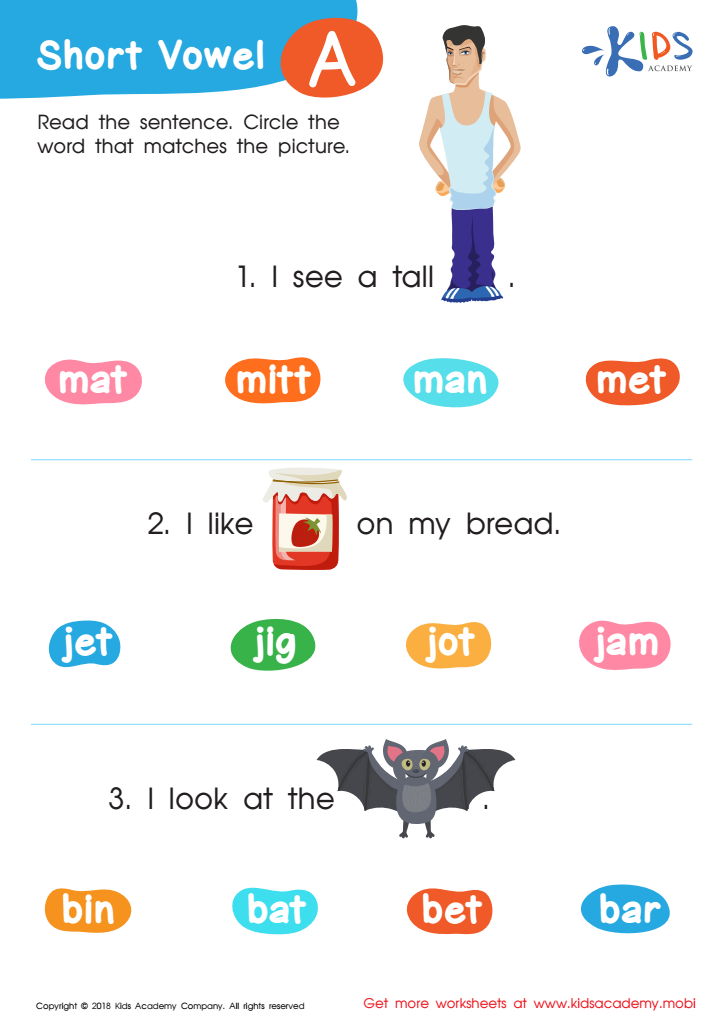
Short Vowel /a/ Worksheet
 Assign to My Students
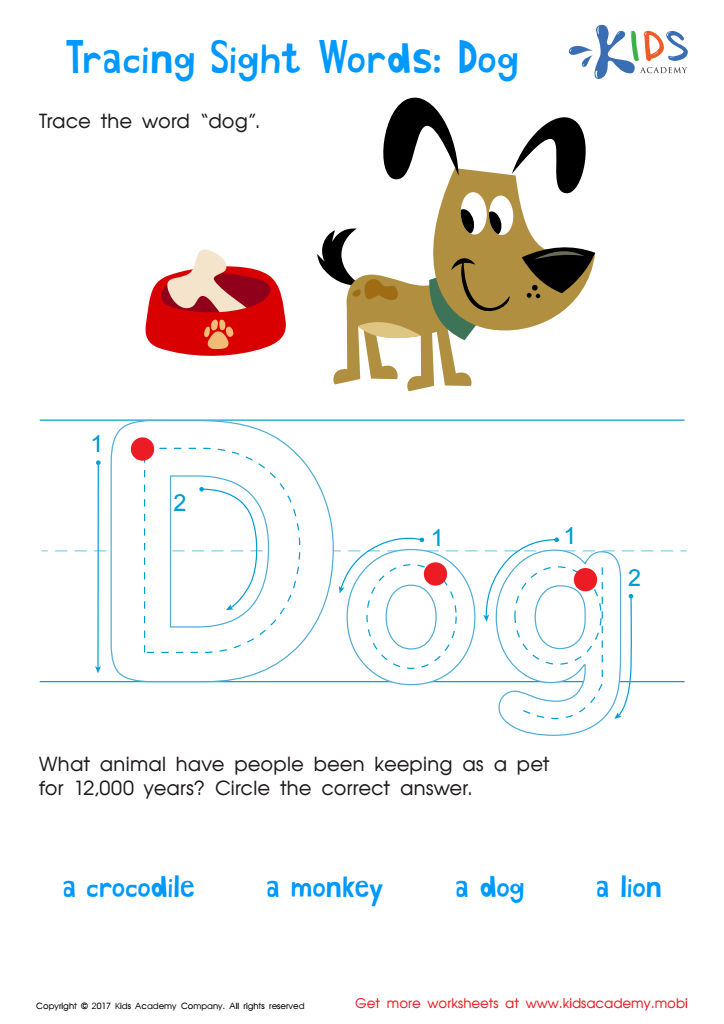
Dog Worksheet Sight Words Worksheet
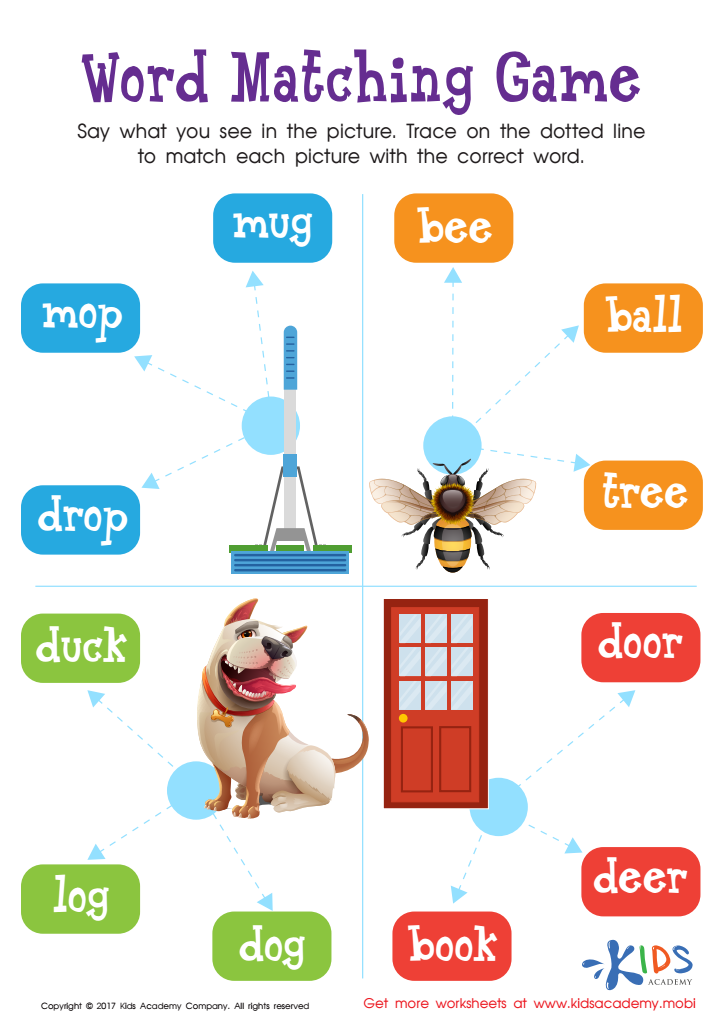
Word Matching Game Worksheet
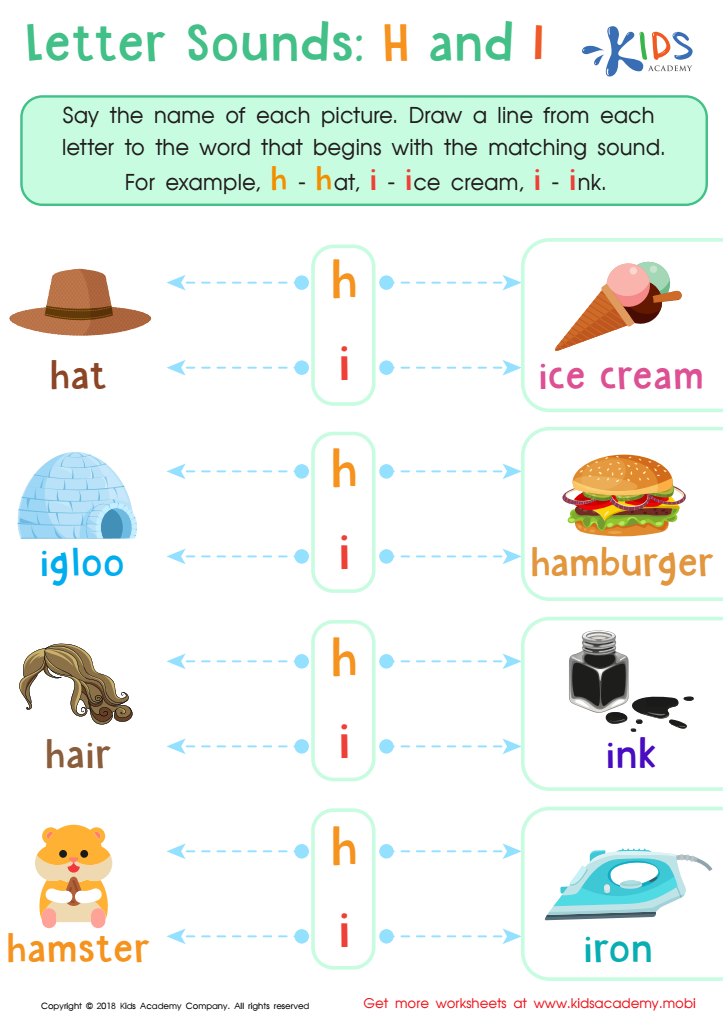
Letter H and I Sounds Worksheet
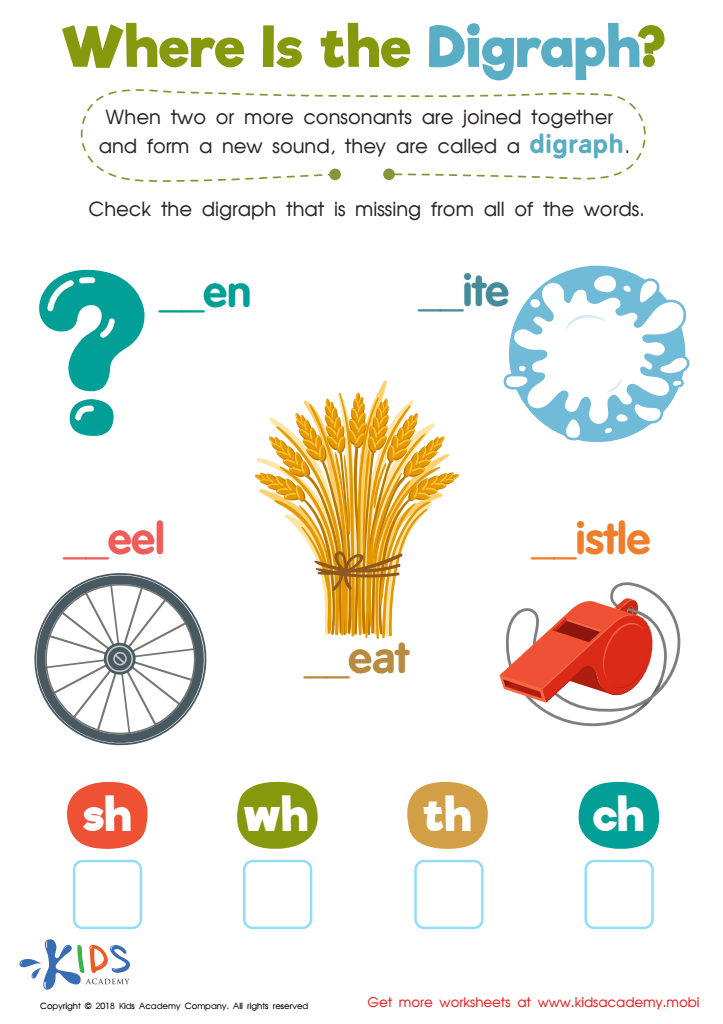
Where Is the Digraph? Worksheet
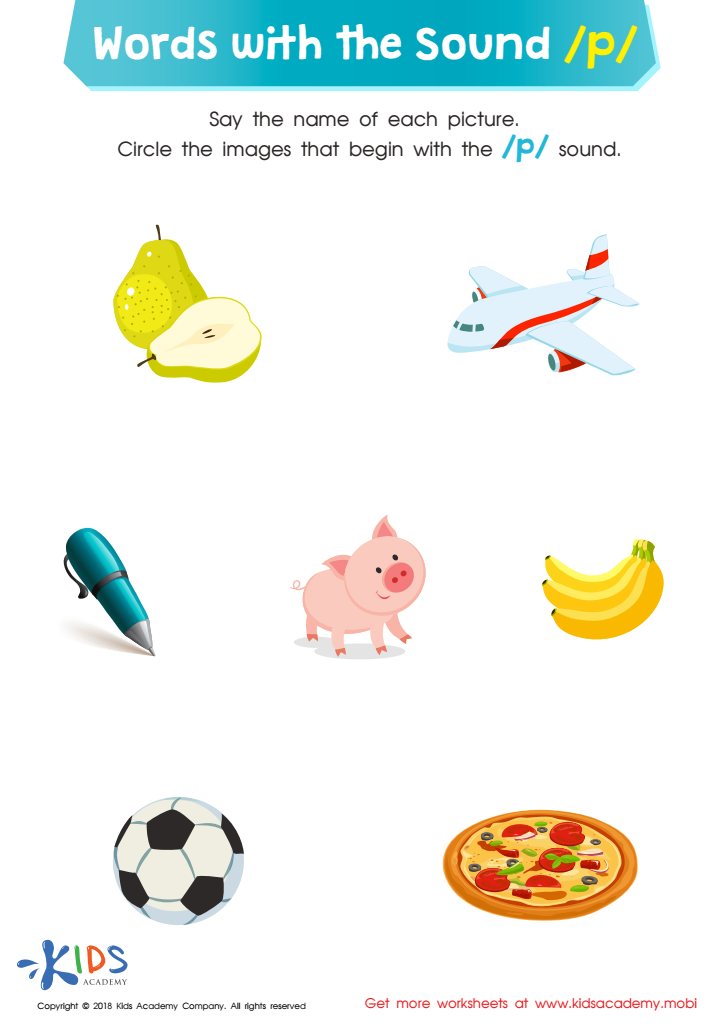
Words with sound p Reading Worksheet








Vocabulary building and phonics are critical components of early literacy for children aged 5-6. At this formative age, children are developing foundational reading and communication skills that will support their academic journey. Parents and teachers should prioritize this aspect of learning because a robust vocabulary lays the groundwork for comprehension. When children understand and use a diverse range of words, they are better equipped to interpret language, express themselves, and connect with others.
Phonics, on the other hand, equips young learners with the tools to decode words and comprehend text meaningfully. Understanding the relationship between letters and sounds is essential for mastering reading and writing. Effective phonics instruction fosters confidence in children, making them more willing to engage with texts.
Additionally, enhancing vocabulary and phonics at this stage supports overall cognitive development. Children learn about the world around them through language; possessing a strong vocabulary allows them to articulate thoughts and ideas, enhancing their critical thinking and problem-solving skills.
Ultimately, investing time in vocabulary building and phonics not only helps children read and write more proficiently but also instills a love of language and learning that can last a lifetime. Ensuring this essential development phase is nurtured can have lasting impacts on children's futures.







