Alphabet Recognition Normal Upper & Lowercase Letters Worksheets for Ages 5-6
19 filtered results
-
From - To
Explore our engaging Alphabet Recognition Normal Upper & Lowercase Letters Worksheets, specially designed for ages 5-6. These worksheets help young learners master the alphabet by recognizing and differentiating between uppercase and lowercase letters. Perfect for early readers, the colorful exercises make learning fun and interactive while enhancing letter recognition and comprehension skills. Each worksheet is crafted to support children in their educational journey, ensuring they build a solid foundation in reading and writing. Make alphabet learning an enjoyable experience for your little ones with our expertly designed resources. Discover the joy of learning together today!
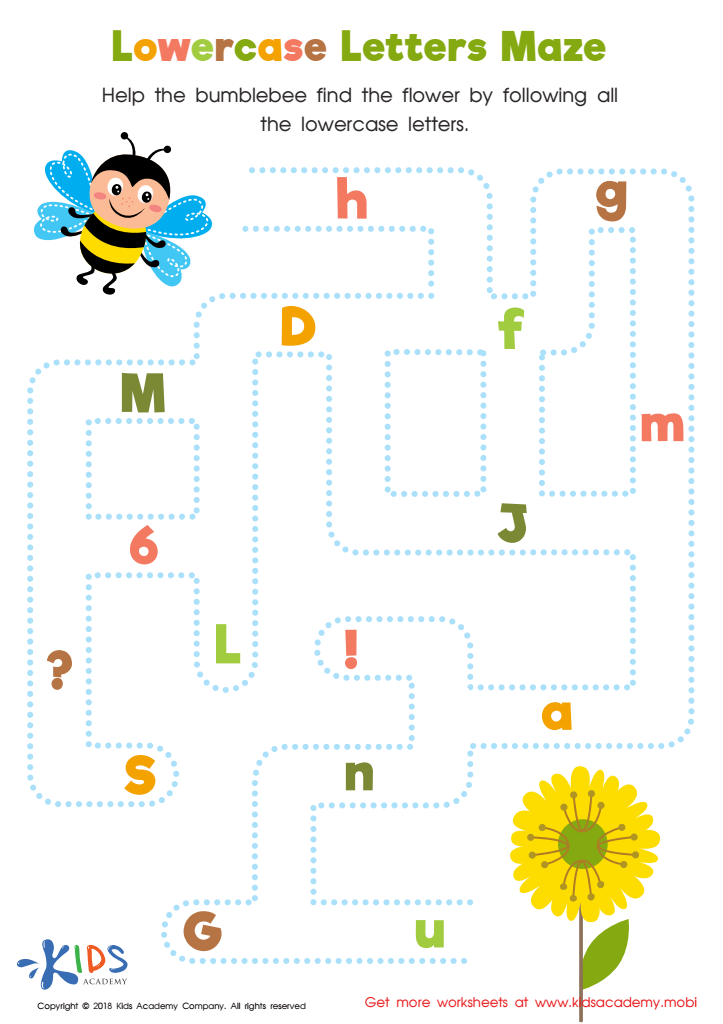
Lowercase Letters Maze Worksheet
 Assign to My Students


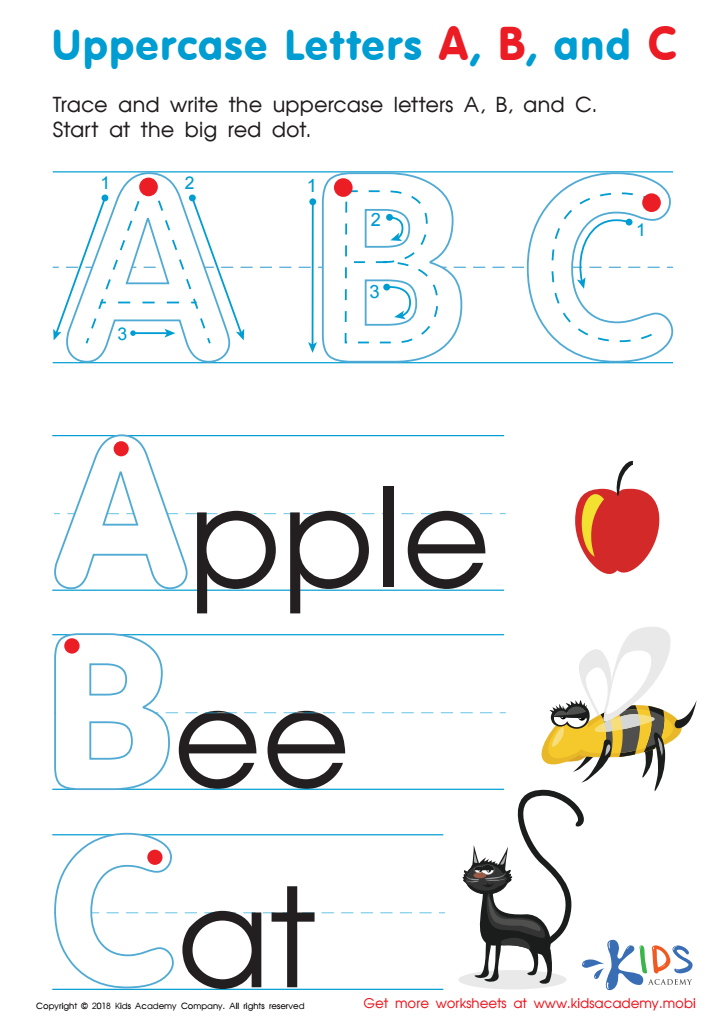
Uppercase Letters A, B, and C Worksheet
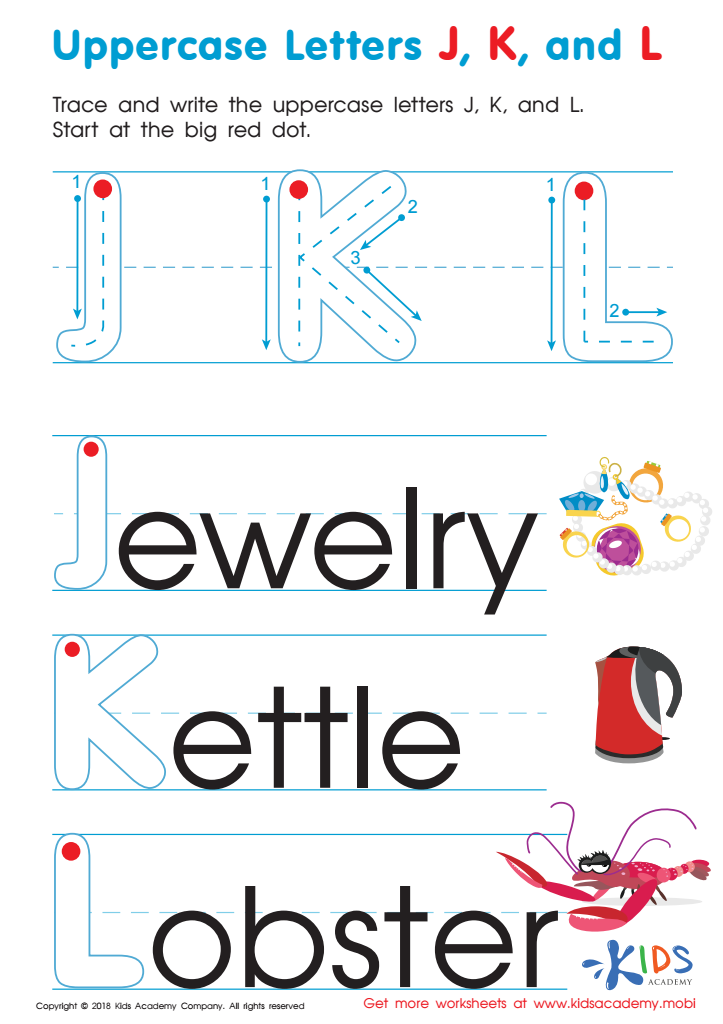
Uppercase Letters J, K, and L Worksheet
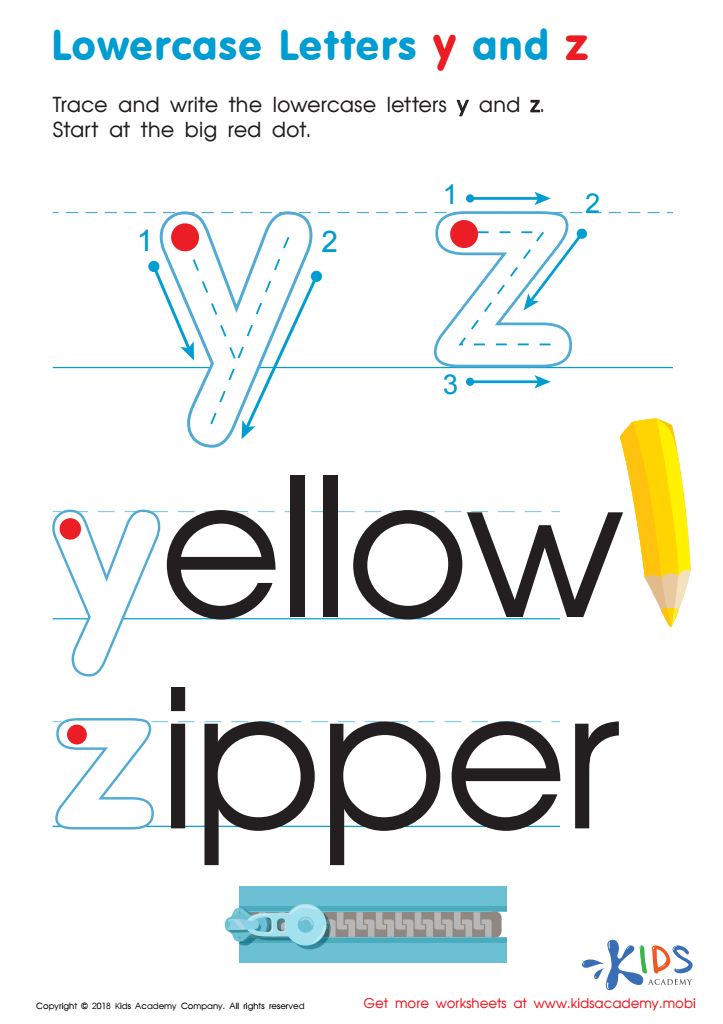
Lowercase Letters y z Worksheet
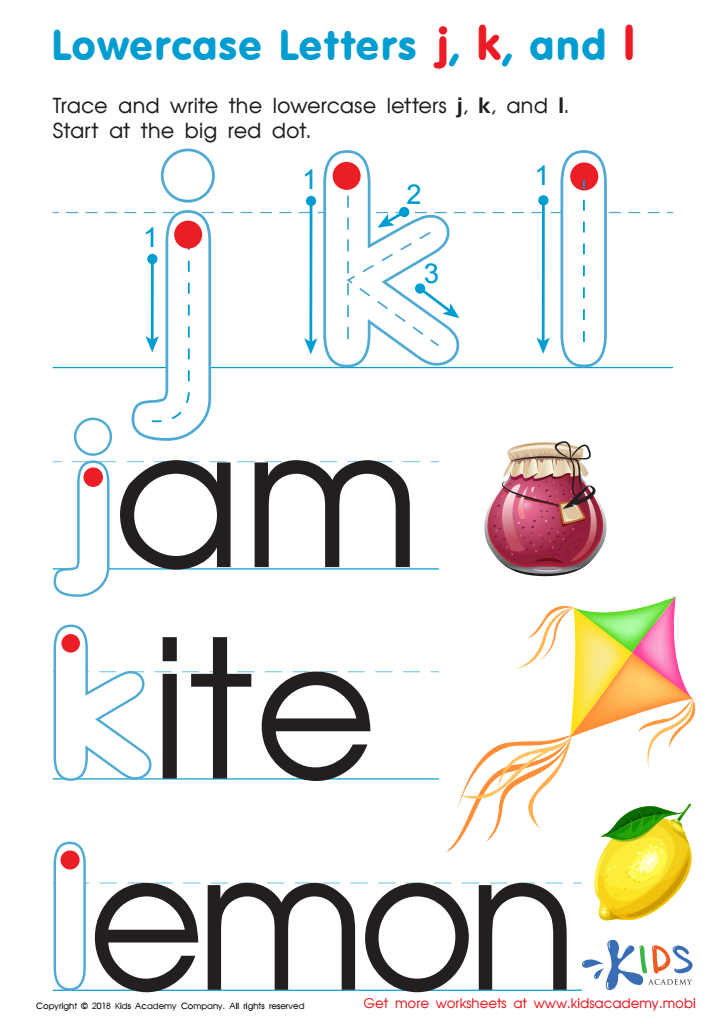
Lowercase Letters j k l Worksheet
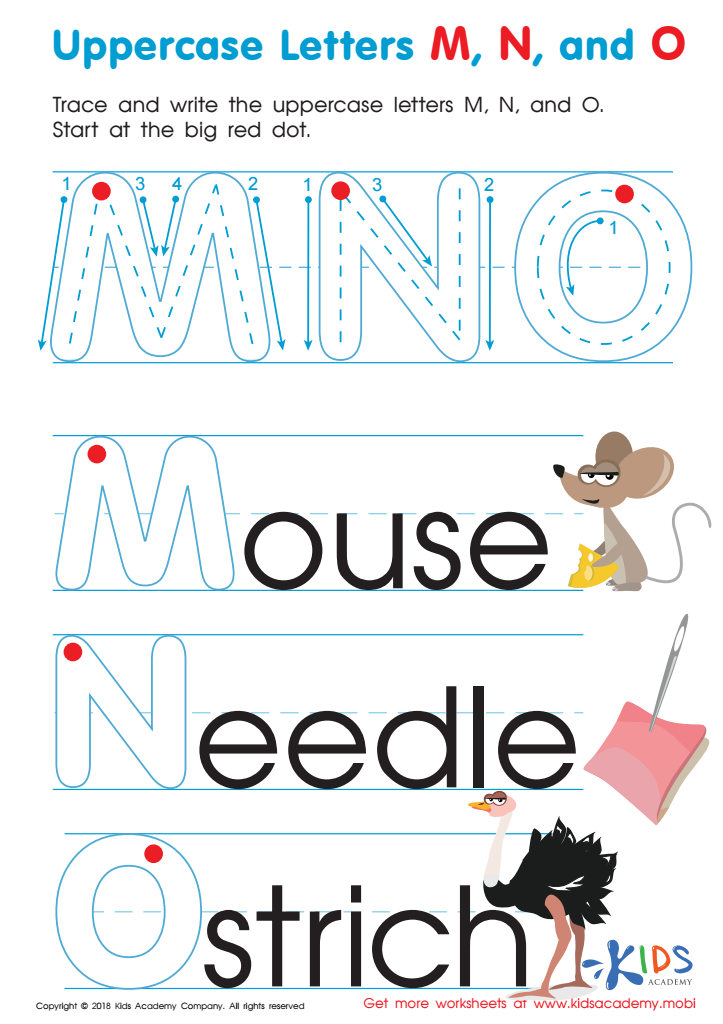
Uppercase Letters M, N, and O Worksheet
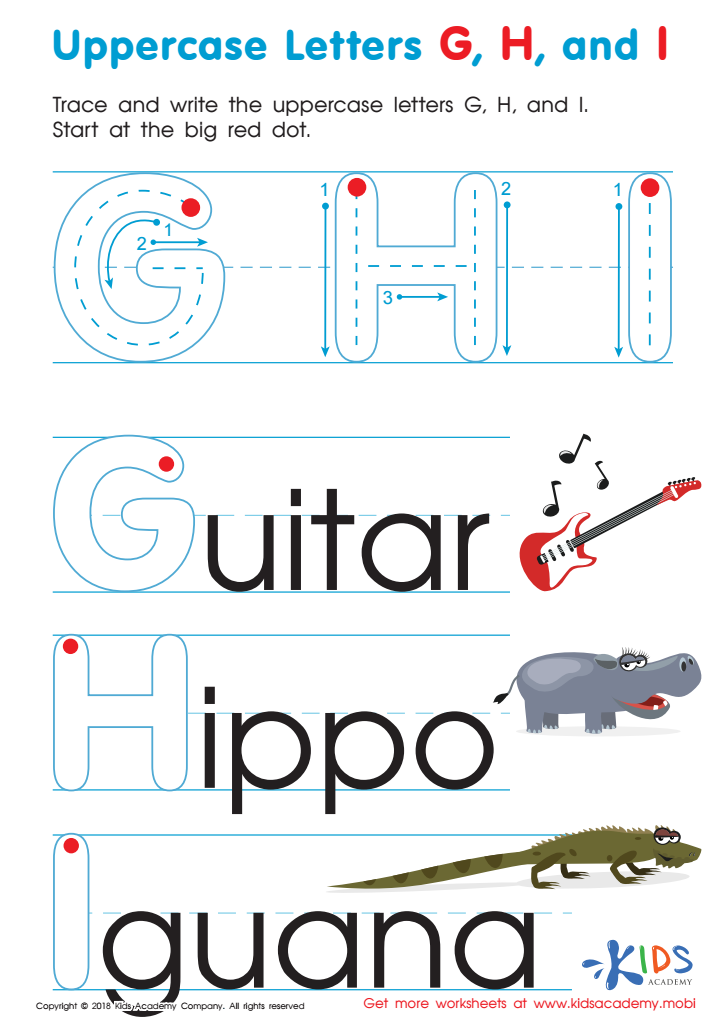
Uppercase Letters G, H, and I Worksheet
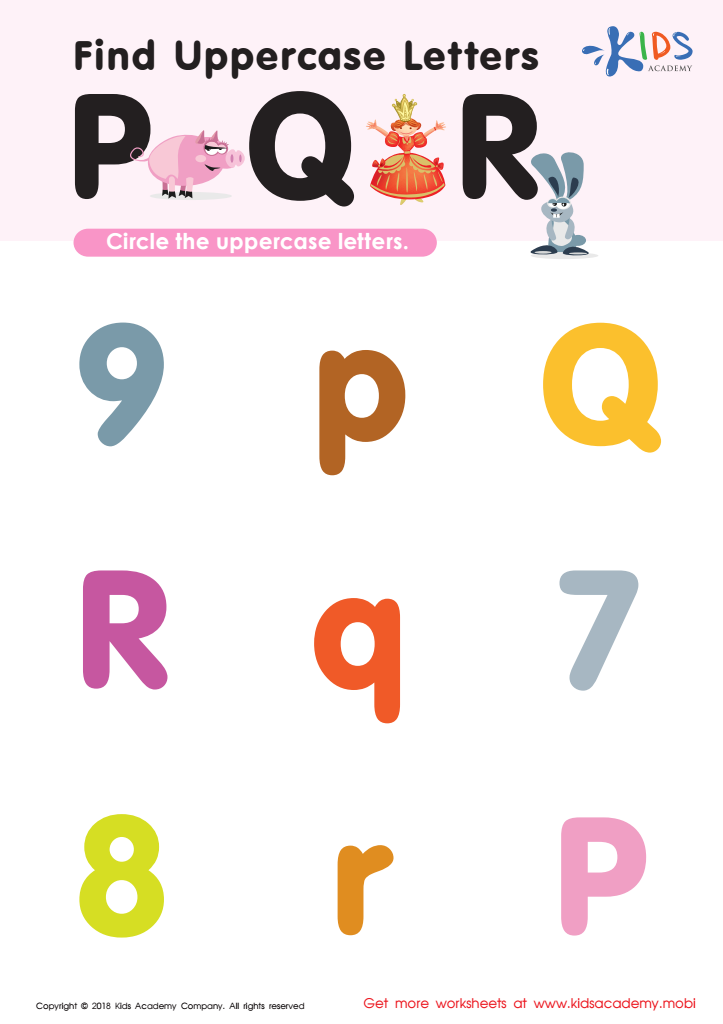
Find Uppercase Letters P, Q, and R Worksheet
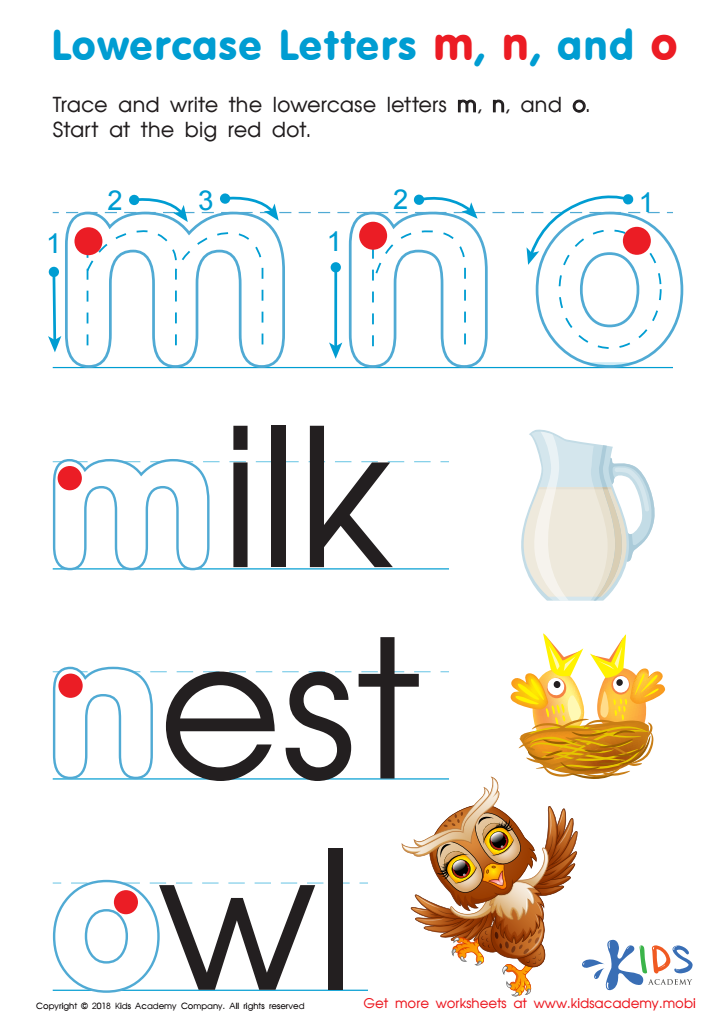
Lowercase Letters m n o Worksheet
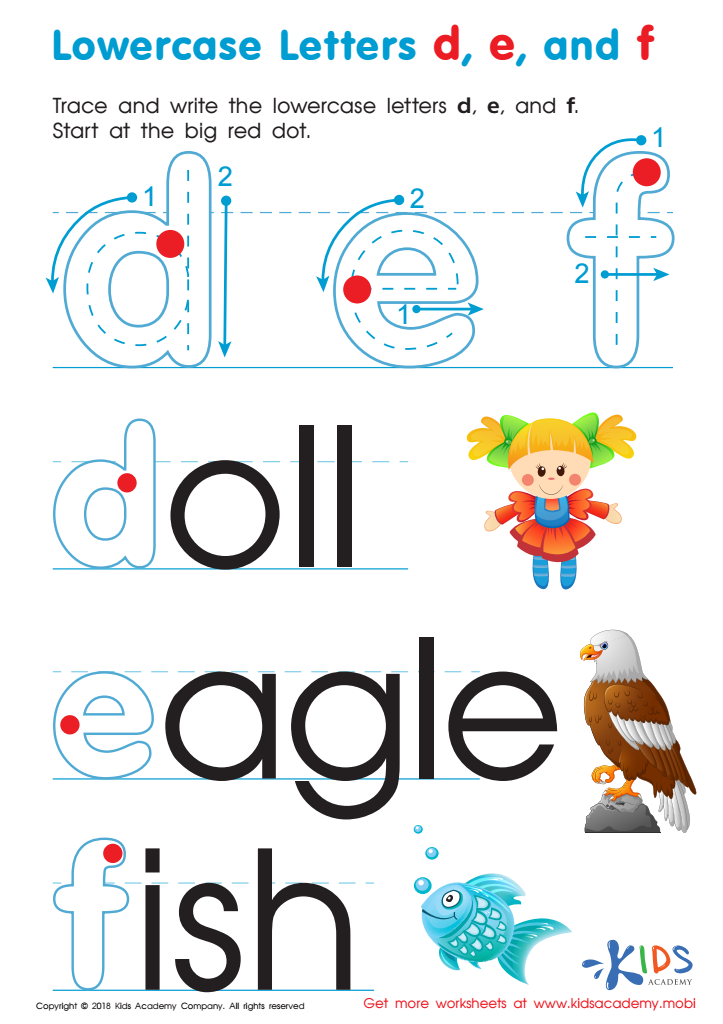
Lowercase Letters d e f Worksheet
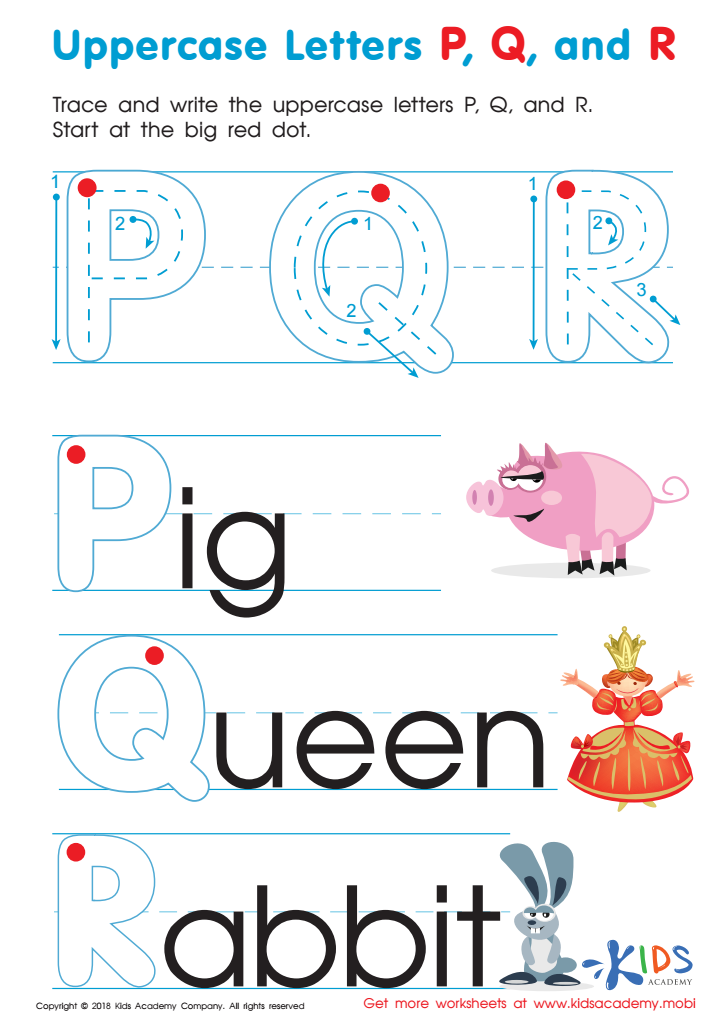
Uppercase Letters P, Q, and R Worksheet
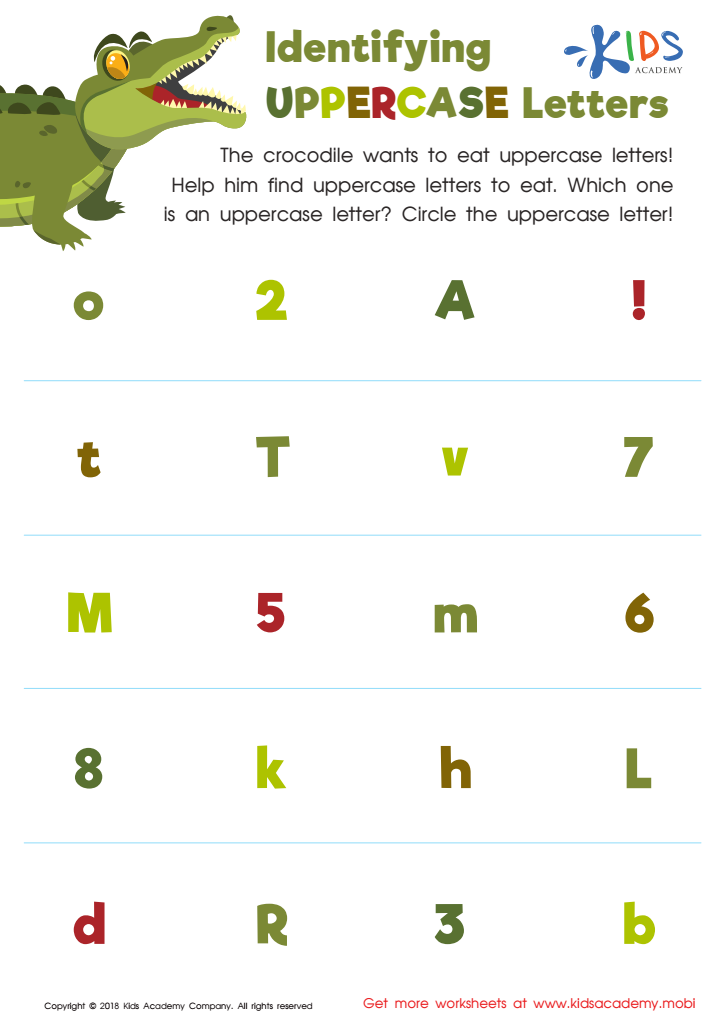
Identifying Uppercase Letters Worksheet
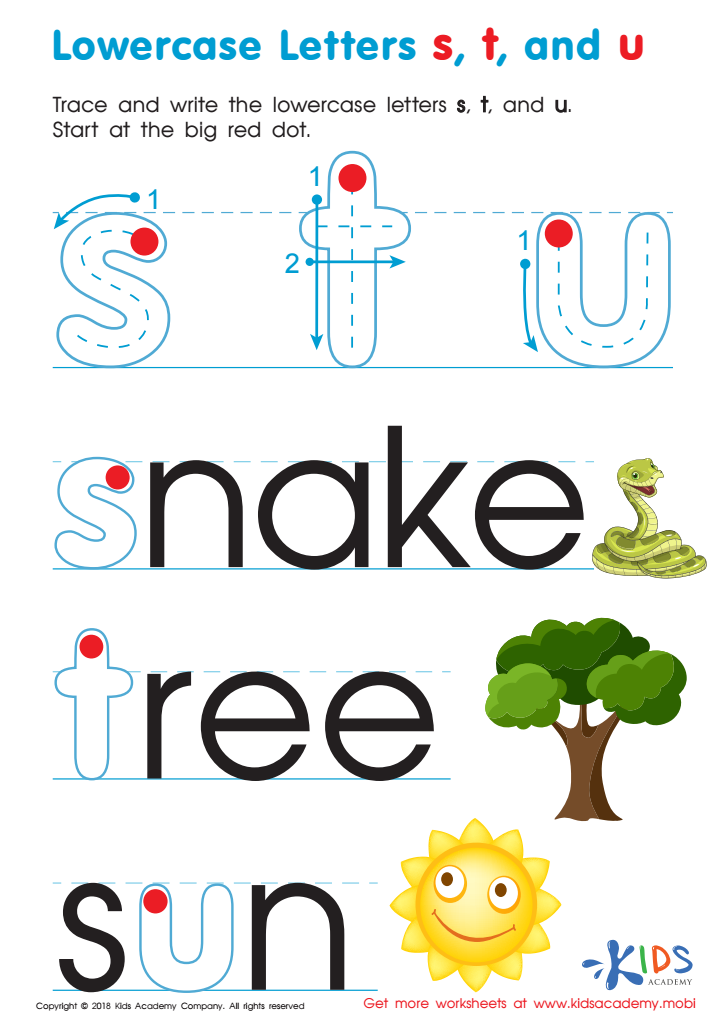
Lowercase Letters s t u Worksheet
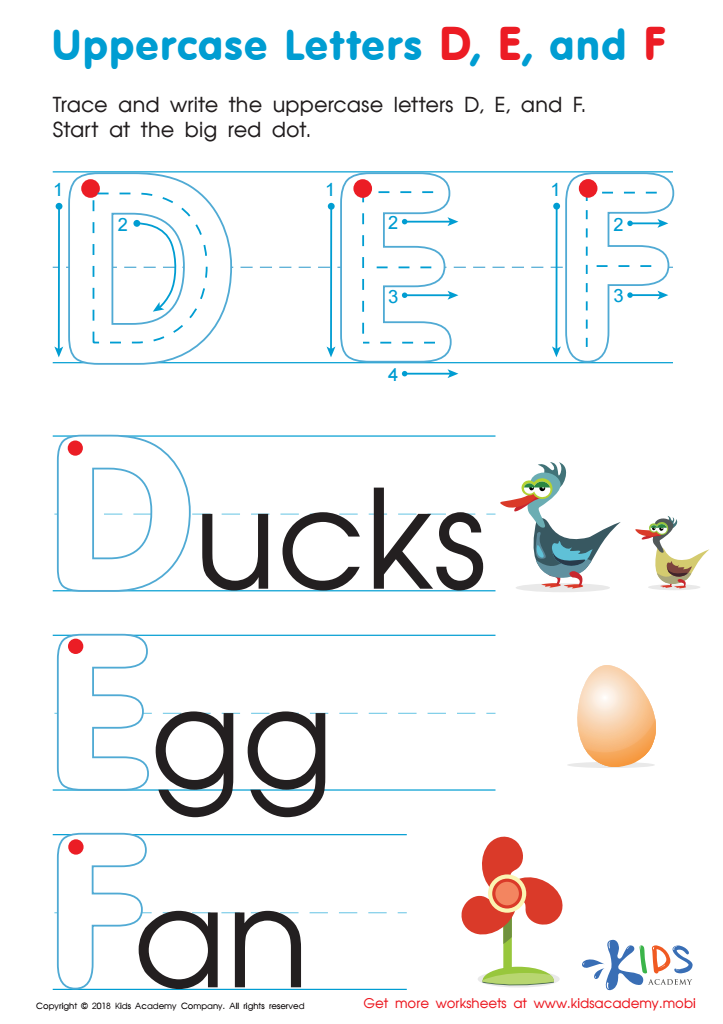
Uppercase Letters D, E, and F Worksheet
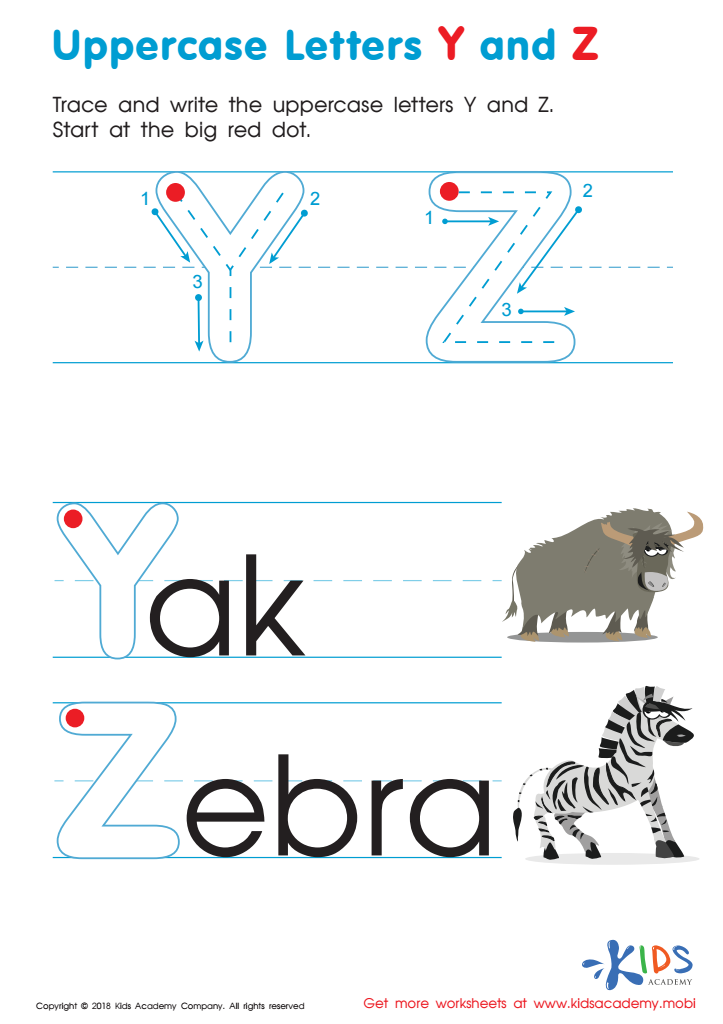
Uppercase Letters Y Z Worksheet
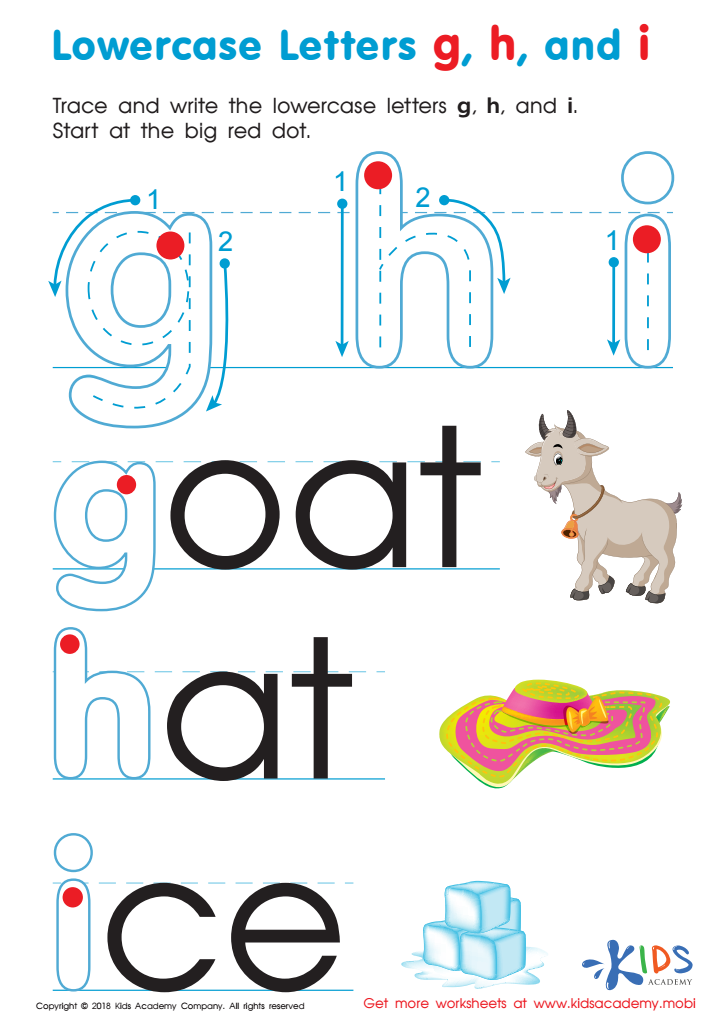
Lowercase Letters g h i Worksheet
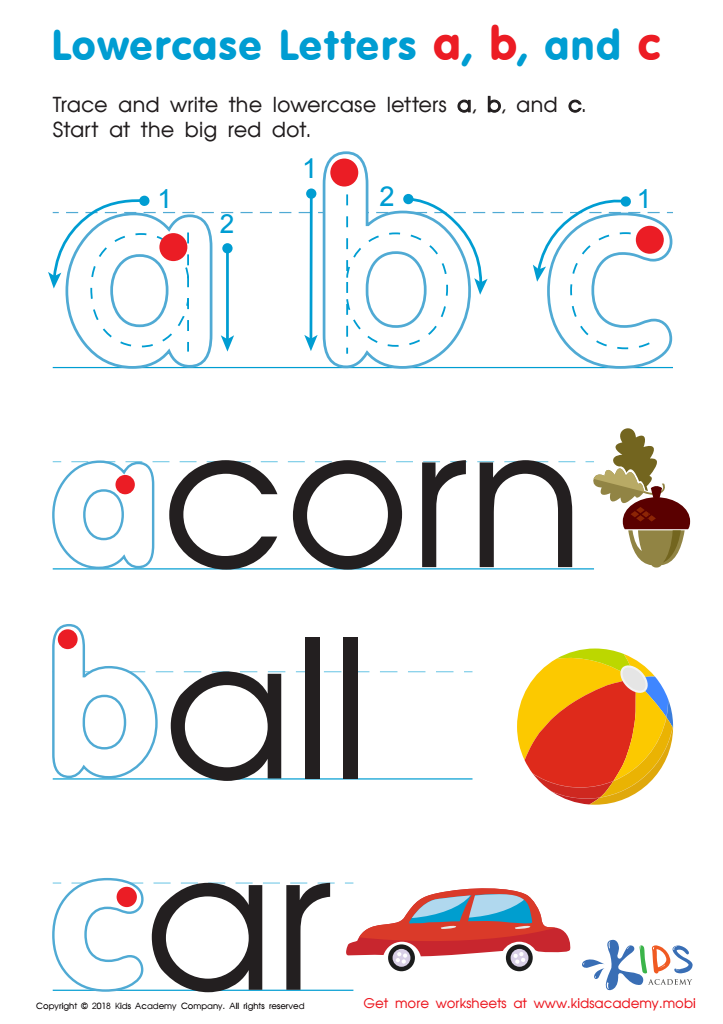
Lowercase Letters a b c Worksheet
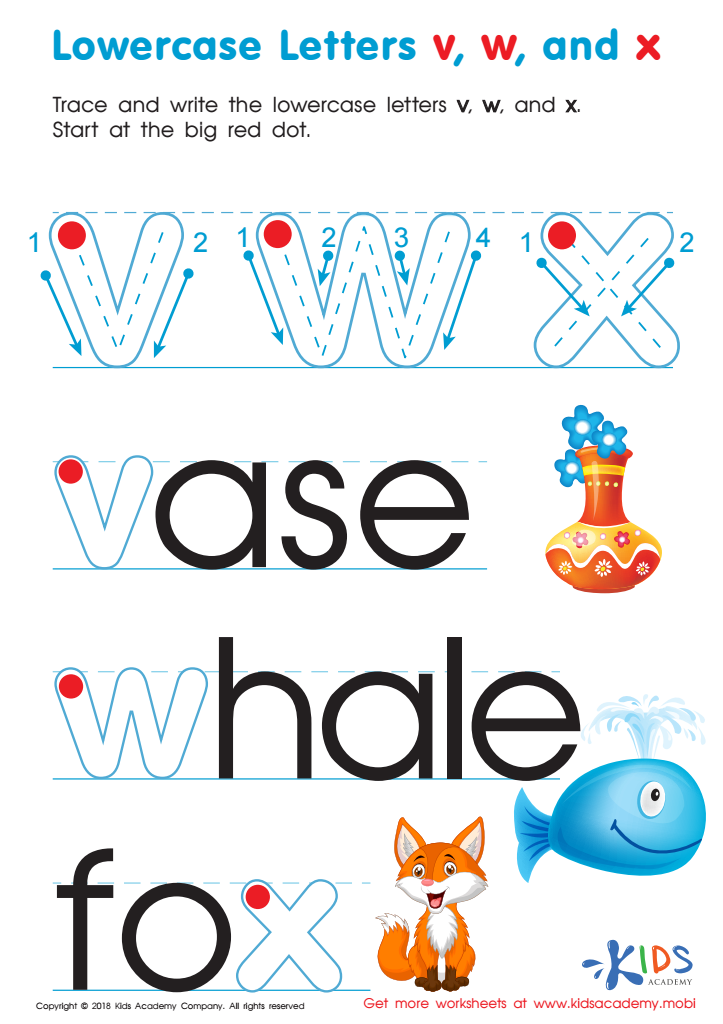
Lowercase Letters v w x Worksheet
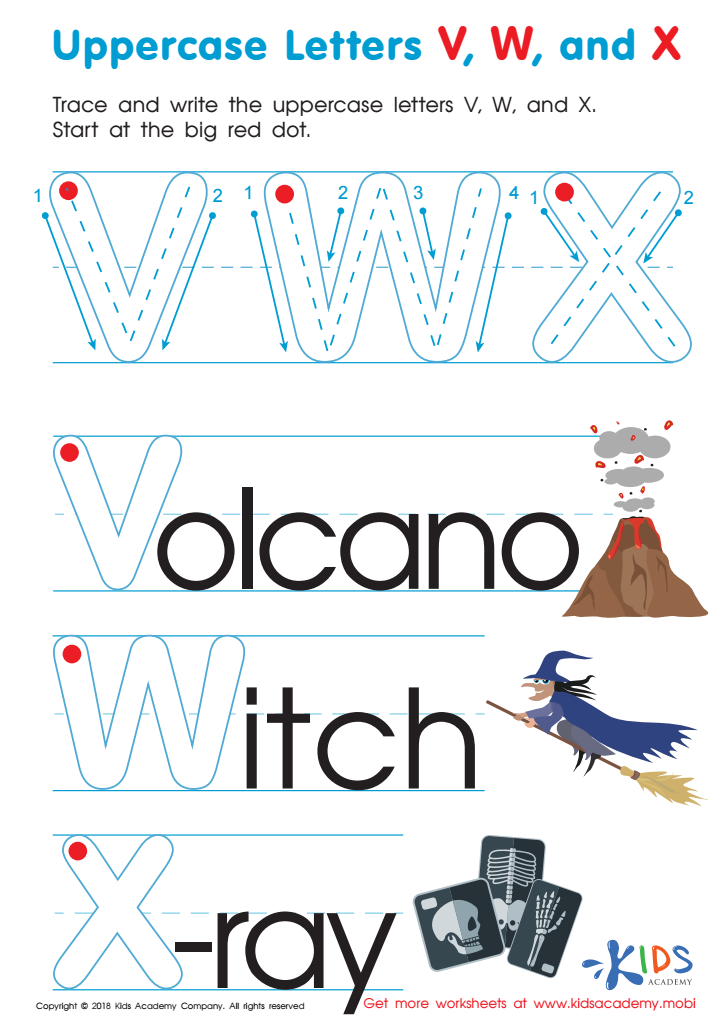
Uppercase Letters V, W, and X Worksheet






Alphabet recognition, encompassing both normal uppercase and lowercase letters, is a foundational skill for children ages 5-6, setting the stage for all future literacy development. Parents and teachers should prioritize this because it directly impacts several critical areas of learning.
First and foremost, understanding the alphabet is essential for reading and writing. Recognizing different letter forms helps children decipher words, paving the way for phonemic awareness – the ability to hear, identify, and manipulate individual sounds. This is crucial for the development of reading skills, including decoding and word recognition. When children can identify and distinguish between uppercase and lowercase letters, they are better prepared to understand text and follow proper conventions in sentence formation.
Moreover, contemporary research highlights that early literacy skills are strong predictors of later academic success. Kids who can confidently recognize and write both uppercase and lowercase letters will likely find it easier to transition from simple letter sounds to more complex tasks like reading sentences and composing their own written messages.
Promoting alphabet recognition also encourages fine motor skill development. As children learn to write letters, they enhance their hand-eye coordination and dexterity, skills that are invaluable for tasks beyond writing, such as dressing themselves or participating in art activities.
In conclusion, developing a robust foundation in alphabet recognition at ages 5-6 equips children with essential skills for academic and personal growth, making it a fundamental focus for both parents and educators.







