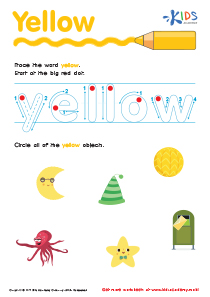
Handwriting practice Normal English for Beginners Worksheets for Ages 5-6 - Page 2
26 filtered results
-
From - To
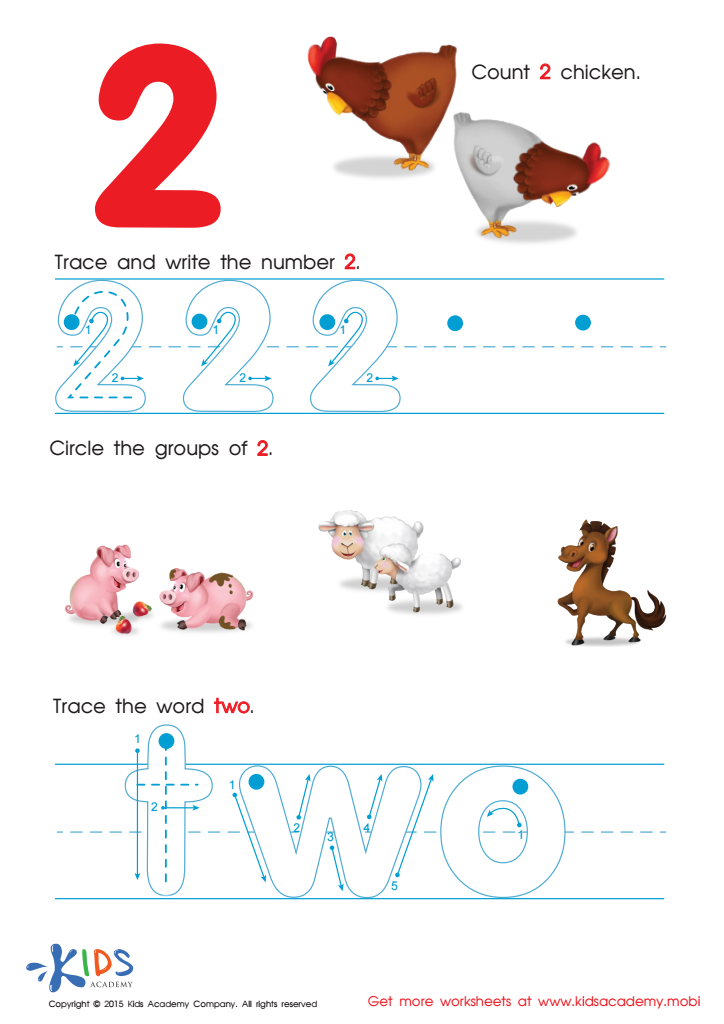
Learn to Write the Number 2 Worksheet
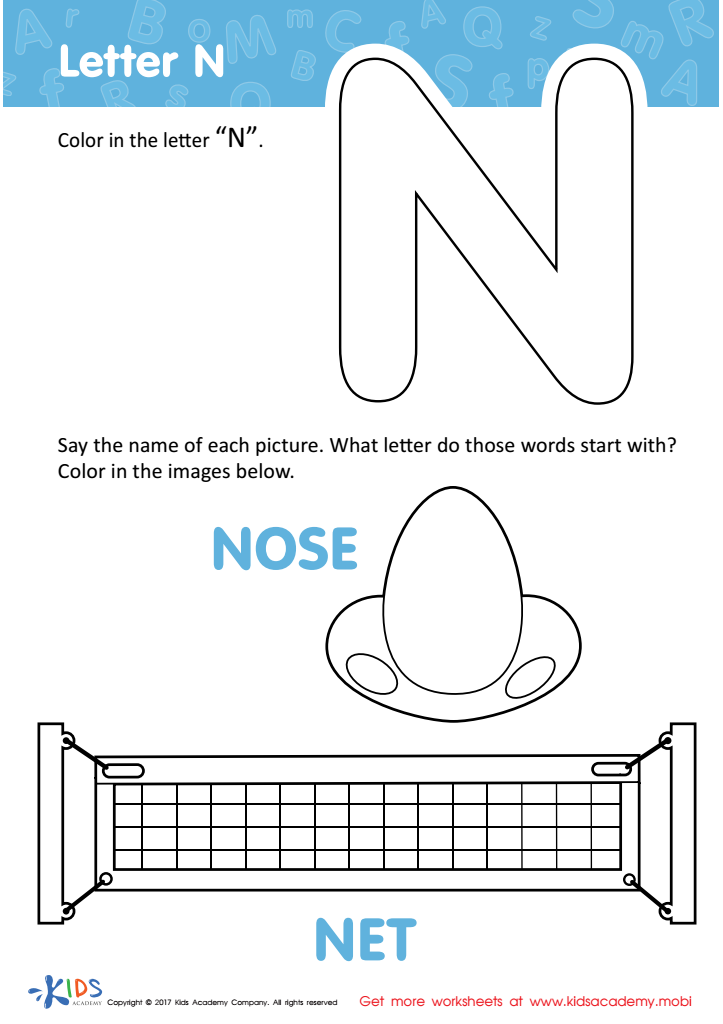
Letter N Coloring Sheet
 Assign to My Students





Handwriting practice is essential for young learners aged 5-6 as it lays the foundation for effective communication skills. At this stage, children are developing fine motor skills, which are crucial for writing, and practicing handwriting helps improve coordination and control over their hand movements. Regular writing practice not only enhances their ability to form letters and words correctly but also builds their confidence as they see their progress over time.
Additionally, handwriting plays a significant role in cognitive development. It engages different parts of the brain, enhancing memory and learning. When children write by hand, they are more likely to remember and recall information, aiding in future learning across subjects.
Teaching good handwriting habits early can prevent issues later on, such as poor penmanship or frustration with writing tasks. Parents and teachers can also use handwriting practice as an opportunity to bond with children, fostering a positive learning environment. Furthermore, clear handwriting is vital for effective communication in school and beyond. When children take pride in their writing, it encourages them to express their thoughts and creativity confidently. Ultimately, encouraging good handwriting habits in early education equips children with skills they will use throughout their lives.