Alphabet Learning Normal Worksheets for Ages 5-6
5 filtered results
-
From - To
Explore our "Alphabet Learning Normal Worksheets" designed for children ages 5 to 6! These engaging and colorful worksheets introduce young learners to the foundational skills of letter recognition and phonics. With a variety of fun activities, including tracing, matching, and coloring, your child will gain confidence as they explore the letters of the alphabet. Each worksheet is carefully crafted to foster a love of learning and improve fine motor skills. Perfect for homeschooling or classroom use, these printables make it easy for parents and teachers to support early literacy development. Start your child’s alphabet adventure today!
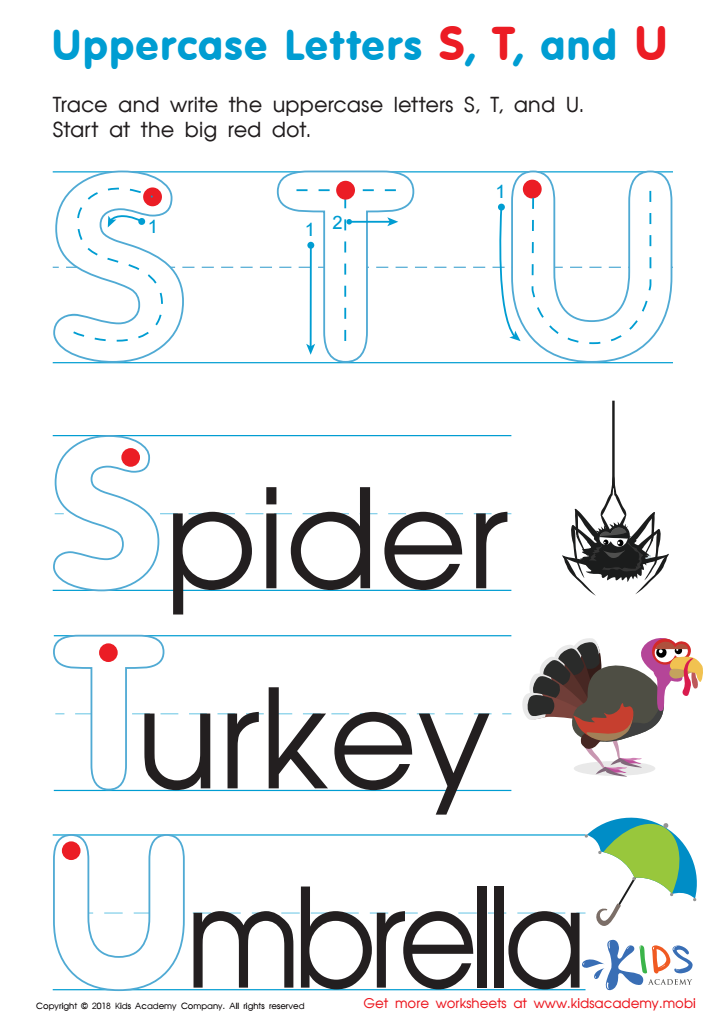
Uppercase Letters S, T, and U Worksheet
 Assign to My Students
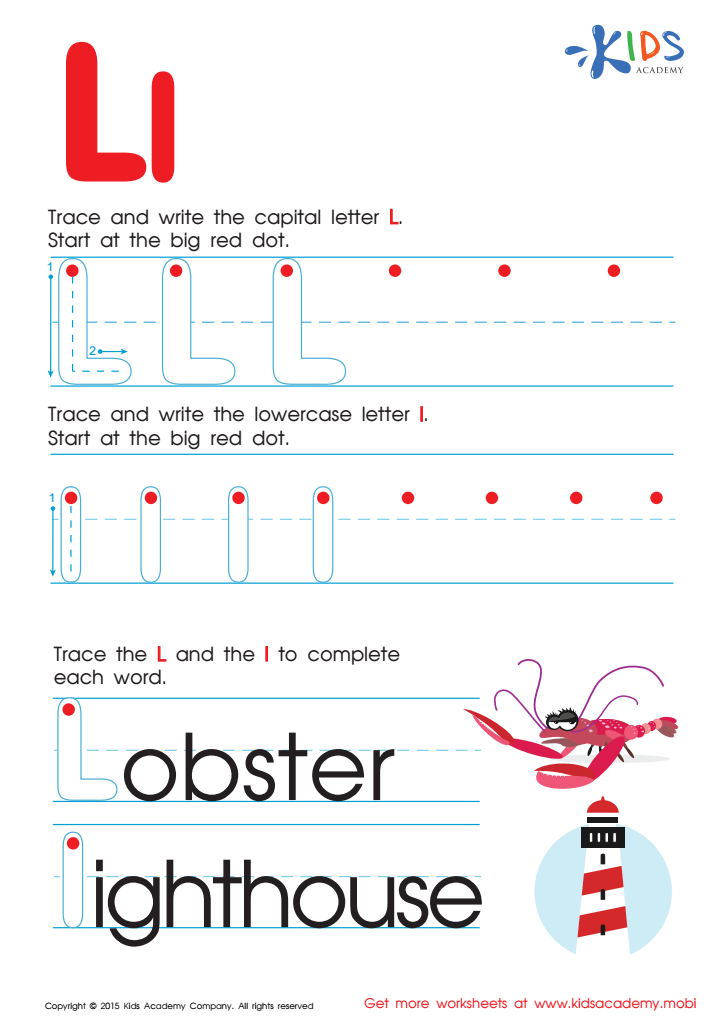
Letter L Tracing Page
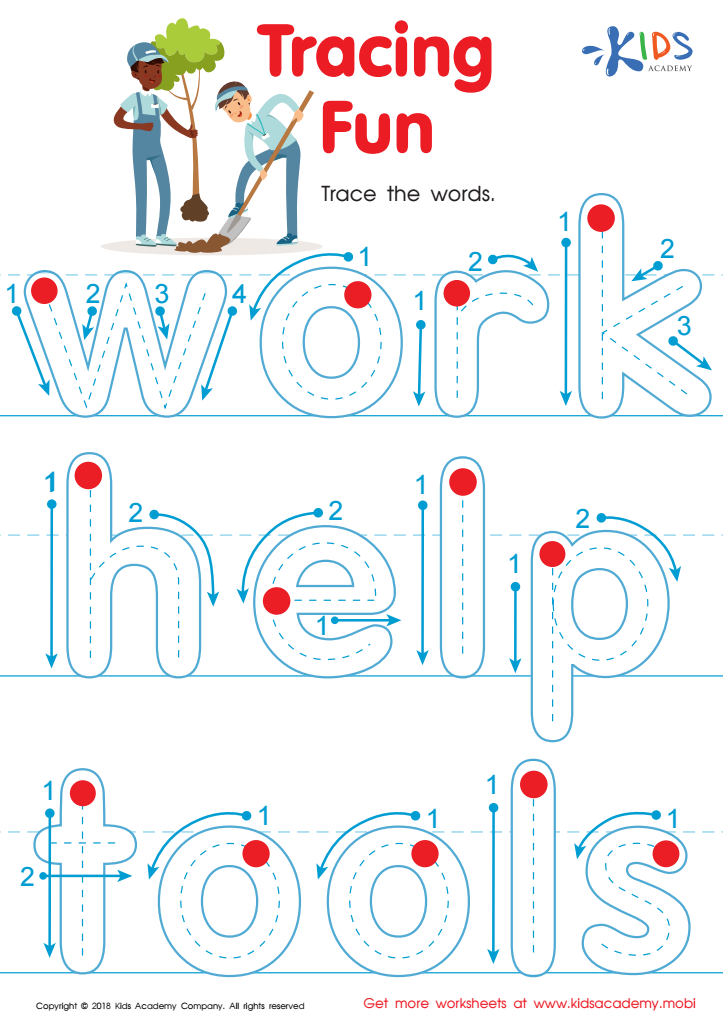
Tracing Fun Worksheet
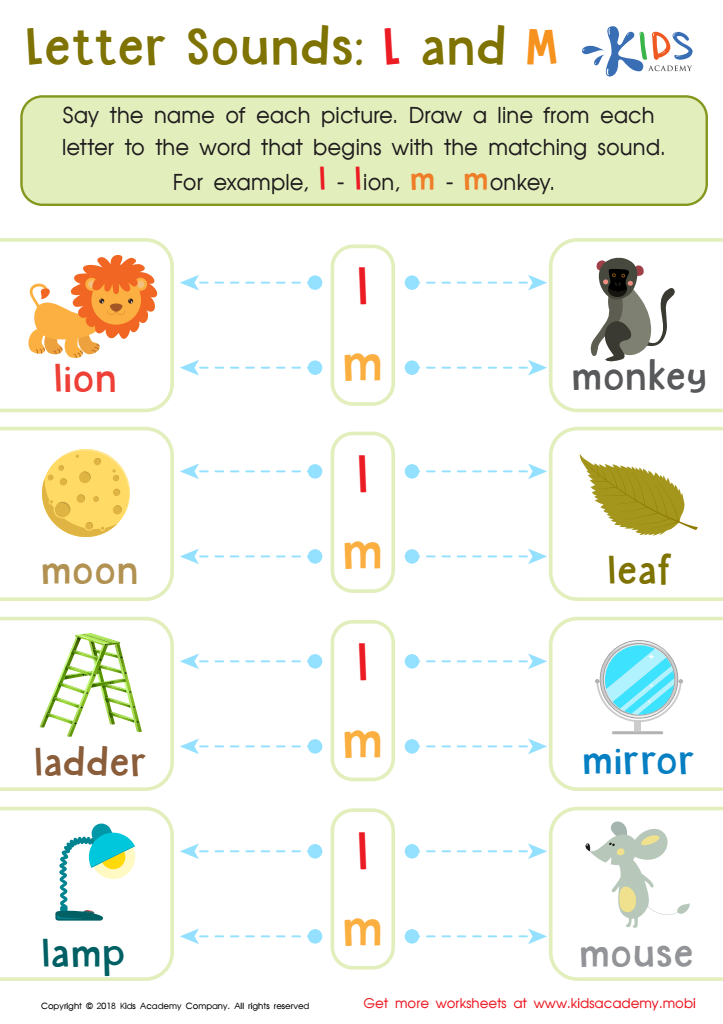
Letter l and M Sounds Worksheet

Letter F Tracing Page








Alphabet learning for children aged 5-6 is a fundamental building block in their educational journey, making it crucial for parents and teachers to prioritize this stage. At this age, children develop phonemic awareness—the understanding of individual sounds in words—which is essential for reading and writing. Mastery of the alphabet fosters early literacy skills, enabling children to decode words, recognize sight words, and eventually develop the confidence to read independently.
Moreover, engaging with the alphabet at this formative age promotes cognitive development. Children build memory and processing skills while associating letters with their corresponding sounds and shapes. This foundational knowledge also enhances vocabulary acquisition, as children begin to understand word formation and context, enriching their language skills overall.
Additionally, alphabet learning can spark curiosity and a love for learning, making it an enjoyable activity through games and songs. When parents and teachers actively participate in this process, they create a supportive environment that nurtures learning. This partnershipis critical in reinforcing the importance of literacy, setting the stage for future academic success and lifelong learning. By making alphabet recognition engaging and meaningful, adults can truly ignite a child's passion for exploration and knowledge.








