Comparative analysis Normal Worksheets for Ages 5-6
3 filtered results
-
From - To
Discover our engaging comparative analysis normal worksheets designed for kids aged 5-6! Our printable resources empower young learners to develop essential skills in comparison, critical thinking, and vocabulary. Through fun activities, these worksheets encourage children to identify similarities and differences among objects, enhancing their observational skills. Ideal for classroom settings or at-home learning, our carefully crafted exercises cater to various learning styles, ensuring every child can thrive. Unlock your child's potential with these stimulating worksheets that make learning enjoyable and effective. Explore the world of comparisons and watch your little ones flourish in understanding the relationships between different concepts!
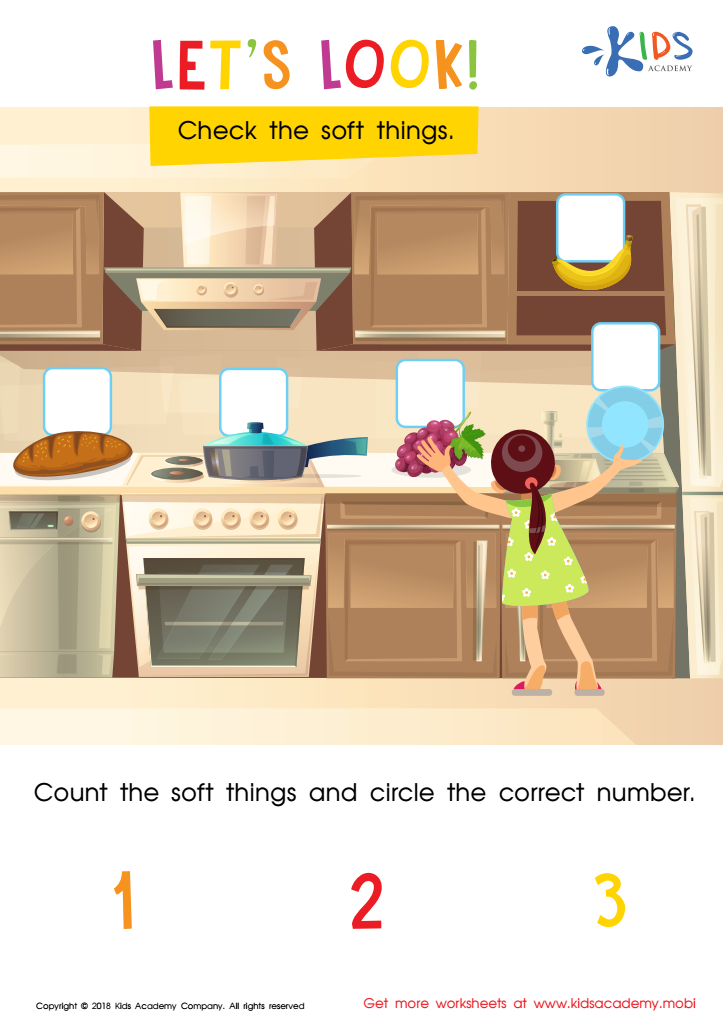
Let's Look! Assessment Worksheet
 Assign to My Students
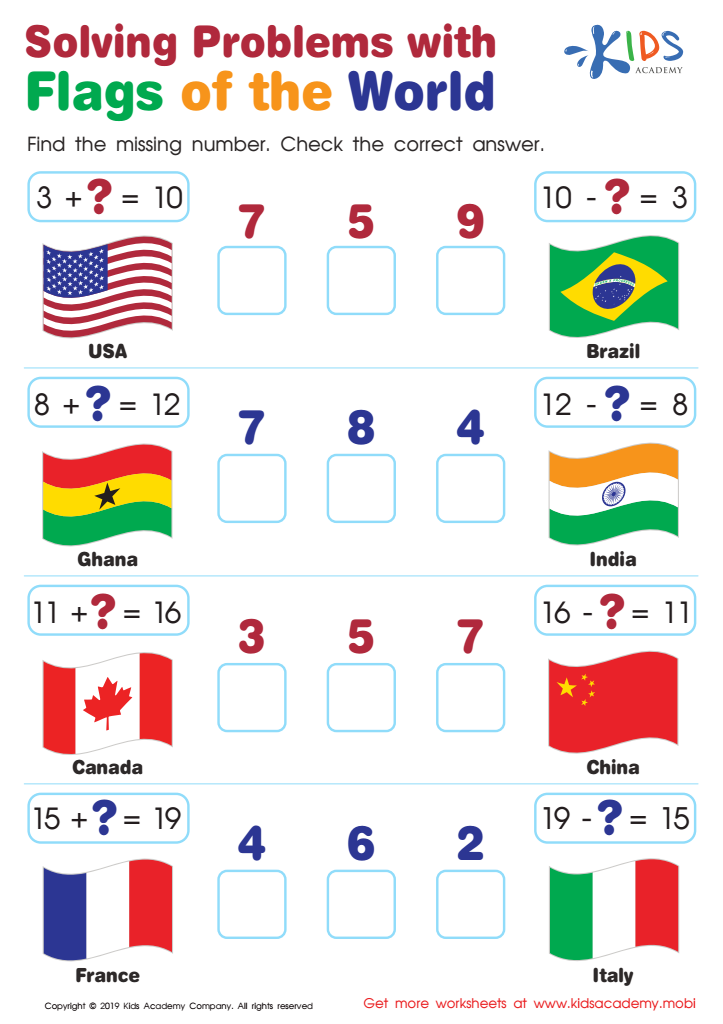
Solving Problems with Flags of the World Worksheet








Comparative analysis for ages 5-6 is an essential tool for parents and teachers as it provides valuable insights into a child's developmental milestones, educational progress, and social-emotional learning. At this formative stage, children are developing foundational skills in literacy, numeracy, and interpersonal relationships. Understanding how a child's performance and behaviors compare to age-appropriate benchmarks allows for tailored support that fosters growth.
By engaging in comparative analysis, educators and parents can identify specific areas where a child may excel or require additional help. This early detection enables timely interventions, ensuring children develop necessary skills and have a positive learning experience. Parents can gain a clearer picture of their child's strengths and weaknesses, empowering them to advocate for appropriate resources or enrichment opportunities.
Moreover, comparative analysis can guide classroom instruction methods. Educators can identify trends in student performance, allowing for the development of effective teaching strategies and curricula that cater to diverse learning needs. Ultimately, prioritizing this analytical approach helps create nurturing environments that support each child's unique journey, leading to enhanced cognitive, emotional, and social development. Investing time in comparative analysis ensures children are well-equipped for future academic challenges and personal growth.








