Mathematical reasoning Normal Worksheets for Ages 5-6
13 filtered results
-
From - To
Discover our engaging Mathematical Reasoning Normal Worksheets designed for children aged 5-6! These worksheets are crafted to enhance critical thinking and problem-solving skills through fun activities that make learning mathematics enjoyable. Ideal for early learners, each worksheet focuses on essential concepts like counting, number recognition, and simple addition and subtraction. With colorful illustrations and age-appropriate challenges, kids will build confidence as they practice core math skills. These worksheets are perfect for reinforcing classroom learning at home or serving as a helpful resource for teachers. Download now to support your child's mathematical journey and foster a love for learning!
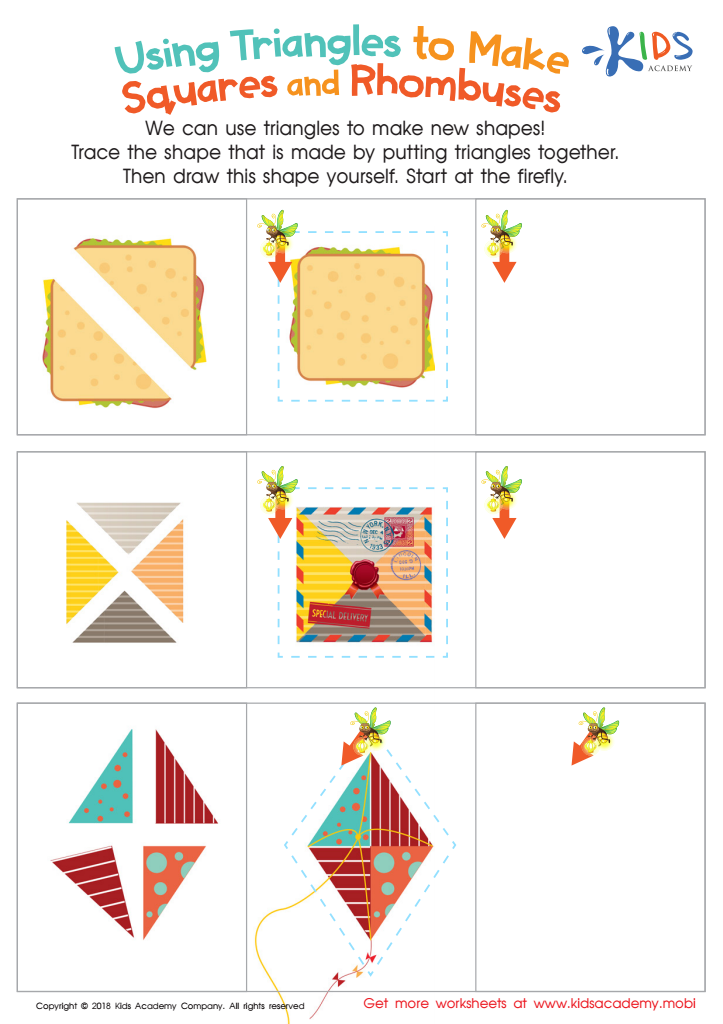
Using Triangles to Make Squares and Rhombuses Worksheet
 Assign to My Students
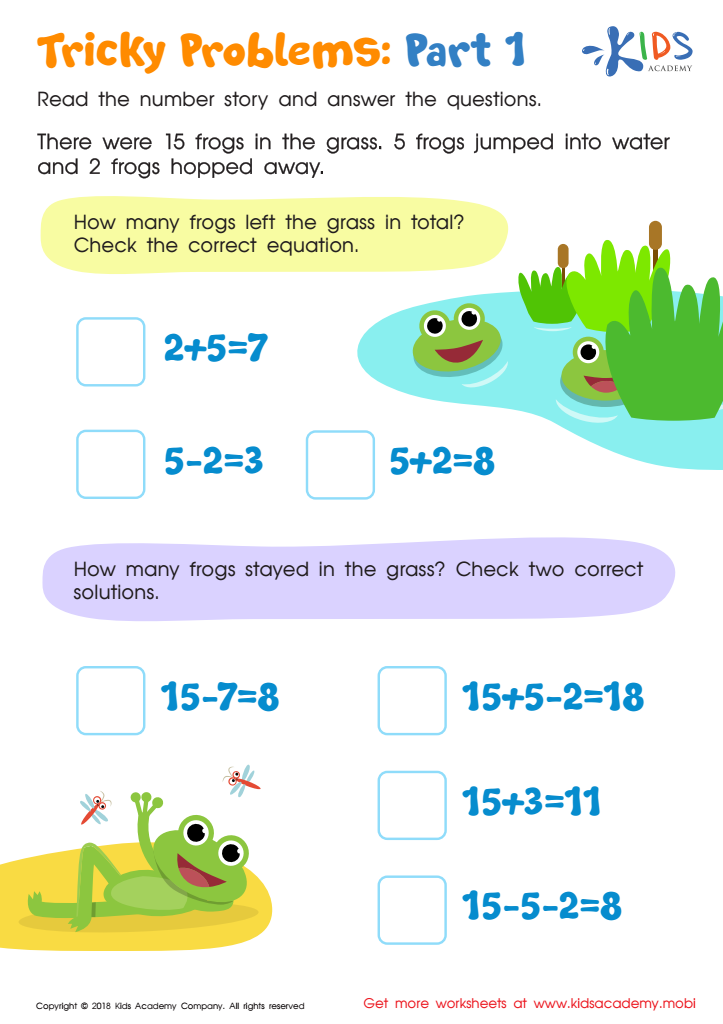
Tricky Problems Worksheet: Part 1
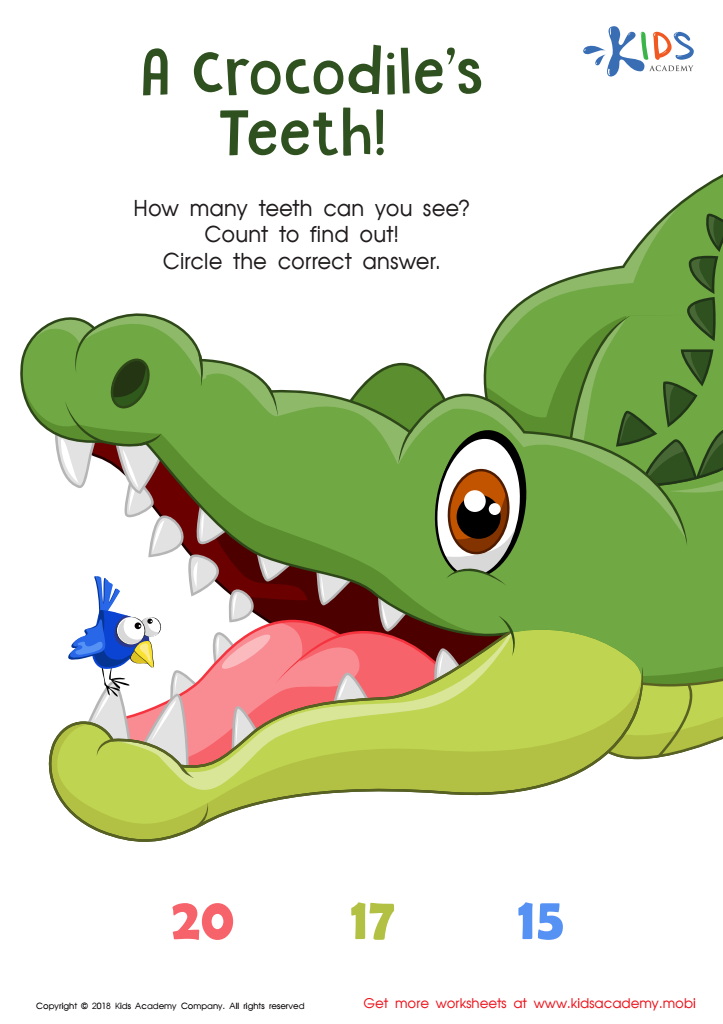
A Crocodile's Teeth Worksheet
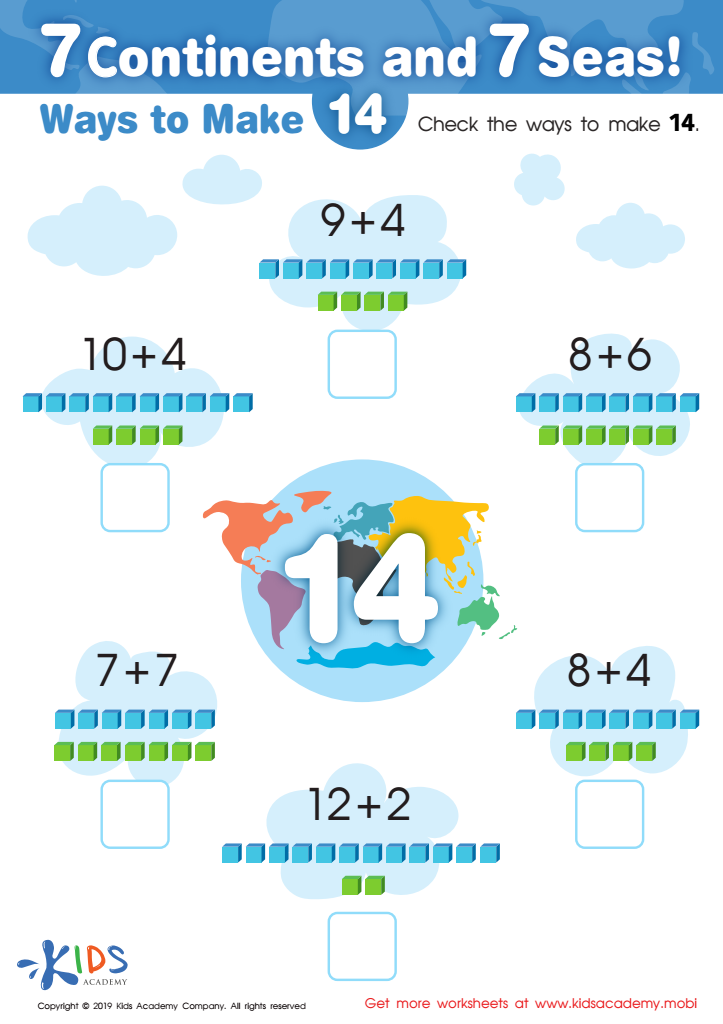
7 Continents and 7 Seas Worksheet
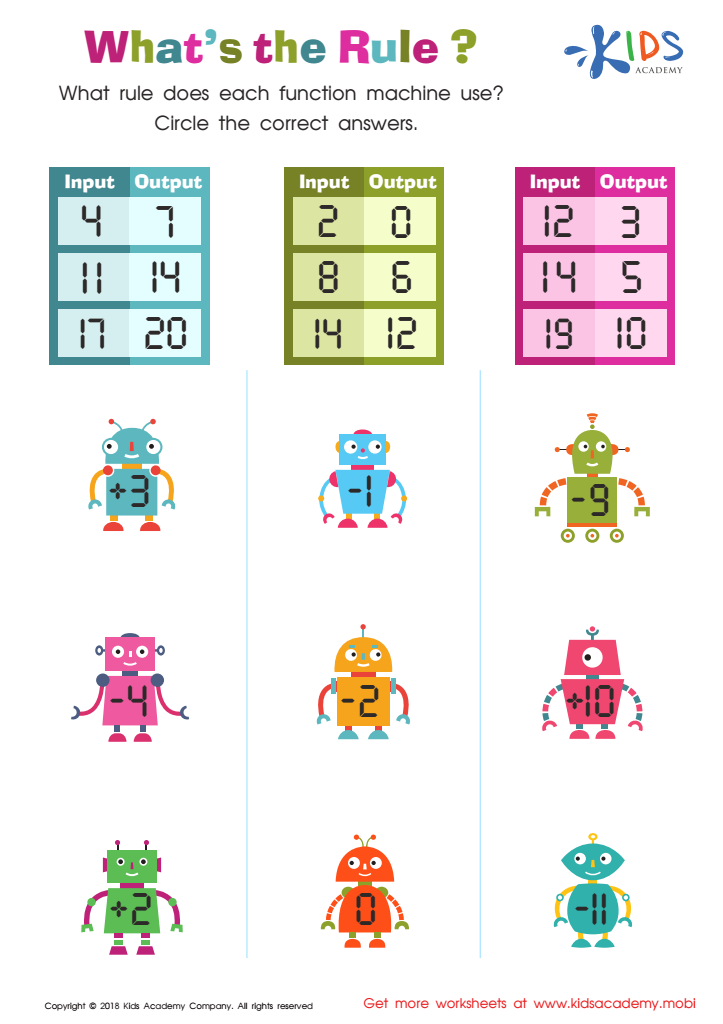
What's the Rule Worksheet
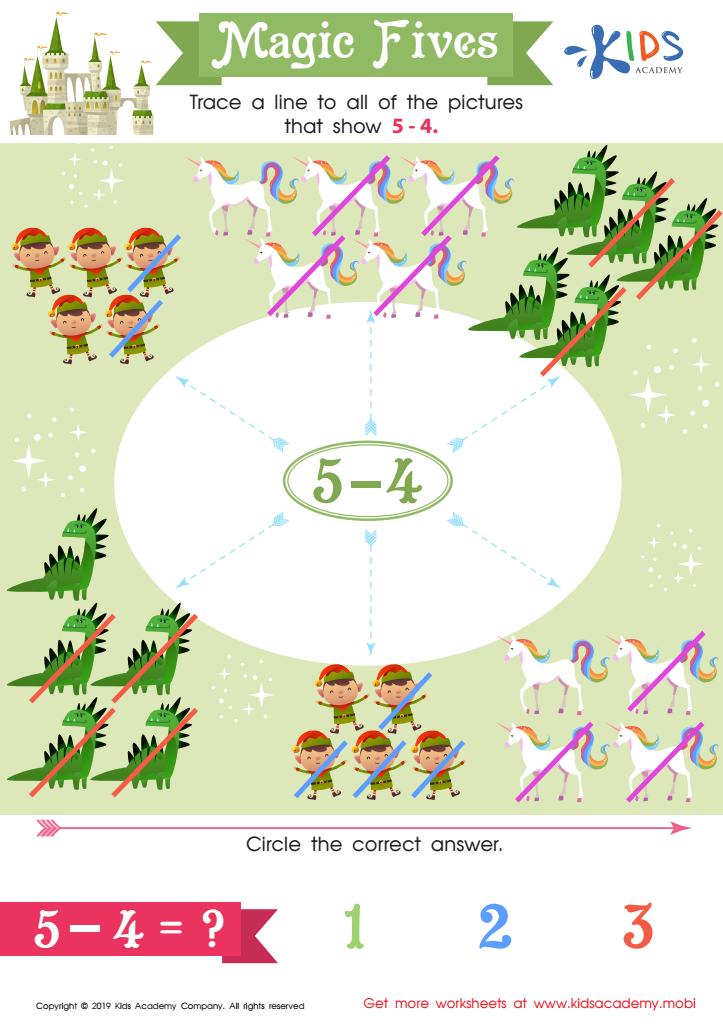
Magic Fives Worksheet
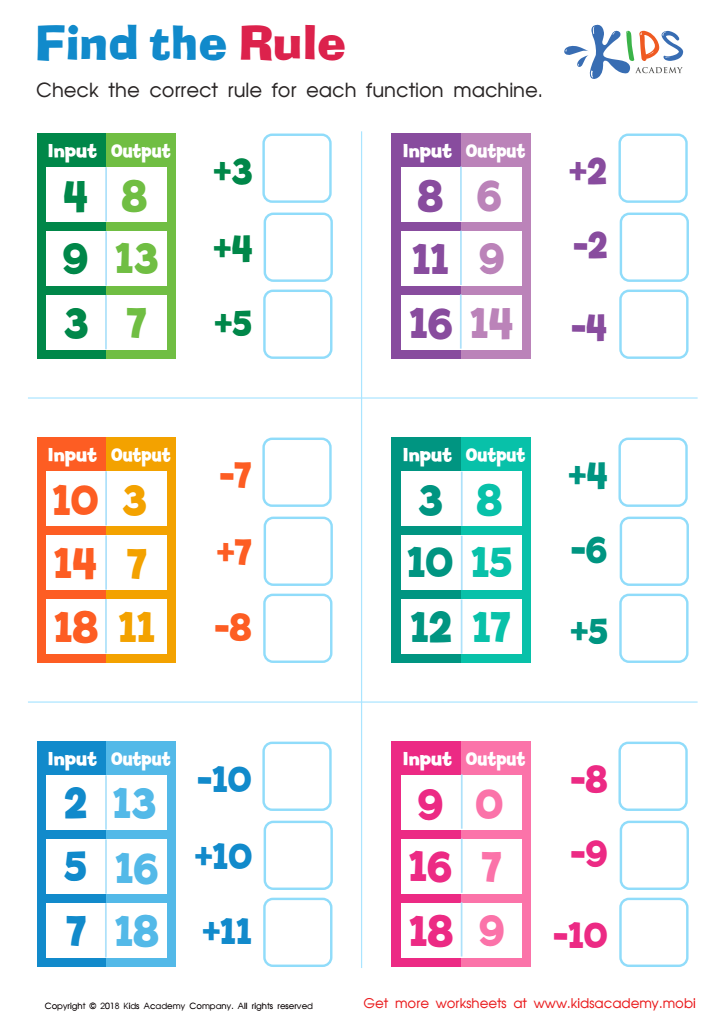
Find the Rule Worksheet
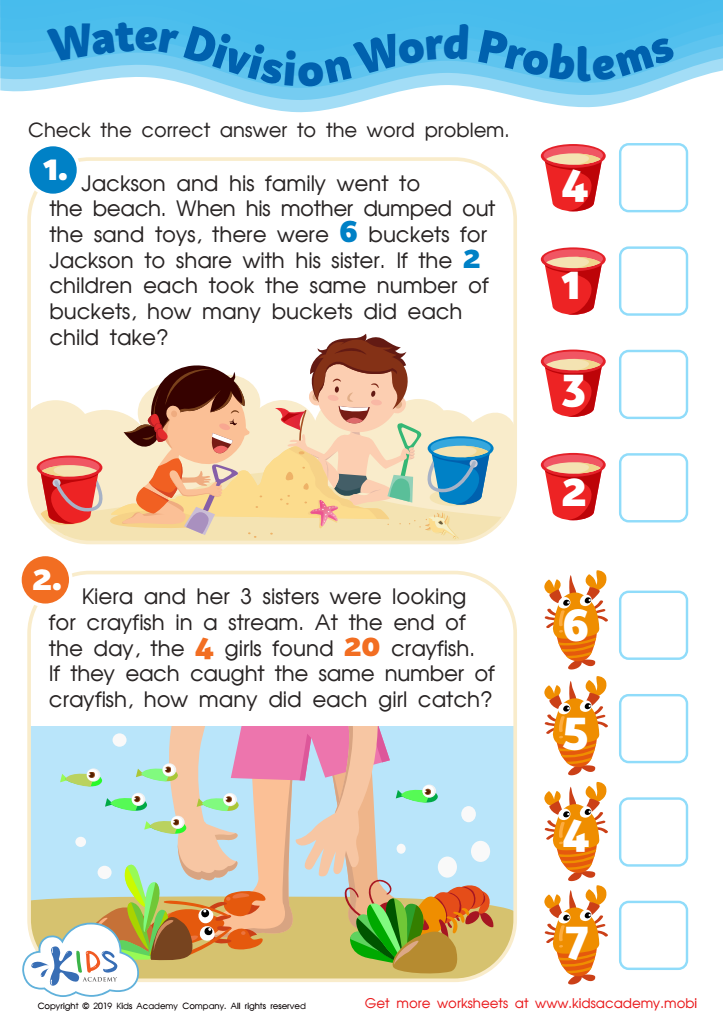
Water Division Word Problems Worksheet
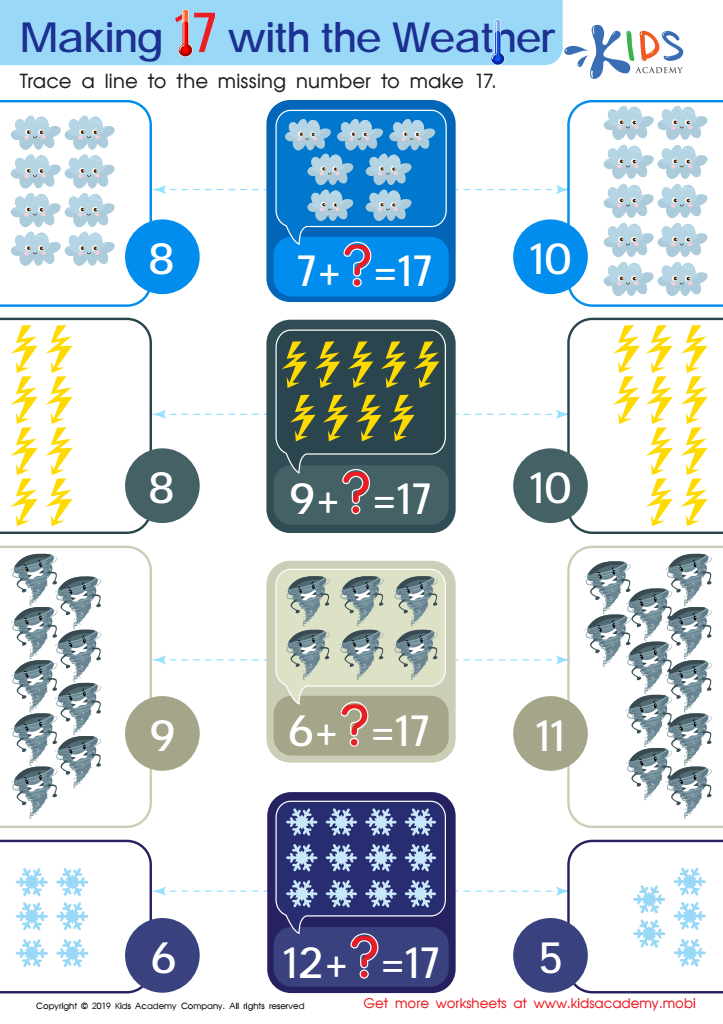
Making 17 with the Weather Worksheet
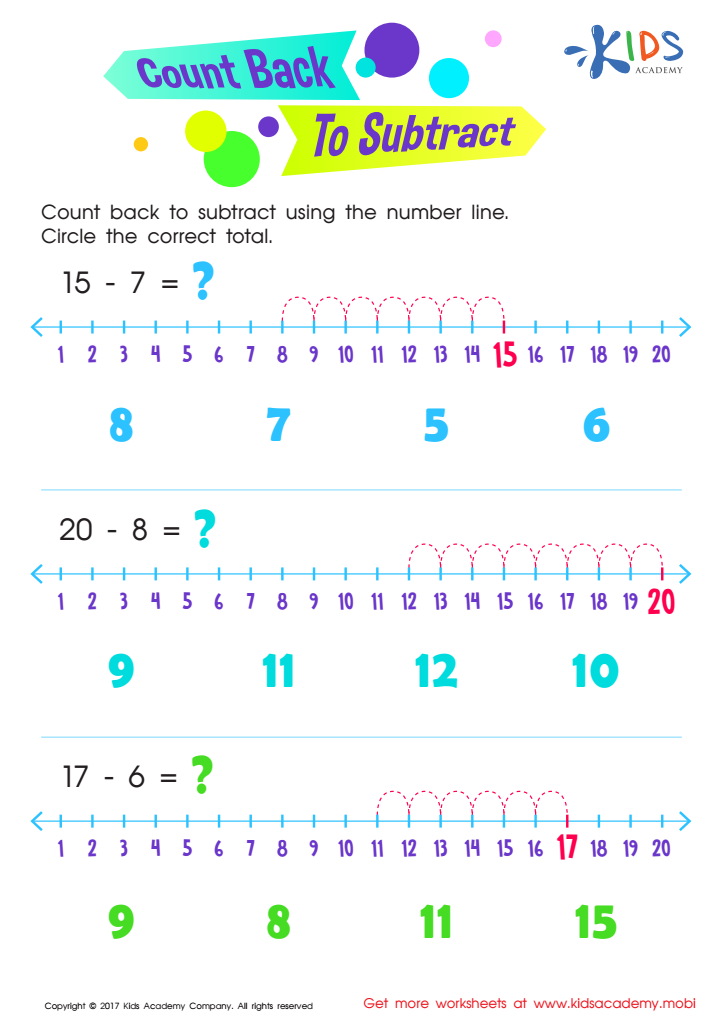
Count Back to Subtract Substraction Worksheet
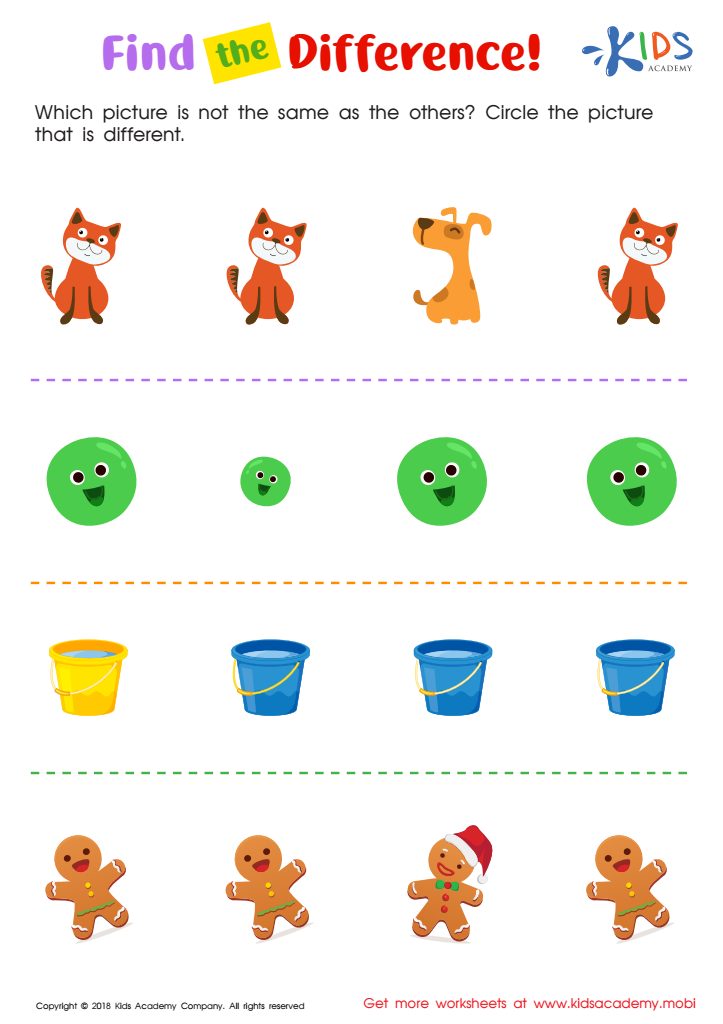
Find the Difference Worksheet
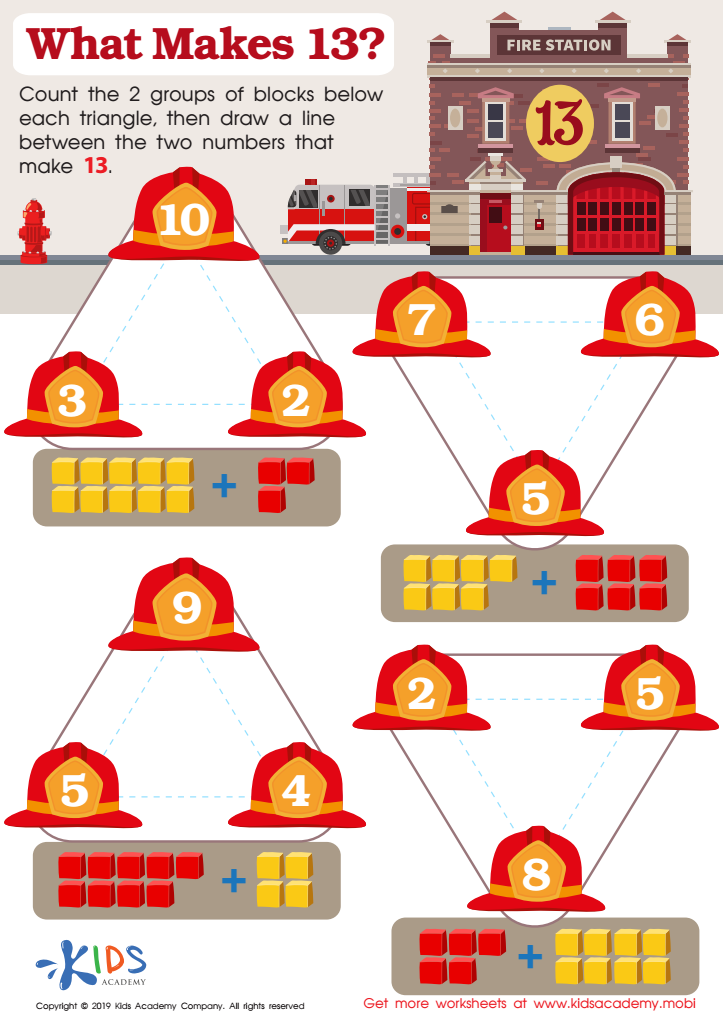
What Makes 13 Worksheet
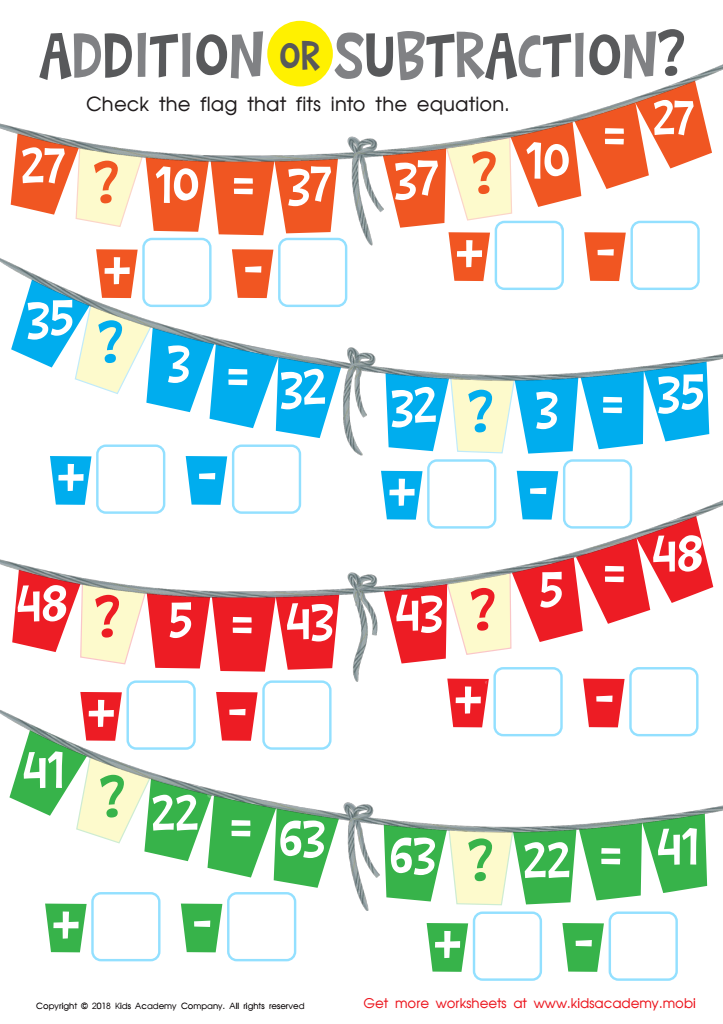
Addition or Subtraction? Worksheet






Mathematical reasoning is a critical developmental skill for children aged 5-6, laying the foundation for their future learning and problem-solving abilities. At this age, children begin to understand and apply basic concepts of addition, subtraction, and patterns. Encouraging mathematical reasoning fosters logical thinking and promotes cognitive development, enabling students to approach problems with confidence and creativity.
Parents and teachers should care about this aspect of learning because it helps children develop important life skills. As they learn to reason mathematically, children enhance their ability to analyze situations, make decisions, and solve real-world problems. It also promotes perseverance as they face challenges and discover solutions.
Moreover, mathematical reasoning supports literacy across disciplines, as children learn to express their thoughts and justify their answers clearly. In this way, it translates beyond mathematics, enhancing communication and fostering critical thinking skills.
Developing strong mathematical reasoning at an early age can ignite a child’s interest in STEM fields, crucial in our technology-driven society. By investing time and resources in nurturing these skills, parents and teachers will empower young learners to become confident, capable individuals ready to tackle more complex mathematical concepts in the future.








