Shape identification Normal Worksheets for Ages 5-6
9 filtered results
-
From - To
Discover our engaging Shape Identification Worksheets designed specifically for children aged 5-6. These worksheets help young learners recognize and differentiate between various shapes, including circles, squares, triangles, and more. With fun exercises and colorful visuals, children will enhance their critical thinking and observation skills. Perfect for home or classroom use, our resources aim to make learning enjoyable while building a strong foundation in shape recognition. Encourage your child's mathematical and analytical abilities with these easy-to-follow activities tailored to their cognitive level. Start exploring the world of shapes today and watch your little ones thrive graphically and conceptually!
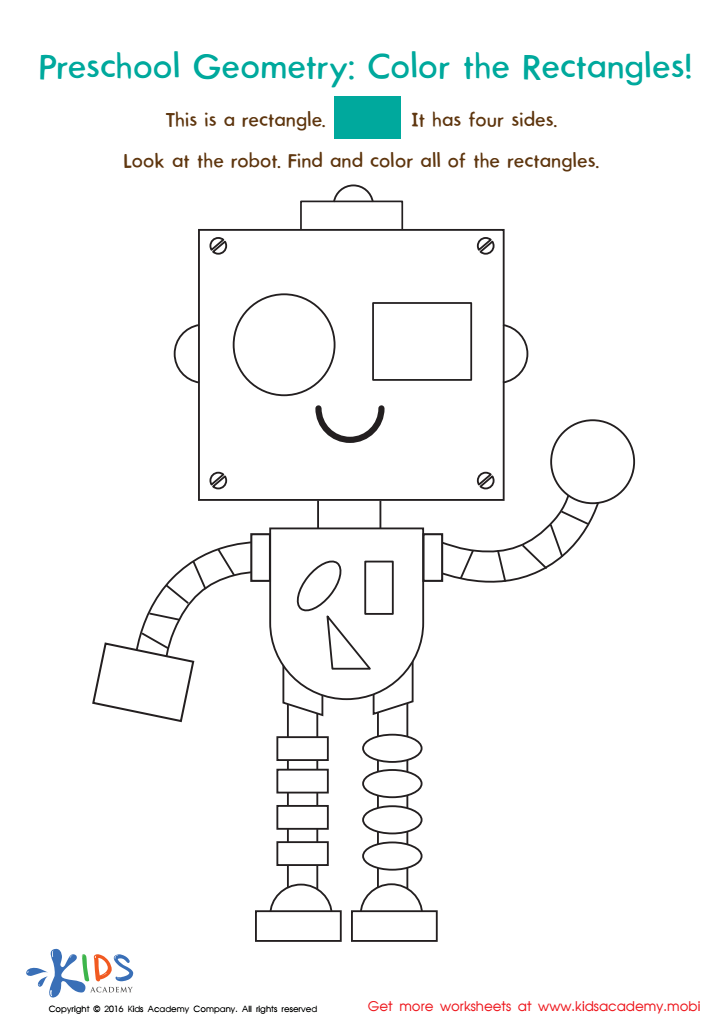
Geometry Worksheet
 Assign to My Students
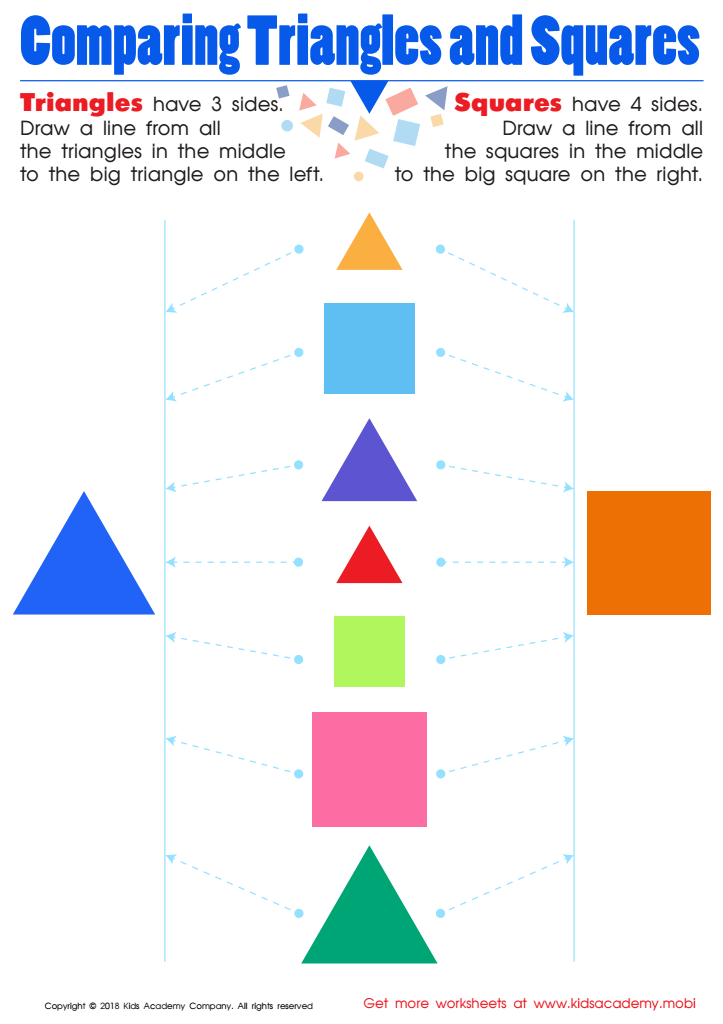
Comparing Triangles Squares Worksheet
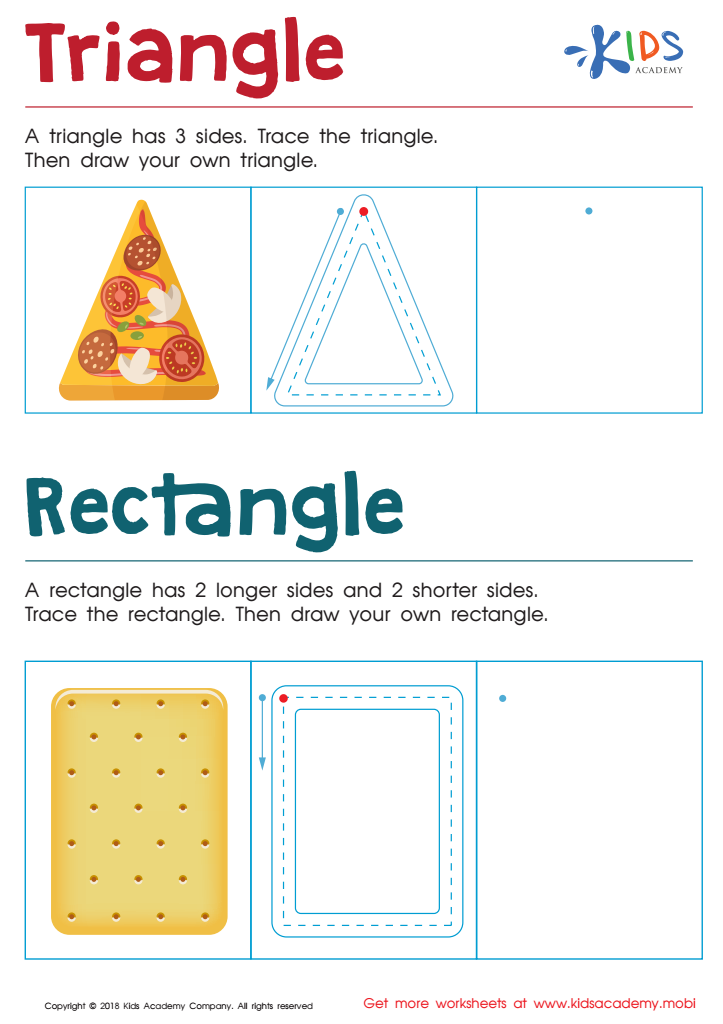
Triangle Rectangle Worksheet
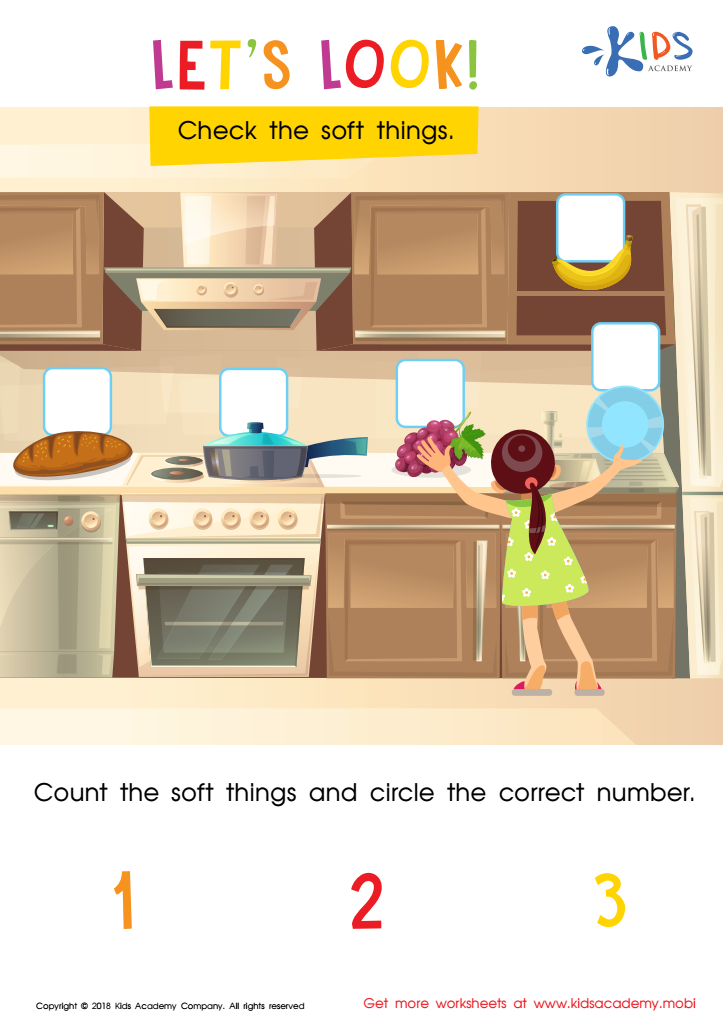
Let's Look! Assessment Worksheet
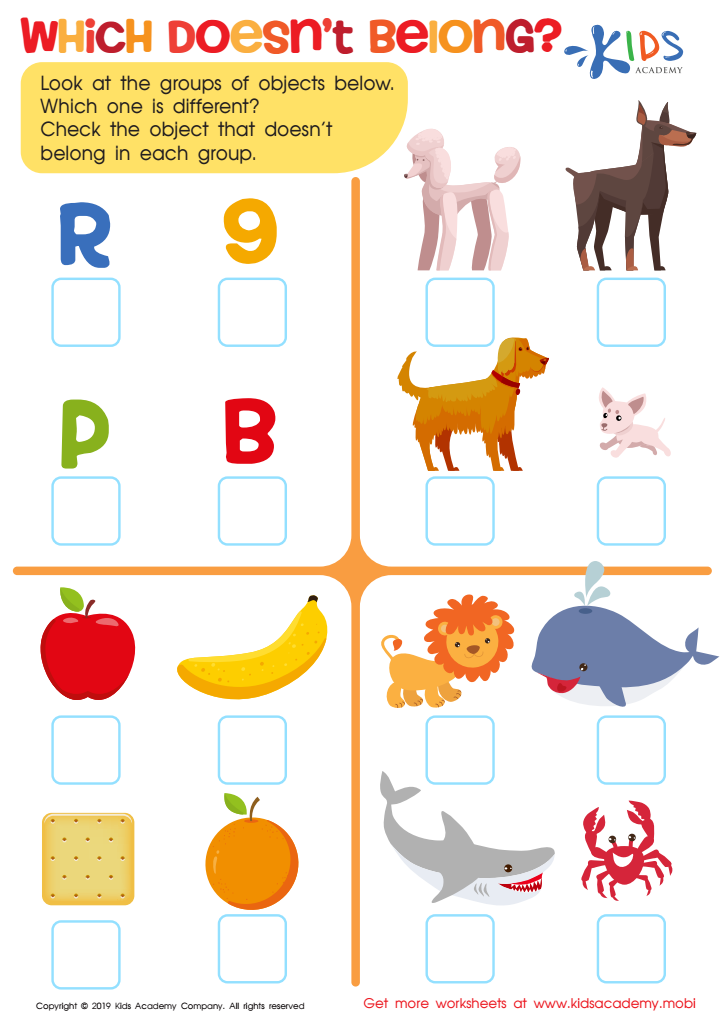
Which Doesn't Belong? Worksheet
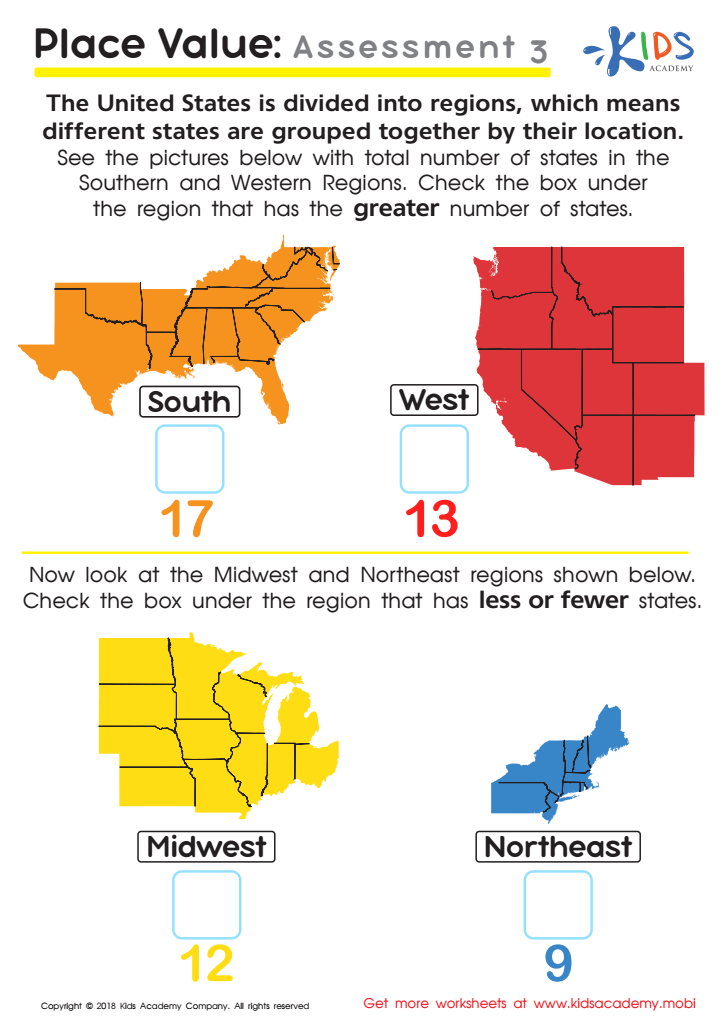
Place Value: Assessment 3 Worksheet
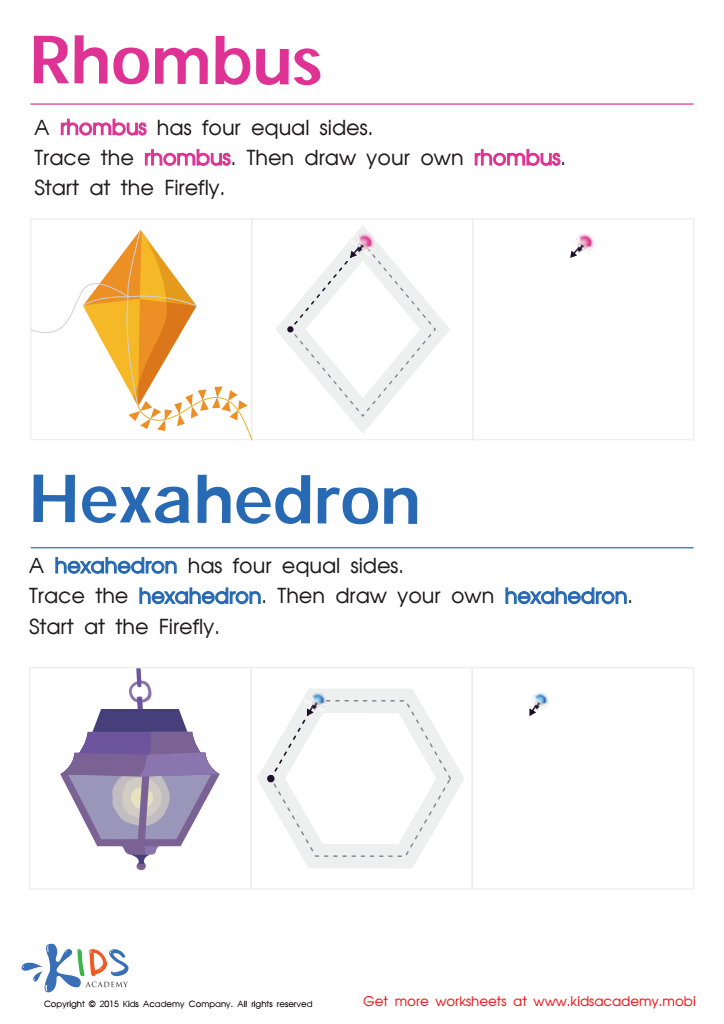
Draw a Rhombus And a Hexahedron Printable
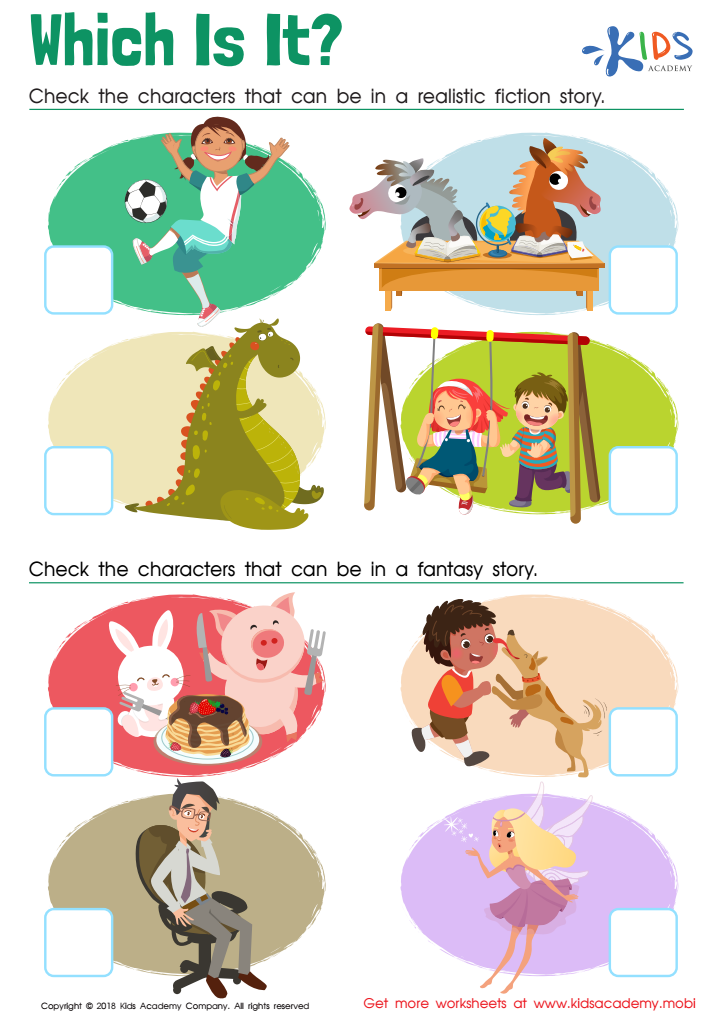
Which Is It? Worksheet
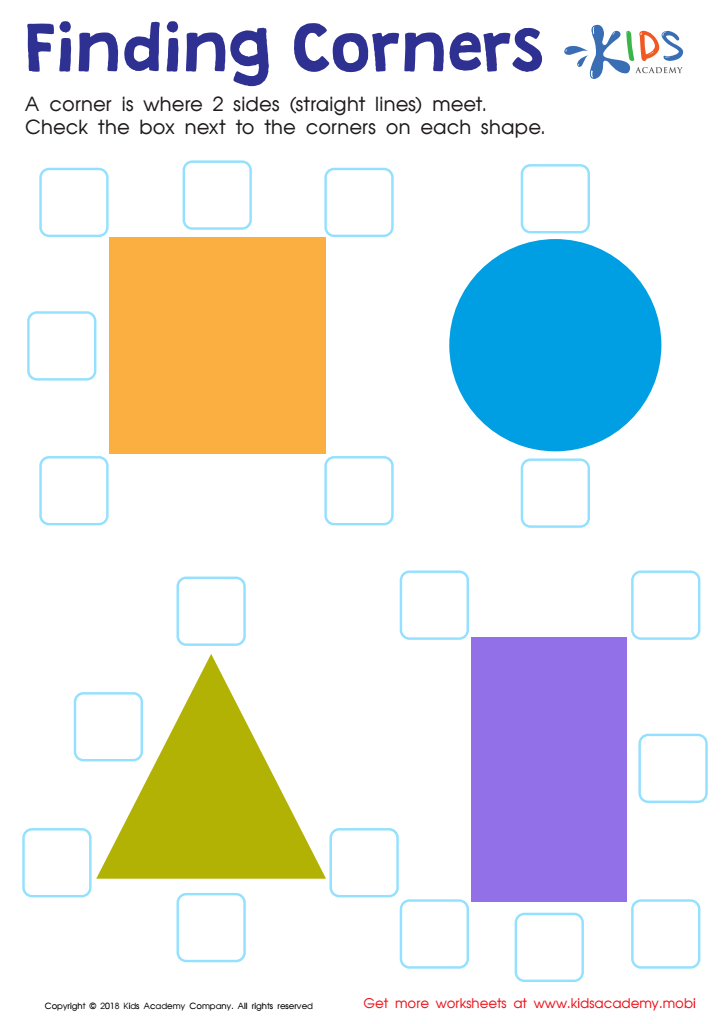
Finding Corners Worksheet








Shape identification is a fundamental building block in early childhood education, particularly for children ages 5-6. At this crucial stage of development, understanding shapes not only enhances children's cognitive abilities but also supports their overall learning. Learning to identify and differentiate shapes fosters critical thinking and observational skills, as children begin to make meaningful connections between objects in their environment.
This skill is integral to various subjects, including math and art. In mathematics, shape recognition lays the groundwork for geometry, pattern recognition, and spatial awareness, all of which are essential as children progress in their education. Furthermore, engaging with shapes can improve fine motor skills, as activities like cutting, drawing, and building with shape manipulatives involve hand-eye coordination.
For parents and teachers, encouraging shape identification creates a strong foundation for a child's future learning experiences. It promotes problem-solving and enhances confidence, as children explore the world around them. Additionally, shape recognition can be seamlessly integrated into daily life through play and exploration, making learning enjoyable and relatable. By prioritizing shape identification, parents and teachers equip children with essential skills that will support their comprehensive development and lifelong learning journey.








