Understanding symmetry Normal Worksheets for Ages 5-6
4 filtered results
-
From - To
Discover our "Understanding Symmetry Normal Worksheets for Ages 5-6" designed to introduce young learners to the fascinating world of symmetry. These engaging worksheets help kids easily grasp the concept of balance and reflection, enhancing their spatial awareness and mathematical thinking. Each activity is crafted to make learning fun and interactive, encouraging children to identify symmetrical shapes, complete symmetrical drawings, and identify lines of symmetry in various objects. Perfect for classroom or home use, these worksheets support early development in geometry while fostering creativity and critical thinking. Unlock your child's potential with our educational, easy-to-understand symmetry worksheets.
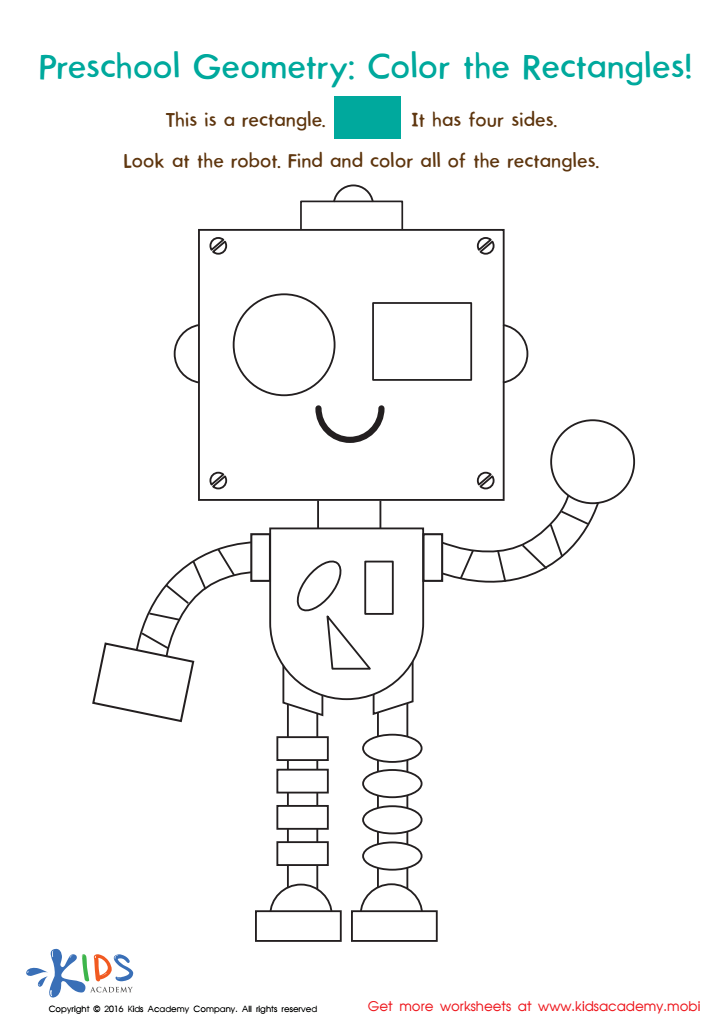
Geometry Worksheet
 Assign to My Students
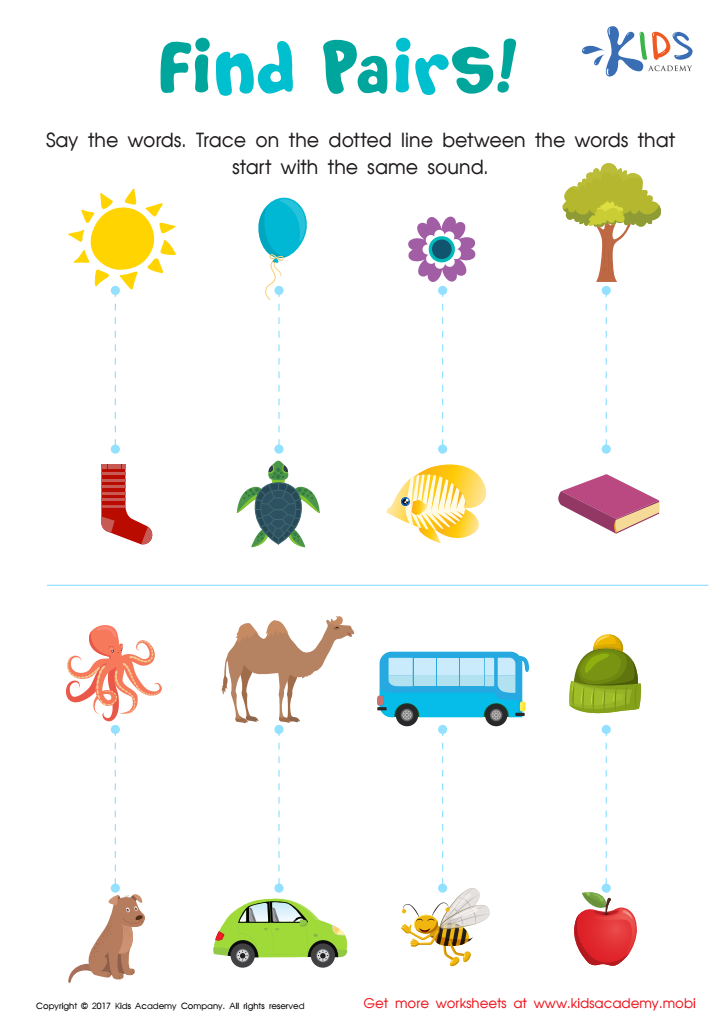
Beginning Sound: Find Pairs Worksheet
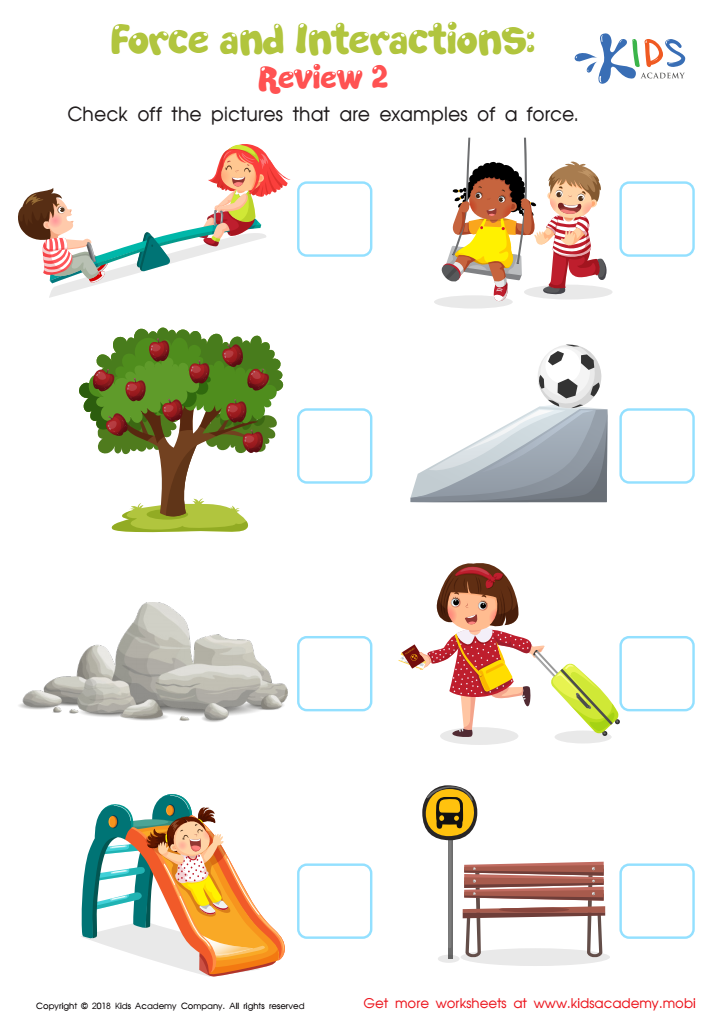
Force and Interactions: Review 2 Worksheet
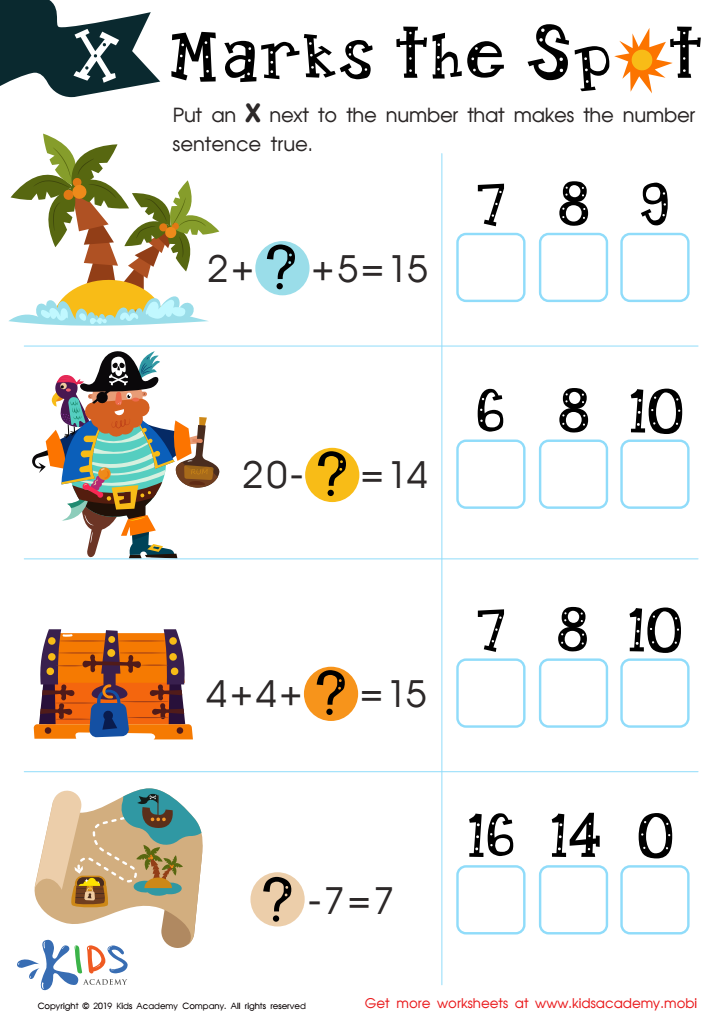
X Marks the Spot Worksheet







Understanding symmetry can greatly benefit children ages 5-6 developmentally and academically. Firstly, symmetry is a key concept in mathematics that lays the foundation for more complex geometrical concepts and problem-solving skills. Introducing children to symmetrical objects helps cultivate their spatial awareness and ability to recognize patterns, both of which are essential for later success in mathematics and science.
In addition, mastering symmetry can enhance a young child's cognitive abilities, including logical reasoning and critical thinking. When children identify or create symmetrical objects, they learn to compare, contrast, and make decisions, thereby strengthening their analytical skills.
From a developmental perspective, engaging with symmetry contributes to fine motor skills through hands-on activities, such as drawing or folding paper. Creativity is also fostered, as children explore various symmetrical patterns in art and nature. Recognizing the symmetry in their environment can also increase a child's observational skills and curiosity about the world, enriching their learning experience.
Finally, early exposure to symmetry can offer immediate emotional benefits. Successfully noticing or creating symmetrical designs can boost a young child's confidence and provide a sense of accomplishment. In sum, understanding symmetry cultivates a well-rounded set of cognitive, motor, and emotional skills, making it an essential aspect of early childhood education.








