
Addition skills Normal Addition Facts Worksheets for Ages 5-6
3 filtered results
Difficulty Level
Grade
Age
-
From - To
Subject
Activity
Standards
Unlock early math success with our "Addition Skills Normal Addition Facts Worksheets for Ages 5-6." Tailored for young learners, these engaging worksheets help children grasp fundamental addition concepts through fun, interactive exercises. Each worksheet is designed to build essential arithmetic skills, fostering confidence and a love for math. Ideal for home or classroom use, these printables feature colorful, enjoyable activities that make learning addition enjoyable and effective. Support your child's academic growth and watch them thrive with our expertly crafted resources, perfectly suited for developing young mathematicians. Start building strong addition skills today!
Favorites
With answer key
Interactive
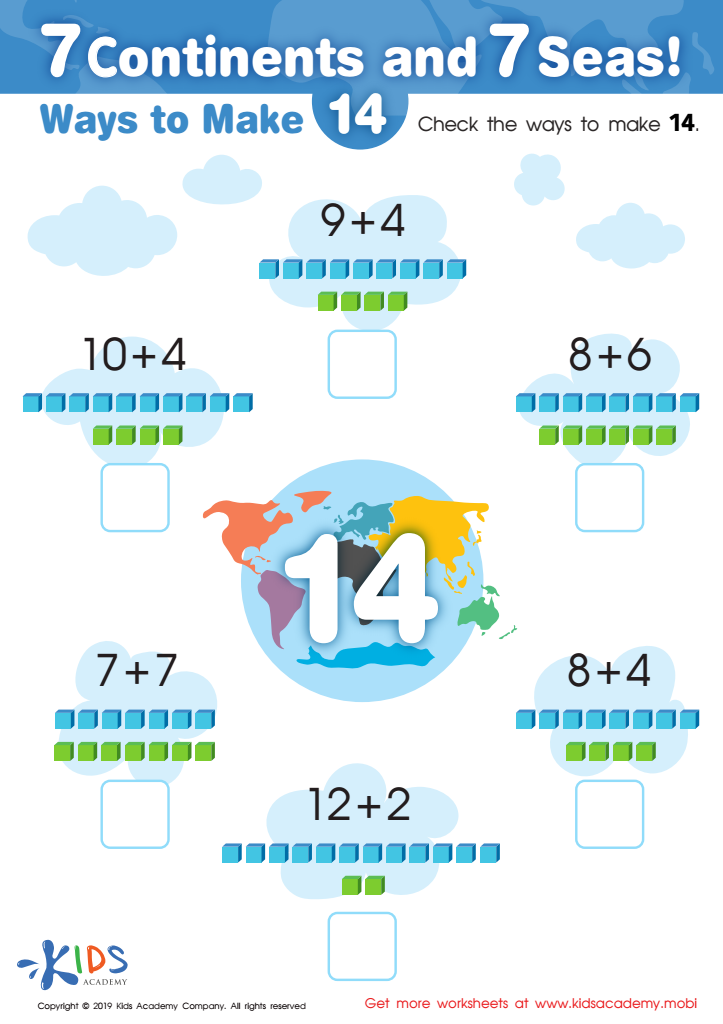
7 Continents and 7 Seas Worksheet
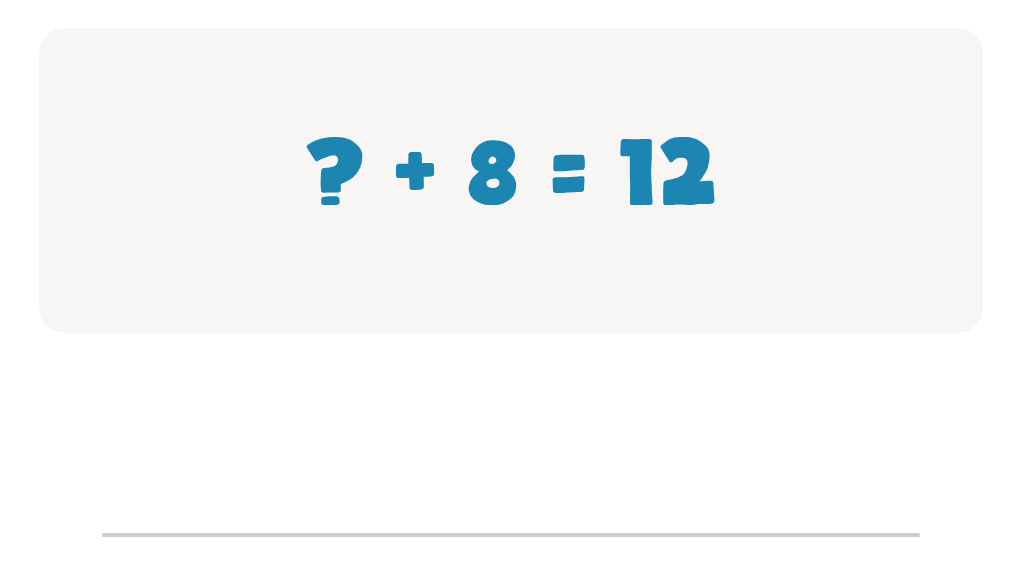
Remind kids of the continents and show them how different numbers can add up to the same figure. Give examples, like 2+2 =4, and 3+1 =4. Ask if they can provide other examples, then work through the simple additions in this worksheet with them. Ask them to circle all equations that make 14.
 Assign to My Students
7 Continents and 7 Seas Worksheet
Worksheet
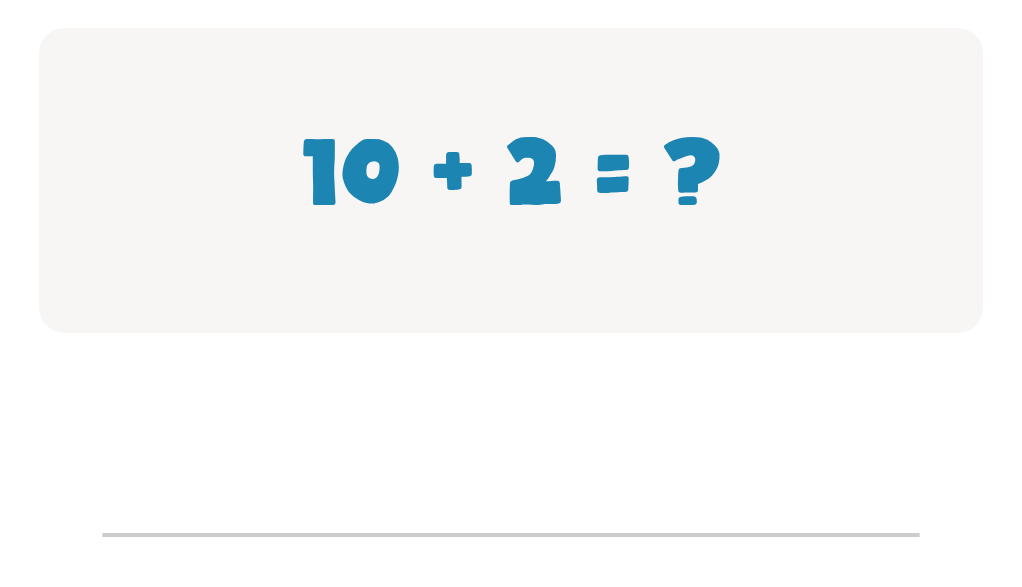

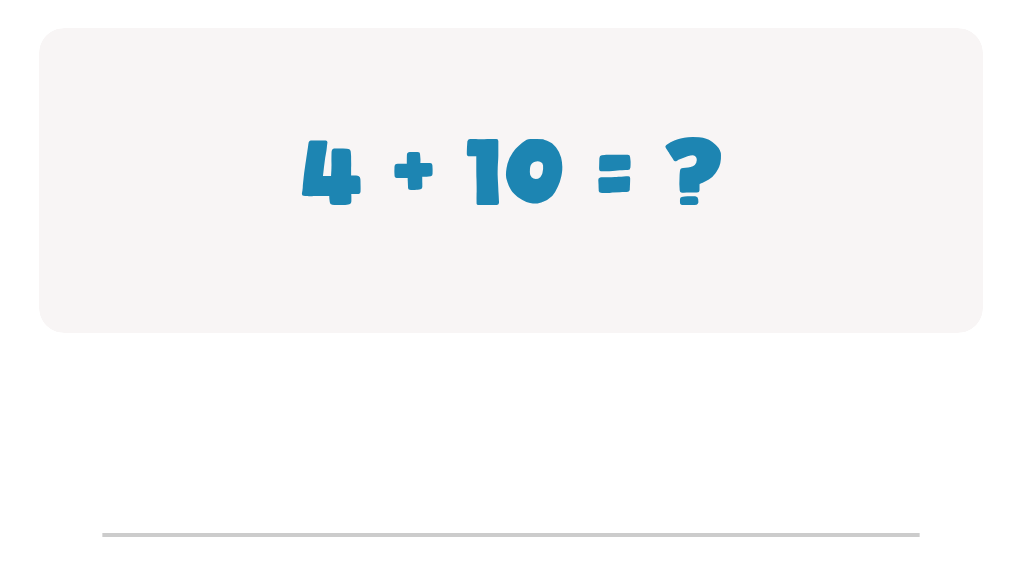
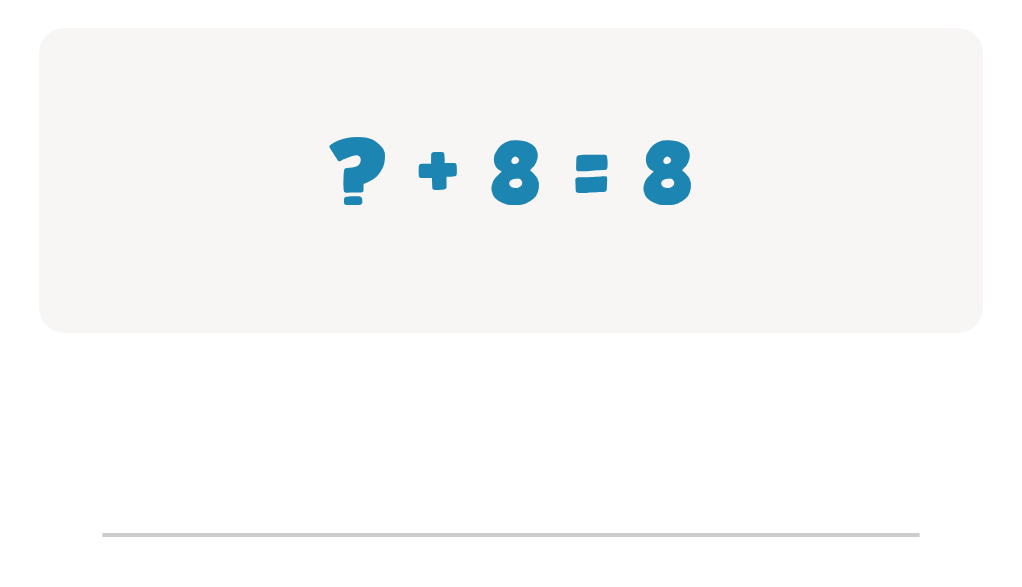
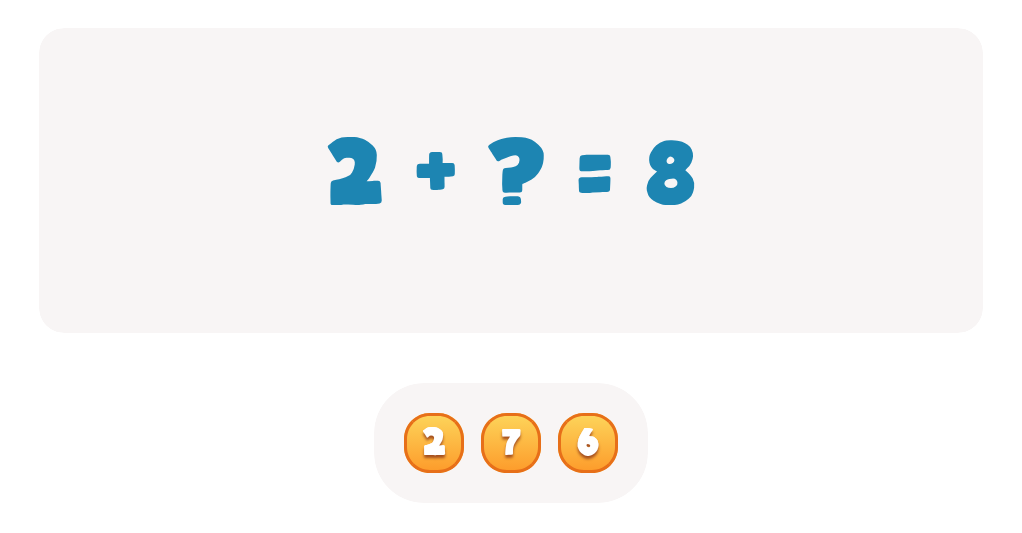
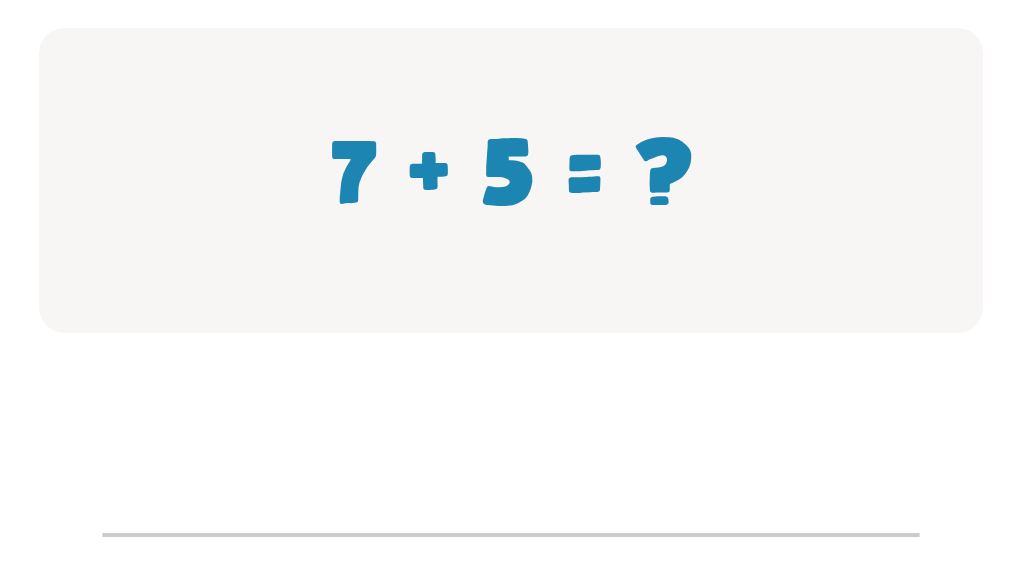
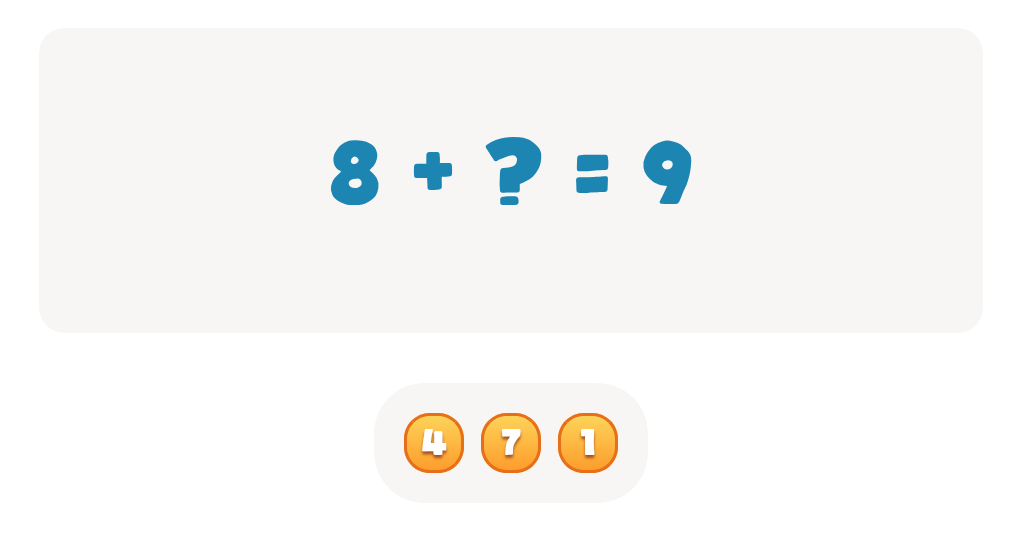

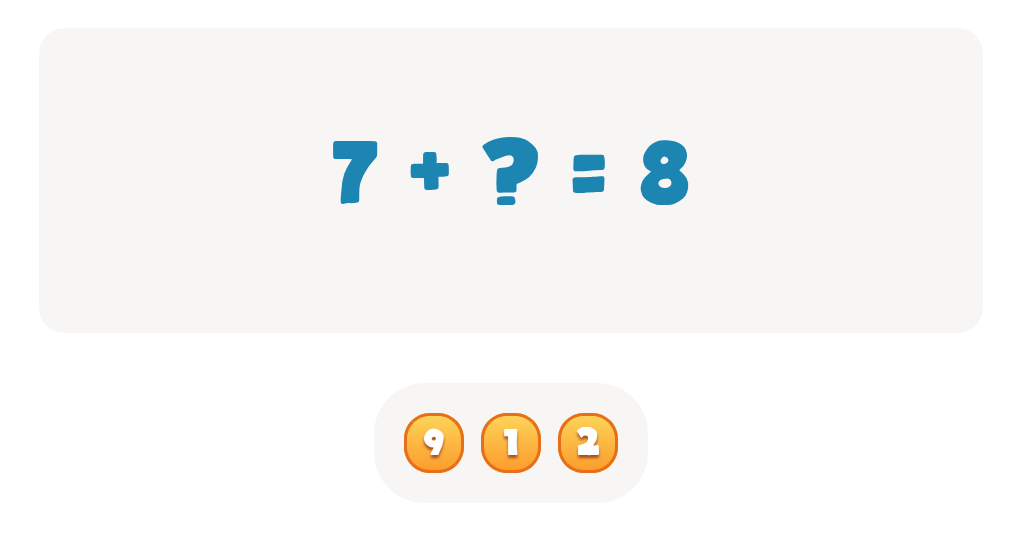
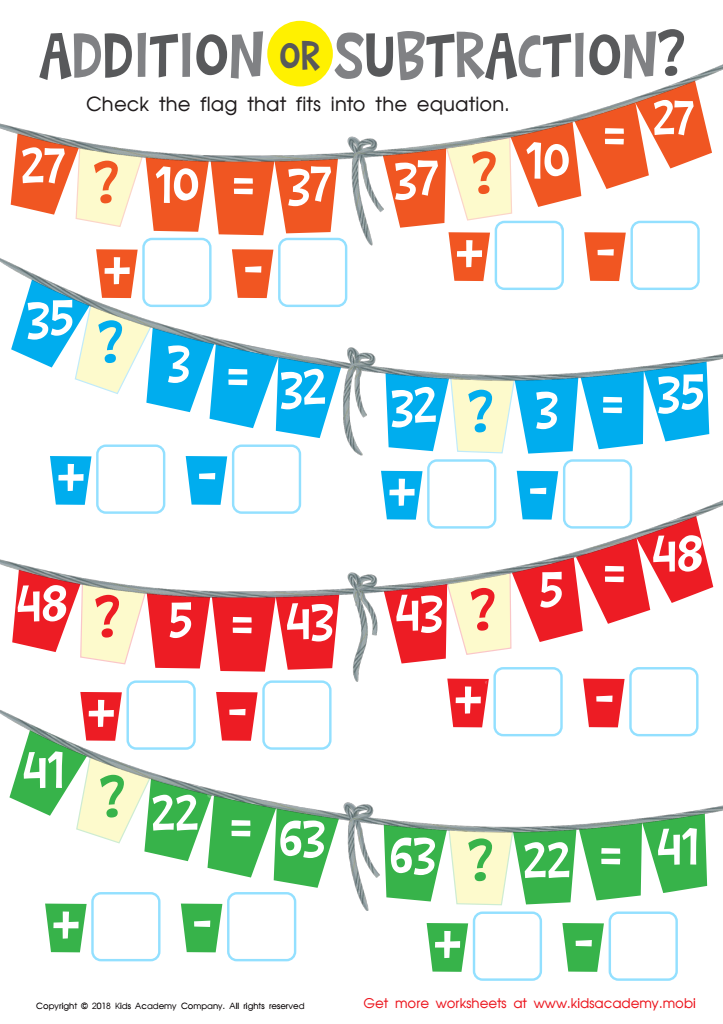
Addition or Subtraction? Worksheet
Help your math whiz's number skills advance with these colorful flag equations! With the free PDF, they'll learn to solve addition and subtraction facts by following the correct orders of operation. And the best part? They'll develop a deeper understanding of how the different operations work together within equations. Give it a try and watch their skills soar!
Addition or Subtraction? Worksheet
Worksheet
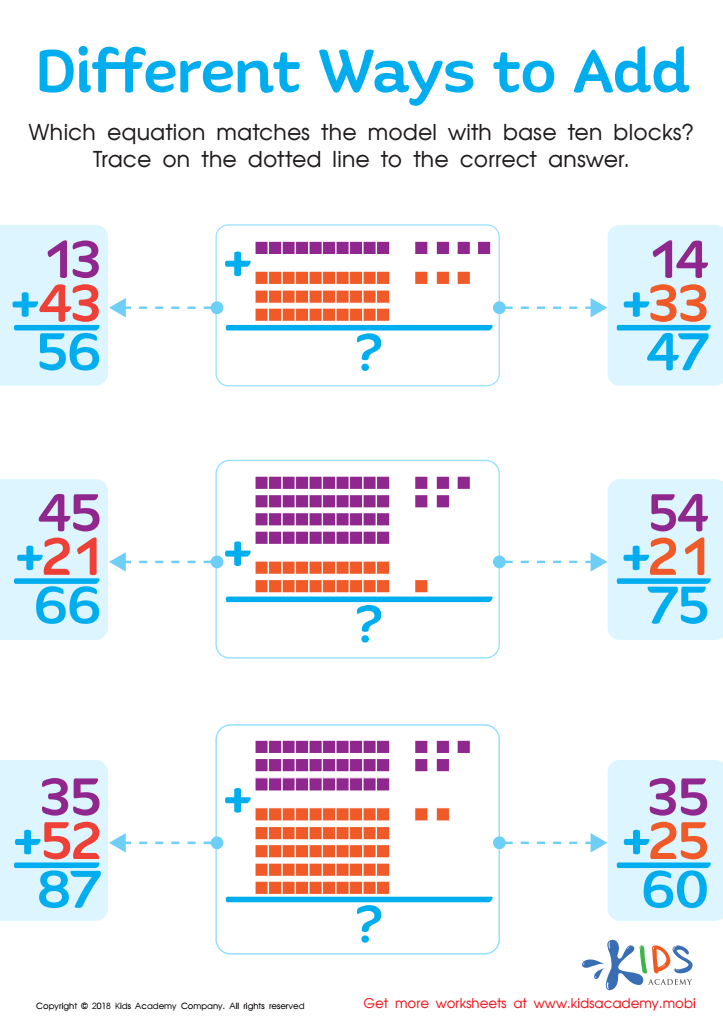
Different Ways to Add Worksheet
This worksheet enhances math skills by having students match equations to base ten pictures and tracing lines. It not only helps with fine motor skills, but also encourages number sense, with various ways to add and build upon existing math knowledge.
Different Ways to Add Worksheet
Worksheet
Join Kids Academy for Free
Who is primarily going to use this learning content?








Parents and teachers should care deeply about fostering addition skills in young children, as these skills are fundamental building blocks for future mathematical understanding and overall cognitive development. Ages 5-6 mark a critical developmental period where children transition from concrete to more abstract thinking. Mastering basic addition facts during this time lays a solid foundation for more complex mathematical concepts such as subtraction, multiplication, division, and fractions.
Developing strong addition skills early on instills confidence and encourages a positive attitude towards mathematics, reducing the likelihood of math anxiety in later years. Proficiency in normal addition facts helps young learners quickly and efficiently solve basic arithmetic problems, freeing cognitive resources to tackle higher-order thinking tasks.
Moreover, addition skills contribute significantly to real-life problem-solving. From counting toys to sharing snacks equally and understanding time, addition plays a role in everyday activities. These experiences help children see the practical applications of math, making them more engaged and interested in learning.
For parents and teachers, emphasizing addition facts also provides an opportunity to monitor and support each child's developmental milestones. Through playful learning and creative exercises, they can identify individual needs and tailor instructions that align with each child's learning pace. Investing in these foundational skills ultimately assures smoother academic progression and contributes to holistic intellectual development.








