Animal recognition Normal Math Worksheets for Ages 5-6
7 filtered results
-
From - To
Discover our engaging "Animal Recognition Normal Math Worksheets" designed for children aged 5-6! These worksheets provide a fun and interactive way for young learners to enhance their math skills while exploring the fascinating world of animals. Each activity combines basic math concepts with animal recognition, helping kids develop important cognitive abilities while enjoying delightful illustrations. From counting animals to simple addition and subtraction exercises, your child will gain confidence and enjoyment in learning. Perfect for classrooms or at-home practice, our worksheets align with early learning standards, making them ideal for nurturing a love for math and nature. Start the adventure today!
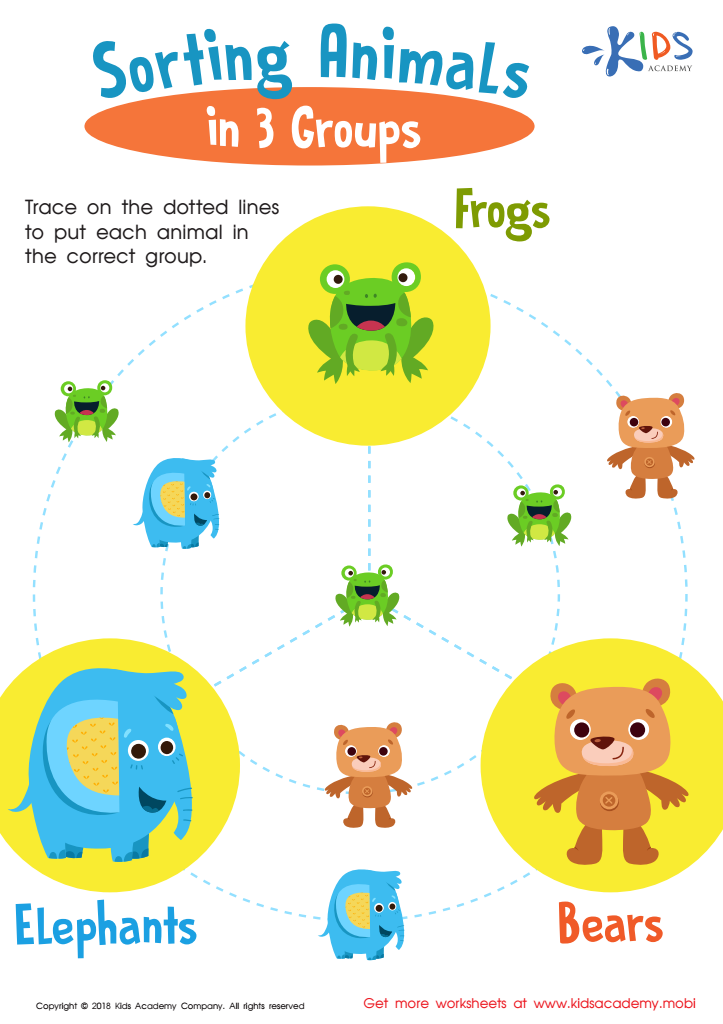
Sorting Animals in 3 Groups Worksheet
 Assign to My Students
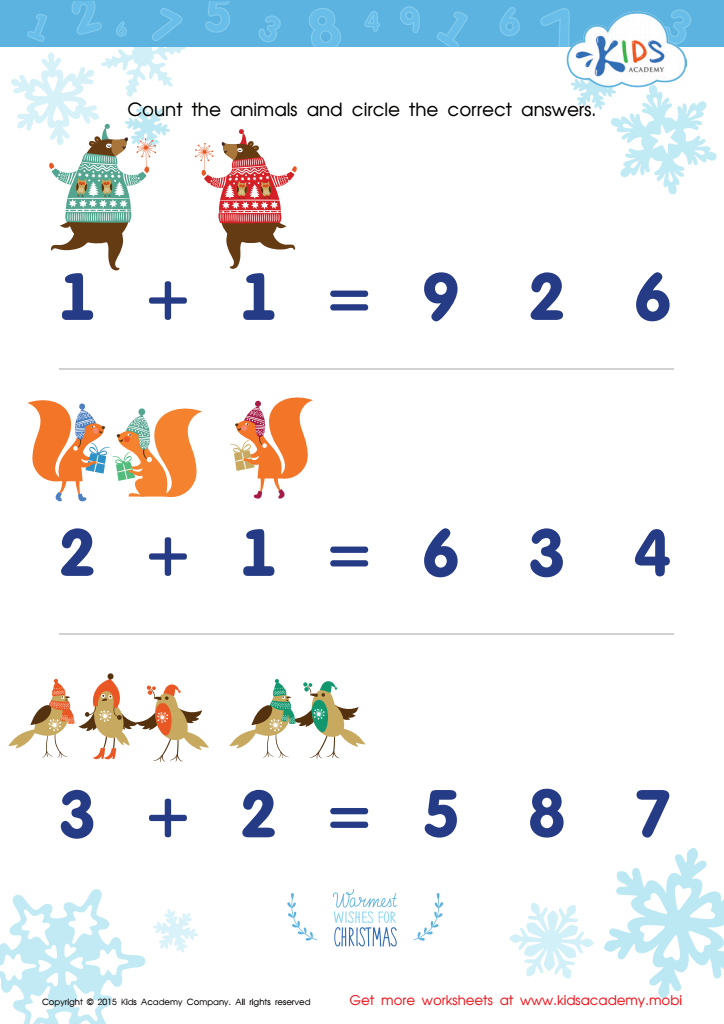
Count Funny Animals Worksheet
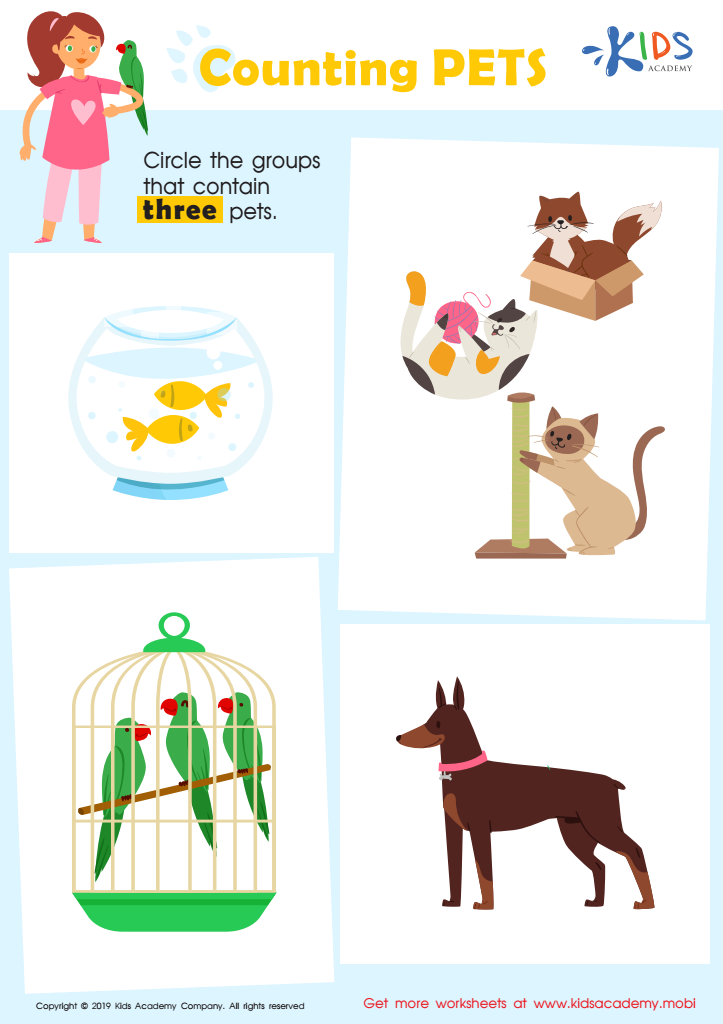
Counting Pets Worksheet
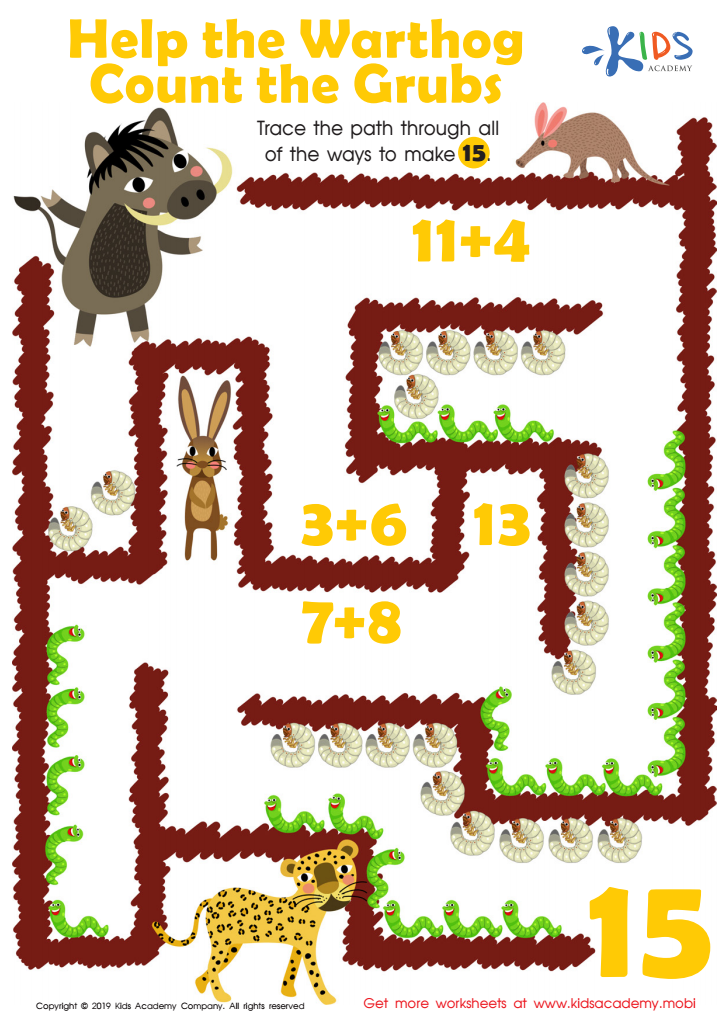
Help the Warthog Count the Grubs Worksheet
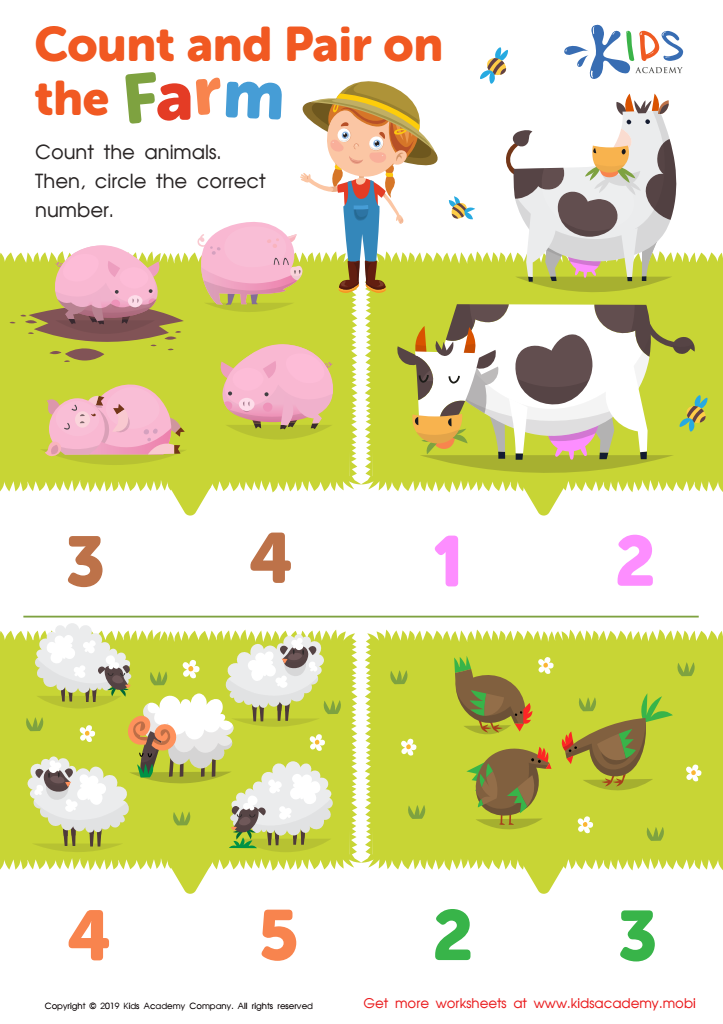
Count and Pair on the Farm Worksheet
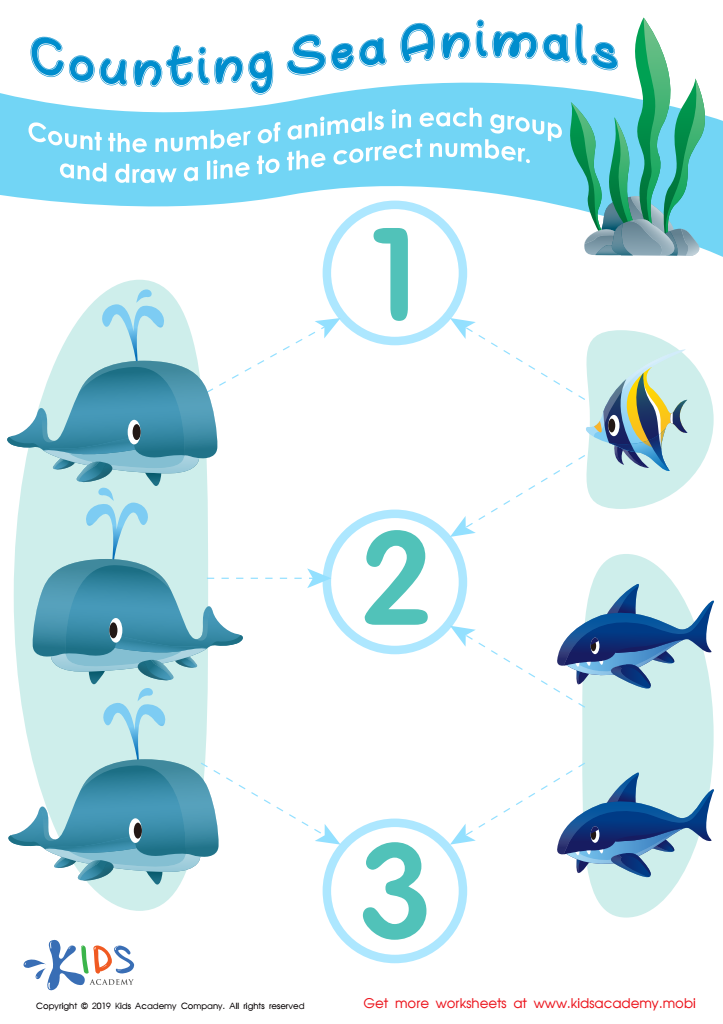
Counting Sea Animals Worksheet
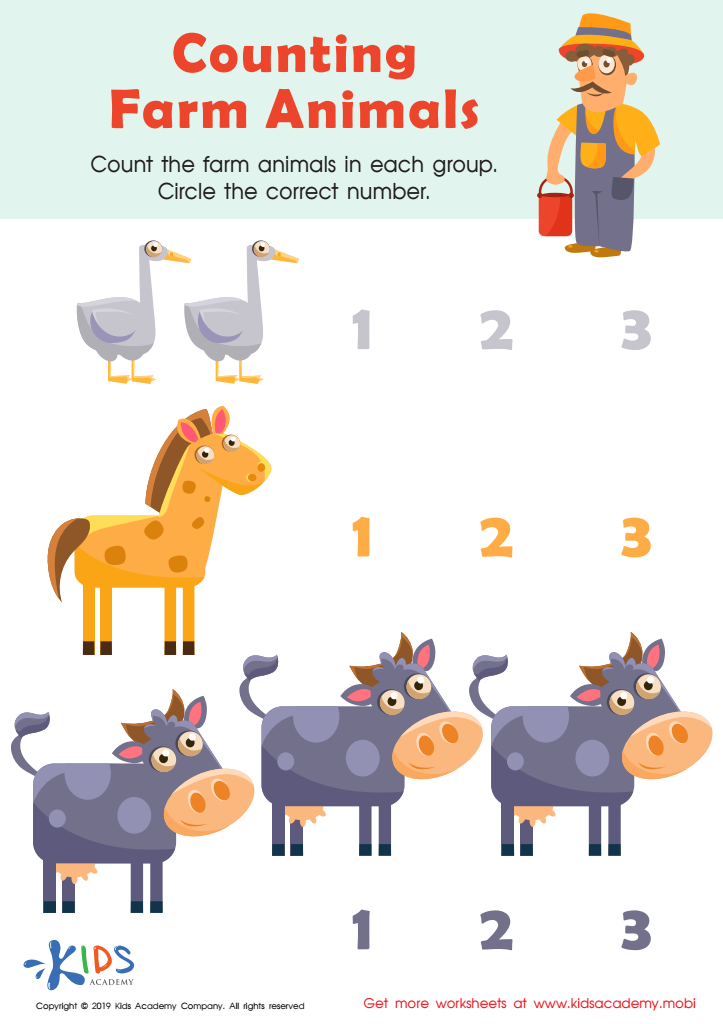
Counting Farm Animals Worksheet





Animal recognition and normal math are essential developmental skills for children aged 5 to 6, and parents and teachers should prioritize them for several reasons.
Firstly, identifying animals fosters observational skills and enhances cognitive development as children learn to categorize and relate their experiences with the world around them. Recognizing various animals promotes curiosity, encouraging children to explore nature, understand ecosystems, and develop a sense of responsibility towards living creatures.
Simultaneously, normal math skills, such as counting, addition, and subtraction, serve as the foundation for more advanced mathematical concepts. Engaging children with practical math through animal-related activities—such as counting animals in storybooks or measuring their sizes—makes learning enjoyable and relevant.
These subjects also promote critical thinking. Solving problems involving animals requires children to analyze situations and process information, nurturing intellectual growth. Furthermore, integrating both subjects can enhance interdisciplinary learning, allowing children to make connections between math and their understanding of the natural world.
In summary, early engagement with animal recognition and normal math equips children with essential cognitive skills, fosters a love for learning, and nurtures a well-rounded development, underscoring why parents and teachers should care about these fundamental areas.








