Basic arithmetic skills Normal Math Worksheets for Ages 5-6
6 filtered results
-
From - To
Introduce your child to the world of numbers with our "Basic Arithmetic Skills Normal Math Worksheets for Ages 5-6." Kids Academy offers an array of engaging activities designed to develop fundamental math abilities. Our worksheets cover essential arithmetic skills such as counting, addition, and subtraction, presented in a fun and interactive format. Perfect for young learners, these printable sheets aim to make learning an enjoyable experience as they build a solid mathematical foundation. Strong emphasis is placed on practical exercises that boost understanding and retention. Start your child's educational journey with our expertly crafted, kid-friendly resources today!
 Assign to My Students
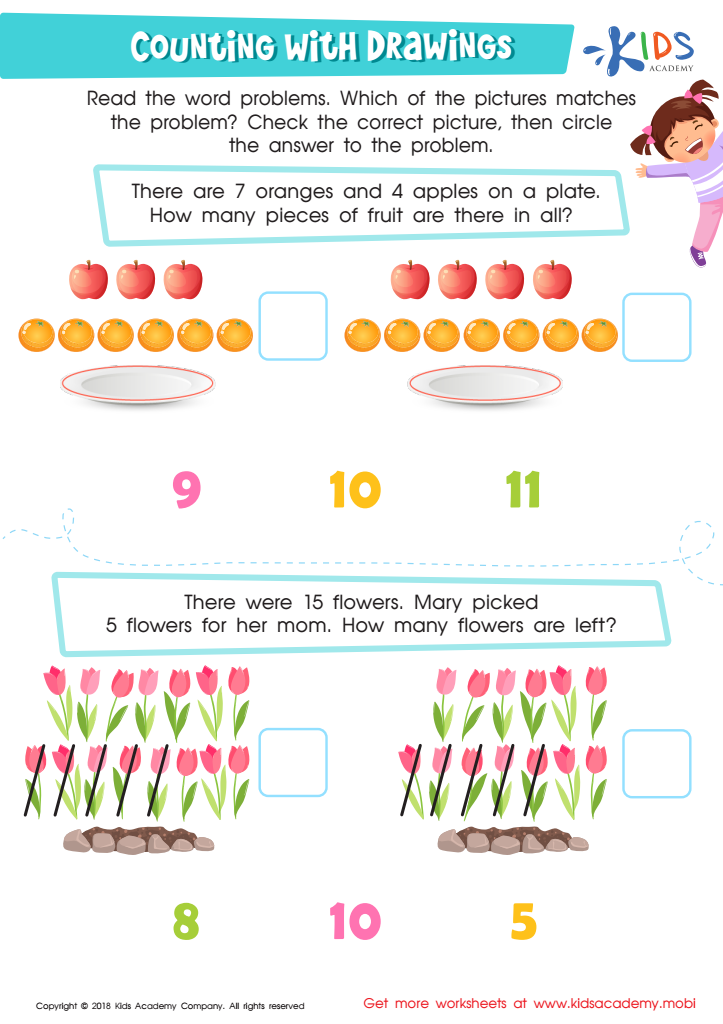
Counting with Drawings: Fruits & Chocolates Worksheet
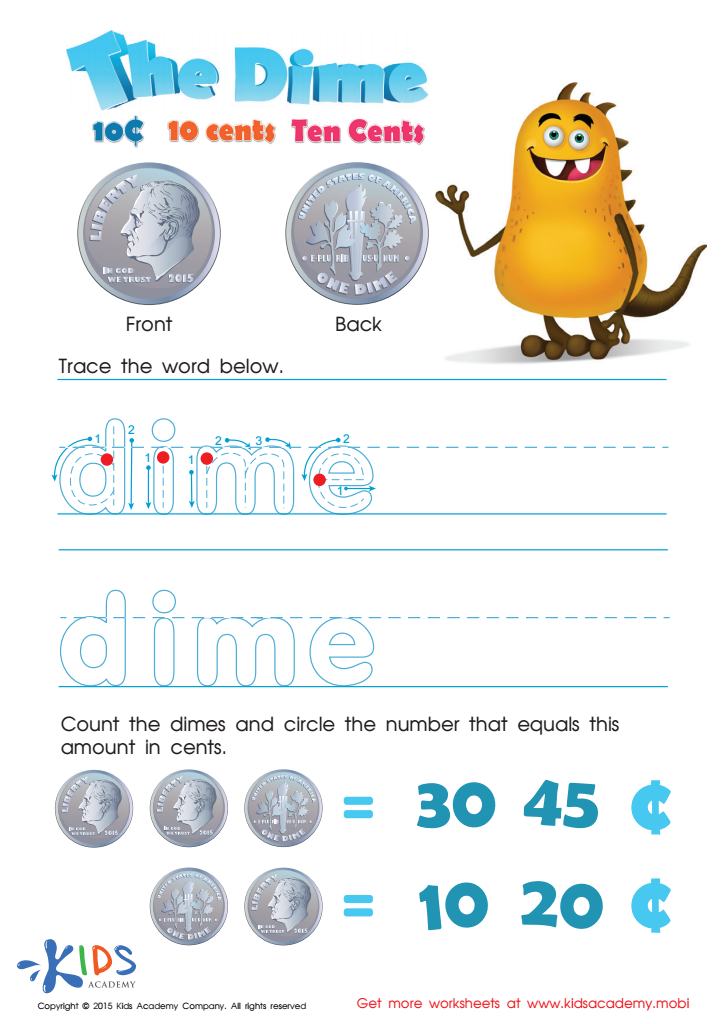
Ten Cents or the Dime Money Worksheet
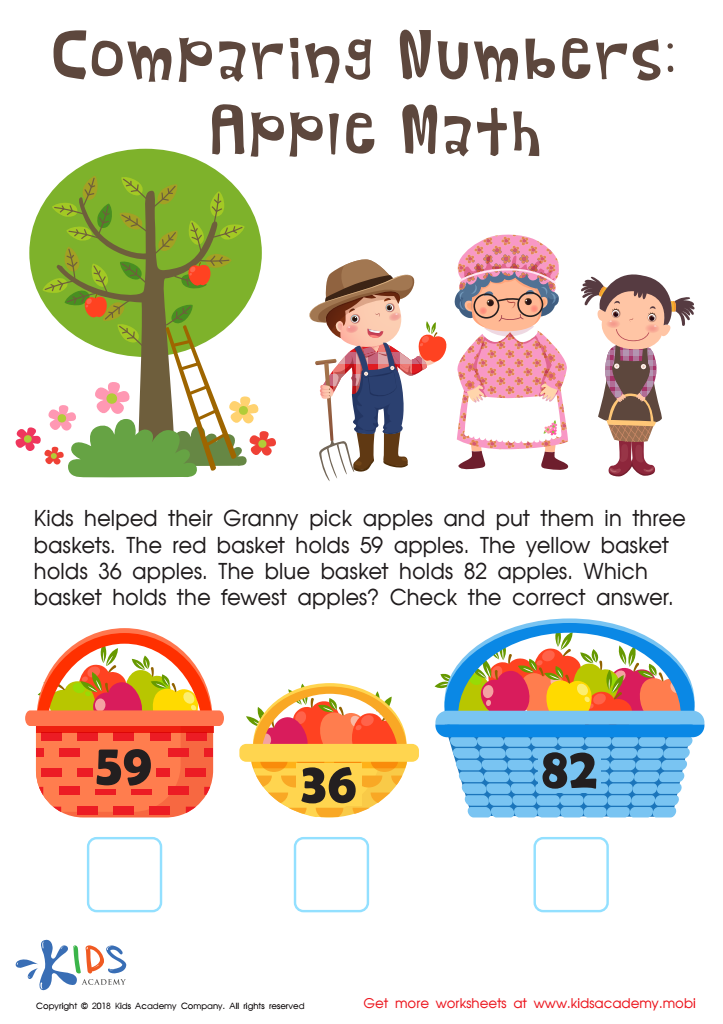
Apple Math Worksheet
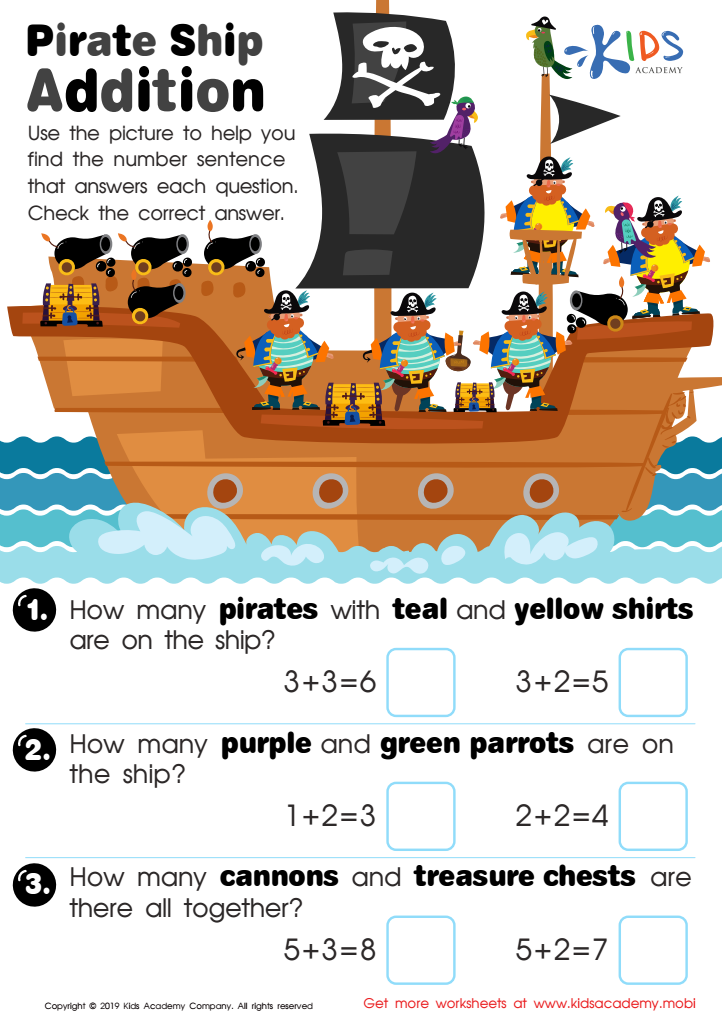
Pirate Ship Addition Worksheet
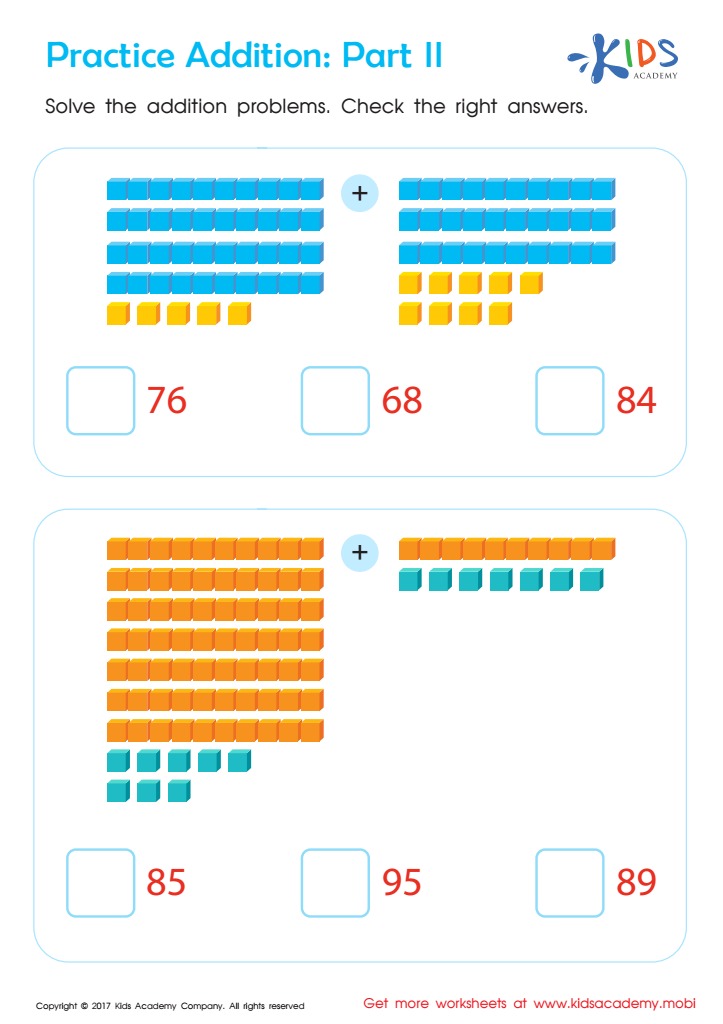
Practice Addition: Part 2 Worksheet








Basic arithmetic skills are foundational for children ages 5-6, as they form the groundwork for all future math learning and everyday problem-solving. At this early age, children are naturally curious and eager to explore the world around them. By introducing them to basic math concepts like addition, subtraction, counting, and simple problem-solving, parents and teachers can nurture their cognitive development and critical thinking skills.
When young children grasp basic arithmetic, they develop confidence in their abilities, which fosters a positive attitude toward more complex subjects they'll encounter later in their education. Early math skills are closely tied to logical reasoning, precision, and the ability to follow sequences—skills that are beneficial in other academic areas and in life.
Moreover, many daily activities, from sorting toys to sharing snacks, involve basic math. Understanding and practicing these concepts enrich everyday experiences and make abstract numbers more relatable. Engagement through counting games, puzzles, and hands-on activities makes learning interactive and enjoyable.
Caring about and fostering these early arithmetic skills pave the way for academic success, problem-solving abilities, and a lifelong love of learning. In essence, a solid foundation in basic math is critical not just for academic achievements but for overall cognitive and personal development.








