Enhancing critical thinking Normal Math Worksheets for Ages 5-6
3 filtered results
-
From - To
Unlock your child's potential with our "Enhancing Critical Thinking Normal Math Worksheets for Ages 5-6". These expertly designed activities foster critical thinking, problem-solving, and reasoning skills. Aligned with key learning milestones, our worksheets offer young learners engaging challenges that stimulate their cognitive development. Easy-to-follow instructions and vibrant illustrations keep kids motivated, making math practice fun and effective. Perfect for classroom and home use, these worksheets ensure your child gains a solid foundation in math while nurturing a love for learning. Set your child on the path to success with our thoughtfully crafted educational resources.
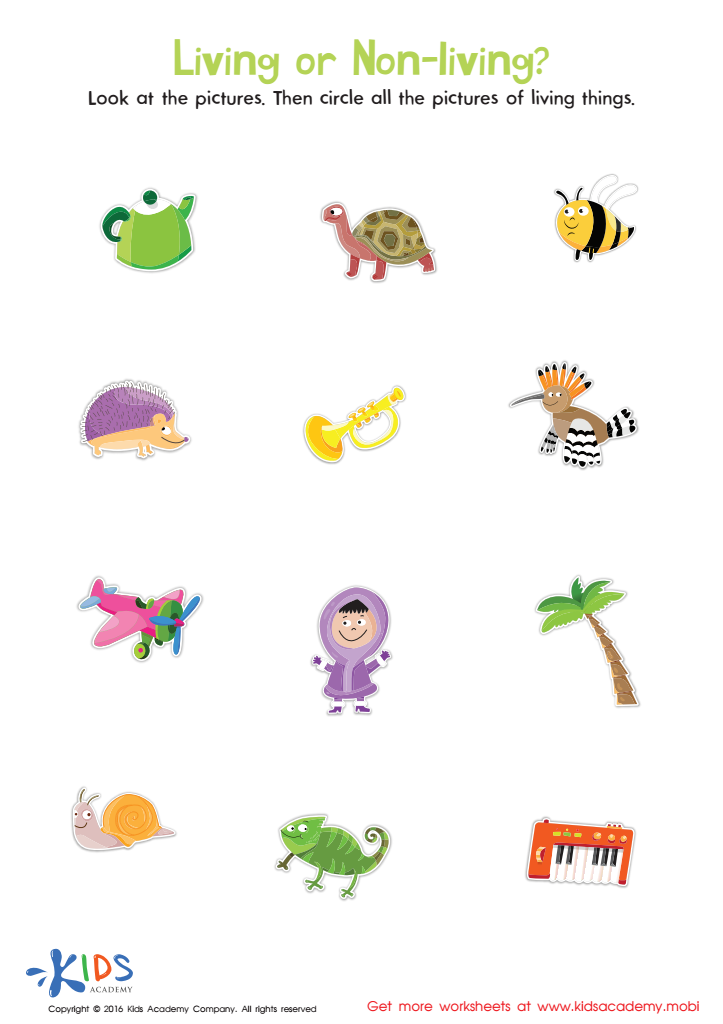
Identifying Living and Non–living Things Sorting Worksheet
 Assign to My Students
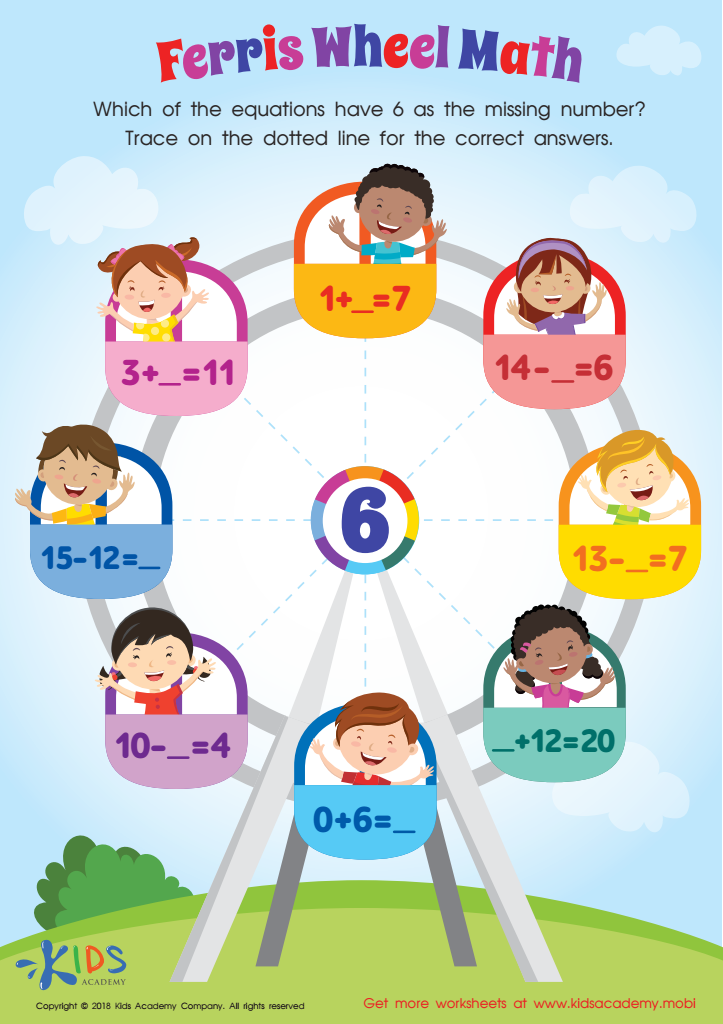
Missing Number: Ferris Wheel Math Worksheet
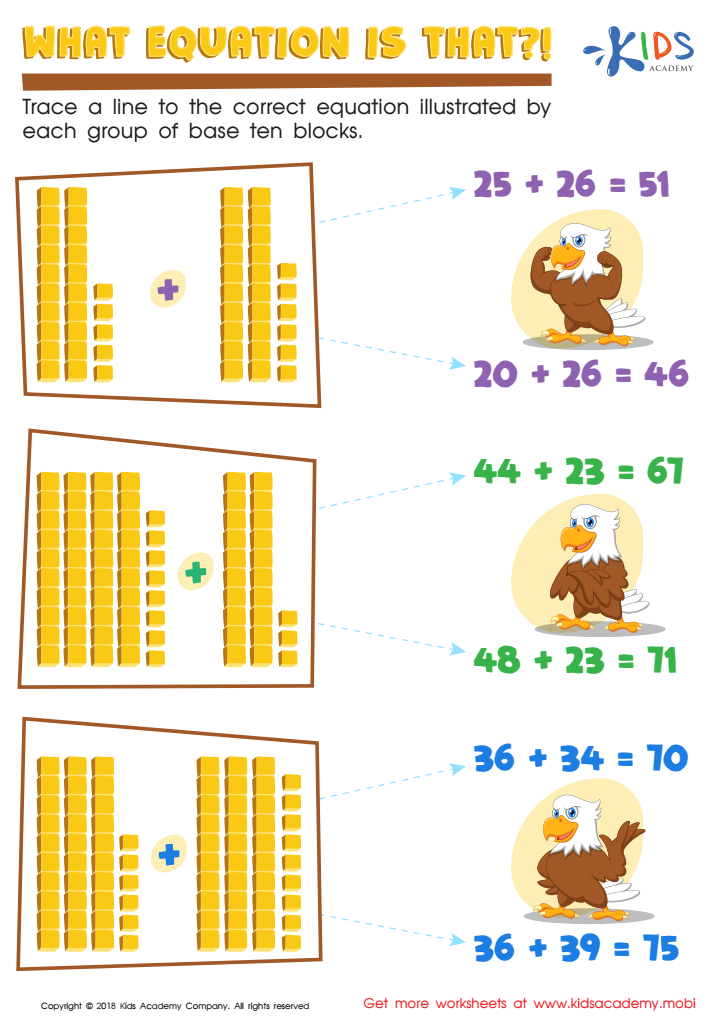
What Equation Is That? Worksheet








Incorporating critical thinking into early math education is essential for fostering well-rounded cognitive development in children aged 5-6. At this formative stage, young learners are naturally curious and absorb information rapidly. By embedding critical thinking skills within math lessons, parents and teachers can enhance their problem-solving abilities, encourage creativity, and build a strong foundation for future academic success.
Critical thinking in math helps children understand the "why" behind the "what." Instead of merely memorizing numbers and equations, young students learn to reason logically, make connections between concepts, and apply math skills to real-world situations. This approach nurtures a deeper understanding and appreciation of math, transforming it from a rote activity into an engaging exploration.
Additionally, these skills are transferable across subjects, aiding in the development of literacy, scientific reasoning, and social problem-solving. Children who practice critical thinking become better at following instructions, making decisions, and analyzing situations both within and outside the classroom.
Conclusively, focusing on critical thinking in early math education prepares children for the complexities of future education and everyday life, encouraging self-confidence and independence. By prioritizing these skills at a young age, parents and teachers are investing in the long-term intellectual and emotional growth of their children, setting them up for lifelong success.








