Vocabulary development Normal Math Worksheets for Ages 5-6
5 filtered results
-
From - To
Discover our engaging "Vocabulary Development Normal Math Worksheets" tailored specifically for ages 5-6. These worksheets provide a fun and interactive way for young learners to enhance their vocabulary while developing essential math skills. Children will explore key math concepts through dynamic activities that blend language and numerical literacy. Each worksheet is designed to promote critical thinking, problem-solving, and a deeper understanding of math vocabulary in context. Perfect for home or classroom use, these worksheets foster a love for learning and empower kids to express their mathematical ideas confidently. Equip your little learners with the vocabulary they need to succeed in mathematics!
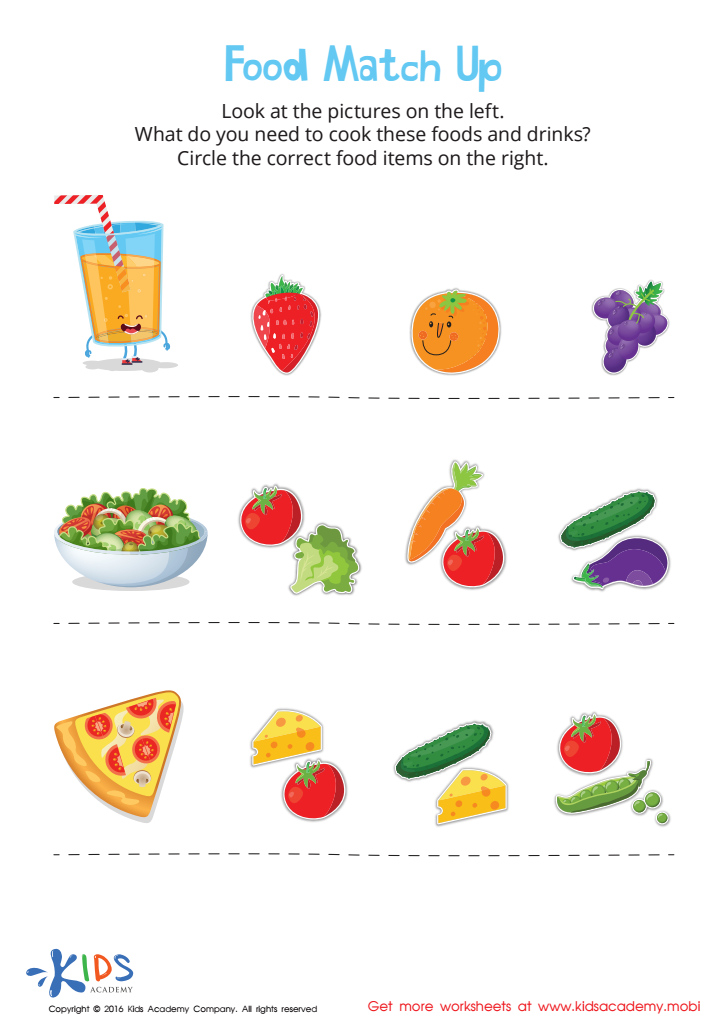
Food Match Up Worksheet
 Assign to My Students
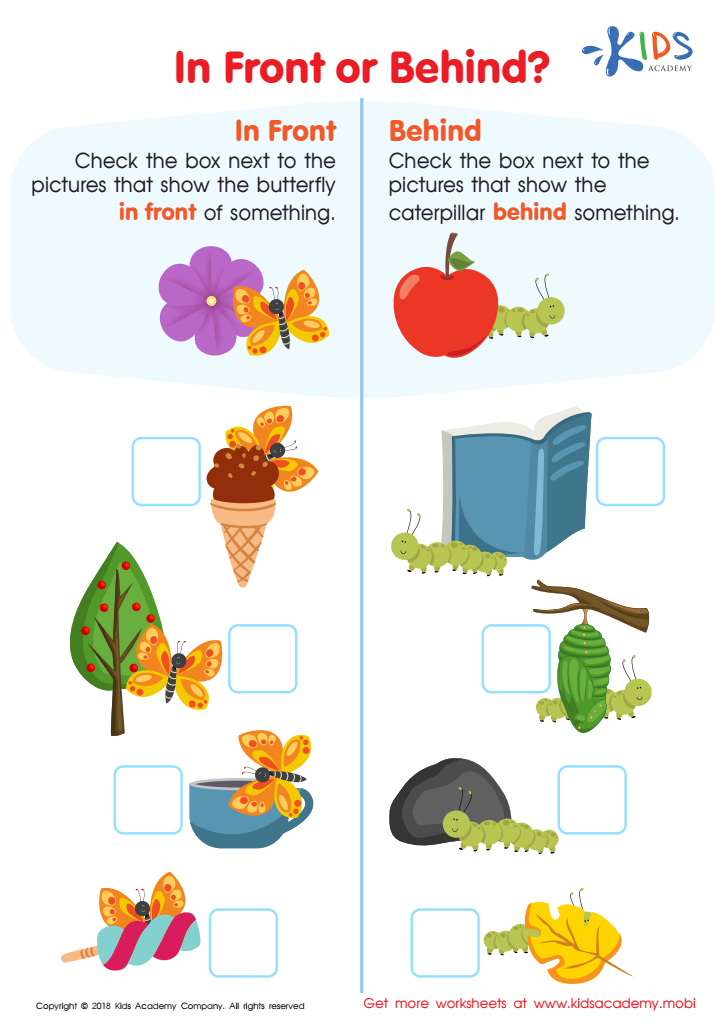
In Front or Behind Worksheet
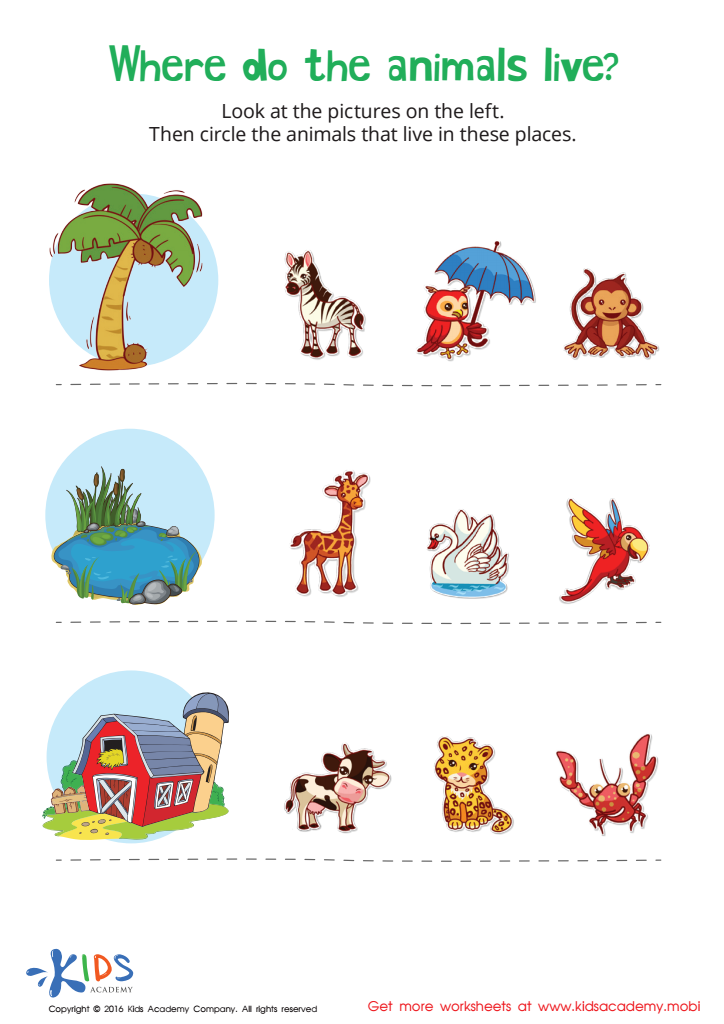
Where Animals Live Worksheet
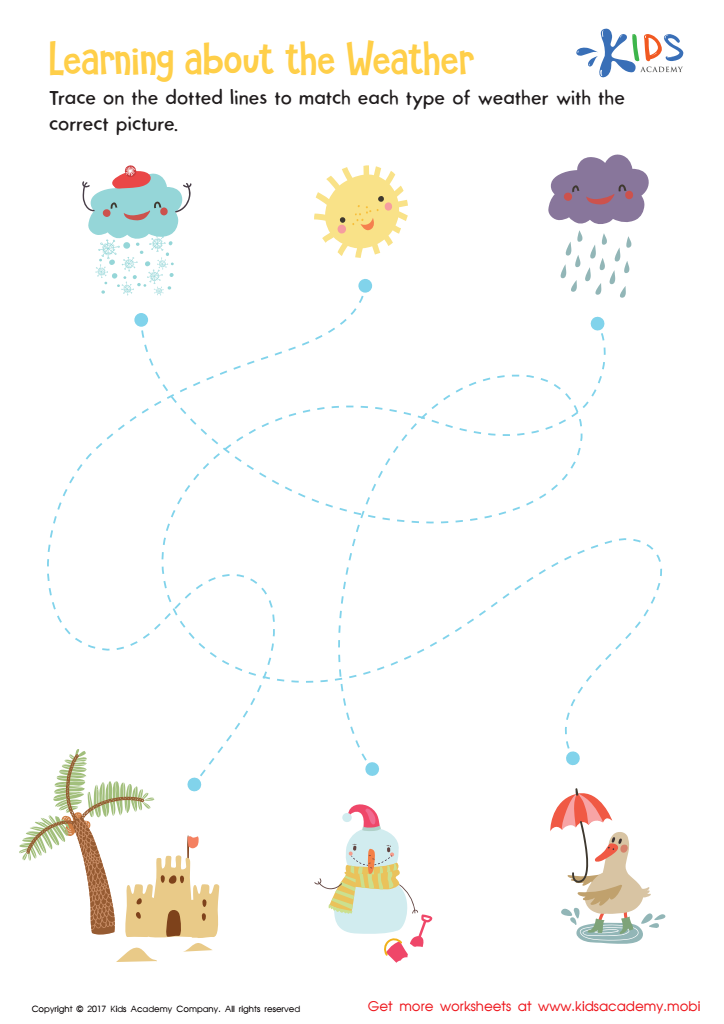
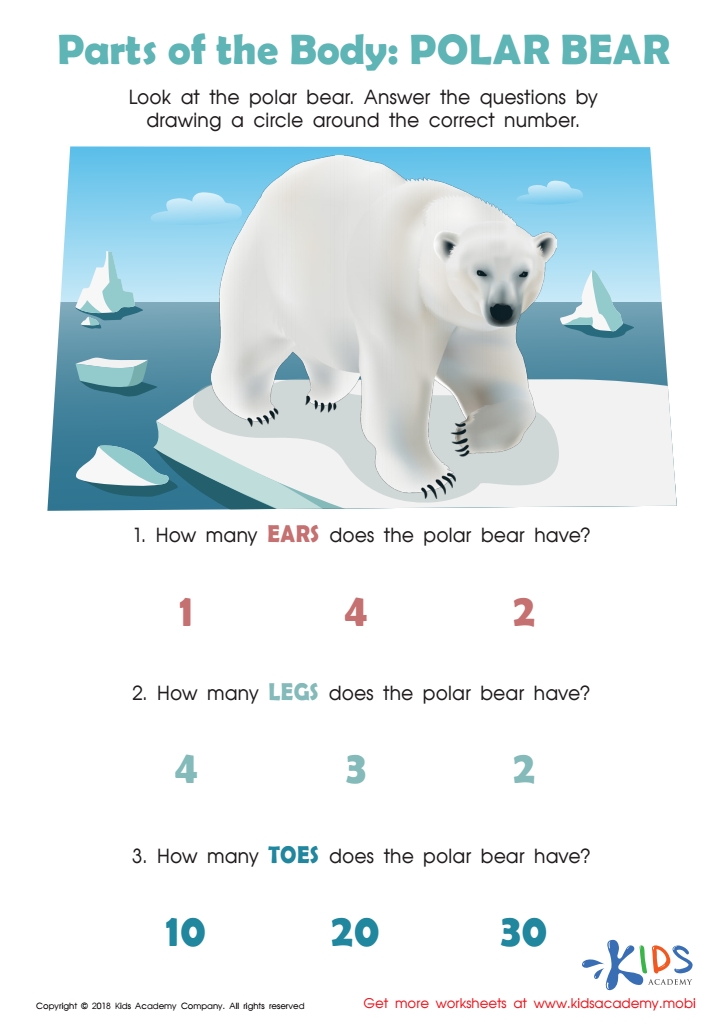
Parts of the Body: Polar Body Worksheet








Vocabulary development is crucial for children aged 5-6 as it lays the foundation for both language comprehension and effective communication skills. At this age, children are in a key stage of language acquisition, where increased vocabulary helps them articulate their thoughts, interact with peers, and regulate emotions. A robust vocabulary supports literacy; it directly correlates with reading comprehension and writing skills in later years. For teachers and parents, fostering vocabulary growth opens doors for more enriched conversations, expanding children’s understanding of the world around them.
Additionally, vocabulary ties into Normal Math, where verbalization is essential for problem-solving. Understanding mathematical terms like “add,” “subtract,” or “more” enables children to grasp core math concepts more effectively. Integrating vocabulary into early math learning activates their cognitive skills, linking words and concepts to numbers and quantities. This approach not only aids in mathematical fluency but also strengthens overall academic performance.
Moreover, fostering vocabulary skills enhances children's social abilities by equipping them with the language needed to engage collaboratively in group activities. Therefore, teachers and parents should prioritize vocabulary development as it plays an integral role in nurturing well-rounded, confident learners, setting the stage for lifelong learning and success.








